Assembling Aluminum at Different Temperatures
A 15°C rise changes critical aluminum dimensions.

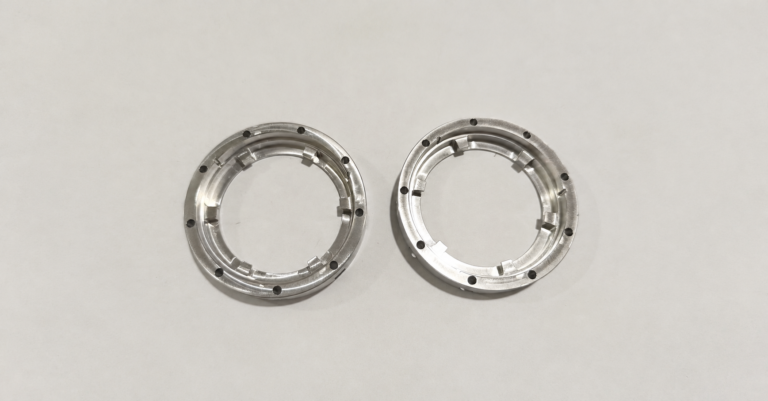
A 15°C rise changes critical aluminum dimensions.
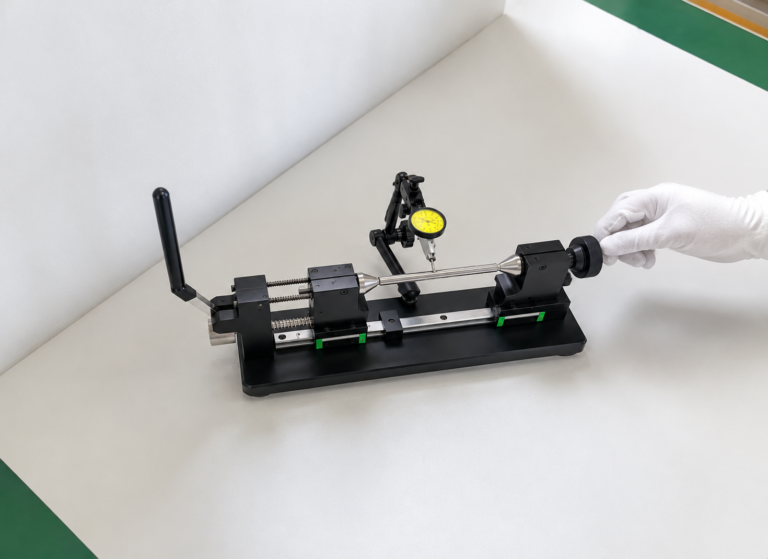
Choose the control that matches function and inspection.
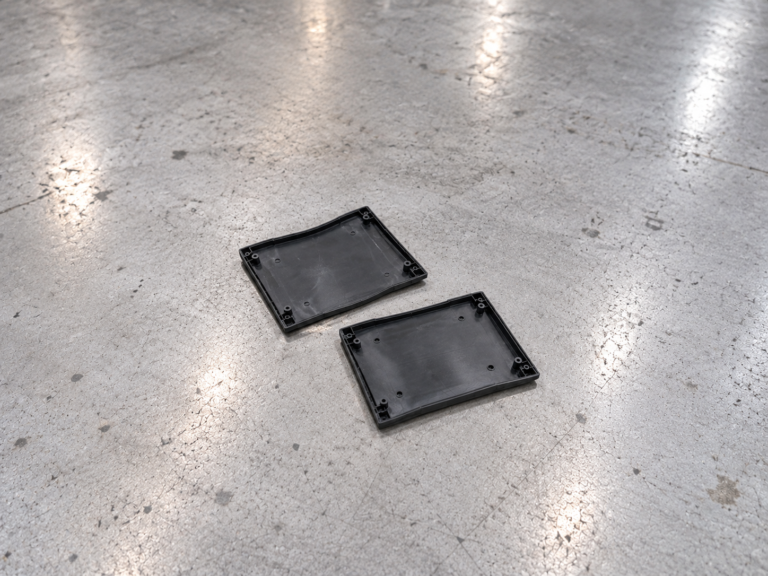
Rework heat-treated parts only if hardness and function remain intact.
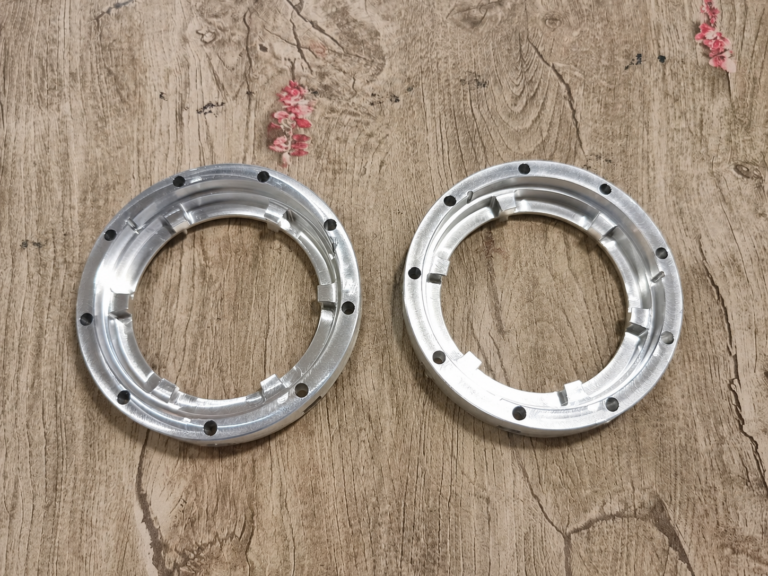
Accepted batches may fail to assemble due to tolerance variation.
How to Choose the Right CNC Machining Supplier (Industrial Procurement Guide) Finding a trustworthy, high-precision CNC machining supplier is key to transforming complex engineering concepts into high-quality products. Whether you are manufacturing aerospace components, medical devices, automotive prototypes, or precision mold parts, the technical capabilities and reliability of your manufacturing partner will directly determine product…
Automotive Parts Machining: An Analysis of Precision Manufacturing Capabilities and Quality Control Automotive parts machining is a critical link in the automotive supply chain, involving the precision manufacturing of core components such as engines, transmissions, and chassis. Understanding the technical characteristics of precision machining and the methods of quality control helps industry professionals better evaluate…
High-Precision CNC Milling of POM/PEEK Materials Why POM and PEEK Cannot Be Machined Like Metal Parts? While POM offers relatively good dimensional stability—making it suitable for sliding components, guides, and lightly loaded structural parts—it exhibits significantly more elasticity and thermal deformation than metal. PEEK offers higher strength and superior heat resistance, making it a common…
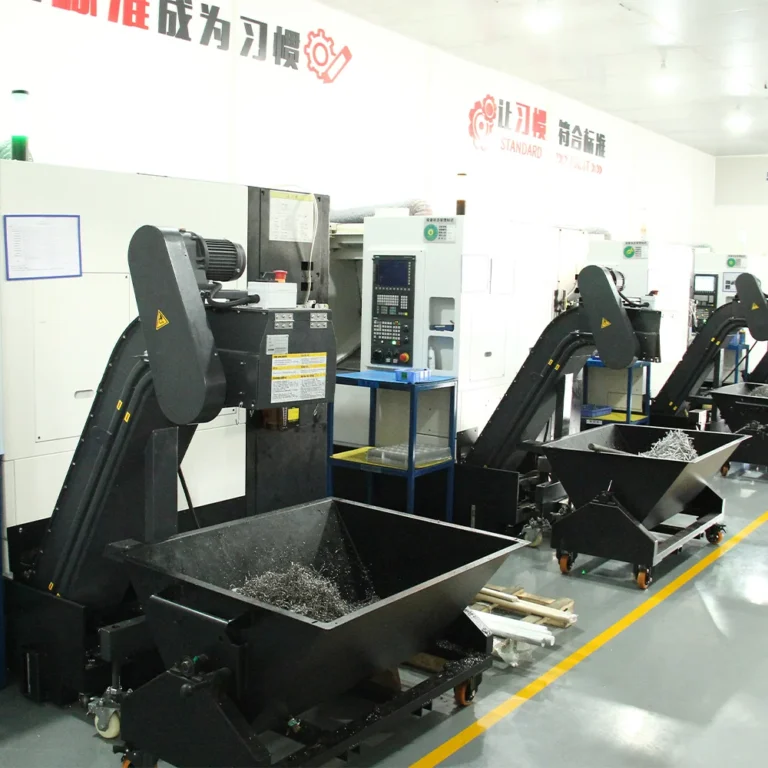
Explore the iPrecision CNC factory, equipment, workshop, and manufacturing team in Dongguan, China.
Characteristics of CNC Turning Operations 1. High Flexibility Machining accuracy relies primarily on the program rather than the physical setup. Unlike conventional machine tools, CNC machines do not require the manufacture or replacement of numerous tools and fixtures, nor do they necessitate frequent machine adjustments. Consequently, they are ideal for scenarios involving frequent part changes—such…
What Is Precision Machining? Precision machining is a high-precision subtractive manufacturing process that removes excess material from a workpiece to create finished parts with complex geometries and extremely tight tolerances. Dimensional tolerances are typically controlled within ±0.002 mm or even tighter, enabling the fabrication of critical components from metals, alloys, and engineering plastics that meet…