Precision Machining Services for Austin Texas
What Is Precision Machining?
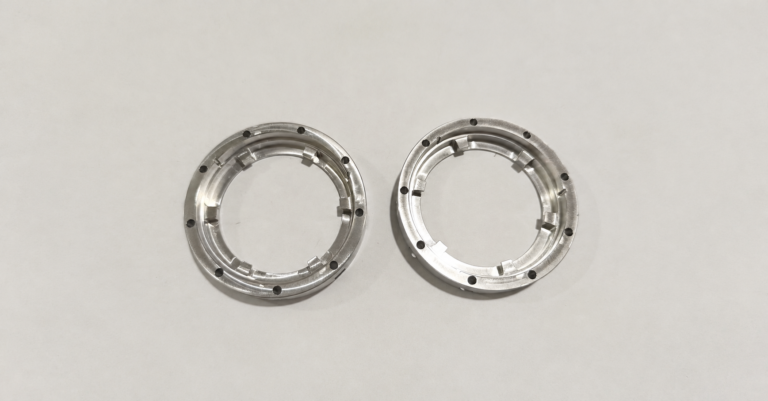
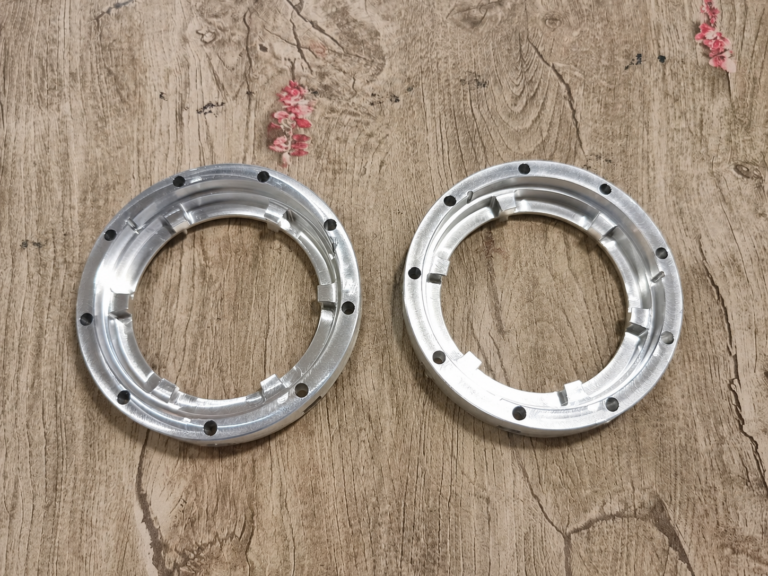
Precision machining is a high-precision subtractive manufacturing process that removes excess material from a workpiece to create finished parts with complex geometries and extremely tight tolerances. Dimensional tolerances are typically controlled within ±0.002 mm or even tighter, enabling the fabrication of critical components from metals, alloys, and engineering plastics that meet rigorous functional and safety standards.

By leveraging CNC technology, specialized tooling, and strict environmental controls, precision machining ensures that every component meets engineering specifications—whether for small-batch prototype development or large-scale mass production.
Core Precision Machining Technologies
Modern precision machining relies on various specialized subtractive manufacturing processes to achieve micron-level accuracy across a wide range of materials:
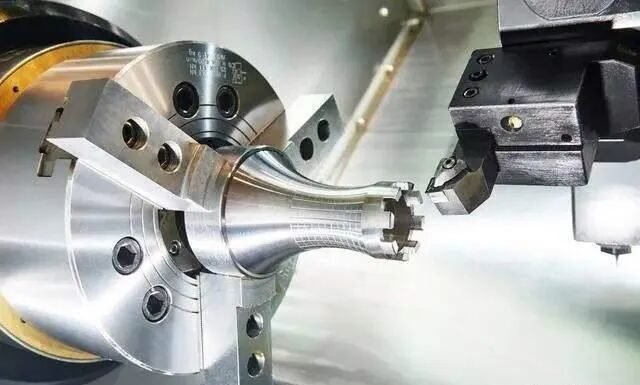
CNC Milling and Turning:
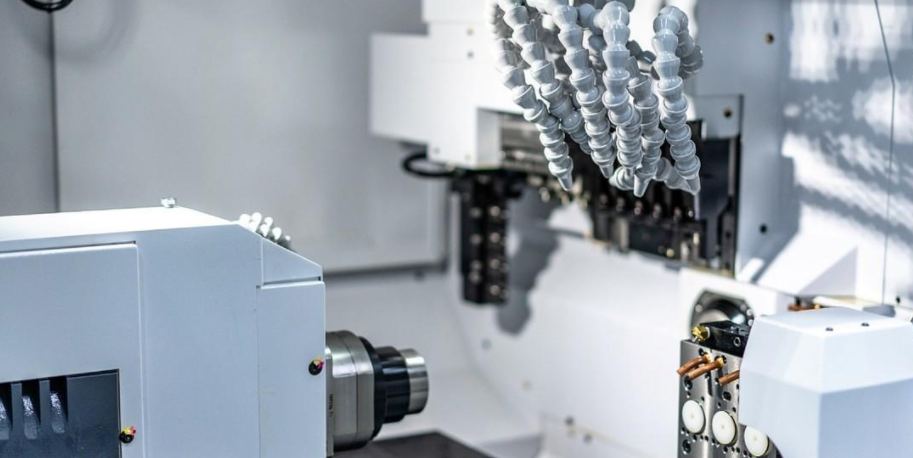
Multi-axis CNC milling machines and turning centers use computer commands to control cutting tools, creating complex contours, drilling holes, tapping threads, and refining surface finishes with minimal manual intervention.
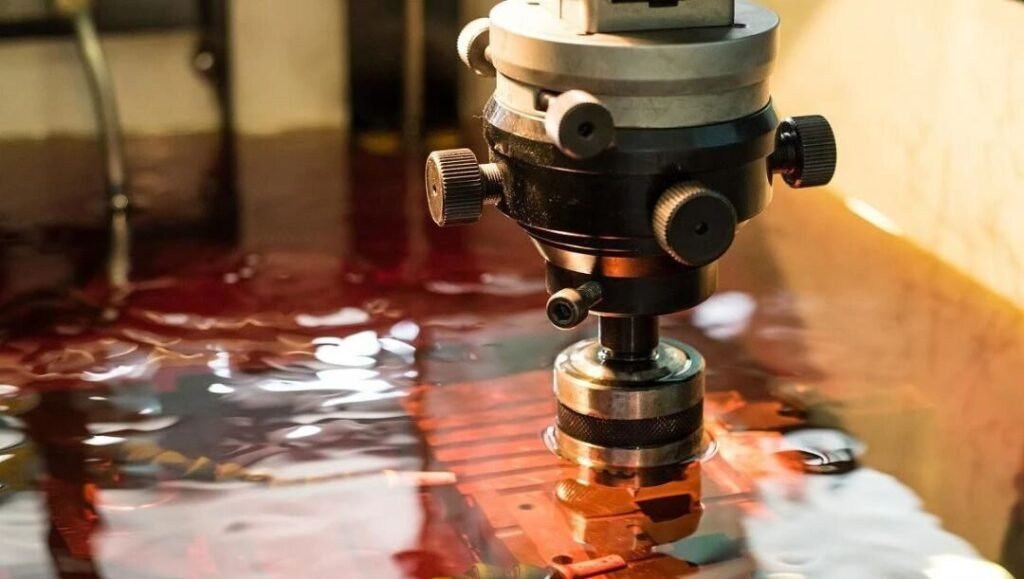
Electrical Discharge Machining (EDM):
Wire-cut and sinker EDM machines use pulsed electrical discharges to erode conductive materials. This process exerts no mechanical force, allowing for the direct machining of ultra-hard materials such as cemented carbide and hardened tool steel.
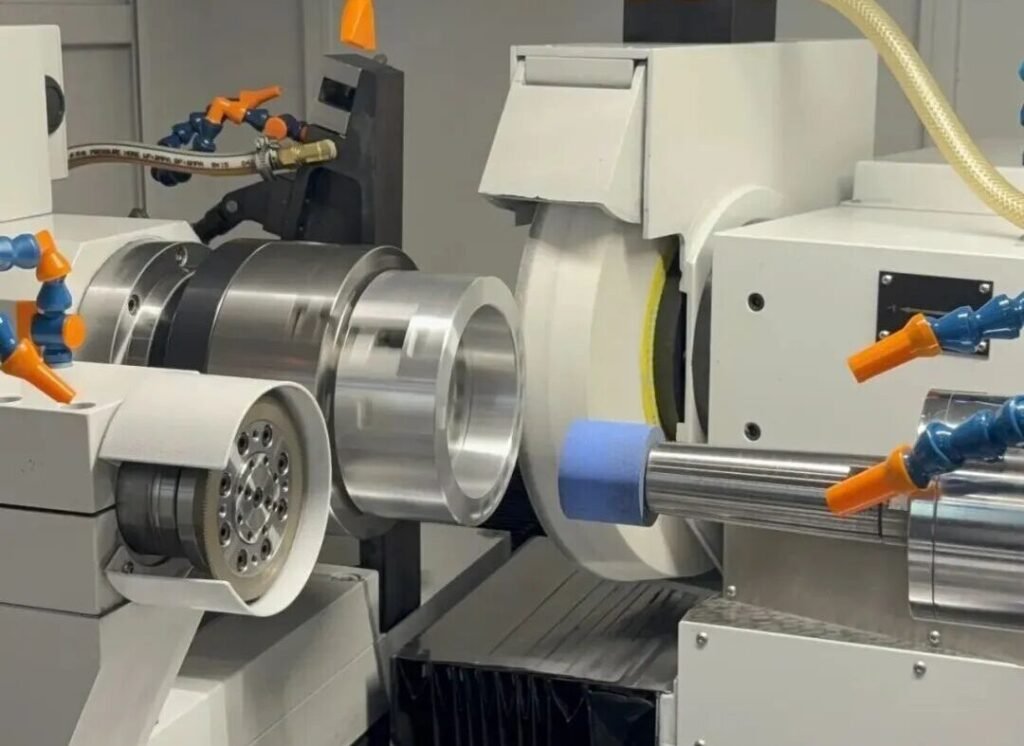
Precision Grinding:
Surface, cylindrical, and centerless grinding utilize abrasive wheels to remove microscopic layers of material, producing flat surfaces, high roundness tolerances, and superior surface finishes.
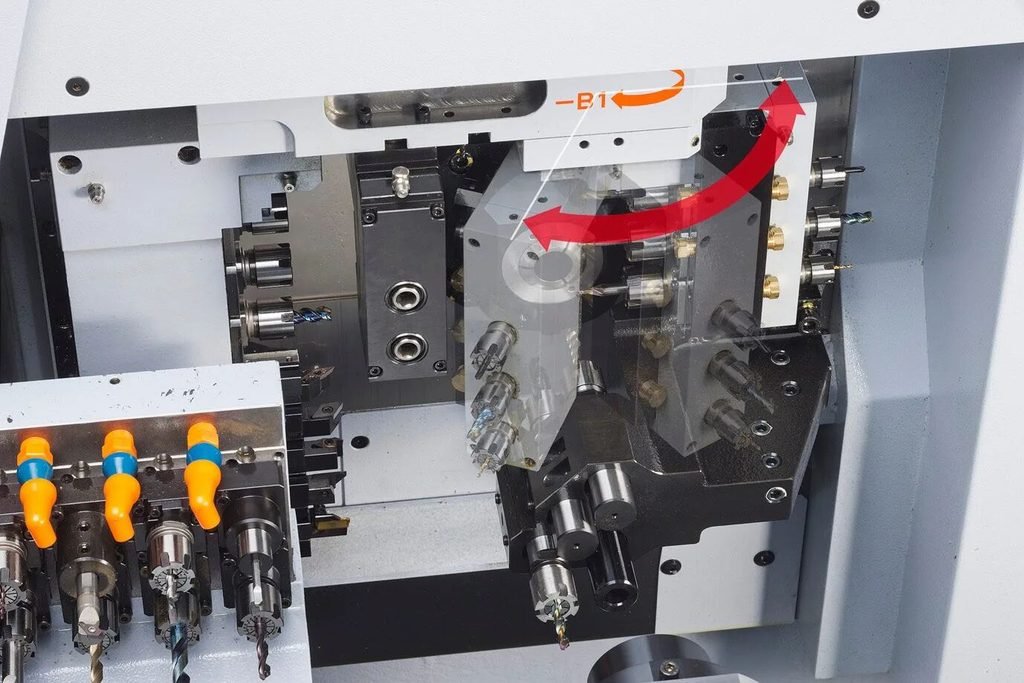
Swiss-Type Turning:
Specialized Swiss-style lathes support the workpiece close to the cutting tool, minimizing deformation when machining tiny, slender, or thin-walled cylindrical parts and ensuring exceptional precision.
Key Advantages of Precision Machining
Precision machining delivers critical performance benefits for demanding manufacturing applications:
Micron-Level Tolerances: Ensures high-performance mechanical components fit precisely and are fully interchangeable, thereby reducing wear and friction.
Broad Material Compatibility: Capable of processing stainless steel, titanium alloys, aluminum alloys, and copper alloys, as well as engineering plastics (such as PEEK) and cemented carbides.
High repeatability and consistent quality: By integrating CAD/CAM software, CNC equipment can continuously machine thousands of parts without dimensional deviation, effectively controlling defect rates.
Extended component lifespan: Superior surface finish and optimized stress distribution extend the service life of parts operating under high loads or in harsh environments.
Key Application Areas
Precision machining forms the foundation of high-end supply chains and is particularly suited for sectors where there is no margin for error:
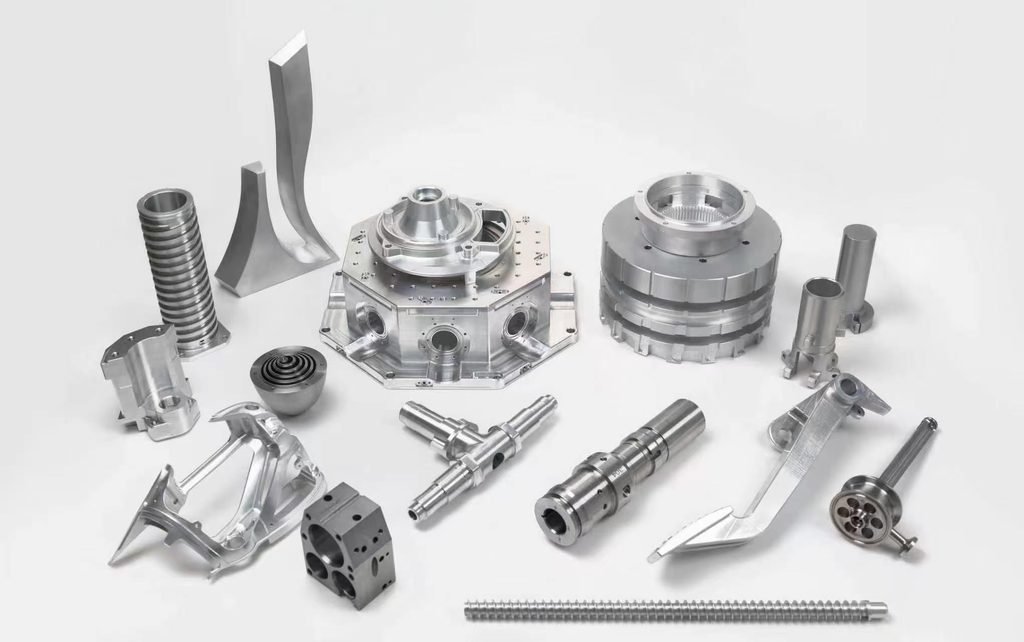
Medical Devices: Manufacturing surgical instruments, orthopedic implants, diagnostic equipment components, and fluid delivery systems to meet requirements for biocompatibility and zero-defect quality.
Aerospace and Defense: Producing fuel injectors, turbine engine components, landing gear actuators, and structural housings capable of withstanding extreme temperatures and pressures.
Automotive and New Energy Vehicles (NEVs): Machining high-pressure fuel injection systems, drive shafts, sensor housings, and powertrain components for NEVs.
Electronics and Semiconductors: Manufacturing high-precision molds, heat sinks, fiber-optic connectors, and components for semiconductor equipment.
FAQs
What materials can be processed via precision machining? A wide range of materials can be processed, including light metals (e.g., aluminum alloys), durable alloys (e.g., stainless steel and titanium alloys), super-hard materials (e.g., cemented carbide), and various high-performance engineering plastics.
What tolerance levels can be achieved? Standard precision machining typically maintains tolerances between ±0.005 mm and ±0.01 mm. When combined with specialized processes like Electrical Discharge Machining (EDM) or precision grinding, tolerances can be tightened to ±0.001 mm.
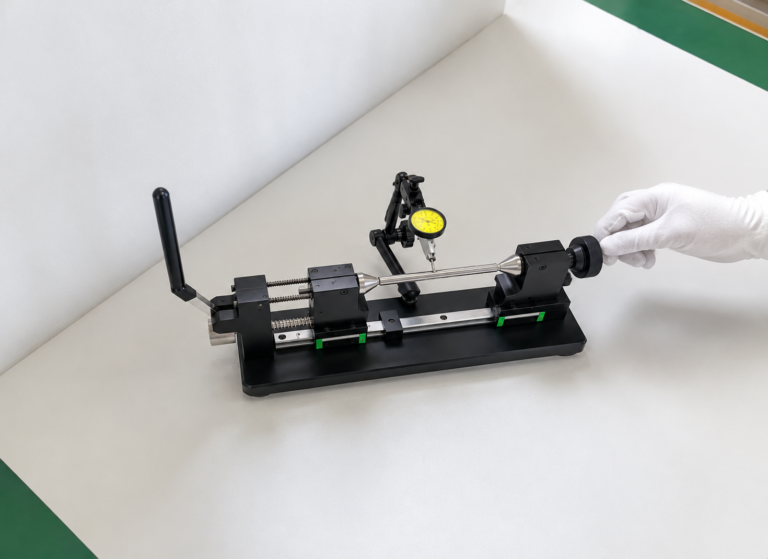
What is the difference between precision machining and traditional machining? Traditional machining often relies on manual operation, involves relatively loose tolerances, and is primarily used for manufacturing standard structural parts. In contrast, precision machining utilizes automated CNC programming, specialized tooling, temperature-controlled environments, and high-resolution inspection equipment to machine complex geometries while ensuring micron-level accuracy.