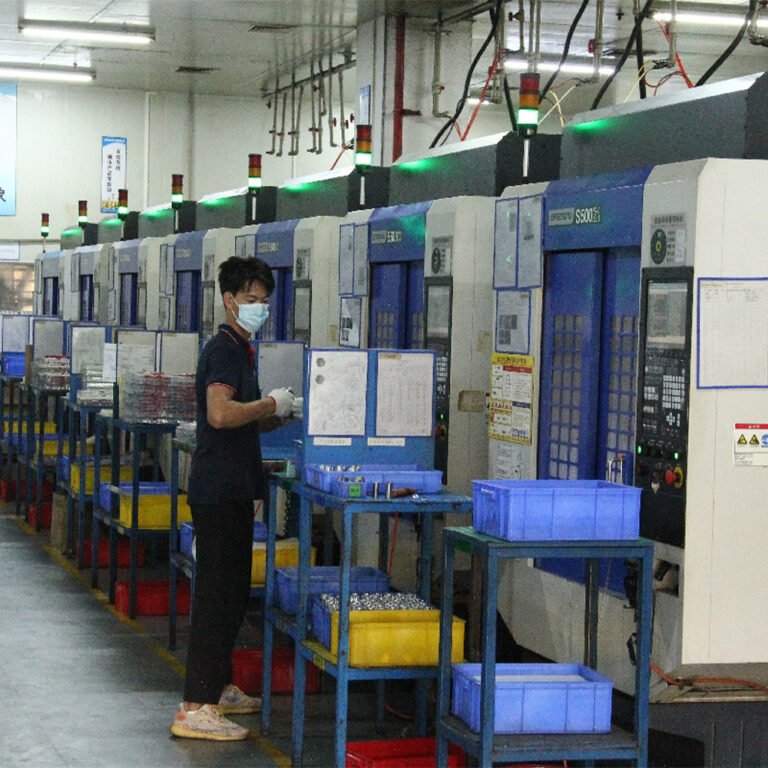
CNC Machining for Medical Equipment in San Diego
CNC Machining for Medical Equipment in San Diego
CNC machining for medical parts is a manufacturing method that utilizes Computer Numerical Control technology to produce high-precision components for medical laboratory equipment, surgical robots, clinical diagnostic analyzers, and endoscopes. CNC machining is widely used in the medical field. It enables manufacturers to produce parts with tight tolerances that meet the industry’s strict precision requirements, ultimately providing safe medical solutions for patients.
Equipment Utilizing CNC-Machined Medical Parts:
Medical Laboratory Equipment:
Includes centrifuges, microscopes, incubators, sample processing equipment, and more. These devices require precision mechanical parts to ensure the accuracy of experimental results and the stability of the equipment.
Surgical Robots:
Surgical robotic systems comprise numerous high-precision components, such as robotic arms, joints, and control mechanisms. CNC machining produces precise, smooth, and durable parts, ensuring accuracy during robotic surgical procedures.
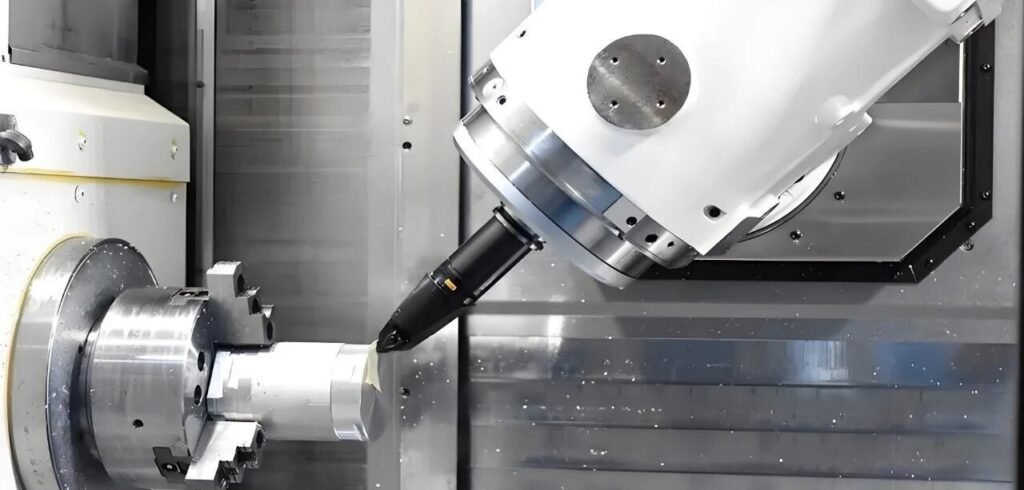
Clinical Diagnostic Analyzers:
Includes blood analyzers, urine analyzers, biochemical analyzers, etc. CNC machining can produce the small, high-precision components necessary for accurate test results.
Endoscopes:
Endoscopic equipment consists of components such as catheters, distal tip parts, and structural elements. Given the complexity and miniature size of these parts, CNC machining is the ideal manufacturing method.
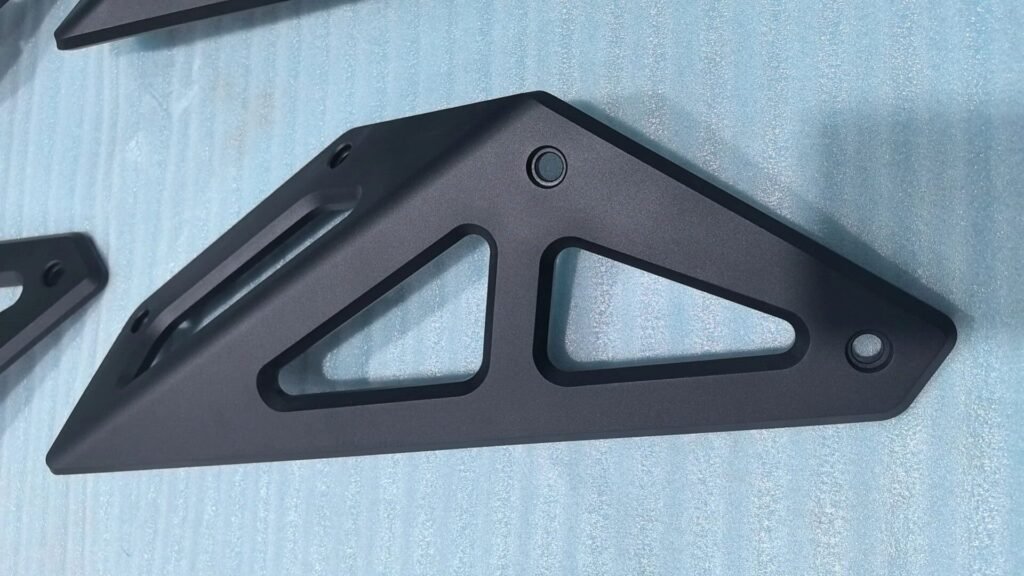
Implants and Prosthetics:
Includes joint implants, bone plates, screws, and more. CNC machining allows for the creation of complex, ergonomically designed parts, ensuring the safety and efficacy of implants and prosthetics.
Dental Equipment:
Includes dental drills, dentures, orthodontic appliances, etc. CNC machining is widely used in dental equipment manufacturing to produce high-precision, high-quality parts that meet specific technical requirements.
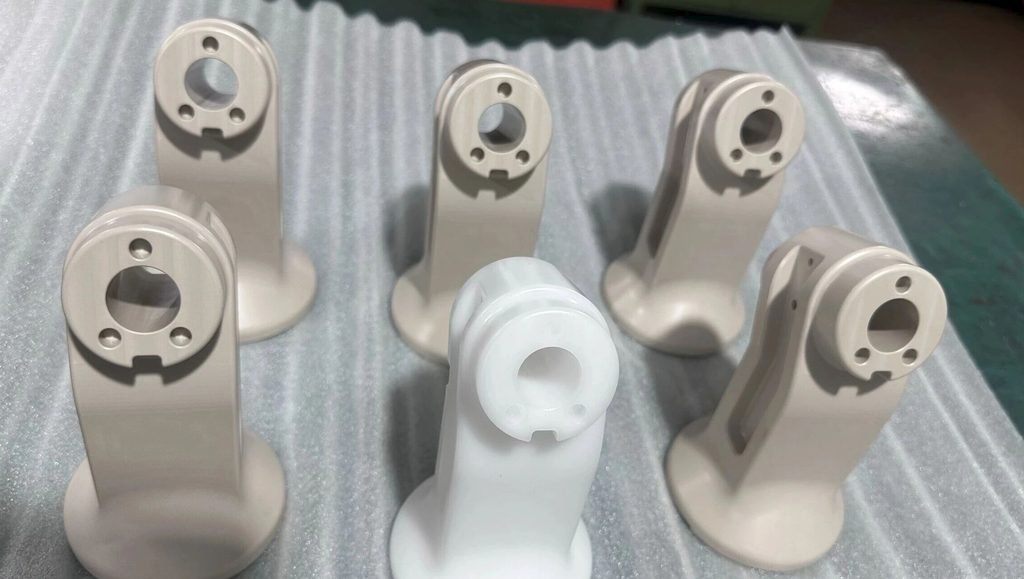
How to Choose a CNC Machining Facility for Medical Parts?
When selecting a machining facility for medical parts, it is best to choose a manufacturer that specializes in the medical sector. These facilities possess extensive experience with medical components and can offer valuable assistance during the early stages of a project—such as structural optimization, material recommendations, machining strategies, and cost-reduction measures. Furthermore, they are well-versed in the specific demands and quality management standards of the medical industry, ensuring a rapid response regarding necessary inspection reports and documentation.
However, when making a specific selection, you must comprehensively evaluate factors such as the factory’s quality management system (e.g., ISO 13485 for medical devices) and the rigor of its implementation, as well as component quality control, processing equipment, service capabilities, and delivery performance.
If you are looking for a manufacturer of CNC-machined medical components, choose PRS (Precision). We offer services including CNC milling, 5-axis machining, and CNC turning for medical parts, alongside specialized surface treatment capabilities.

FAQs:
Are the technical requirements for machining medical equipment parts high?
Yes, the technical requirements are extremely high. Machining must achieve micron-level precision and smooth surface finishes, ensuring parts are free of burrs and sterile. Materials must be biocompatible, corrosion-resistant, and compliant with strict industry standards. Furthermore, rigorous quality control and inspection processes are essential to guarantee the reliability and safety of every component.
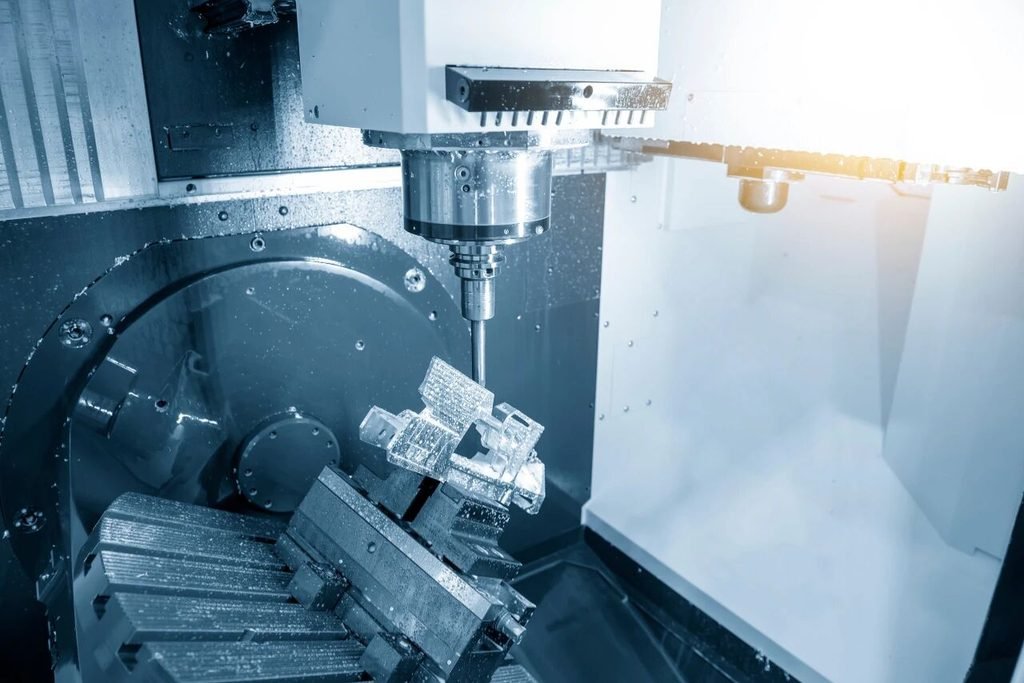
What are the machining methods for medical equipment parts?
Machining methods for medical equipment parts include precision processes such as CNC milling, turning, grinding, electrical discharge machining (EDM), and laser cutting. They also involve additive manufacturing technologies—such as injection molding and 3D printing—as well as surface treatments like electroplating, anodizing, and polishing, all aimed at ensuring high precision, superior quality, and biocompatibility.