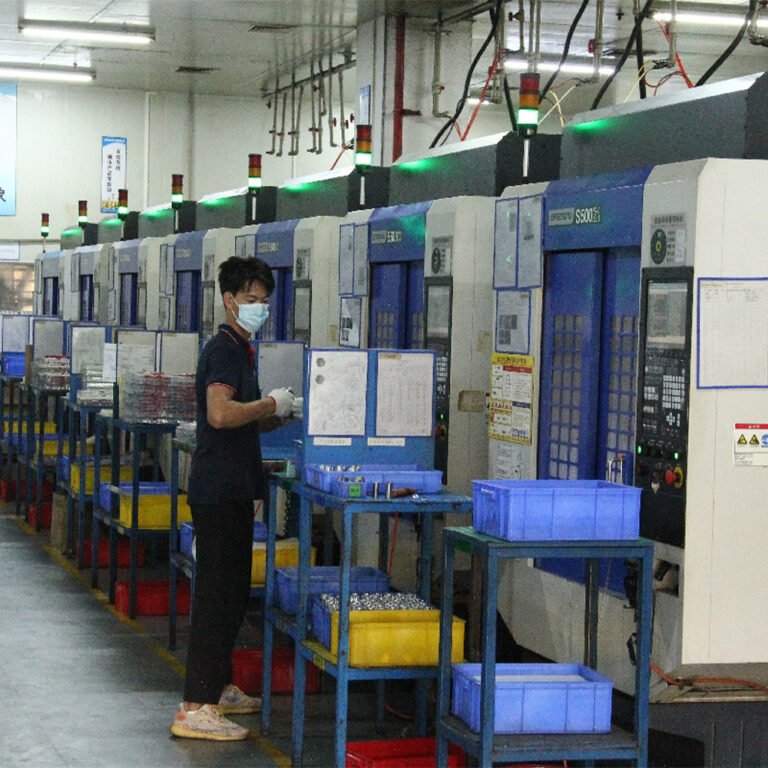
CNC Turning of Corrosion-Resistant Materials (PEEK)
An analysis of PEEK’s excellent turning characteristics—ideal for the precision machining of bushings, seal rings, and complex rotational parts—ensuring dimensional accuracy and superior surface quality.
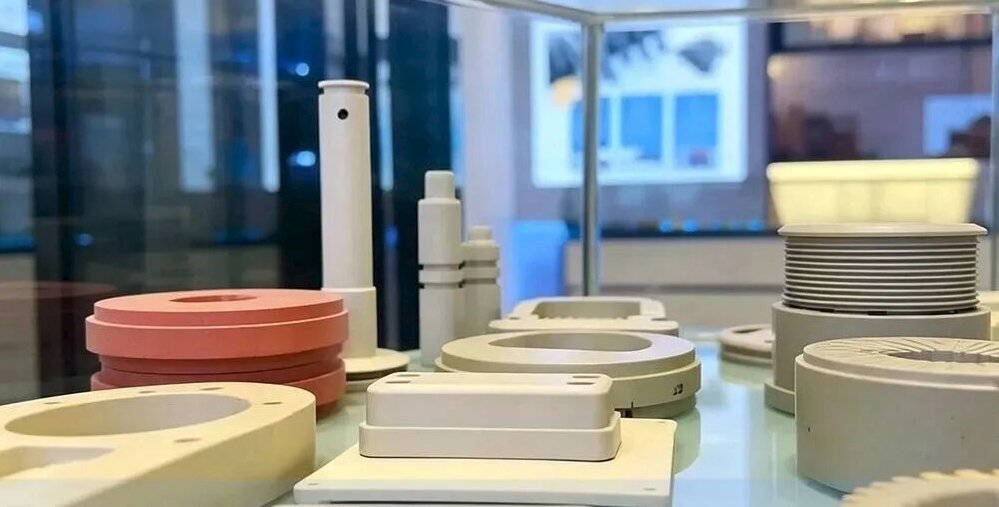
First, let us examine the fundamental material properties that give PEEK its excellent turning performance. PEEK is a semi-crystalline aromatic polymer; its molecular structure imparts a balance of rigidity and toughness. Its rigidity ensures the part resists elastic deflection during cutting, promoting dimensional stability, while its toughness prevents cracking or chipping at thin-walled sections, grooves, and sharp thread edges.
Additionally, PEEK has a high heat deflection temperature, meaning the instantaneous frictional heat generated during cutting does not cause the workpiece to soften or melt rapidly. Controlling the cutting temperature effectively prevents the material from adhering to the cutting tool. High-quality, defect-free virgin PEEK rods and tubes feature a uniform internal structure; they produce continuous, regular chips rather than crumbling debris or rough surfaces, making it easier to achieve a high-gloss finish with low Ra values. In contrast, recycled PEEK often contains internal impurities and voids, along with inconsistent hardness; turning such material frequently results in localized pitting and irregular chipping, making it difficult to meet high surface finish requirements.
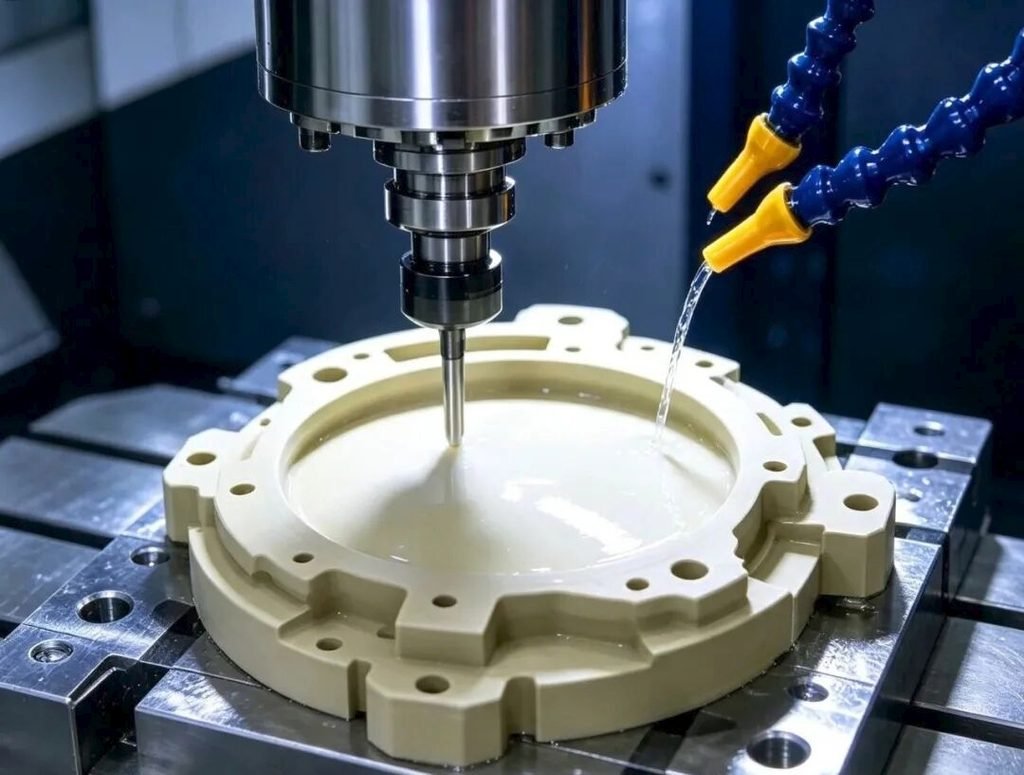
To fully leverage PEEK’s excellent turning characteristics, four core elements must be strictly controlled: raw material quality, tool selection, cutting parameters, and cooling methods.
First, the quality of the raw stock is fundamental. PEEK rods and tubes intended for precision turning must be dense, extruded profiles free from internal porosity or voids. Profiles should undergo pre-annealing to reduce residual internal stress; this prevents stress release during rough machining—which could otherwise cause workpiece deformation and a loss of dimensional control during finishing. Profiles with high internal stress can lead to slow, continuous deformation after turning, making it difficult to maintain tolerances.
Second, tool selection. Sharp carbide tools are preferred to maintain a keen cutting edge; severely dull tools compress the workpiece, which easily causes surface melting and fuzzing. Using worn or old tools for extended machining of PEEK is not recommended.
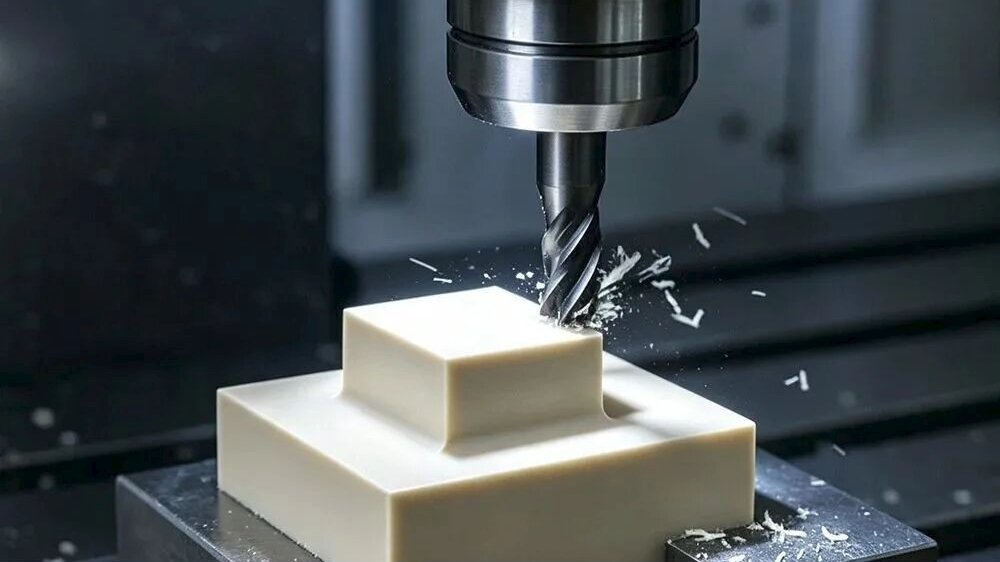
Third, matching cutting parameters. The primary objective is to control cutting temperatures to prevent melting and adhesion to the tool caused by excessive heat. Spindle speed, feed rate, and depth of cut must be balanced appropriately; finishing operations should utilize shallow cuts and low feed rates to enhance surface finish, while thin-walled parts require reduced speeds to minimize vibration-induced waviness or edge chipping.
Fourth, consider cooling strategies. Air cooling is recommended when conditions permit, as it effectively dissipates frictional heat; however, the prolonged use of water-based coolants for electrical components is discouraged to prevent fluid infiltration into pores, which could compromise insulation properties. Machining at ultra-high speeds for extended periods without cooling is strictly prohibited, as this can lead to surface melting and material stringing.

Common PEEK turning defects and their causes:
- Chipping at sharp corners or thin walls: Impure raw material, high internal stress, excessive depth of cut, or insufficiently sharp tools;
- Surface fuzzing or stringing: Excessive cutting temperature causing PEEK to melt and adhere to the tool;
- Gradual dimensional drift after machining: Unannealed stock material leading to continued internal stress release after rough machining;
- Surface waviness: Machine tool vibration, excessive clamping force, or insufficient rigidity of thin-walled workpieces.
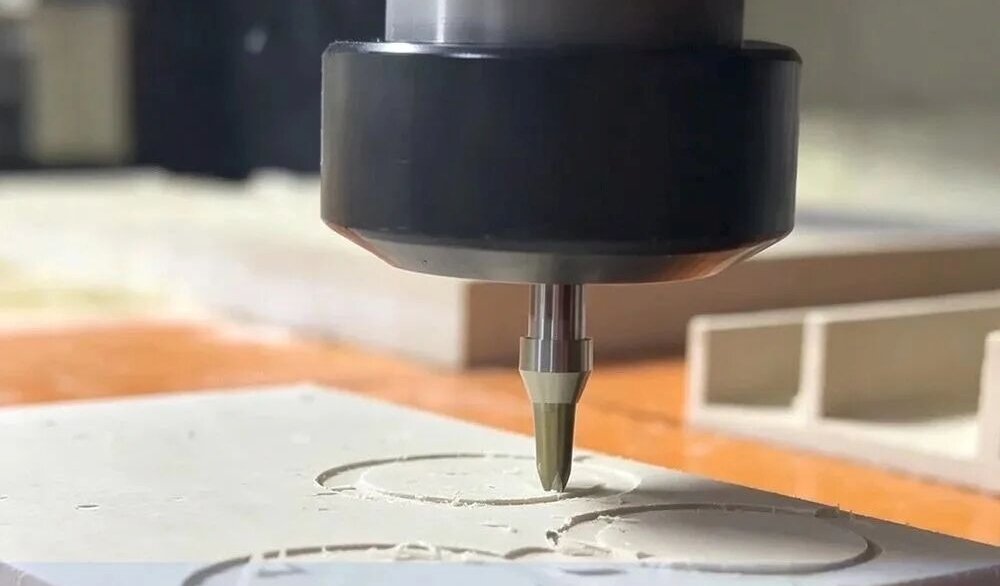
Drawing on extensive experience in precision machining, PRS engineers have compiled the following key control points for PEEK turning:
First, for thin-walled parts, threaded components, and parts requiring high surface finish, prioritize the use of dense tubes or rods made from virgin (unfilled) PEEK; select modified grades as needed for wear-resistant applications;
Second, anneal the raw stock material beforehand to reduce residual stress and prevent dimensional drift (aging effects) after machining;
Third, use sharp carbide tools and optimize speed, depth of cut, and feed rate; strictly control cutting temperatures to prevent melting and tool adhesion;
Fourth, employ incremental (layered) cutting for thin-walled or sharp-cornered structures and design corners with radii to reduce the risk of edge chipping;
Fifth, use light cuts during finishing operations combined with air cooling to consistently achieve a high-quality surface finish.