5-Axis Machining Services for Huntsville, Alabama
What are the advantages of 5-axis CNC machining?
Mechanical configurations of 5-axis machine tools
First, let us define what a 5-axis machine tool is. As the name implies, 5-axis machining involves adding two rotary axes to the three standard linear axes (X, Y, and Z). Two of the three potential rotary axes (A, B, and C) are utilized, employing different motion configurations to meet the technical requirements of various products.
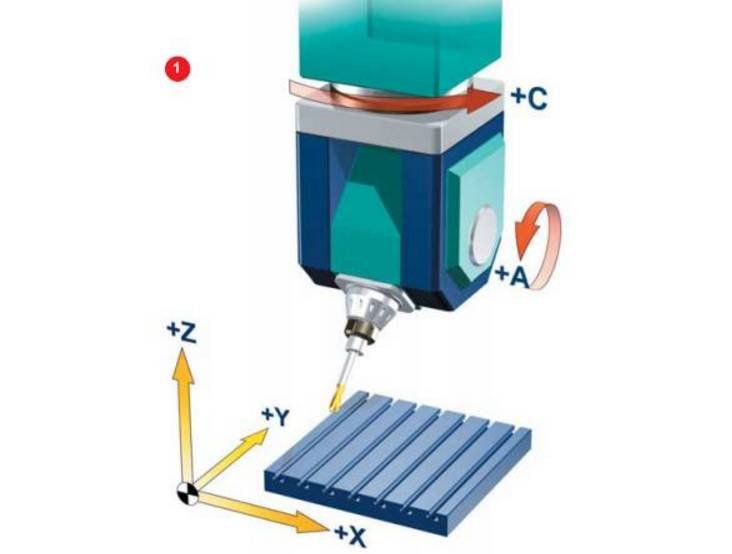
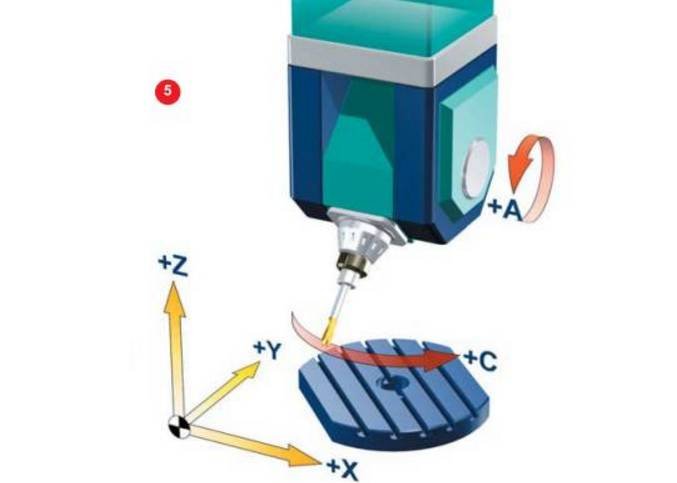
Machine tool manufacturers are constantly innovating the mechanical designs of 5-axis machining centers to develop new motion patterns that satisfy diverse needs. While there is a wide variety of 5-axis machine tools on the market, they generally fall into the following mechanical configurations:
1. Two rotary axes directly control the orientation of the tool axis (dual-swivel head configuration).
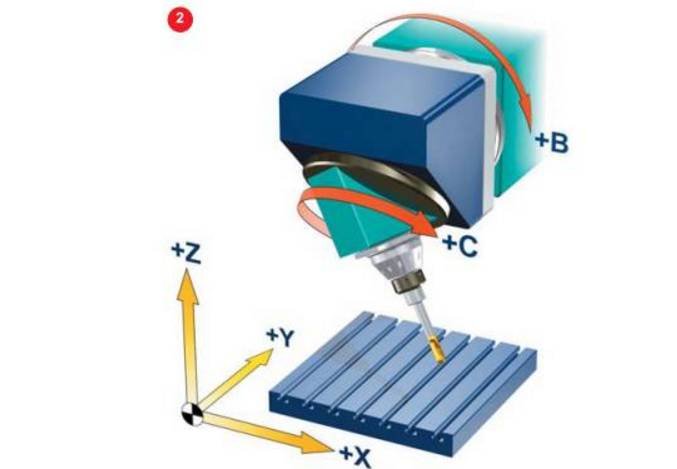
2. Two rotary axes are located at the tool tip, but the rotary axes are not perpendicular to the linear axes (tilting/swiveling head configuration).
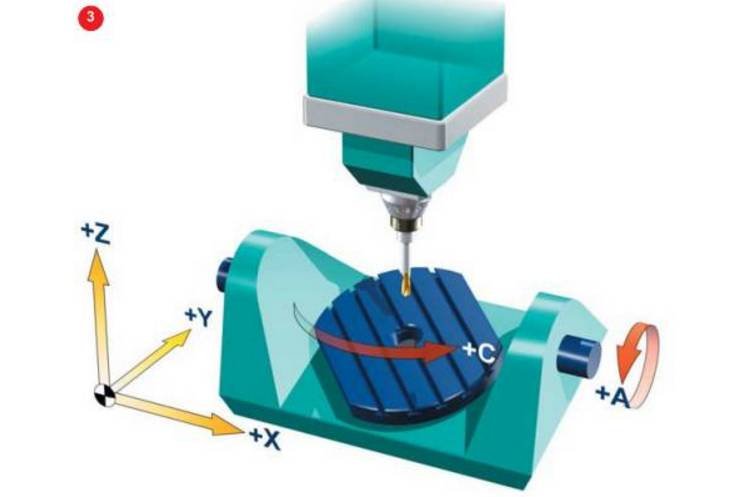
3. Two rotary axes directly control spatial rotation (dual-rotary table configuration).
4. Two rotary axes are located on the worktable, but the rotary axes are not perpendicular to the linear axes (tilting/swiveling table configuration).
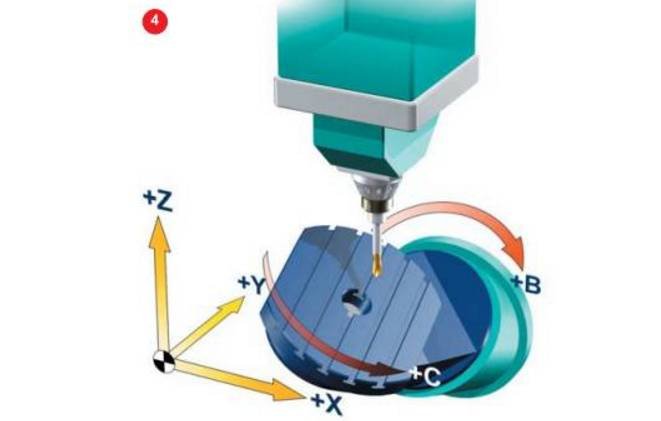
5. One rotary axis acts on the tool while the other acts on the workpiece (combined swivel-head and rotary-table configuration).
The many advantages of 5-axis machining
Compared to 3-axis CNC machining equipment, 5-axis CNC machine tools offer the following advantages:
1. Maintaining optimal cutting conditions and improving cutting performance
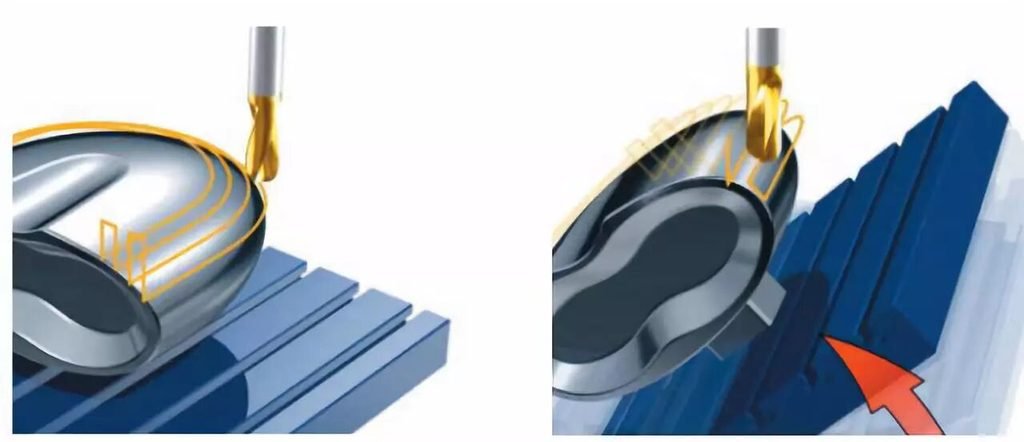
As shown in the image above, with the 3-axis cutting method (left), the cutting condition deteriorates as the tool moves toward the apex or the edge of the workpiece. Rotating the worktable allows for the maintenance of optimal cutting conditions in these areas. To fully machine an irregular surface, the worktable must be rotated multiple times in different directions. Furthermore, 5-axis machines avoid the issue of zero linear velocity at the center point of a ball-end mill, resulting in superior surface quality.
2. Effectively avoiding tool interference
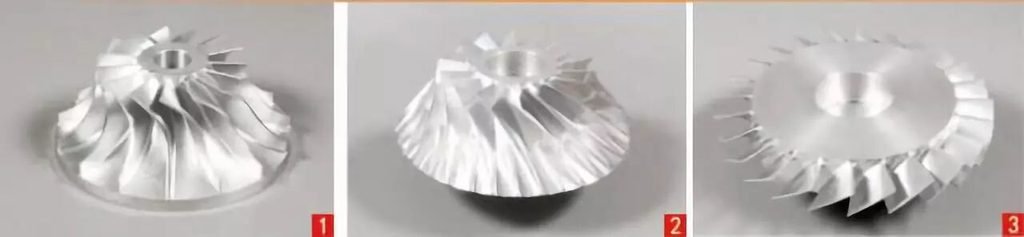
As shown above, when machining aerospace components such as impellers, blades, and blisks, 3-axis equipment often fails to meet process requirements due to interference issues, whereas 5-axis machines can handle these tasks successfully. Additionally, 5-axis machines allow for the use of shorter cutting tools, which enhances system rigidity, reduces the total number of tools required, and eliminates the need for specialized tooling.
3. Reducing clamping operations and enabling 5-sided machining with a single setup
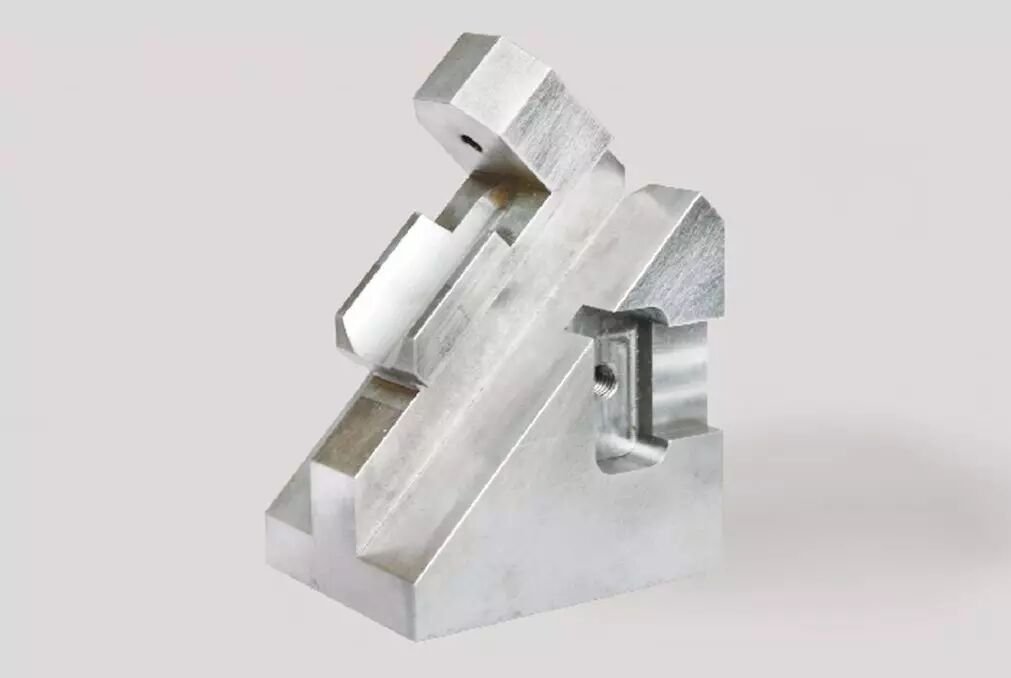
As illustrated above, 5-axis machining centers minimize the need for datum shifts, thereby improving machining accuracy. In practical operations, a single setup makes it easier to guarantee precision. Moreover, the shortened process chain and reduced equipment count lead to fewer fixtures, a smaller workshop footprint, and lower maintenance costs. This means you can achieve higher efficiency and superior quality with fewer fixtures, less factory space, and reduced maintenance expenses.
4. Improving machining quality and efficiency
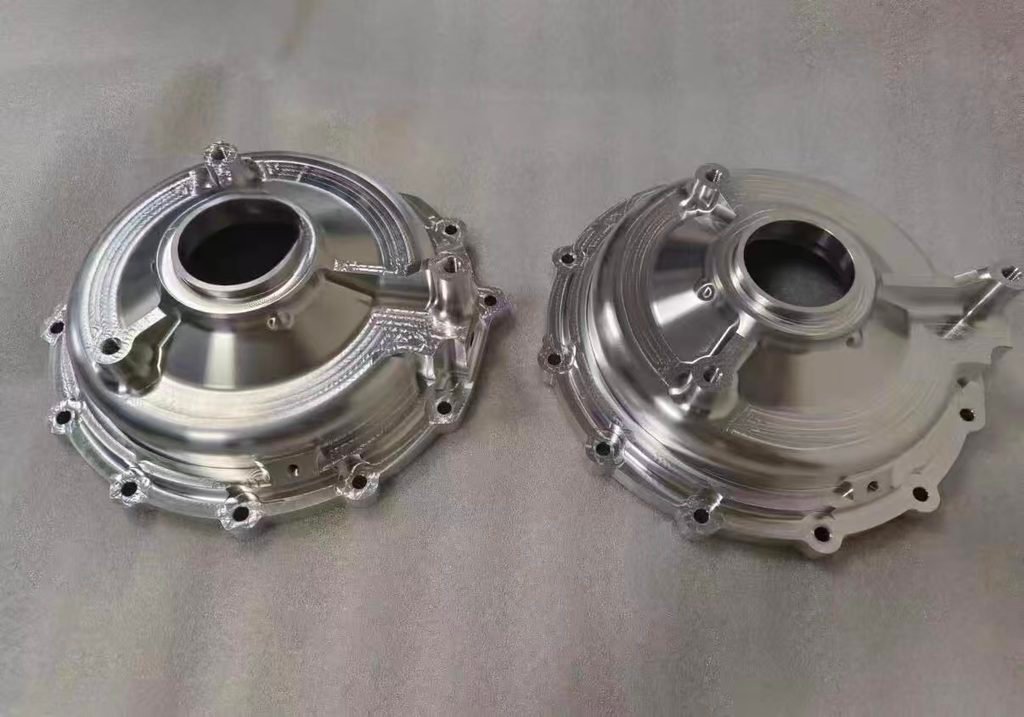
5. Shortening the production process chain and simplifying production management
The comprehensive machining capabilities of 5-axis CNC machines significantly shorten the production process chain, simplifying production management and scheduling. The more complex the workpiece, the more pronounced the advantages become compared to traditional production methods involving fragmented processes.
6. Shortening the R&D cycle for new products
For enterprises in sectors such as aerospace and automotive manufacturing, new product components and molding dies often feature complex geometries and demand high precision. Consequently, 5-axis CNC machining centers—characterized by high flexibility, precision, integration, and comprehensive machining capabilities—effectively address the challenges of machining complex parts during the R&D process. They significantly shorten development cycles and increase the success rate of new products.