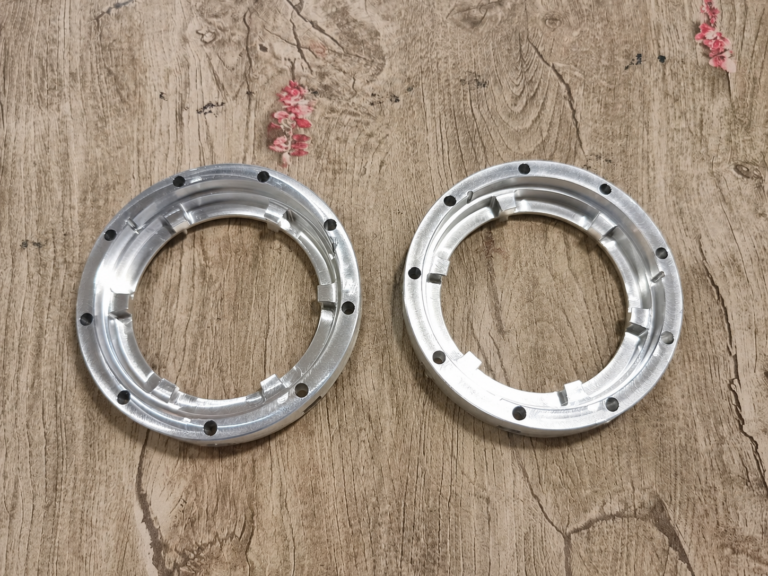
CNC Turning Services in Greenville, South Carolina
CNC Turning Services: How to Choose the Right Partner
What key indicators should be considered when selecting a CNC turning supplier?
Choosing the right partner is crucial. A systematic approach to selecting a CNC turning supplier involves evaluating their technical capabilities, commitment to quality, and past experience to ensure they can reliably meet your project’s requirements regarding precision, production volume, and timelines.
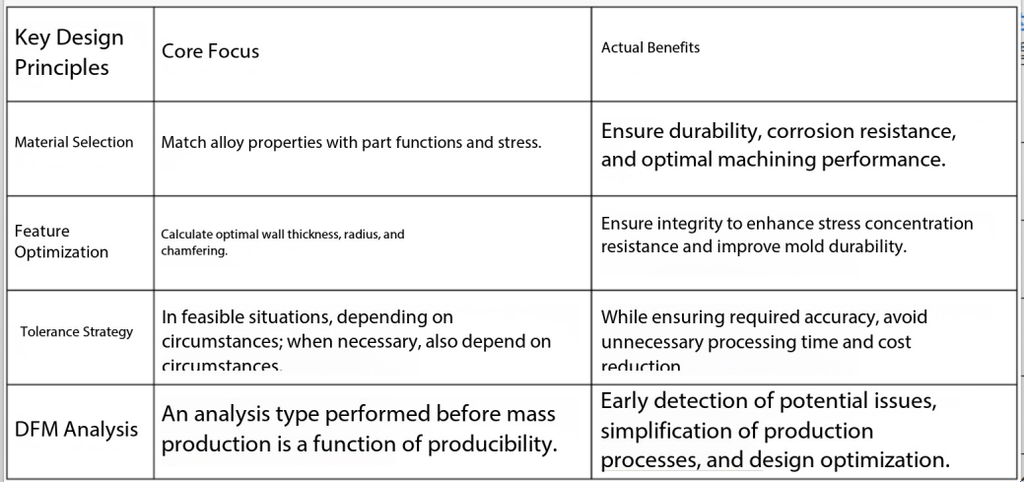
What core capabilities should a reliable CNC machining partner possess?
Selecting a CNC machining partner is a critical business decision that impacts your products, services, and value chain.
Let’s return to the factors involved in choosing a reliable supplier. Naturally, machining capability is a must-consider factor. However, there is a wealth of expertise underlying this requirement.
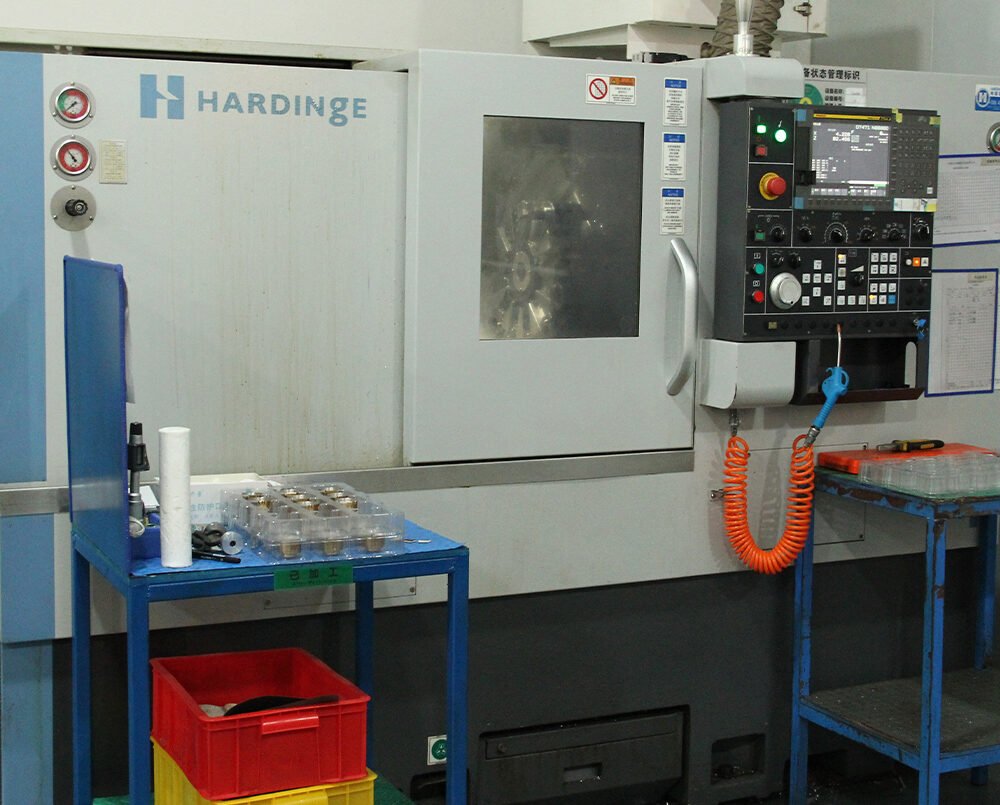
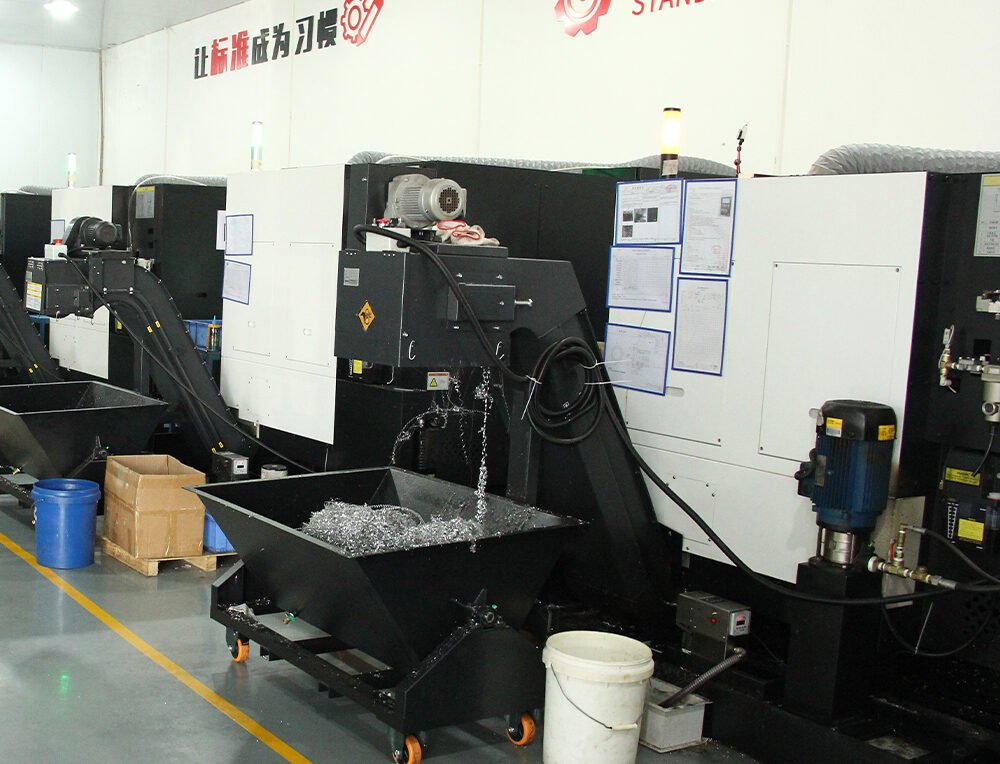
1. Advanced technology and production facilities: To excel at this level, a supplier must invest in state-of-the-art equipment and skilled engineers
You need professionals who are proficient in multi-axis machining and capable of handling difficult-to-machine materials. This ensures that achieving your design goals is never an issue.
2. Systematic quality management and assurance: The principles of quality assurance and management are ultimately reflected in product quality and integrity. Our AS9100 and ISO 9001 certifications demonstrate this commitment; you can rest assured that we will deliver quality that meets your expectations.
3. Proactive engineering support and service: An excellent supplier engages with you early in the process, providing feedback on Design for Manufacturability (DFM) to help optimize part designs.
Engineering support should be viewed as a continuous process that spans the entire workflow—from the prototyping stage through to full-scale production.
4. Operational reliability and communication: Operational reliability is a vital attribute. It encompasses factors such as capacity management, on-time delivery, and effective communication.
A reliable supplier maintains transparency throughout the project and provides timely updates on potential challenges—such as whether their scalability aligns with your production needs.
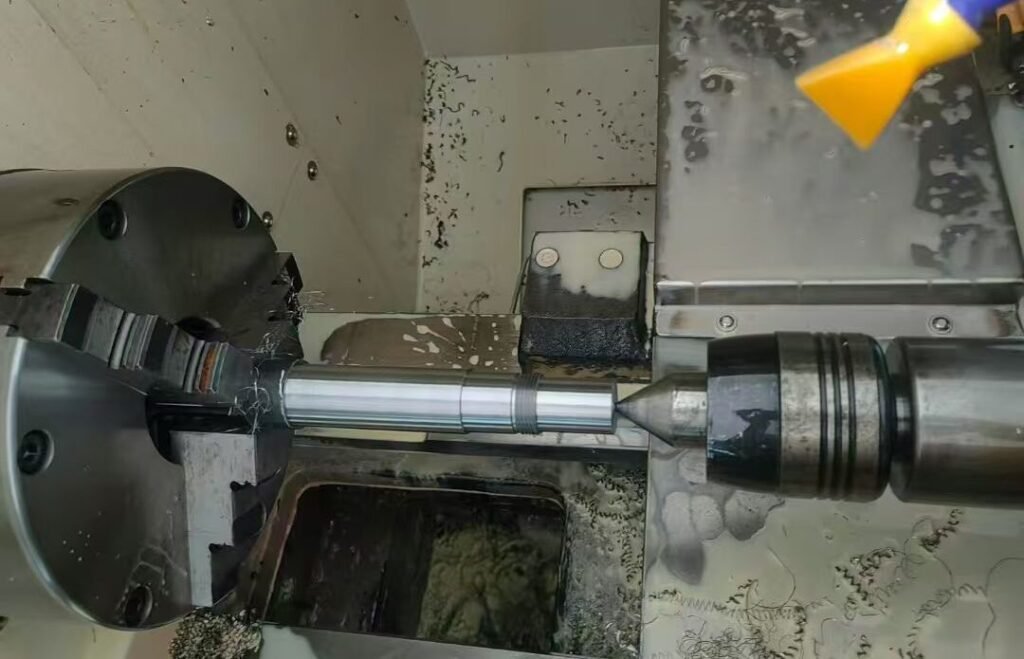
How do you systematically select the right CNC turning supplier?
A strategic approach to selecting a CNC turning supplier is essential for finding a partner who can guarantee quality, reliability, and long-term value.
A systematic supplier selection process goes far beyond simple price quotes; it requires a comprehensive assessment of a supplier’s capabilities across multiple operational and quality dimensions.
· Verification of technical and production capabilities: When initiating the capability verification process, it is crucial to assess the supplier’s expertise regarding equipment, technical knowledge, and the skills of their technical personnel. This helps determine whether they possess the necessary know-how to handle complex processes.
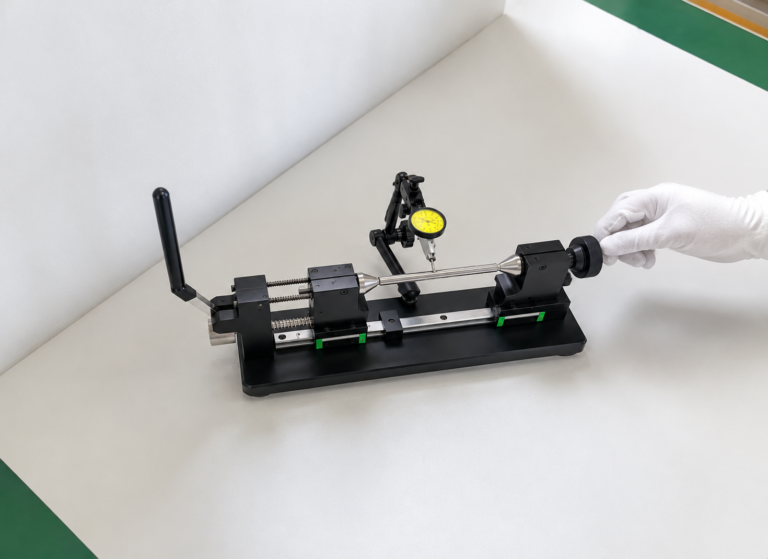
· Quality management and certification audits: Authentic verification of their quality management system is essential. Qualified suppliers must hold relevant certifications, such as ISO 9001. This is vital for ensuring confidence in their ability to meet your requirements.
· Assessment of operational and communication protocols: Beyond the factors mentioned above, it is important to evaluate specific operational elements—such as the competence of the assigned project manager and the quality of their communication. An efficient supplier should be capable of providing timely updates and notifications.
· Due diligence (samples and references): The final step is verification. This involves requesting sample production for your own testing or asking for customer references/reviews where available. Frankly, when selecting a CNC turning supplier, this is the only way to ensure they will operate in the manner you expect.
FAQs on CNC Turned Parts
- What are the minimum order quantities and maximum machining dimensions for CNC turning?
Our production capabilities cover the entire spectrum from prototyping to mass production. Our minimum order quantity is 1 unit, and our maximum machining capacity is 500 mm in diameter and 1,000 mm in length.
- How much do machining costs vary between different materials in CNC turning?
Material costs typically account for 30% to 50% of the total machining cost. We recommend the most cost-effective material options based on part requirements to optimize overall costs.
- How do you ensure quality during mass production?
We ensure consistency and reliability in high-volume production by utilizing Statistical Process Control (SPC) systems and comprehensive quality control frameworks.
- Quotes and delivery dates—how do design changes affect them?
We have implemented an efficient change management system that evaluates the impact of changes and provides an updated solution within two hours, ensuring the project schedule remains on track.
If you have updated design files, you can submit them directly to receive a current online quote.
- Does your company provide comprehensive quality inspection reports and material certifications?
Yes, we provide complete inspection reports and material certification documents, enabling customers to verify quality and traceability.
- Do you have experience handling urgent orders or requests?
To accelerate production, we offer a rapid-response channel for urgent production schedules to meet tight deadlines; through this channel, prototypes can be completed within three days.
- What measures are taken to protect customer designs and intellectual property?
We adhere to strict confidentiality agreements and document management protocols, ensuring your ideas remain confidential and are never disclosed.
- Do you offer on-site visits and trial machining services?
We welcome customer visits and offer complimentary trial machining services, allowing clients to experience our machining capabilities firsthand.