Heat Treatment Distortion: Rework or Make a New Part?
The Part Passed Before Heat Treatment
Heat treatment distortion is often discovered after a part has already passed its final pre-treatment inspection.
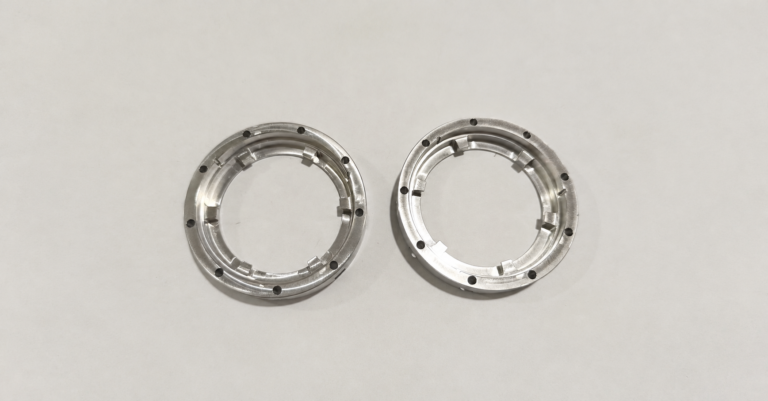
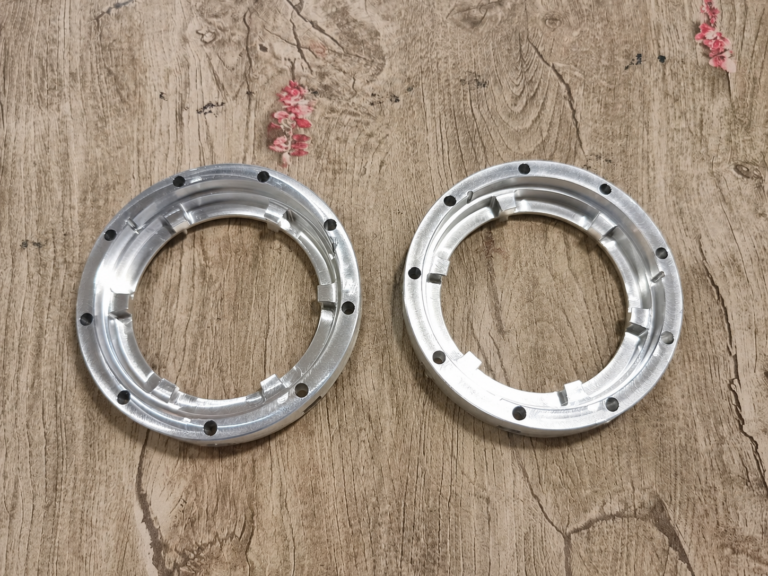
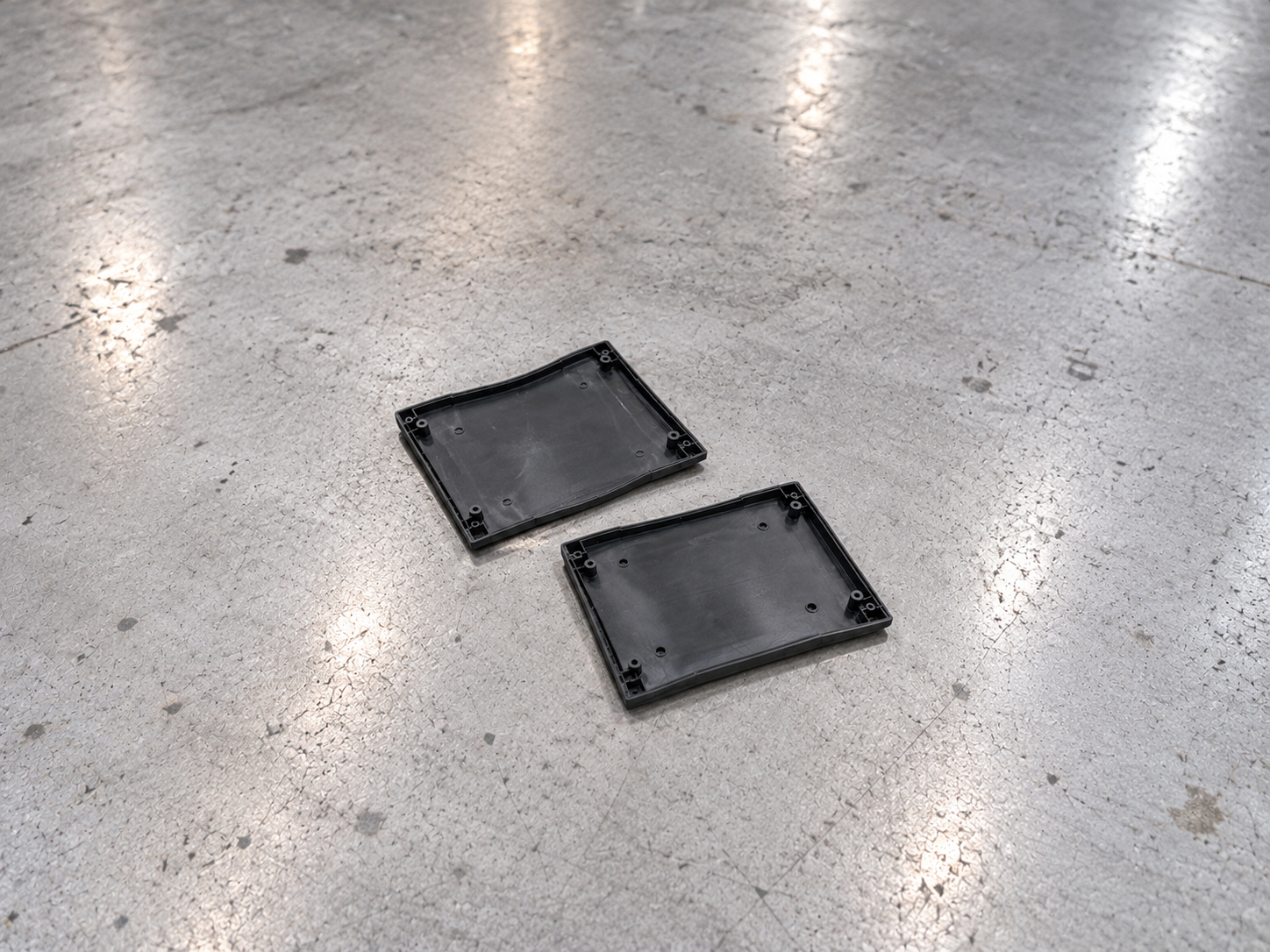
A batch of precision components may return from hardening with bowed faces, shifted bores, or enlarged runout. The immediate question is usually simple: can the parts be machined again, or must the batch be remade?
The answer should not be based only on how far the part moved. A part with 0.10 mm of distortion may be recoverable, while another part with only 0.03 mm of movement may already be unsuitable for rework because its hardened layer, wall thickness, or datum relationship cannot be restored.
First Confirm What Changed
Before choosing rework or replacement, inspect the part in its free state after it has cooled and stabilized.
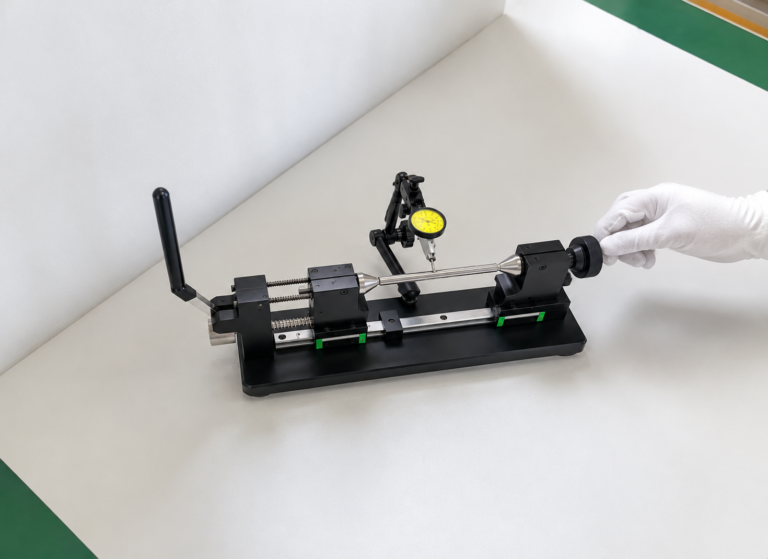
Record the affected dimensions, including flatness, runout, bore size, concentricity, hole position, and profile. Then compare the results with both the drawing and the available machining allowance.
The inspection must also confirm the heat-treatment result. Check hardness, case depth where applicable, surface condition, and any required crack inspection. A dimensional correction is not acceptable if it removes functional case depth, changes a critical temper condition, or hides a crack.
When Rework Is Usually Practical
Rework may be appropriate when all of the following conditions are met:
- Sufficient stock remains on the distorted feature.
- Finish machining or grinding can restore the dimension and geometry.
- The process will not remove a required hardened or treated layer.
- Critical datums can still be re-established accurately.
- The part remains compliant with hardness, surface, and functional requirements after rework.
For example, a hardened shaft with excess diameter may be recoverable by controlled grinding if the final size, runout, and surface finish can still be achieved without reducing the required case depth.
Every rework route should be documented and approved before machining begins. “Removing material until the gauge fits” is not a valid recovery plan.
When a New Part Is the Safer Decision
Remake the part when distortion cannot be removed without changing its required properties or function.
Typical rejection conditions include insufficient stock, severe bowing of thin sections, cracks, nonconforming hardness, inadequate case depth, or movement of a bore pattern that cannot be corrected from the specified datums. Replacement is also often the lower-risk option when the distortion varies significantly across the batch, because the heat-treatment process itself may not be stable.
Do not attempt to force a part straight simply to make it appear acceptable. Mechanical straightening can introduce residual stress, damage the surface, or create later dimensional movement.
Use the Failure to Improve the Next Batch
Heat-treatment distortion is rarely caused by one factor alone. Residual stress from rough machining, unequal wall thickness, unsupported geometry, loading method, quench severity, and insufficient finish allowance can all contribute.
For the next production run, measure key dimensions before and after heat treatment, leave planned finishing stock, and review whether stress relief, controlled quenching, or dedicated fixtures are required.
Conclusion
The decision is not simply “rework or scrap.” It is whether the part can be restored with verified dimensions and unchanged functional properties.
If recovery affects hardness, case depth, crack risk, or critical datum geometry, remanufacturing is usually the more reliable and economical choice.