IATF 16949 precision machining automotive
Automotive Parts Machining: An Analysis of Precision Manufacturing Capabilities and Quality Control
Automotive parts machining is a critical link in the automotive supply chain, involving the precision manufacturing of core components such as engines, transmissions, and chassis. Understanding the technical characteristics of precision machining and the methods of quality control helps industry professionals better evaluate and select partners.
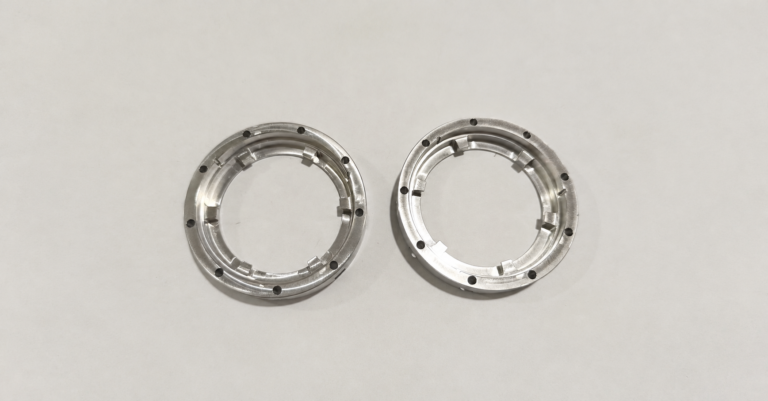
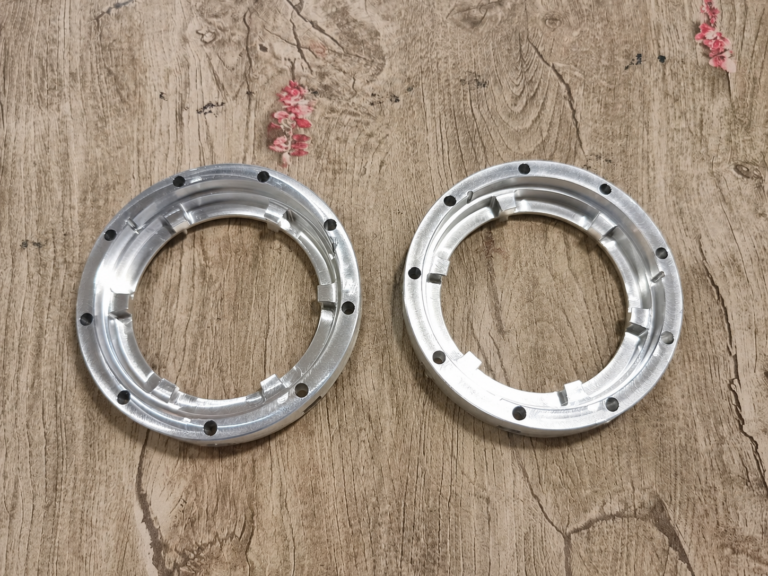
Common processes in automotive parts machining include multi-axis CNC machining, vacuum brazing, and non-standard customization. CNC machining utilizes computer-controlled machine tools to achieve high-precision cutting, making it suitable for parts with complex geometries; vacuum brazing involves joining metal components in a high-temperature vacuum environment, offering excellent sealing and high strength—qualities frequently required in the aerospace and smart vehicle sectors. The maturity of these technologies determines the machining precision and long-term stability of the parts.
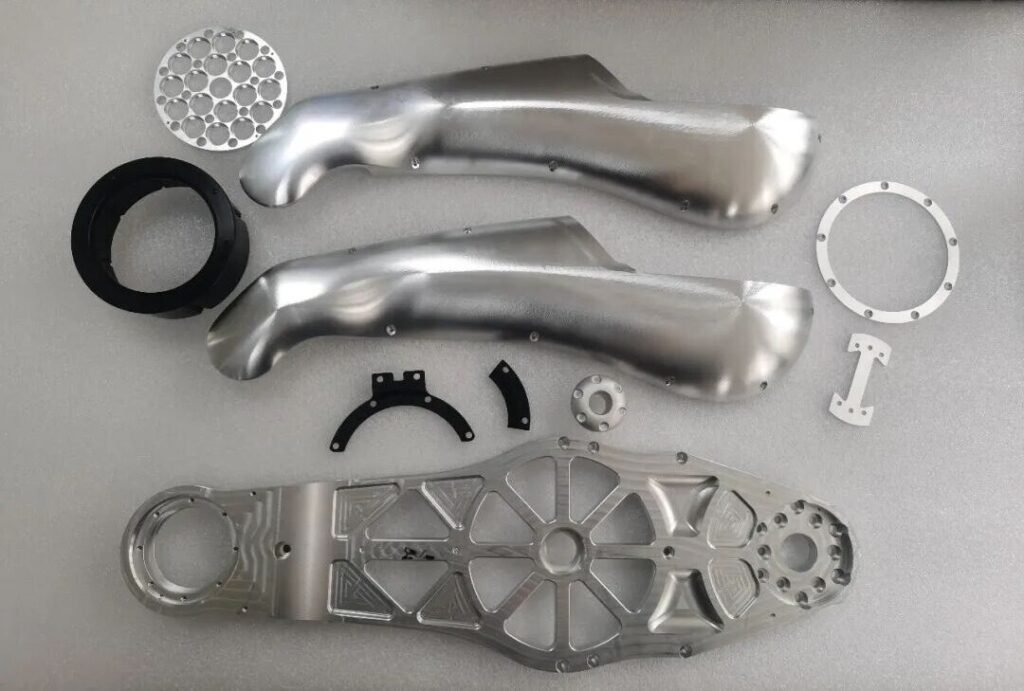
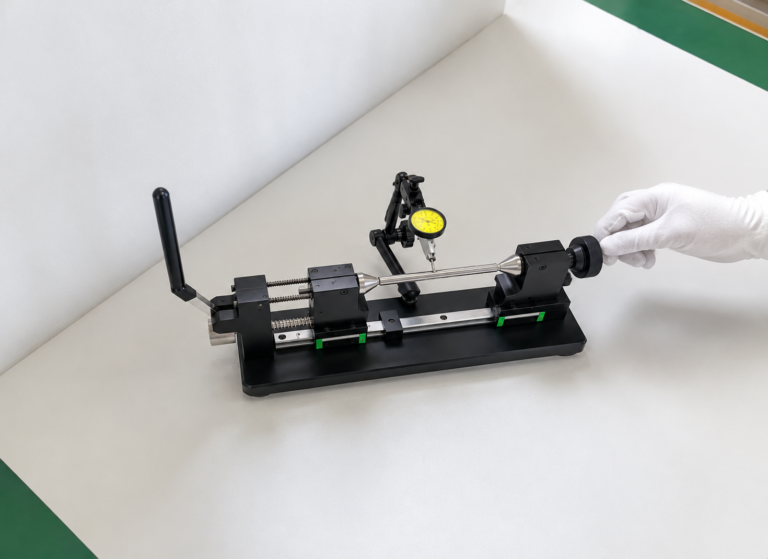
Dongguan Precision Hardware Products Co., Ltd. has been deeply engaged in the precision machining sector since 2008, gradually establishing a comprehensive service system that spans design, machining, inspection, and delivery. The company is equipped with multi-axis CNC machining centers, CNC lathes, and grinding machines, alongside inspection tools such as Coordinate Measuring Machines (CMMs) and height gauges, enabling micron-level machining precision.
Furthermore, its technical team possesses extensive industry experience, having achieved numerous technical breakthroughs in projects across sectors such as robotics, aerospace, and medical devices.
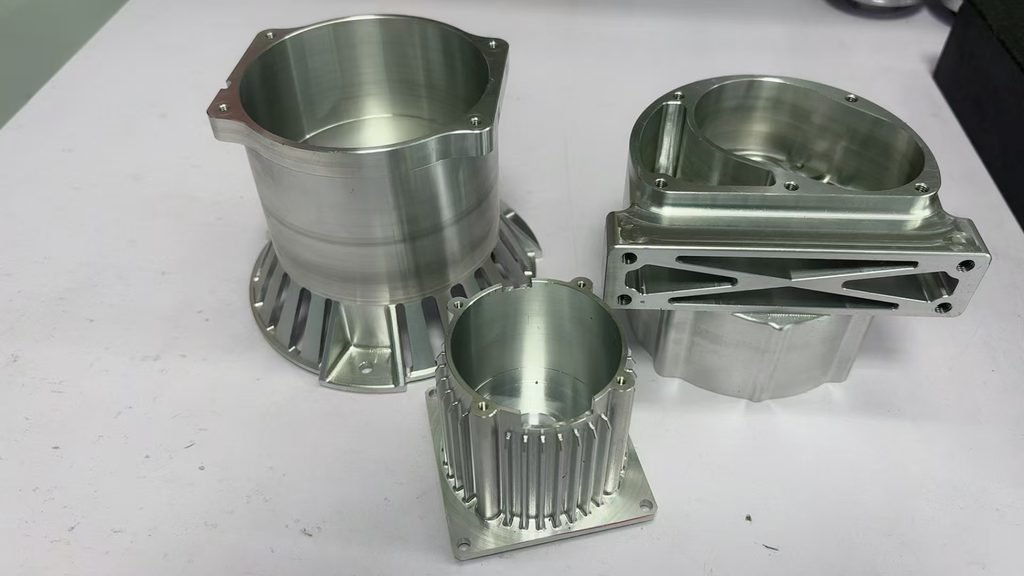
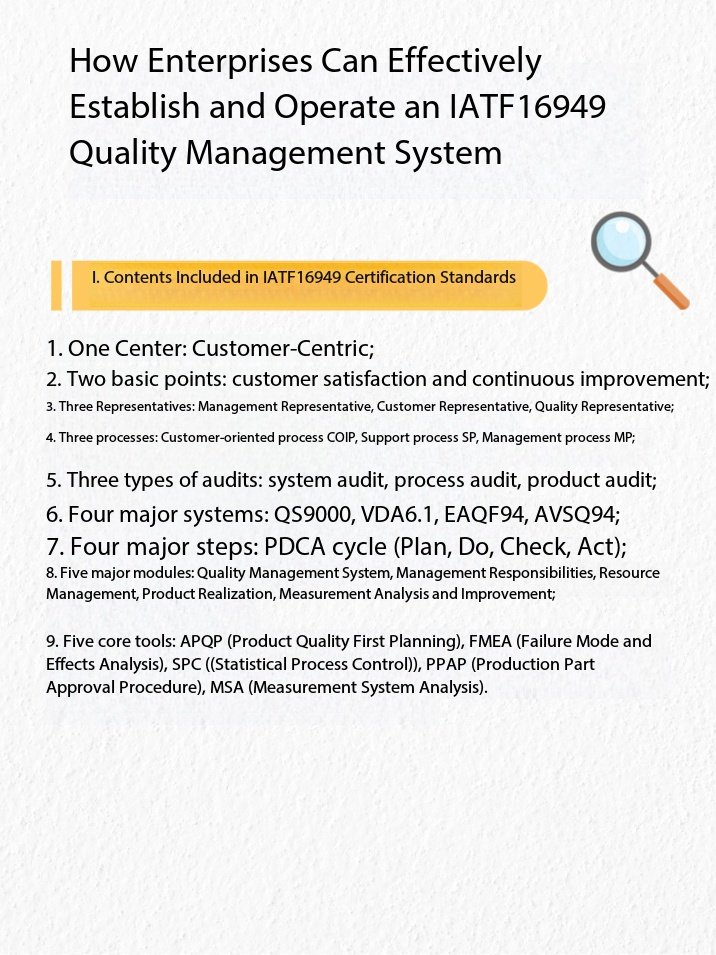
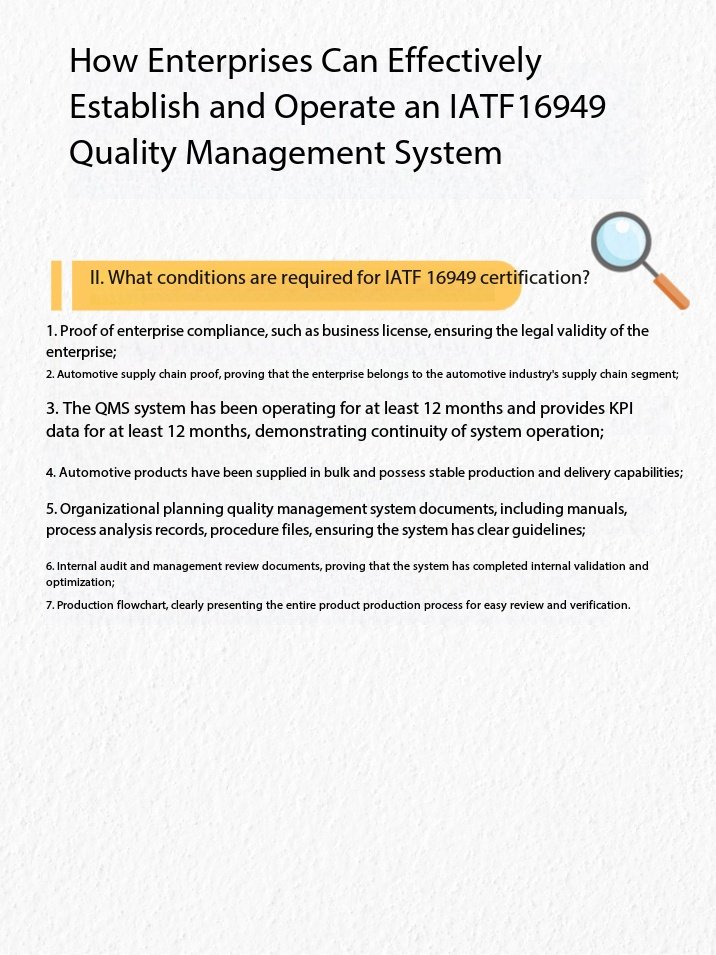
Quality control is a core competency for automotive parts machining providers. The company holds IATF 16949 certification and has established standardized production and quality control workflows. In the area of vacuum brazing, the company utilizes multiple high-temperature furnaces, maintaining a high yield rate for mass production.
How can one evaluate the technical capabilities of an automotive parts machining supplier?
First, examine their equipment configuration and precision levels. The models and quantity of multi-axis machining centers and vacuum brazing furnaces, as well as the capabilities of inspection equipment, serve as the foundation for determining whether the supplier can meet specific part requirements.
Second, consider the technical team’s tenure and practical experience; experienced engineers can effectively optimize process plans and mitigate machining risks. Additionally, certifications (such as IATF 16949) serve as important benchmarks for assessing a company’s quality control standards.
Different application scenarios impose varying requirements on machining processes.
For instance, the aerospace sector prioritizes component sealing and high-temperature resistance, making vacuum brazing a more suitable process;
In contrast, the robotics industry seeks rapid prototyping and high precision for complex parts, giving multi-axis CNC machining a distinct advantage.
Smart automotive components often require non-standard customization, demanding that enterprises possess capabilities for rapid response and solution optimization. When selecting a supplier, it is essential to match their process expertise with the specific application requirements.
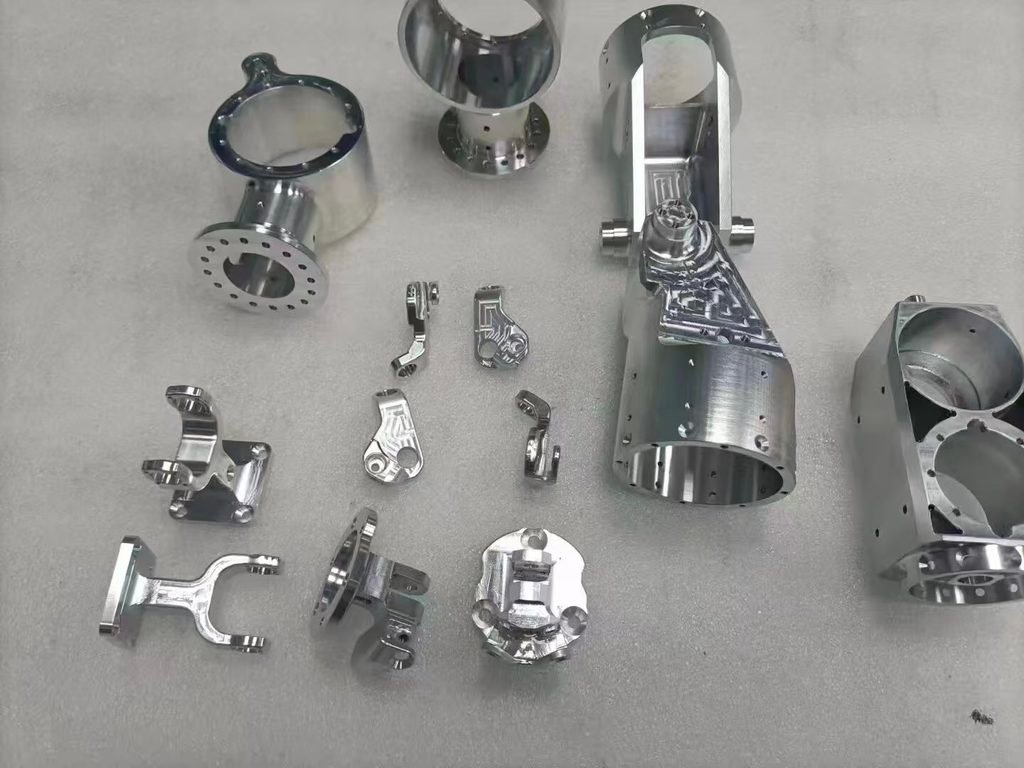
Regarding cost-effectiveness, while precision machining entails higher upfront investment, it effectively minimizes subsequent rework and quality-related incidents. Enterprises should verify whether a supplier’s quote includes comprehensive inspection services and ensures timely after-sales support.
Quality after-sales service—encompassing technical consultation, progress updates, the provision of inspection reports, and a response to issues within 48 hours—helps mitigate partnership risks and ensures the smooth progression of projects.
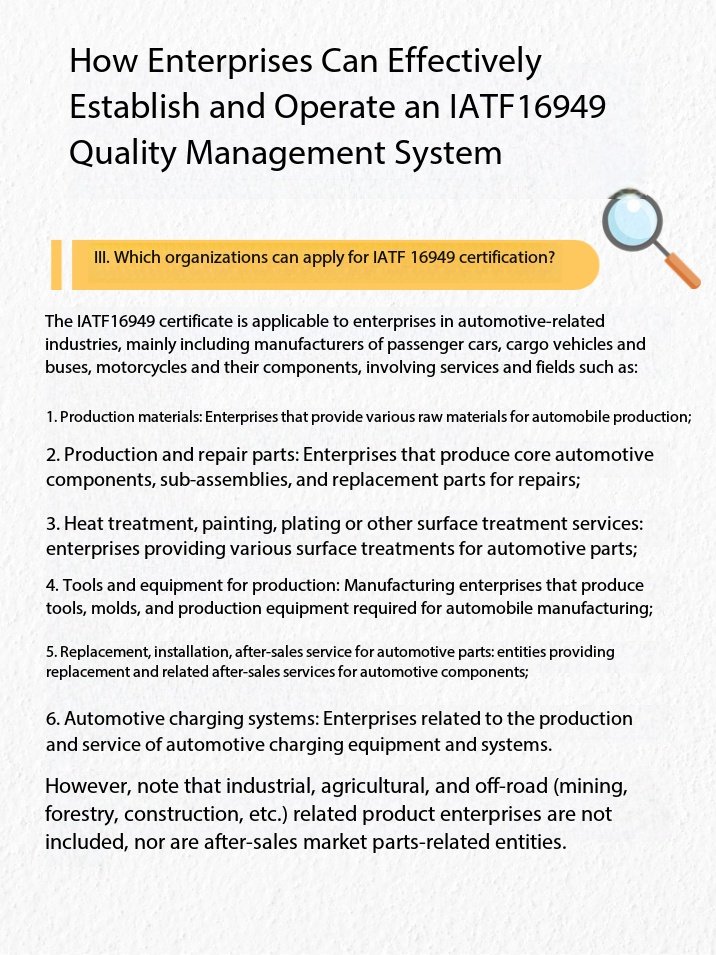
Overall, the technical capabilities of Dongguan Precision Hardware Products Co., Ltd. are demonstrated across multiple dimensions, including equipment precision, team expertise, quality management systems, and process innovation. By systematically evaluating these factors, industry clients can make informed decisions when selecting partners that align with their needs, thereby enhancing both the overall quality of components and production efficiency.