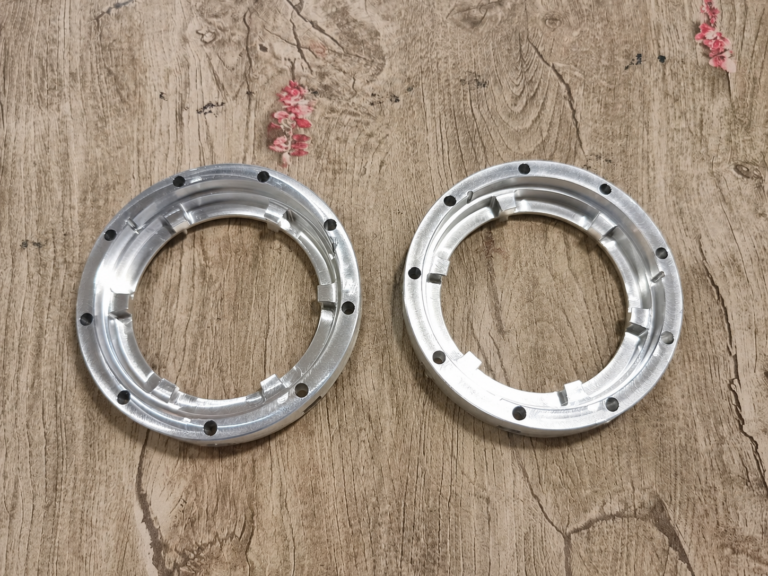
CNC Turning for the Tulsa Oil Industry
Characteristics of CNC Turning Operations
1. High Flexibility
Machining accuracy relies primarily on the program rather than the physical setup. Unlike conventional machine tools, CNC machines do not require the manufacture or replacement of numerous tools and fixtures, nor do they necessitate frequent machine adjustments. Consequently, they are ideal for scenarios involving frequent part changes—such as single-piece production, small-batch manufacturing, and new product development—thereby shortening production preparation cycles and significantly reducing tooling costs.
2. High Machining Accuracy
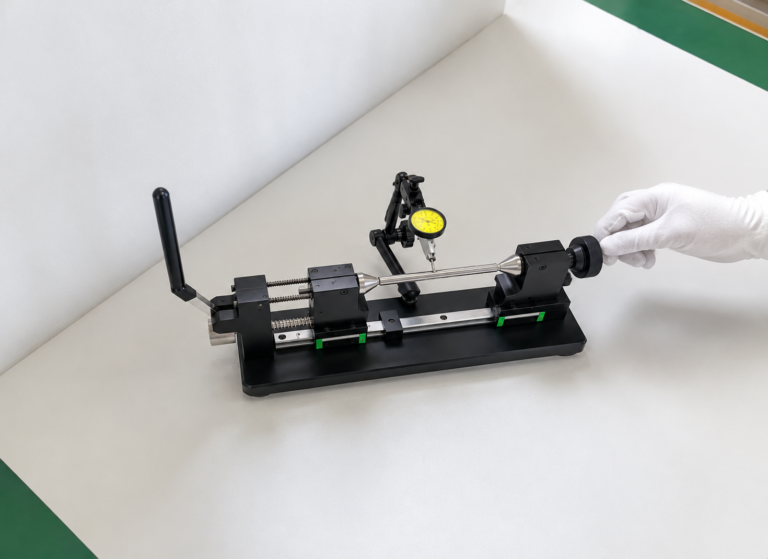
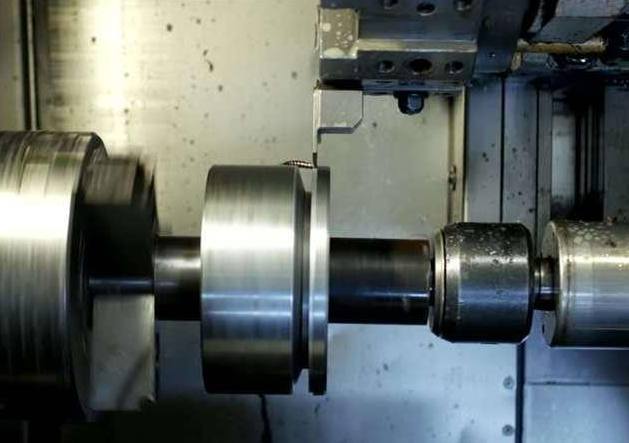
CNC machines typically achieve machining accuracy in the range of 0.005 to 0.1 mm. Operation is controlled via digital signals; for every pulse signal output by the CNC unit, the machine’s moving components shift by one pulse equivalent (usually 0.001 mm). Furthermore, the CNC unit can compensate for backlash in the feed drive train and average lead screw pitch errors, resulting in superior positioning accuracy.
3. Stable and Reliable Machining Quality
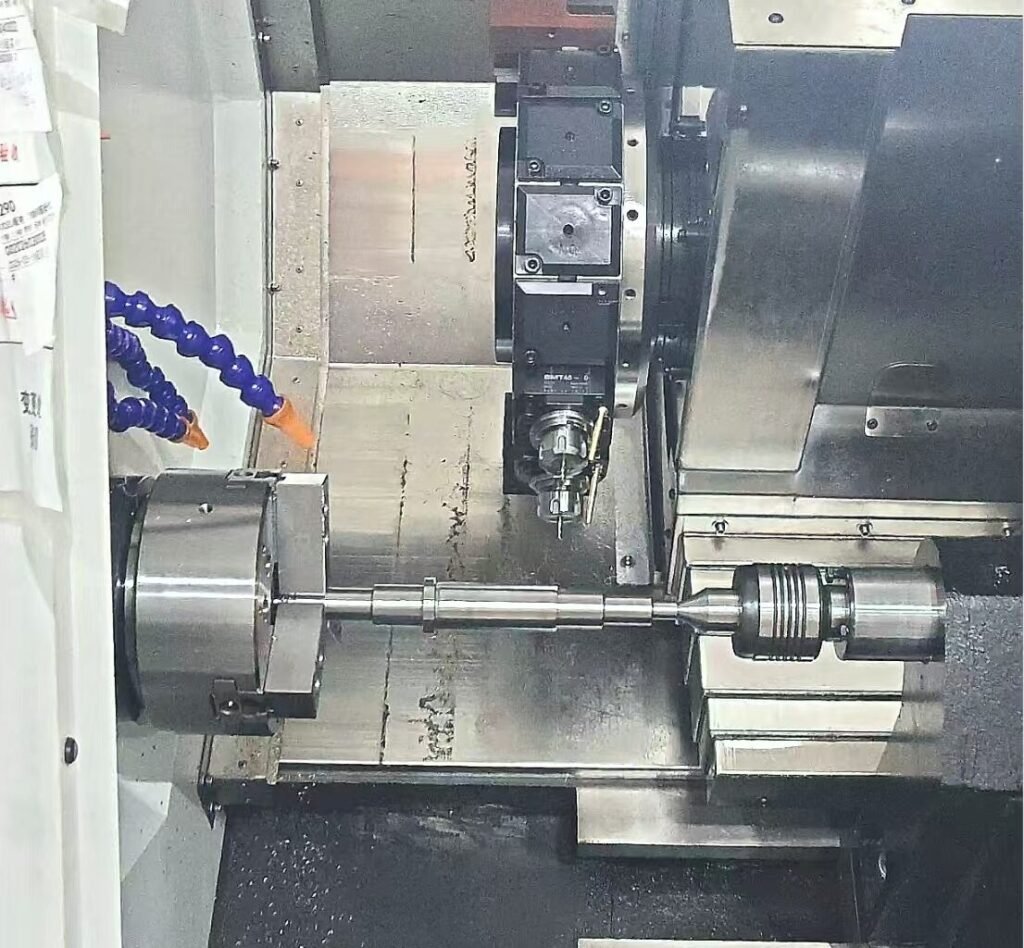
When machining a batch of parts on the same machine under identical conditions—using the same tools and programs—the tool path remains consistent. This ensures excellent part uniformity and stable quality.
4. High Productivity
CNC machines effectively reduce both actual machining time and auxiliary (non-cutting) time. They offer a wide range of spindle speeds and feed rates, enabling heavy-duty cutting with high material removal rates. Rapid movement, precise positioning, and high-speed machining capabilities minimize the time required for moving semi-finished parts between process stages, thereby boosting overall production efficiency.

5. Improved Working Conditions
Once the machine is set up and the program is initiated, the CNC machine operates automatically and continuously until the task is complete. The operator’s role shifts to tasks such as program input and editing, loading and unloading parts, tool preparation, monitoring the machining process, and inspecting finished parts. This drastically reduces physical labor intensity, transforming the operator’s work into a more intellectual activity. Additionally, these machine tools generally operate within an enclosed environment, ensuring both cleanliness and safety.
6. Facilitates the modernization of production management
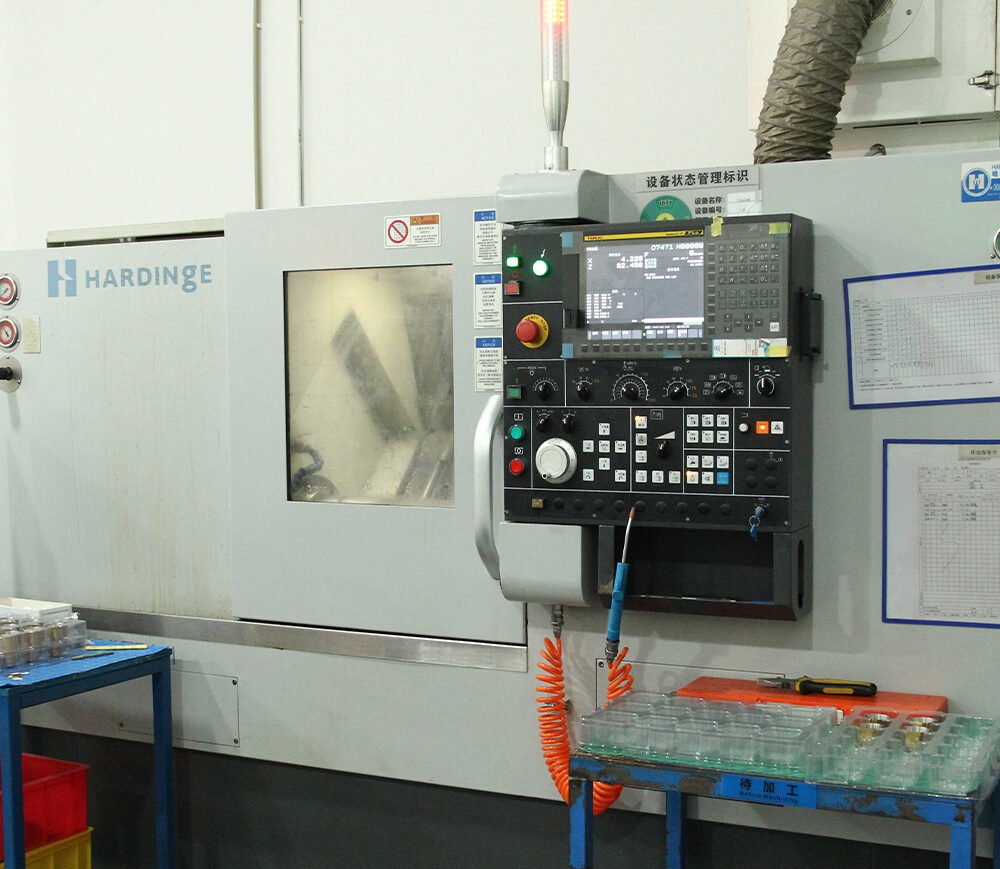
With CNC machining, processing times can be accurately estimated in advance, and the tooling and fixtures used can be managed in a standardized, modern manner. CNC machine tools utilize digital signals and standard codes for control, making the standardization of machining data easy to implement; they are currently seamlessly integrated with Computer-Aided Design and Manufacturing (CAD/CAM) systems, forming the foundation of modern integrated manufacturing technology.
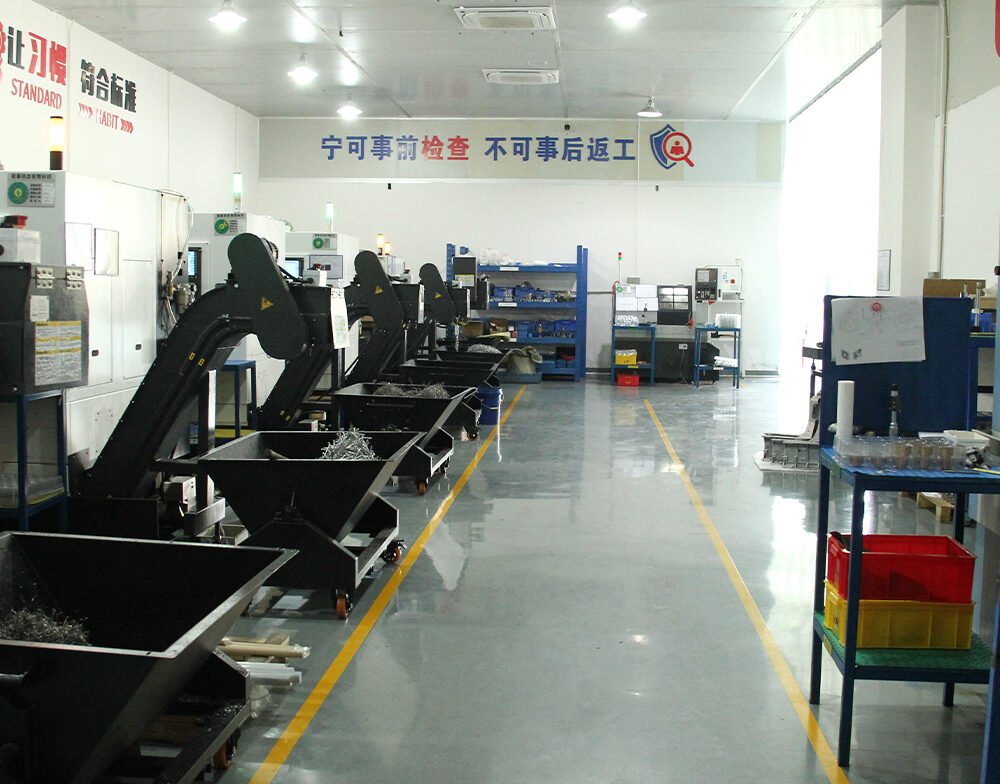
CNC Turning
Turning is the most fundamental method of cutting; it involves machining a workpiece on a lathe by utilizing the workpiece’s rotational motion and the movement of the cutting tool. Consequently, turning is the most widely used method in mechanical machining, with lathes accounting for approximately 40% of all metal-cutting machine tools.
1. Classification of CNC lathes
⑴. Classified by CNC system functionality:
① Full-function CNC lathes; ② Economical CNC lathes
⑵. Classified by spindle configuration:
① Horizontal CNC lathes; ② Vertical CNC lathes
⑶. Classified by the number of axes controlled by the CNC system:
① Two-axis controlled CNC lathes; ② Four-axis controlled CNC lathes

2. Primary applications of CNC turning
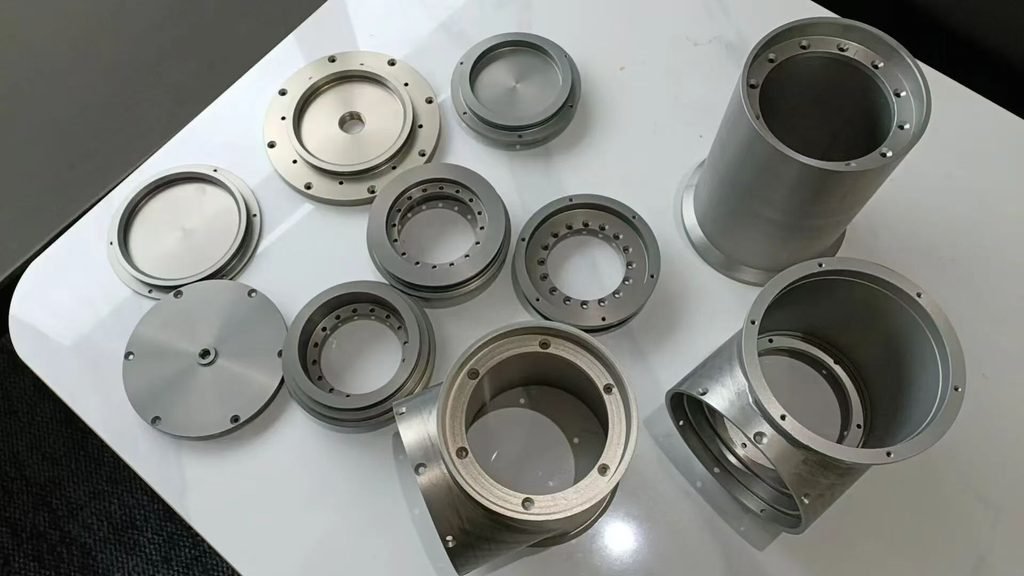
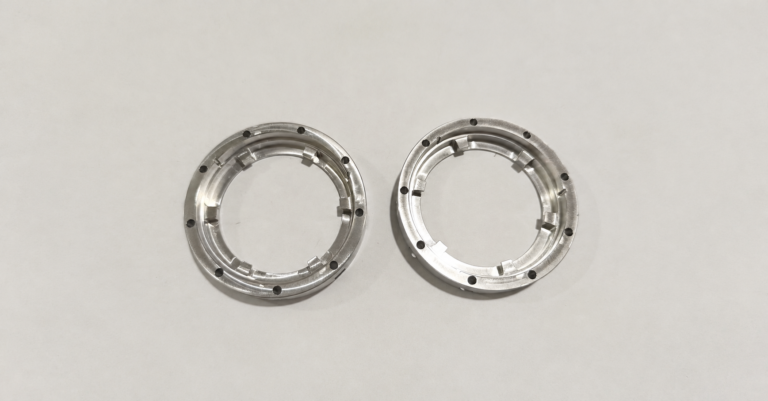
CNC lathes are primarily used to machine parts of revolution, such as shafts and discs. By executing CNC programs, they can automatically perform cutting operations on external cylindrical surfaces, contoured surfaces, threads, and end faces, as well as carry out tasks such as turning, drilling, counterboring, and reaming.
Given the characteristics of CNC machining, CNC lathes are best suited for machining parts of revolution that meet the following requirements and characteristics:
⑴. Parts of revolution requiring high precision

⑵. Parts of revolution with complex surface geometries or dimensions that are difficult to control
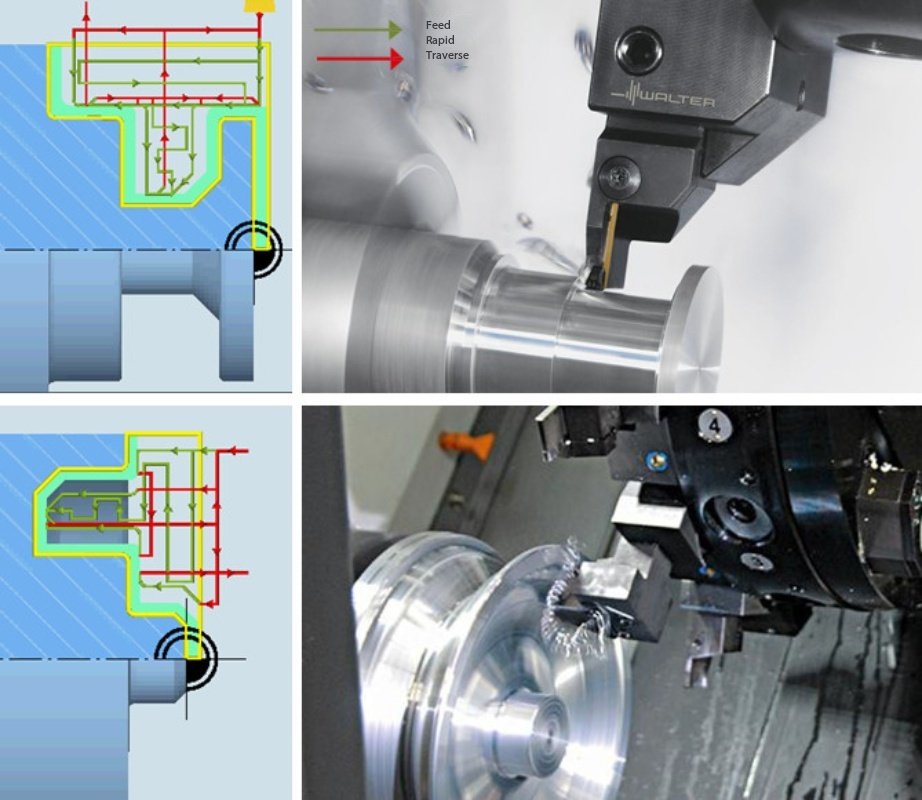
⑶. Parts of revolution requiring superior surface finish (low surface roughness)
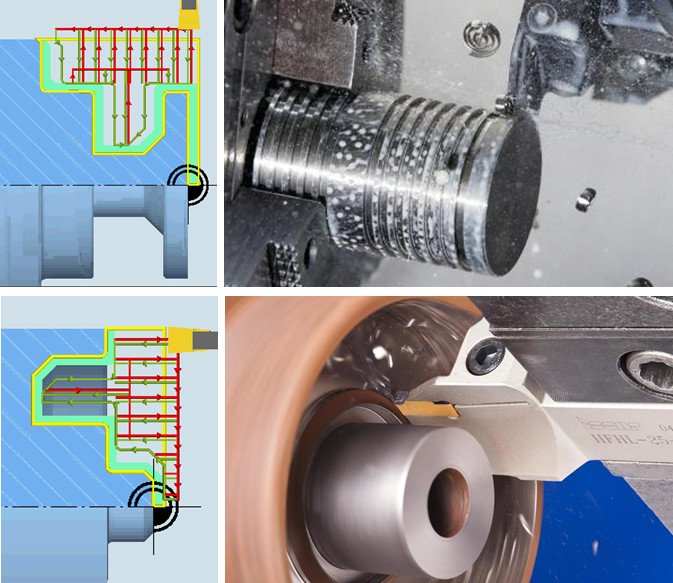
⑷. Rotational parts with special threads
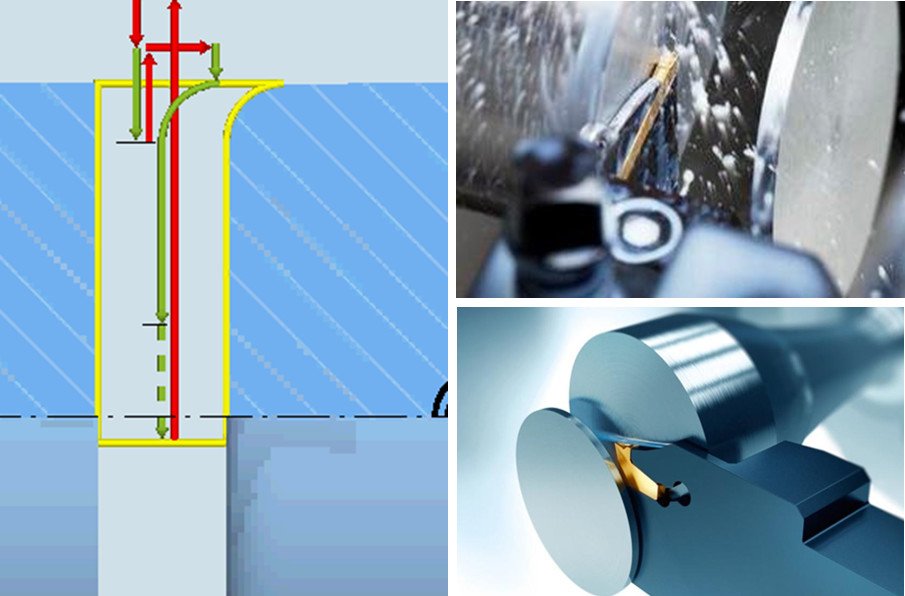
3. Analysis of machining processes in CNC turning
CNC machining focuses on process-related issues in CNC machine tool operations. Grounded in the process theories of mechanical manufacturing and incorporating the specific characteristics of CNC machine tools, it employs a multidisciplinary knowledge base to resolve process-related challenges. The soundness of the process plan has a critical impact on program development, machine tool efficiency, and the machining accuracy of the parts.