CNC Machining for Microscope Stages
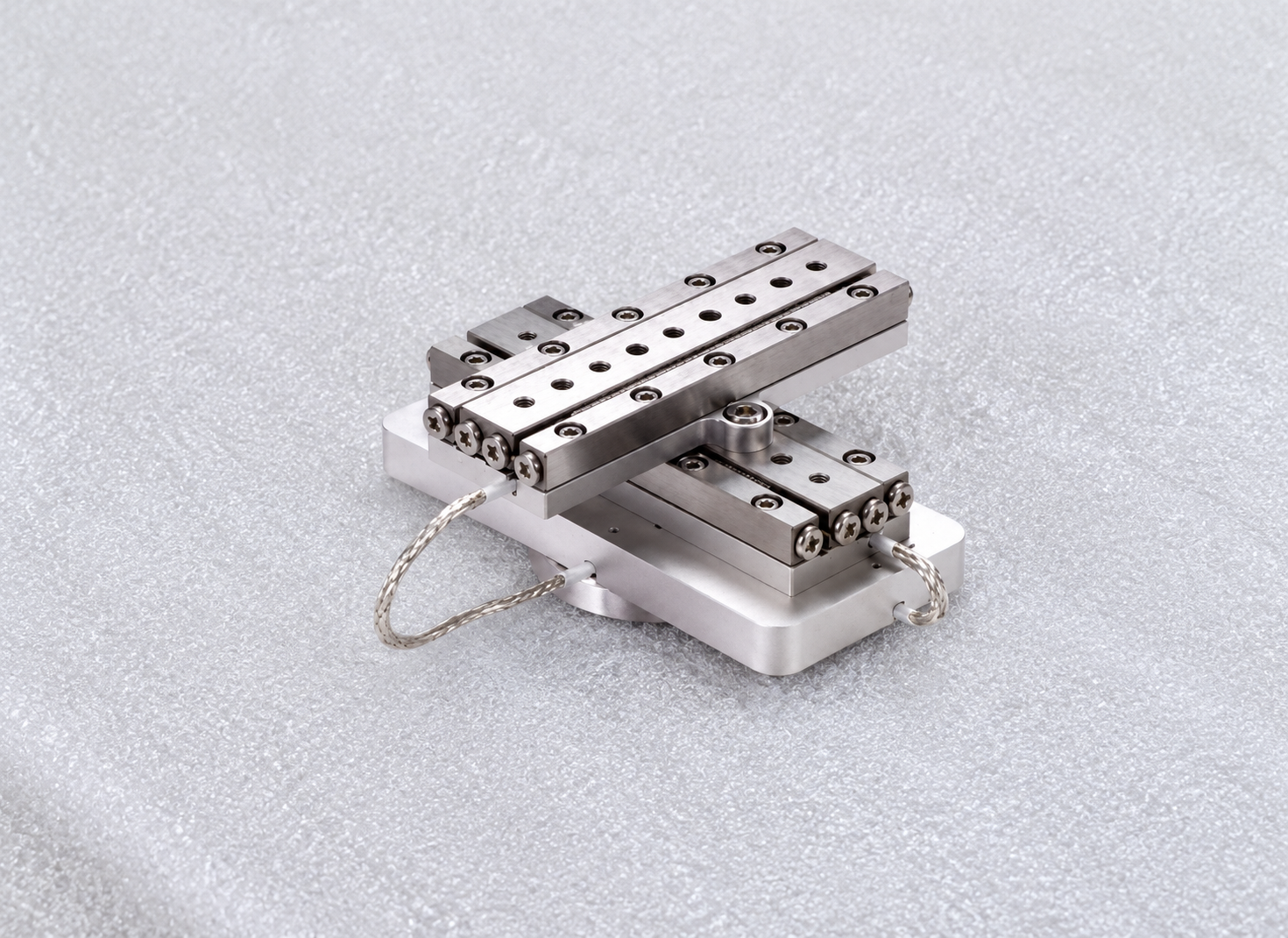
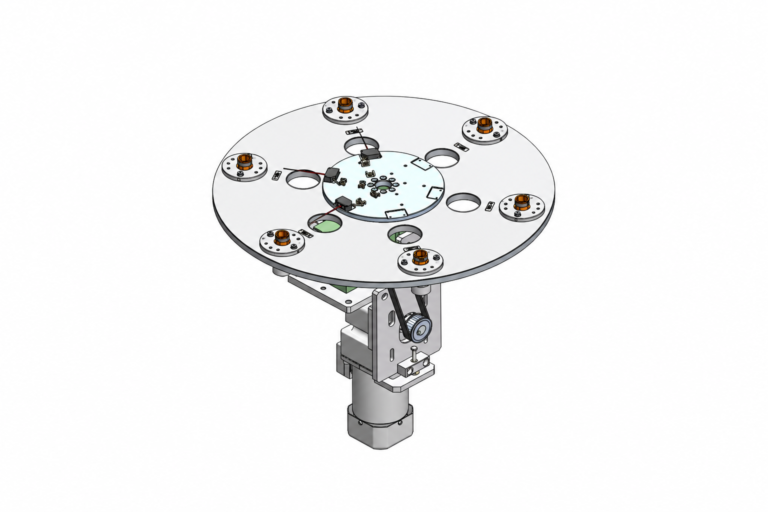
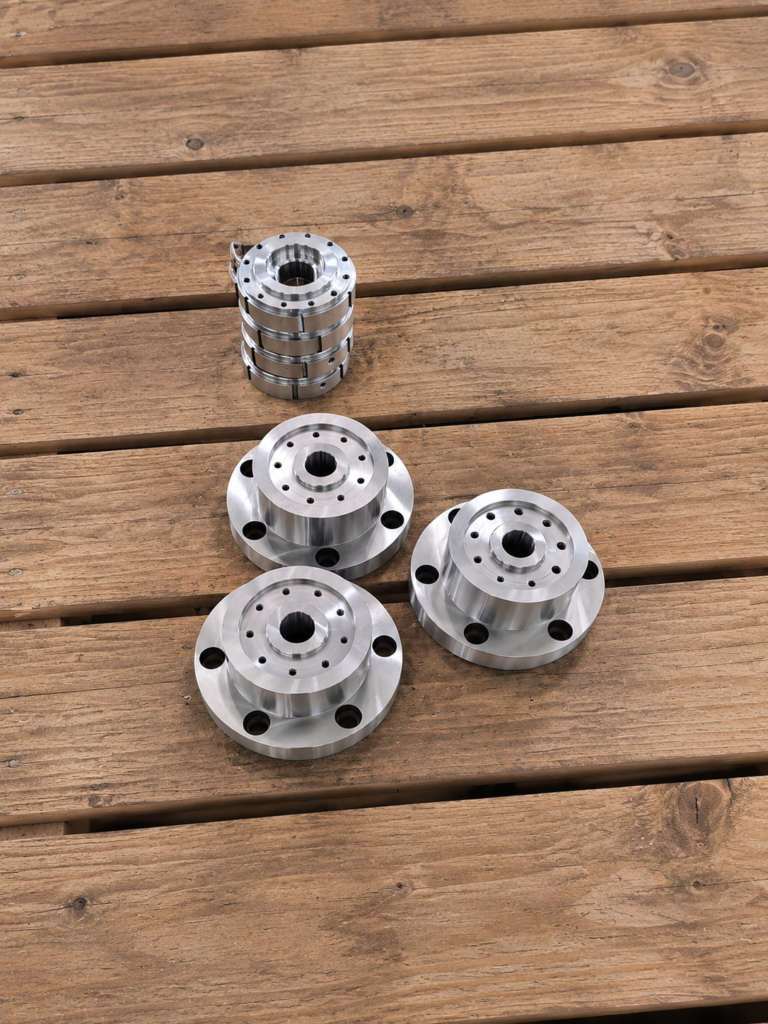
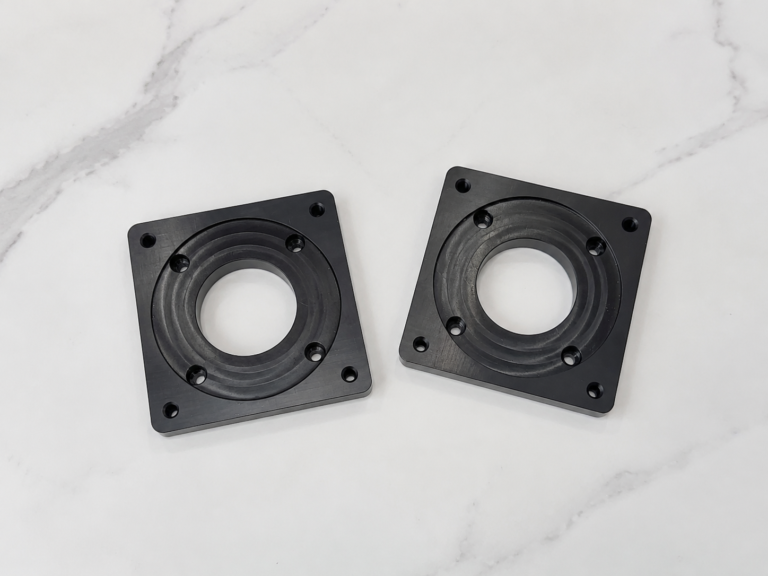
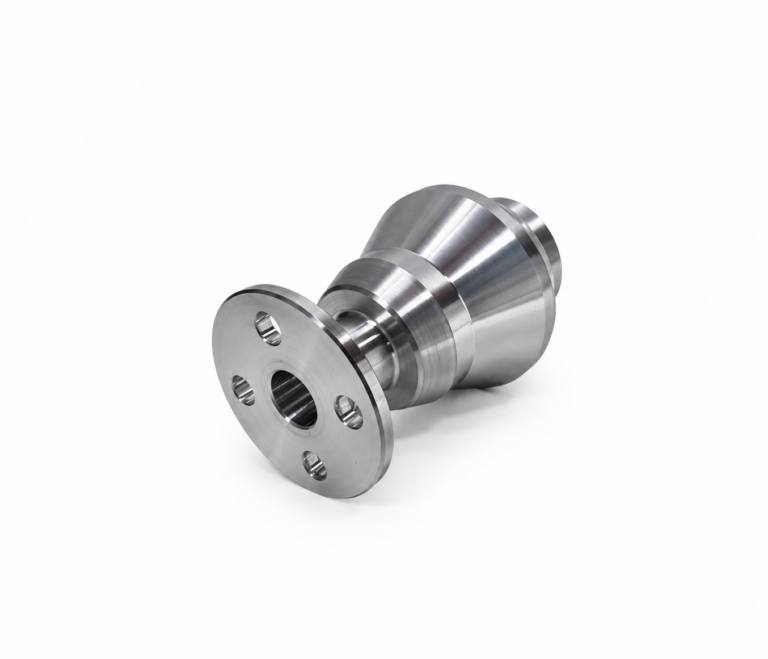
Sample stage CNC machining produces the mechanical platform used to hold and position specimens inside electron microscope equipment. The component may contain a central recess, motion interfaces, mounting holes and angled access features within a compact body.
Unlike a simple fixture plate, a sample stage often combines several machining directions. Multi-axis equipment allows these features to be created while maintaining a common reference.
Divide the Component into Functional Zones
The sample stage can be planned as three connected machining zones. The upper zone contains the specimen recess and clamping features. The lower zone connects with the motion mechanism, while the side zone contains adjustment or mounting interfaces.
Machining these areas independently through unrelated setups may introduce differences between their centerlines. A multi-axis process keeps the critical features referenced to the same part coordinate system.
Establish the Stage Center
The primary mounting face and central locating feature are machined first. These surfaces define the center used for later pockets, circular features and side holes.
A shallow specimen recess may be milled with a flat end mill before smaller clamping slots are produced. If the stage includes a central bore or rotating interface, circular interpolation or precision boring can complete the feature from the same setup.
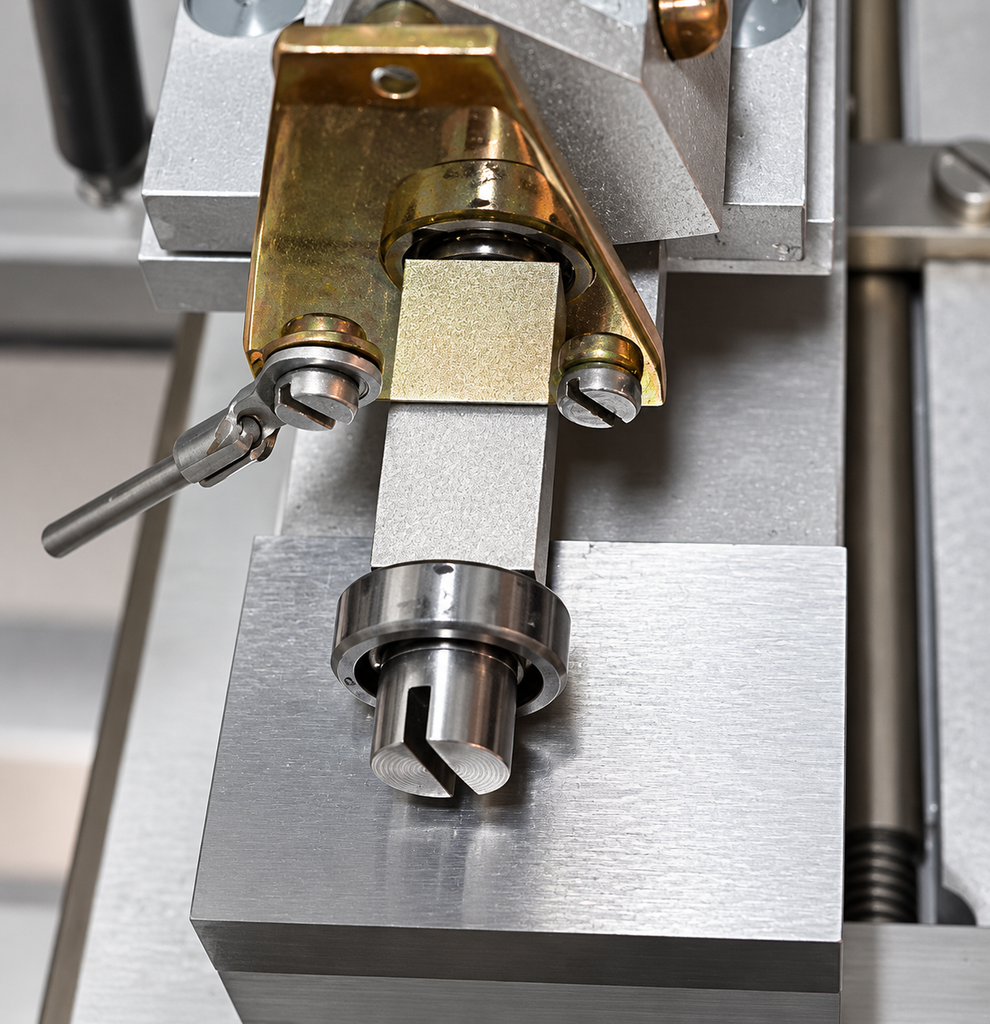
The surrounding structure is retained during roughing to support thinner sections.
Approach the Side Features
After the upper geometry is established, rotary axes position the workpiece for features on adjacent faces. Indexed 3+2-axis machining can produce fixed-angle holes, flats and threaded interfaces.
Simultaneous five-axis motion is used when the component includes curved transitions or access surfaces that require continuous changes in tool orientation.
Tilting the tool can reduce the required cutter length, improving rigidity when machining deep side openings or small internal pockets.
Machine Small Slots and Openings
Sample stages may include narrow slots for retaining clips, adjustment mechanisms or cable clearance. These features require small tools and controlled cutter engagement.
The larger cavities are normally machined first so chips can leave the work area more easily. Small slots and holes are completed later, after the main structure has stabilized.
When a side hole intersects an internal cavity, the feed can be reduced during breakthrough to limit internal burr formation.
Protect the Finished Interfaces
Once a locating face or central bore has been finished, later clamping should not load that surface directly. Soft jaws or dedicated fixture inserts can support the stage without marking its functional interfaces.
Toolpath simulation checks clearance between the spindle, holder, fixture and compact workpiece. This is important when several short features are positioned close together.
Complete the Sample Stage
After machining, recess edges, slots and intersecting holes require controlled deburring. Chips must be removed from small cavities before the part is delivered for assembly.
Reliable sample stage CNC machining depends on establishing the stage center first, maintaining access to each functional zone and completing multi-side features from a consistent reference.