Multi-position Machining of Metering Turntables
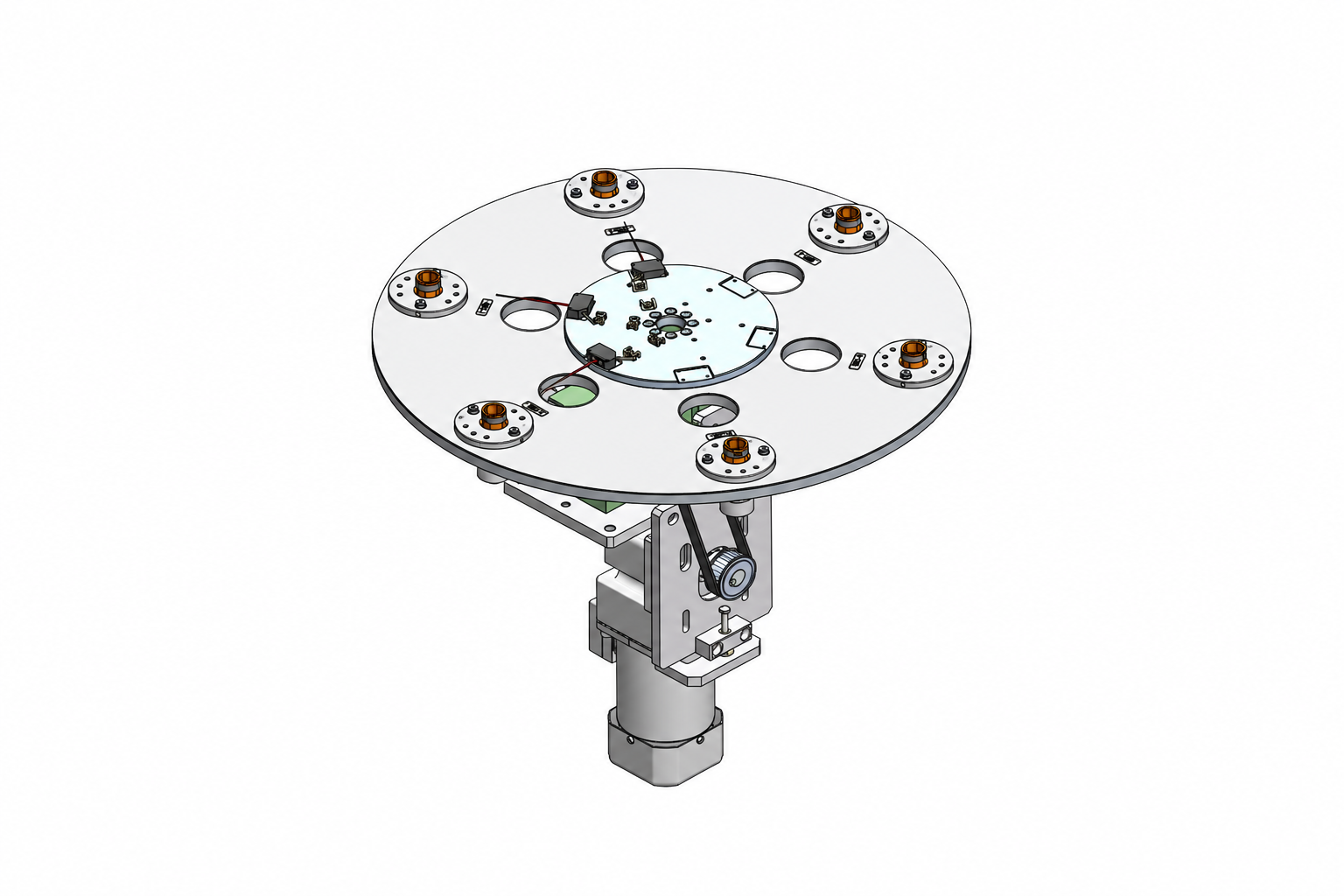
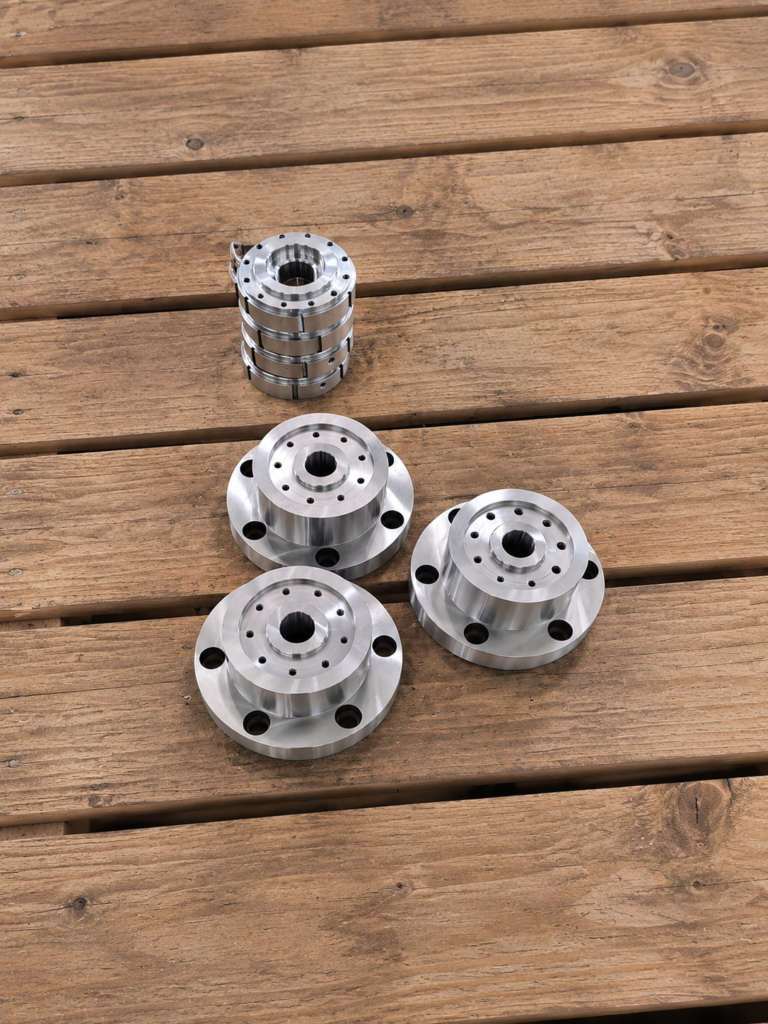
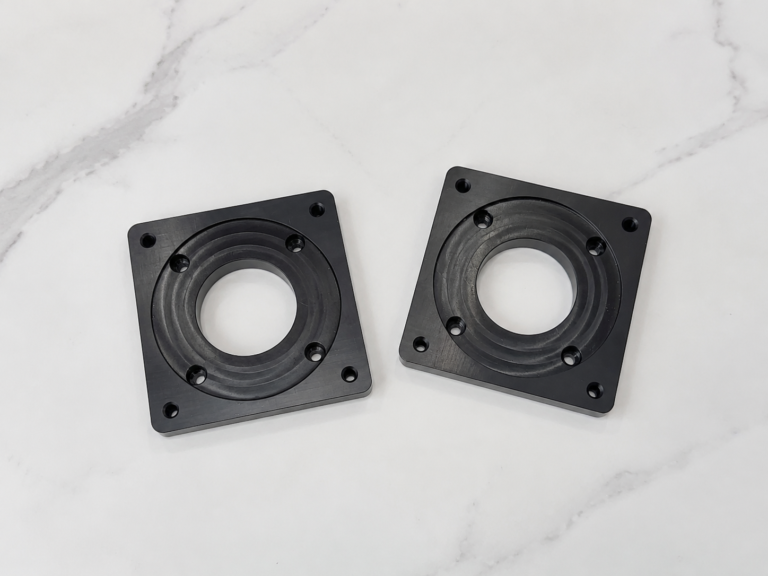
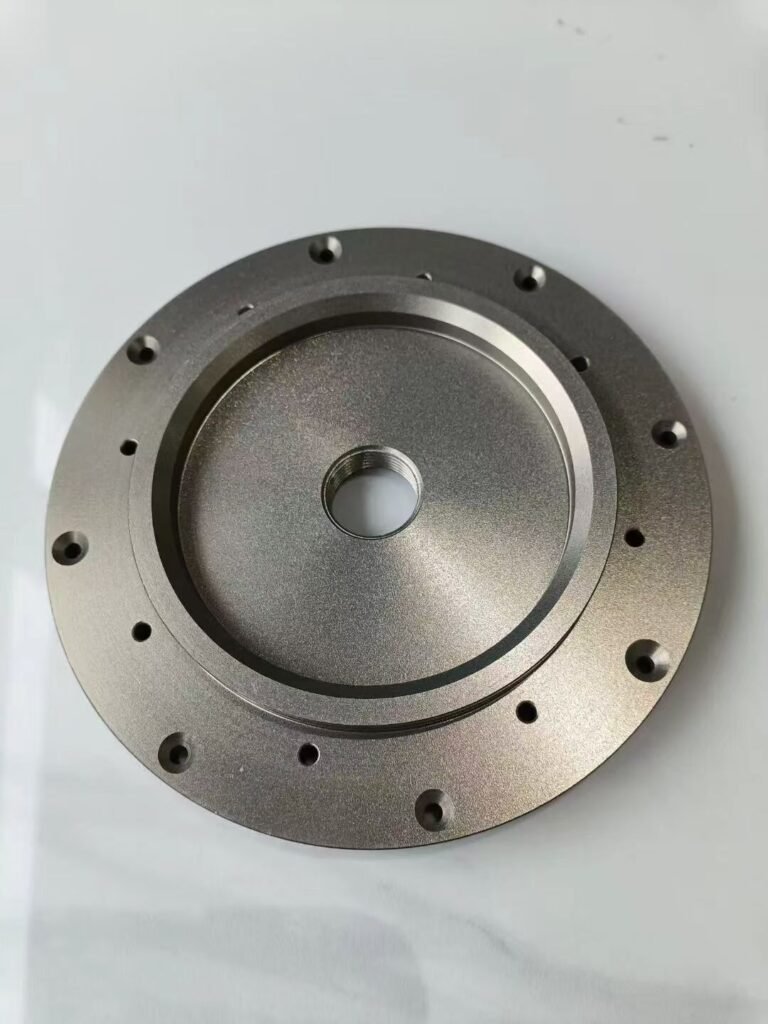
Metering turntable CNC machining produces circular components that position containers, cups or dispensing parts at repeated angular intervals. A typical turntable may contain a central locating bore, multiple station holes, mounting holes and recessed features.
Although the geometry appears repetitive, every station must be machined from the same rotational center. The process therefore begins by establishing the center before producing the circular pattern.
Build the Part Around One Center
The blank is first faced to create a stable reference surface. The outer diameter and central bore are then machined to establish the rotational axis.
When turning equipment is used, these circular features can be completed while the component remains aligned with the spindle. A machining center can also produce the bore through circular interpolation before the hole pattern is introduced.
The finished central bore becomes the main locating reference for later operations.
Convert Station Count into Angular Positions
The CNC program calculates each station from the total number of required positions. A turntable with twelve stations, for example, uses equal angular spacing around the center.
The machine does not locate each hole independently from an outside edge. Instead, every position is calculated from the same center and pitch-circle diameter. This prevents small linear positioning differences from accumulating around the plate.
A rotary table can index the component one station at a time, while a three-axis machining center may produce the complete pattern through programmed X-Y coordinates.
Machine the Station Openings
Large station openings are commonly produced by helical interpolation or circular milling. A smaller tool enters the material and gradually machines the opening to its programmed diameter.
This method reduces the need for a dedicated drill or boring tool for every hole size. It also allows the same cutter to create different circular features within one setup.
If the turntable includes pockets around the openings, rough milling removes the main stock before a finishing pass completes the walls and bottom surfaces.
Separate Functional Hole Groups
Station openings, mounting holes and drive-interface holes serve different purposes and should be programmed as separate feature groups.
The largest openings are normally machined first while the plate retains more rigidity. Smaller bolt holes, dowel holes and threaded features are completed afterward.
Where holes are located on both sides, the central bore or previously machined locating features can be used to establish the second setup.
Support the Plate During Machining
A large circular plate may flex if it is clamped only near its outer edge. The fixture should support the underside close to the active cutting area while leaving clearance for through-holes.
Cutting forces should be distributed around the component rather than concentrated in one region. Balanced operation order helps reduce local movement as material is removed.
After machining, hole edges and recessed areas are deburred and cleaned. Reliable metering turntable CNC machining depends on a stable center reference, accurate angular indexing and a hole sequence planned around plate support.