Why Is Swiss Machining Ideal for Small Parts?
Swiss Machining for Small Parts
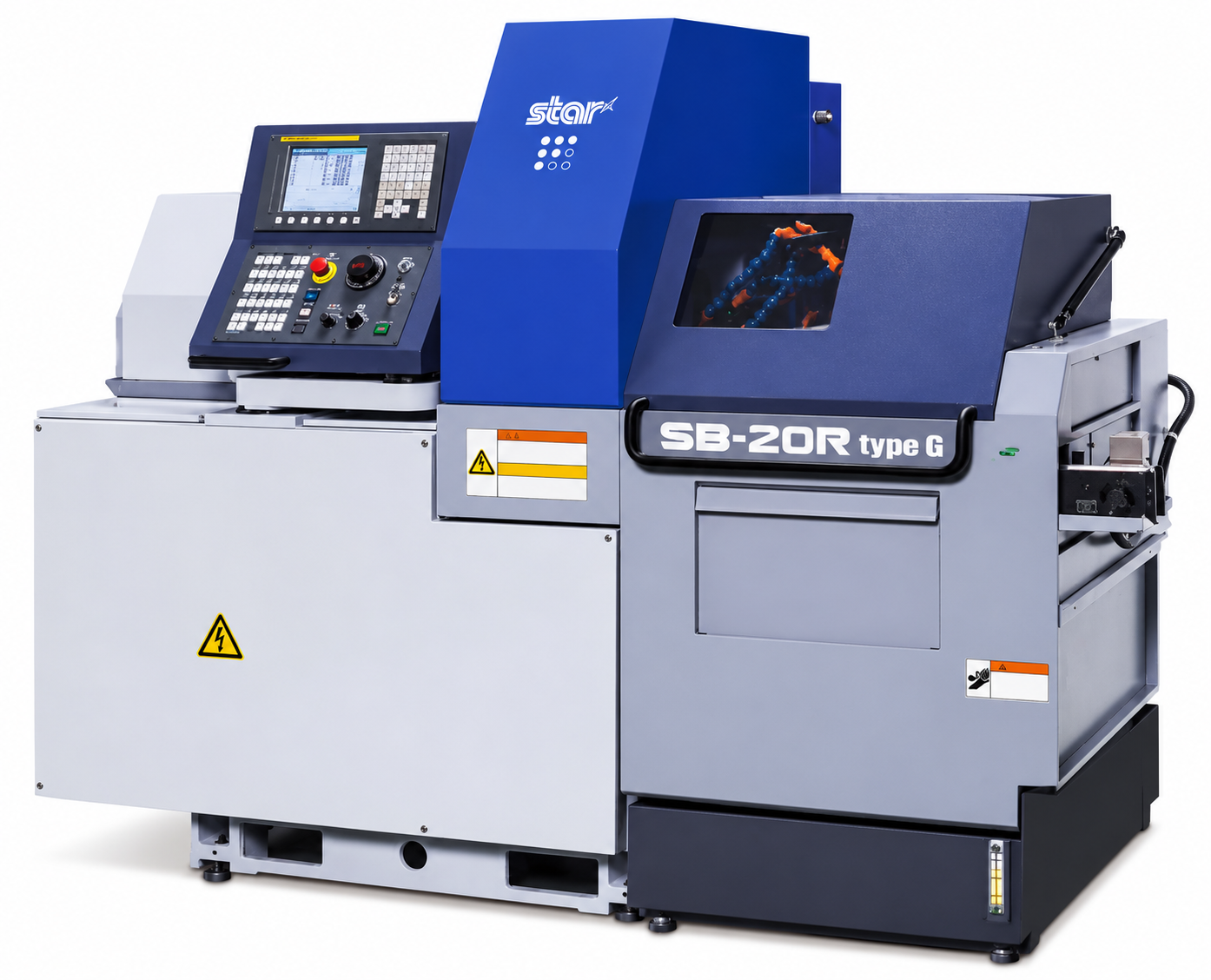
Swiss machining for small parts is based on a sliding-headstock lathe that feeds bar stock through a guide bushing.
Unlike a conventional CNC lathe, the workpiece moves along the Z-axis while the cutting tool operates close to the support point. This machine structure is particularly effective for components with small diameters, long profiles and multiple machined features.
How Does a Swiss-Type Machine Work?
Bar stock is loaded through an automatic bar feeder and passes through the machine spindle. A guide bushing supports the bar near the cutting area.
During machining, the headstock moves the bar forward and backward while stationary or powered tools perform turning, drilling, milling and threading operations.
Many Swiss machines also include a sub-spindle. After the main features are completed, the sub-spindle receives the component and machines its rear side before the finished part is released.
Why Is the Guide Bushing Important?
Small-diameter parts can bend or vibrate when the cutting tool applies force far from the spindle.
The guide bushing supports the bar close to the cutting zone, reducing the unsupported length of the workpiece. This helps maintain stable cutting conditions when machining slender shafts, pins and other narrow components.
Because the support point moves with the machining area, longer features can be produced without exposing a large section of unsupported bar stock.
Machine Features and Production Effects
| Machine feature | Production effect |
|---|---|
| Sliding headstock | Feeds the bar through the cutting zone |
| Guide bushing | Supports small and slender workpieces |
| Automatic bar feeder | Enables continuous production from bar stock |
| Live tooling | Adds drilling and milling operations |
| Sub-spindle | Machines the rear side of the component |
| Multiple tool stations | Reduces transfers between separate machines |
These functions allow a Swiss-type machine to complete several operations within one production cycle.
Which Small Parts Use Swiss Machining?
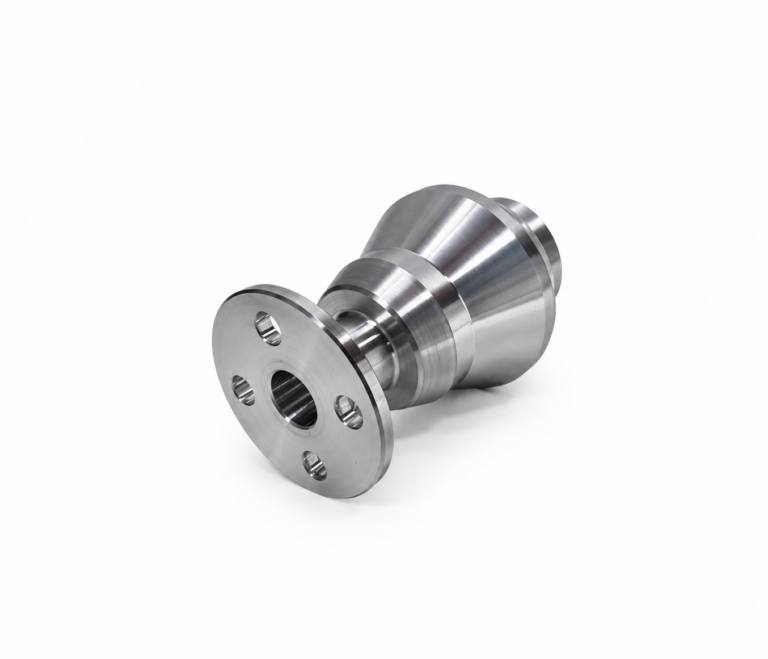
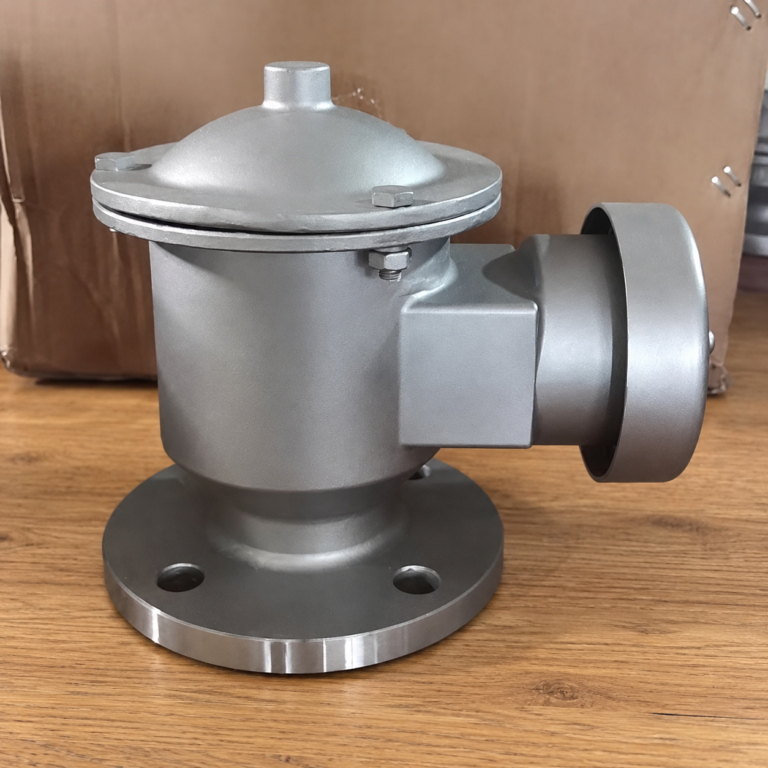
Swiss machining is commonly used for connector pins, miniature shafts, threaded fasteners, sensor components, valve parts, bushings and small electronic or medical device components.
It is particularly suitable when a part combines a turned diameter with cross holes, flats, slots, threads or rear-side features.
Simple short components may be produced effectively on a conventional CNC lathe. Swiss machining becomes more valuable as the component becomes smaller, longer or more complex.
Why Is It Efficient for Batch Production?
The automatic bar feeder supplies material continuously, reducing manual loading between parts.
Once the CNC program and tool setup are established, the machine can repeat the production cycle with limited operator intervention. Finished components can be collected automatically while the remaining bar advances into position.
Combining turning, drilling, milling and rear-side machining also reduces the need to transfer partially completed parts between machines.
What Affects Swiss Machining Cost?
Cost depends on component complexity, number of tools, cycle time, bar diameter, setup requirements and order quantity.
Programming and setup account for a significant portion of the first production run. For repeat or batch orders, these initial costs are distributed across more components.
A complex small part may be more economical on a Swiss machine when one production cycle replaces several separate operations.
What Is Needed for a Quote?
Customers should provide a STEP model and technical drawing when available. The supplier also needs the part revision, bar diameter information, required quantity, delivery date and shipping destination.
The files allow the machining team to determine whether the component is suitable for guide-bushing support and whether rear-side or live-tool operations are required.
Conclusion
Swiss machining is suitable for small parts because the guide bushing supports the workpiece close to the cutting area.
Combined with a sliding headstock, automatic bar feeding, live tooling and a sub-spindle, the process can manufacture complex small components within a continuous production cycle.