Machining Dense Features in Power Module Heat Sink Bases
Power Module Heat Sink CNC Machining
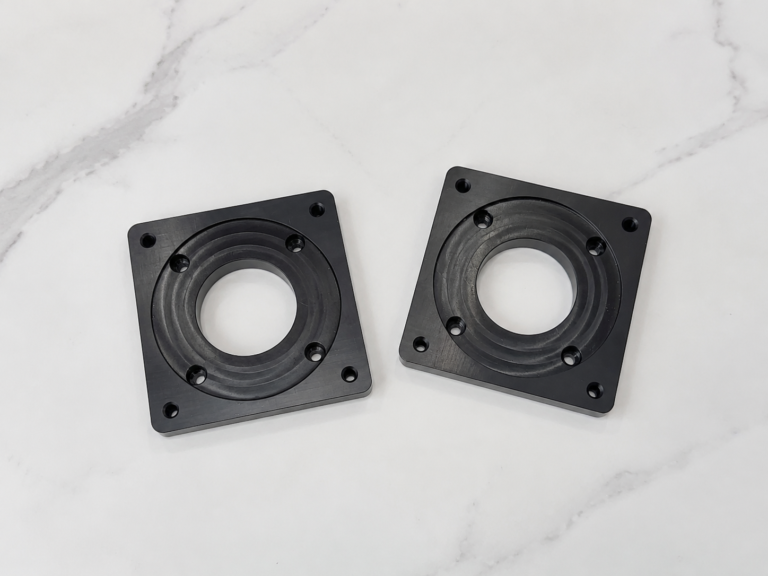
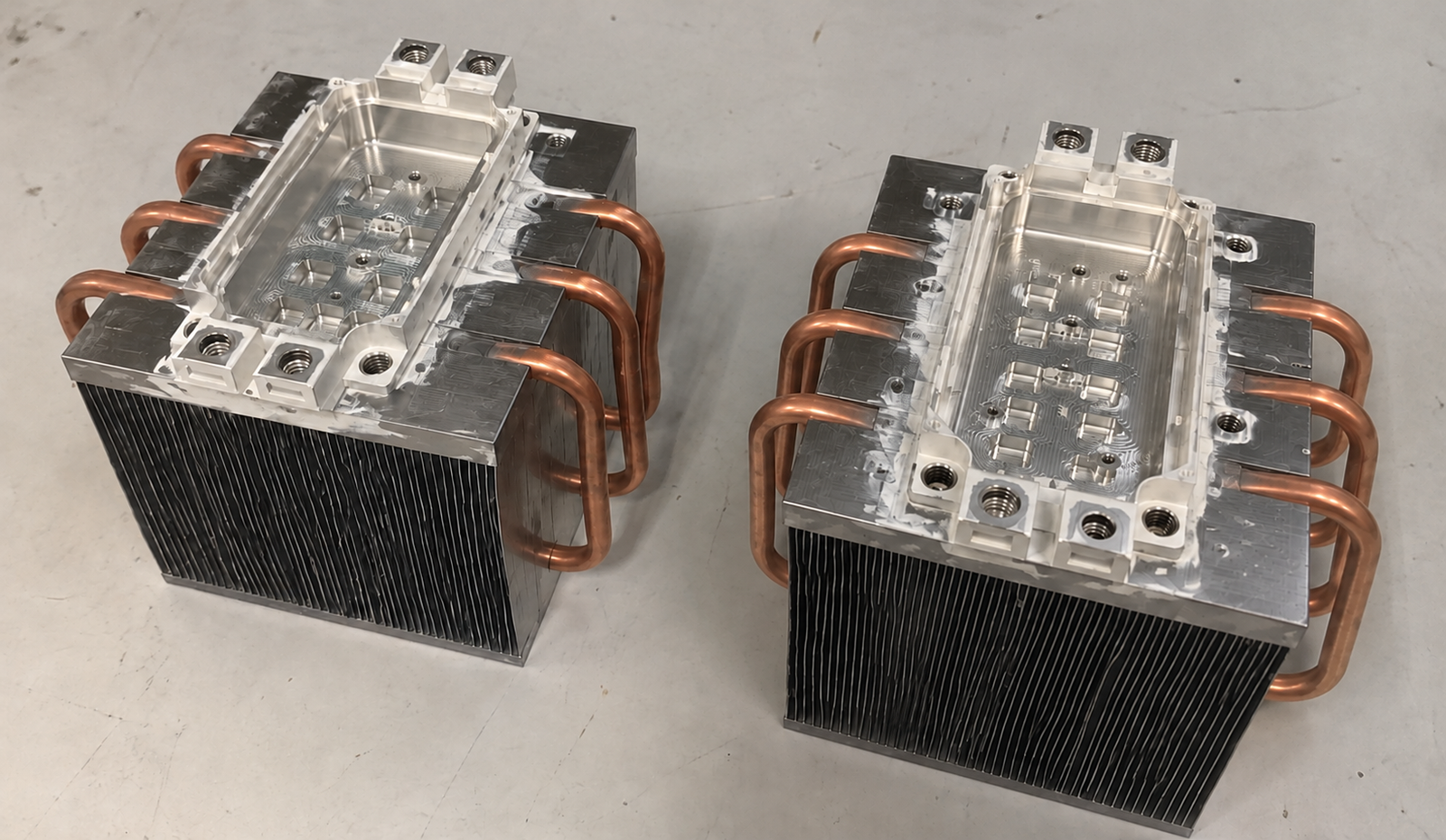
Power module heat sink CNC machining is used to produce bases with closely spaced channels, pockets and mounting features.
These components are commonly used in power converters, motor drives, charging systems and industrial electronic equipment.
Common Machined Features
A power module heat sink base may include:
- Dense cooling channels
- Electronic module pockets
- Mounting surfaces
- Threaded holes
- Connector openings
- Internal flow passages
- Equipment mounting points
The spacing and depth of these features affect tool selection and machining sequence.
Machining Process
Production begins with a 3D CAD model and technical drawing. CAM software creates toolpaths for face milling, pocket machining, slot milling, drilling and threading.
Face milling establishes the main working surface. Larger tools remove material from open pockets before smaller tools machine narrow channels and detailed areas.
Closely spaced features require short, rigid cutting tools whenever possible. This helps maintain stable cutting conditions and reduces vibration during deep or narrow machining.
Multi-Side Operations
Side ports, connector openings or internal passages may require additional setups.
Four-axis or five-axis machining can provide access to several faces without repeatedly removing the component from its fixture. For simpler bases, separate three-axis operations may be more economical.
Controlling Production Time
Dense features can increase cycle time because small tools remove material more slowly.
Optimized toolpaths are used to reduce unnecessary movements and maintain consistent tool engagement. Automatic tool changes allow the machine to move efficiently between face milling, pocketing, drilling and threading.
For repeat production, dedicated fixtures can reduce loading and setup time.
Information Needed for a Quote
Customers should provide a STEP model, technical drawing, overall dimensions, revision number, quantity and delivery requirements.
The supplier uses this information to evaluate feature access, machine capacity, fixture requirements and estimated cycle time.
Conclusion
Power module heat sink CNC machining requires stable workholding, suitable tool selection and an efficient sequence of milling, drilling and multi-side operations.
A planned machining route supports prototypes, replacement components and small production batches.