Dimensional Control in PEEK Insulating Components
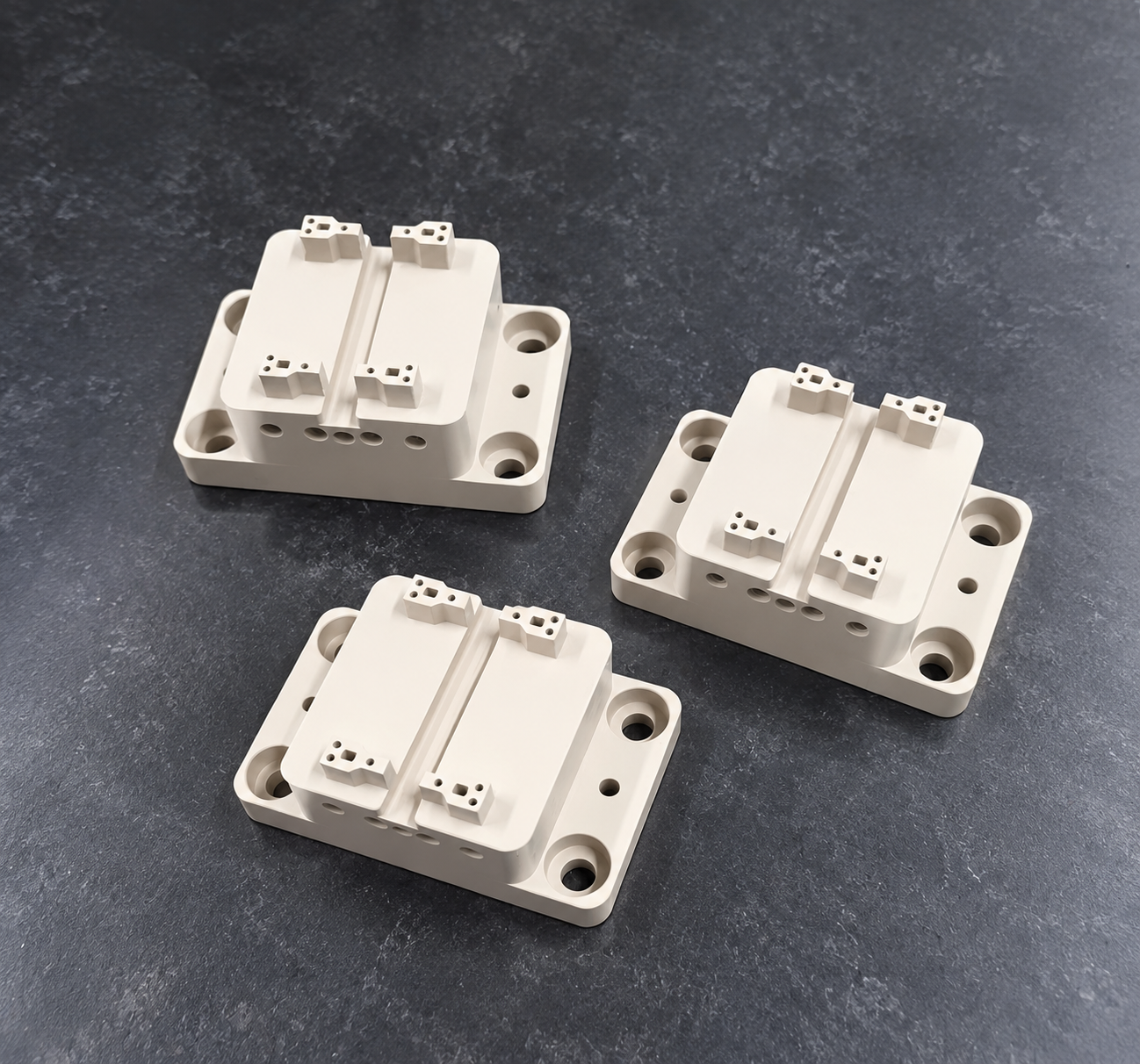
PEEK CNC machining requires careful control of cutting heat, clamping force, and burr formation to maintain dimensional accuracy.The challenge in this project was not creating a complex shape. It was maintaining accuracy in a material that reacts differently from metal.
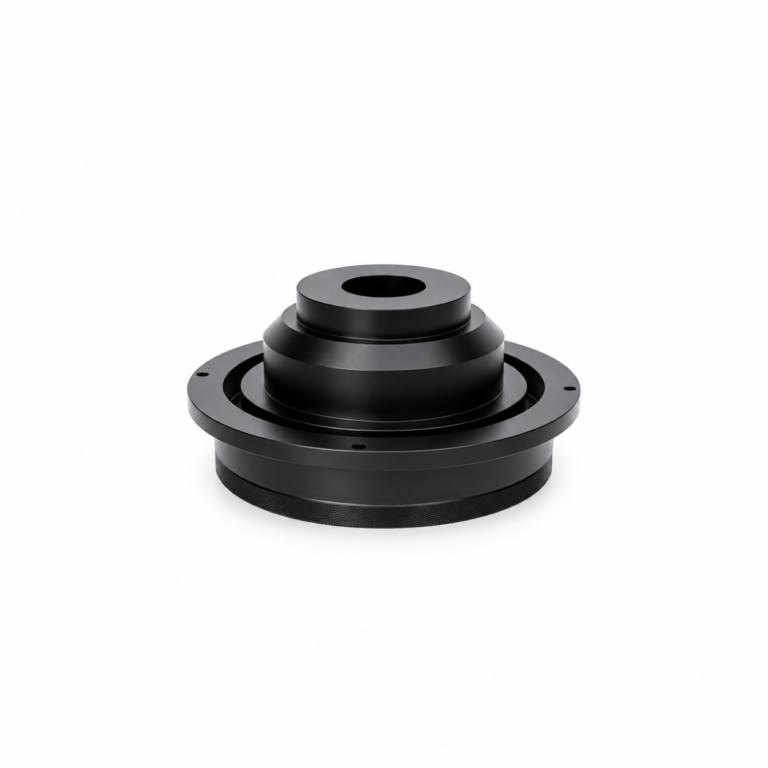
The customer required a PEEK insulating component for use in medical or electronic equipment. The part needed stable dimensions, clean edges, and an undamaged insulating structure.
The Material Defined the Process
PEEK offers strong electrical insulation, chemical resistance, and mechanical performance. However, its low thermal conductivity allows heat to remain near the cutting area.
If machining heat is not controlled, the material may expand during production and change size after cooling. Excessive cutting pressure can also bend the part or affect thin features.
For this reason, the machining strategy was developed around temperature and force control.
Cutting Without Excess Heat
Sharp cutting tools were selected to cut the material cleanly rather than push or tear it.
Cutting speed, feed, and depth were balanced to reduce heat buildup while maintaining efficient chip removal. Tools were checked regularly because worn edges could increase friction and leave poor surface quality.
Machining was divided into controlled stages. Sufficient material remained after roughing so the component could stabilize before its critical dimensions were finished.
Holding the Part Without Distortion
PEEK can deform when clamped too tightly, especially around thin walls and precision features.
The fixture supported the part across stable areas and used only the pressure required to prevent movement. Critical dimensions were finished under consistent clamping conditions.
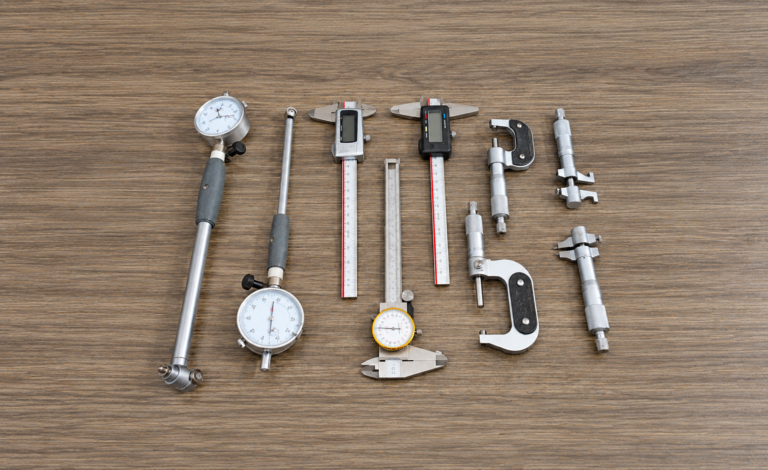
The component was allowed to return to a stable temperature before final measurement. This prevented temporary thermal expansion from being mistaken for the finished dimension.
Clean Edges and Controlled Deburring
Machined PEEK can develop fine burrs around holes, slots, and edges. Aggressive manual removal may damage the surface or change critical features.
A dedicated deburring process was used to remove loose material while protecting the part geometry. The component was then cleaned and inspected for remaining chips, damaged edges, and surface contamination.
Stable Dimensions and a Clean Finish
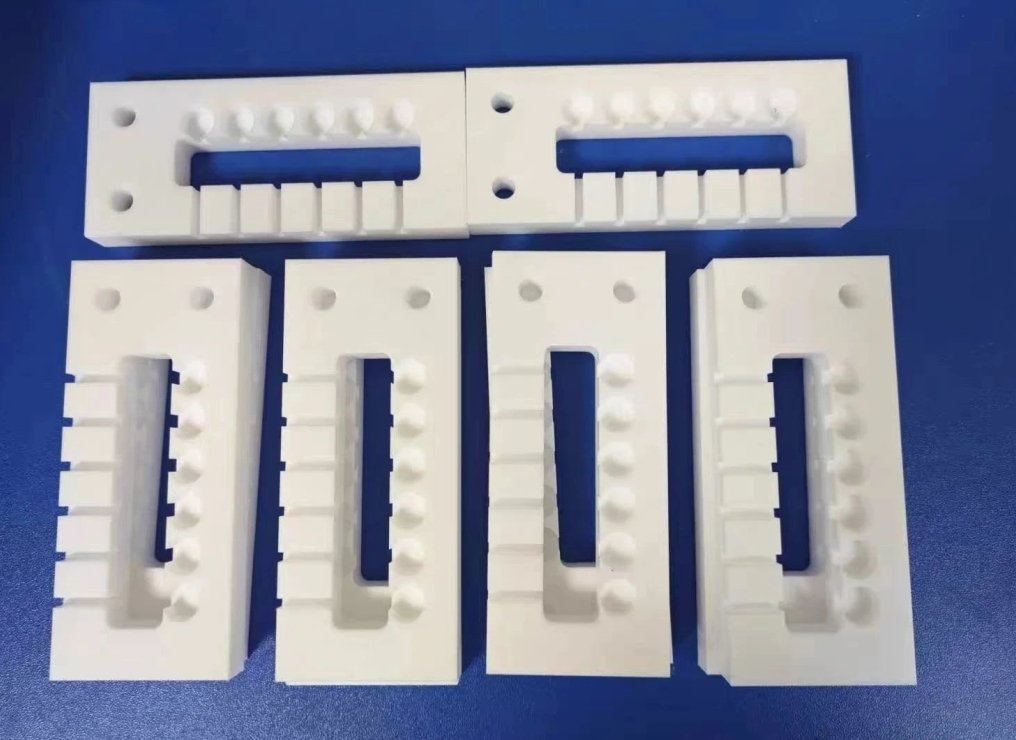
The finished insulating component maintained its critical dimensions and functional geometry after machining.
Controlled heat generation, low clamping force, and careful deburring produced clean edges and a consistent surface. The part passed dimensional and visual inspection before delivery.
Material grade, certification, cleaning, and traceability requirements should always be confirmed separately for medical or regulated applications.
Discuss Your PEEK Machining Project
We provide PEEK CNC machining for insulating components, equipment parts, prototypes, and low-volume production.
Send us your 3D model, technical drawing, material grade, tolerance, and application requirements. Our engineering team can review the design and recommend a suitable machining process.