Preventing Tool Overheating in Titanium Aerospace Machining

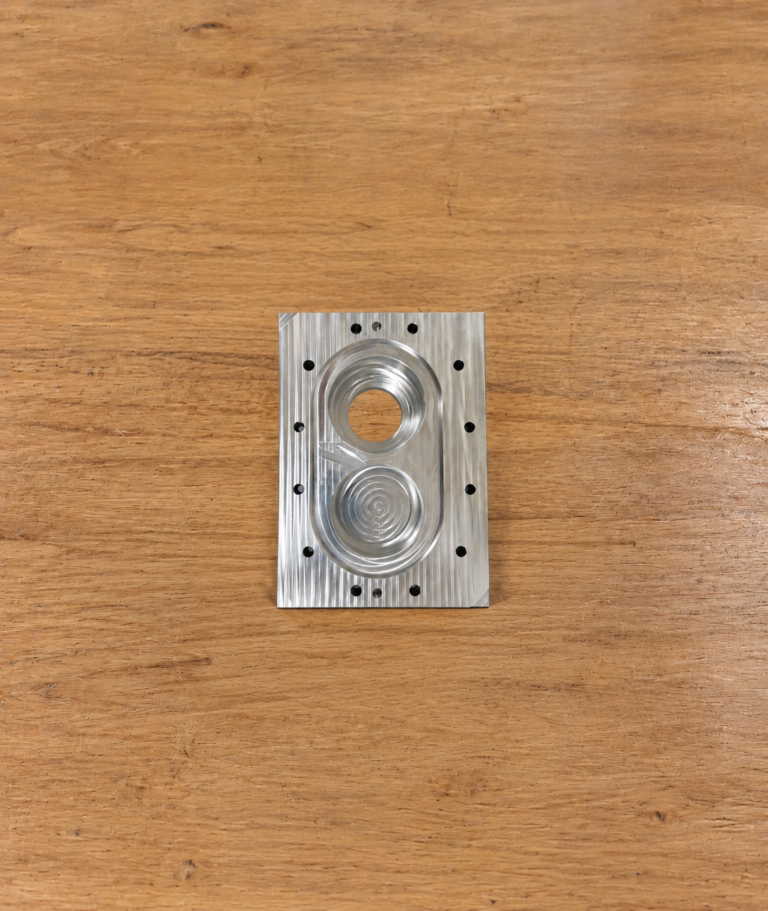
Titanium aerospace machining requires careful heat control, especially around tight internal corners. In this case, the cutting tool performed normally across open areas but experienced a sharp increase in spindle load and temperature whenever it entered the same corner.
After several parts, wear appeared repeatedly on the same section of the cutting edge, while the corner surface began to show reduced quality.
The investigation showed that the main cause was not titanium alone. A sudden increase in tool engagement at the corner was concentrating cutting force and heat in a small area.
Why Heat Concentrates in Corners
Titanium has low thermal conductivity compared with many common metals. Much of the cutting heat remains near the tool edge instead of moving into the workpiece or chips.
On a straight toolpath, radial engagement can remain relatively stable. When the tool enters a tight internal corner, more of its circumference may contact the material at once.
This increased engagement raises cutting force and temperature. Chip evacuation also becomes more difficult because the corner provides less space for chips and coolant.
If the tool remains in this condition for too long, heat can soften the cutting edge, damage the coating, and accelerate wear.
Slowing Down Is Not Always the Answer
A common reaction is to reduce the feed rate sharply in the corner.
This may lower the immediate cutting force, but excessive slowing can cause the tool to rub instead of cut. Rubbing generates additional heat and may work-harden the material near the surface.
The goal is not simply to machine more slowly. The process must maintain a suitable chip load while reducing the amount of tool engagement.
Feed, spindle speed, toolpath, and radial depth of cut must be considered together.
Keeping Tool Engagement Stable
The corner toolpath was adjusted to avoid a sudden full-width cut.
An adaptive or constant-engagement strategy allowed the tool to follow a smoother path through the corner. Smaller radial engagement reduced the load on the cutting edge while maintaining controlled material removal.
Remaining material in the corner was removed through a separate rest-machining operation. A smaller tool only cut the areas that the previous tool could not reach, instead of repeating the entire pocket.
Where the design allowed, a larger internal corner radius was also preferable. It reduced the need for a small, flexible tool and provided more room for chip evacuation.
Tool and Coolant Control
A sharp tool with suitable geometry was selected for the titanium grade and feature shape. Tool overhang was kept as short as possible to improve rigidity.
Coolant delivery was directed toward the active cutting zone rather than only flooding the general area. Effective cooling helped remove heat and clear chips before they could be recut.
The tool was inspected at defined intervals instead of waiting for visible failure. Spindle-load changes and surface marks were used as early indicators of edge wear.
Verifying the Corrected Process
After the toolpath was updated, spindle load remained more stable when the tool entered the internal corners.
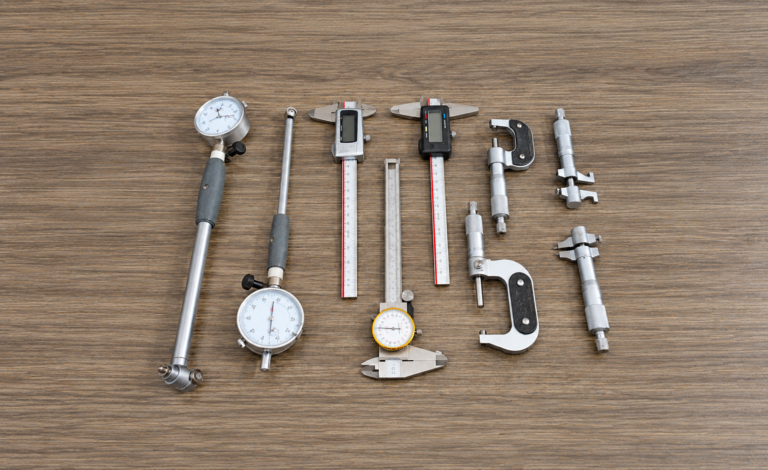
The corner surfaces were inspected for chatter, tearing, discoloration, and dimensional error. Critical radii and profiles were also checked against the drawing or 3D model.
The revised process reduced localized heat buildup and produced more consistent corner geometry across the parts.
This case showed that successful titanium aerospace machining depends on controlling how the tool enters and exits difficult features. Stable engagement is often more important than applying one conservative cutting speed to the complete part.
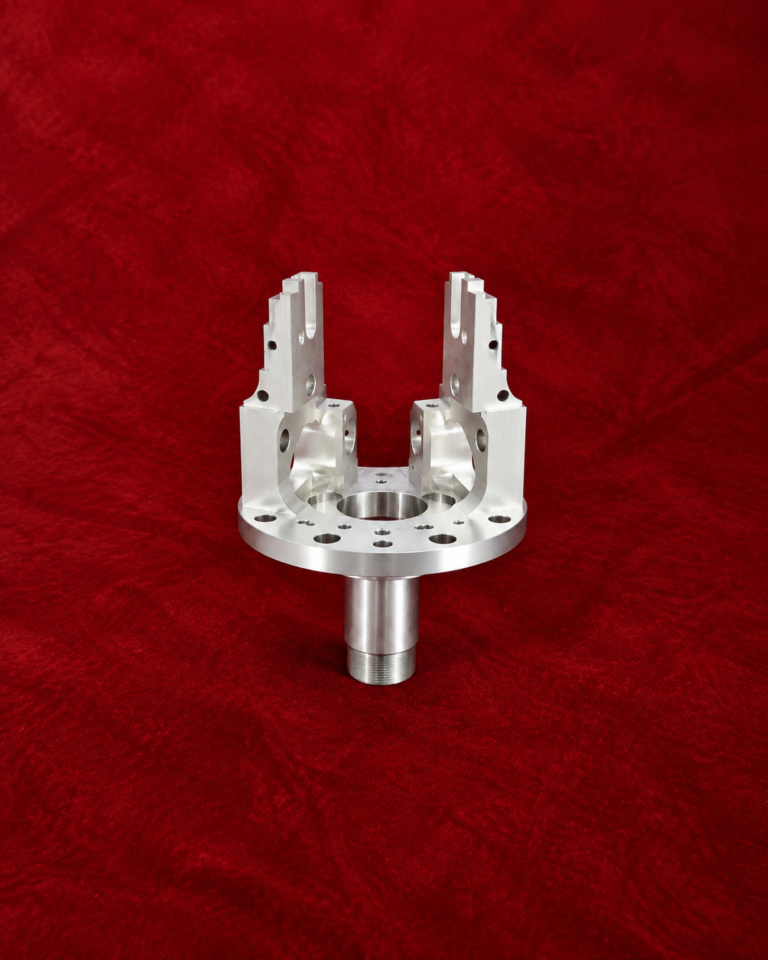
We manufacture titanium brackets, housings, mounts, and other aerospace components with complex pockets and internal corners. Send us your drawing, material grade, tolerance, and quantity for a manufacturability review.