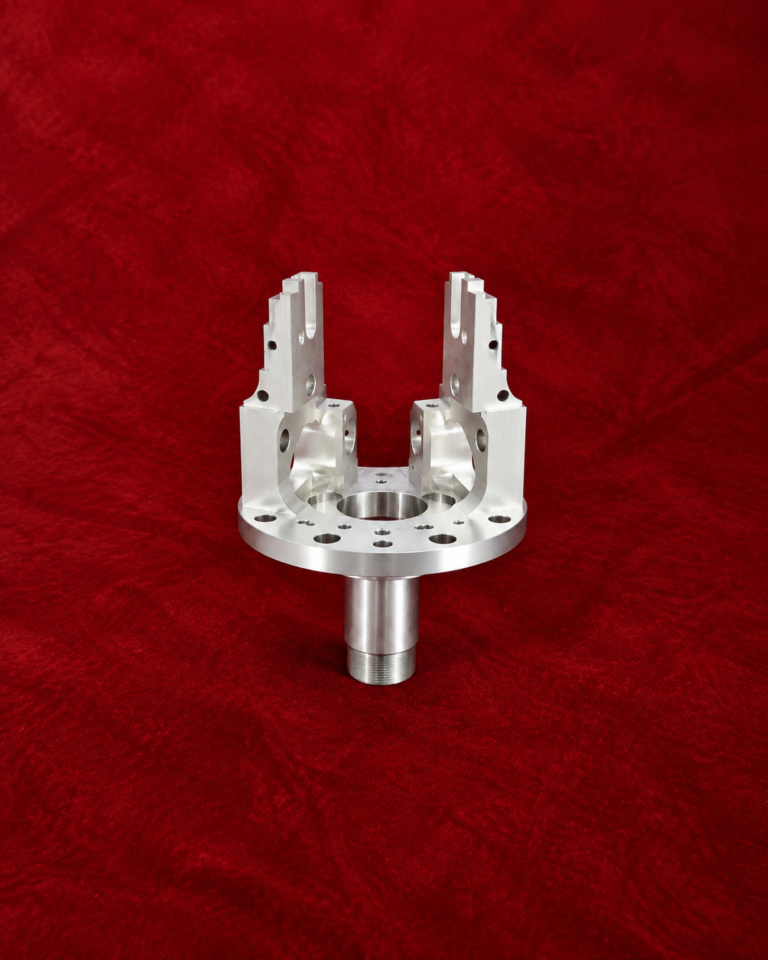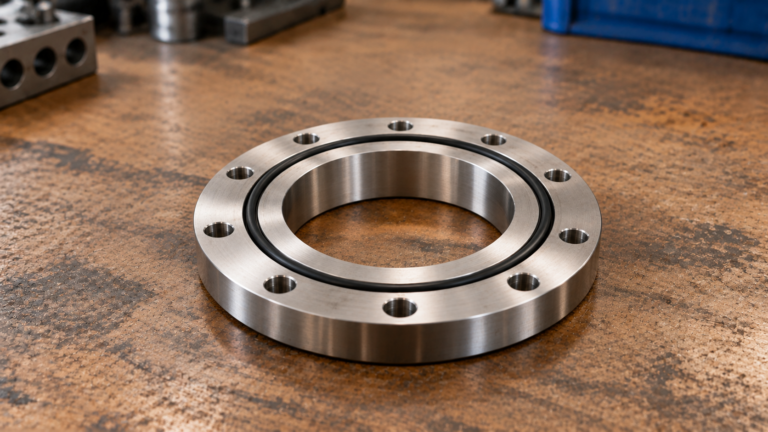
Precision Bores and Surfaces on CNC-Machined Aluminum
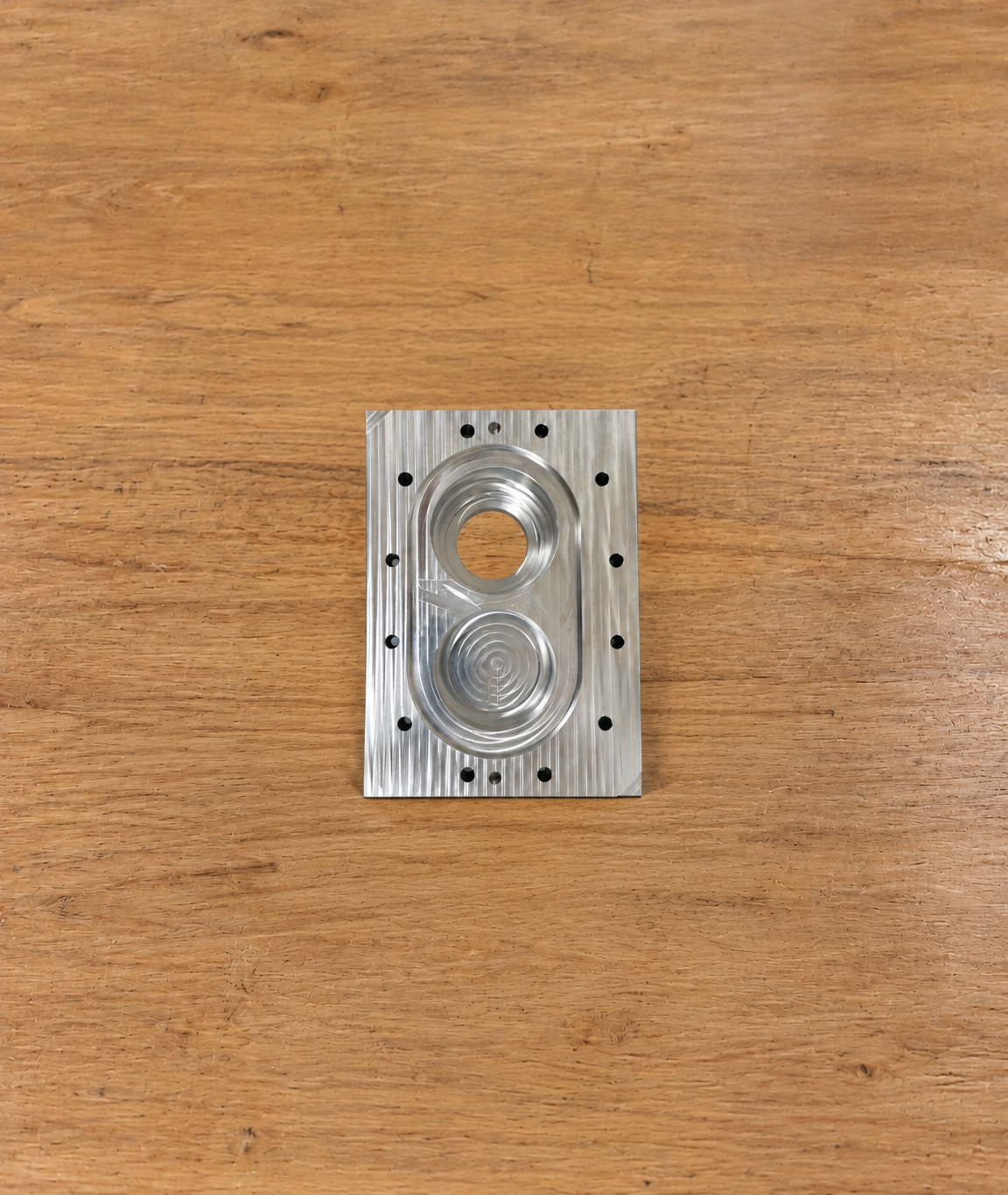
Why Precision Bores Should Be Finished Last
A bore can meet its tolerance early in production and still be incorrect when the part is finished.
This happens because rough machining changes the condition of the workpiece. Material removal, cutting heat, clamping force, and residual stress can alter the bore’s size, roundness, or position.
Rough Machining Changes the Part
Removing a large amount of material releases internal stress. The part may bend or twist slightly, especially when it contains thin walls or an uneven structure.
If the bore is finished before this movement occurs, its geometry may change during later operations.
Heavy cutting also generates heat. A bore measured while the part is warm may appear correct but become smaller after cooling.
Final Datums Improve Bore Position
Precision bore machining depends on both diameter and location.
Finishing the main surfaces first establishes more reliable datums. The bore can then be machined in its correct relationship to mounting faces, edges, and other functional features.
This reduces errors caused by changing the reference system between operations.
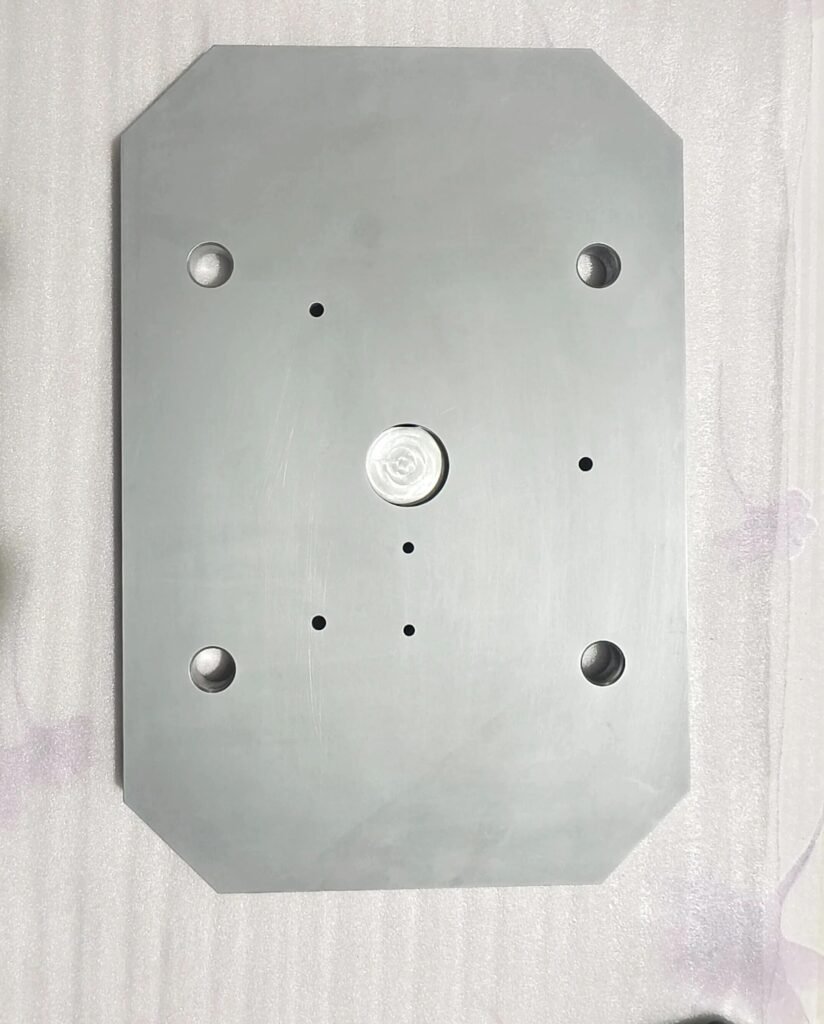
A Better Machining Sequence
The initial hole is normally drilled or rough-bored early to remove material. A small finishing allowance is left on the diameter.
After the surrounding features are rough-machined and the part has stabilized, the bore is finished by precision boring, reaming, or another suitable process.
The final method depends on the required diameter, roundness, position, surface finish, and production quantity.
Measure Under Stable Conditions
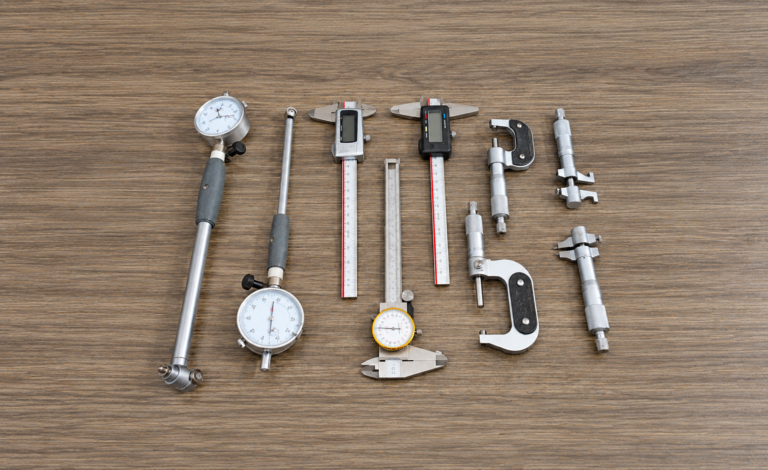
The part should be clean, unclamped where appropriate, and close to the inspection temperature before final measurement.
Diameter alone is not enough. Roundness, cylindricity, position, and alignment may also need verification when the bore supports a bearing, shaft, or locating pin.
Finishing precision bores near the end of production helps preserve their relationship to the completed part and reduces the risk of later deformation.
We provide precision CNC machining for bearing bores, locating holes, and other close-tolerance features. Send us your drawing and 3D model for a manufacturability review.