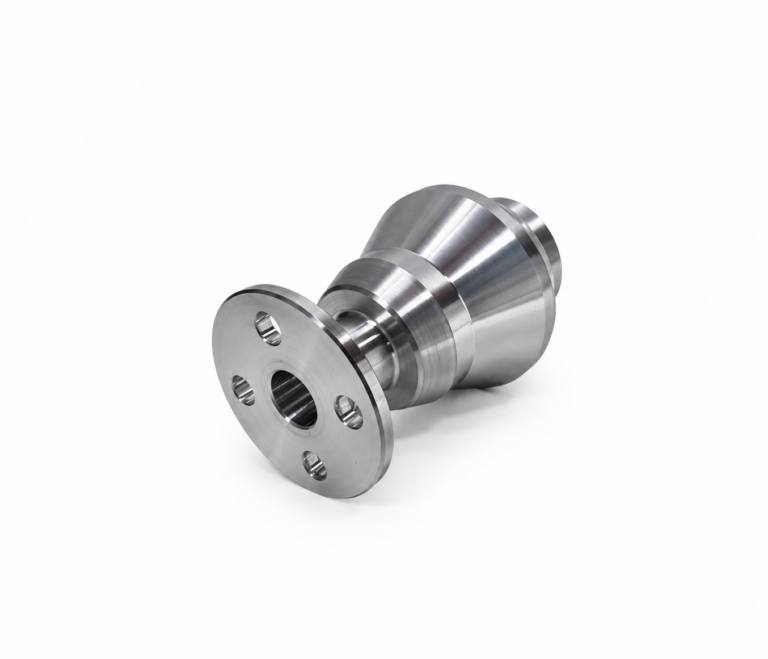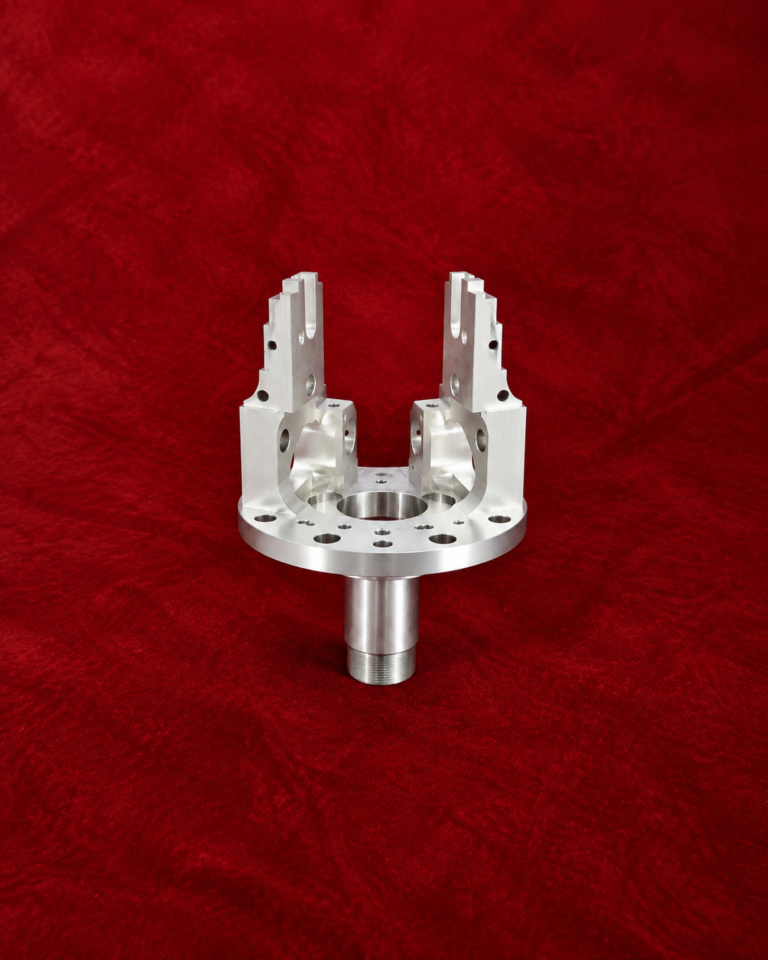
Large Housing CNC Machining Process
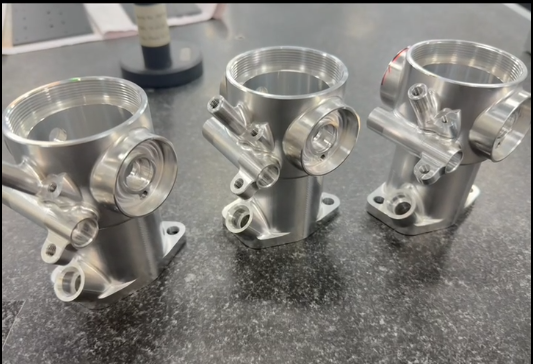
Large Housing CNC Machining
Large housing CNC machining is used to produce structural components with deep cavities, mounting faces and features on multiple sides.
These components are commonly found in industrial machinery, automation systems, communication equipment and power electronics.
Their size, cavity depth and machining time require a carefully planned production route.
Process Planning
Production begins with a 3D CAD model and technical drawing. Engineers review the overall dimensions, machining access, fixture positions and required operations.
CAM software creates toolpaths for roughing, cavity milling, drilling, threading and contouring. The machining sequence must maintain workpiece rigidity while providing access to critical features.
Common Housing Features
A large machined housing may include:
- Deep internal cavities
- Mounting faces
- Side openings
- Drilled and threaded holes
- Internal ribs
- Bearing or shaft openings
- Connector mounting areas
- External mounting feet
The location of these features determines the number of setups and machine configuration.
Machining Operations
The workpiece is secured to the machine table or a dedicated fixture. Rough milling removes most of the internal material and establishes the main cavity.
Smaller tools then machine internal pockets, recessed areas and detailed features. Drilling and threading are completed while the relevant surfaces remain accessible.
The housing is repositioned when the fixture blocks its bottom or side faces. Four-axis or five-axis machines may reduce the number of manual setups when machine capacity permits safe rotation.
Cycle-Time Control
Large cavities often require extended machining cycles. Optimized toolpaths maintain stable cutting conditions and reduce unnecessary machine movements.
Automatic tool changers support continuous roughing, drilling and contouring operations. For repeat production, dedicated fixtures can reduce loading and setup time.
Cost and Quotation
Cost is mainly affected by housing size, cavity depth, number of machined faces, total cycle time, fixture requirements and order quantity.
For a quotation, customers should provide a STEP model, technical drawing, overall dimensions, revision number, quantity and delivery requirements.
Conclusion
Large housing CNC machining depends on rigid workholding, efficient cavity milling and a controlled multi-operation sequence.
A well-planned manufacturing route reduces unnecessary setups and supports prototype, replacement and repeat production requirements.