Multi-Side CNC Machining for Respiratory Valve Bodies
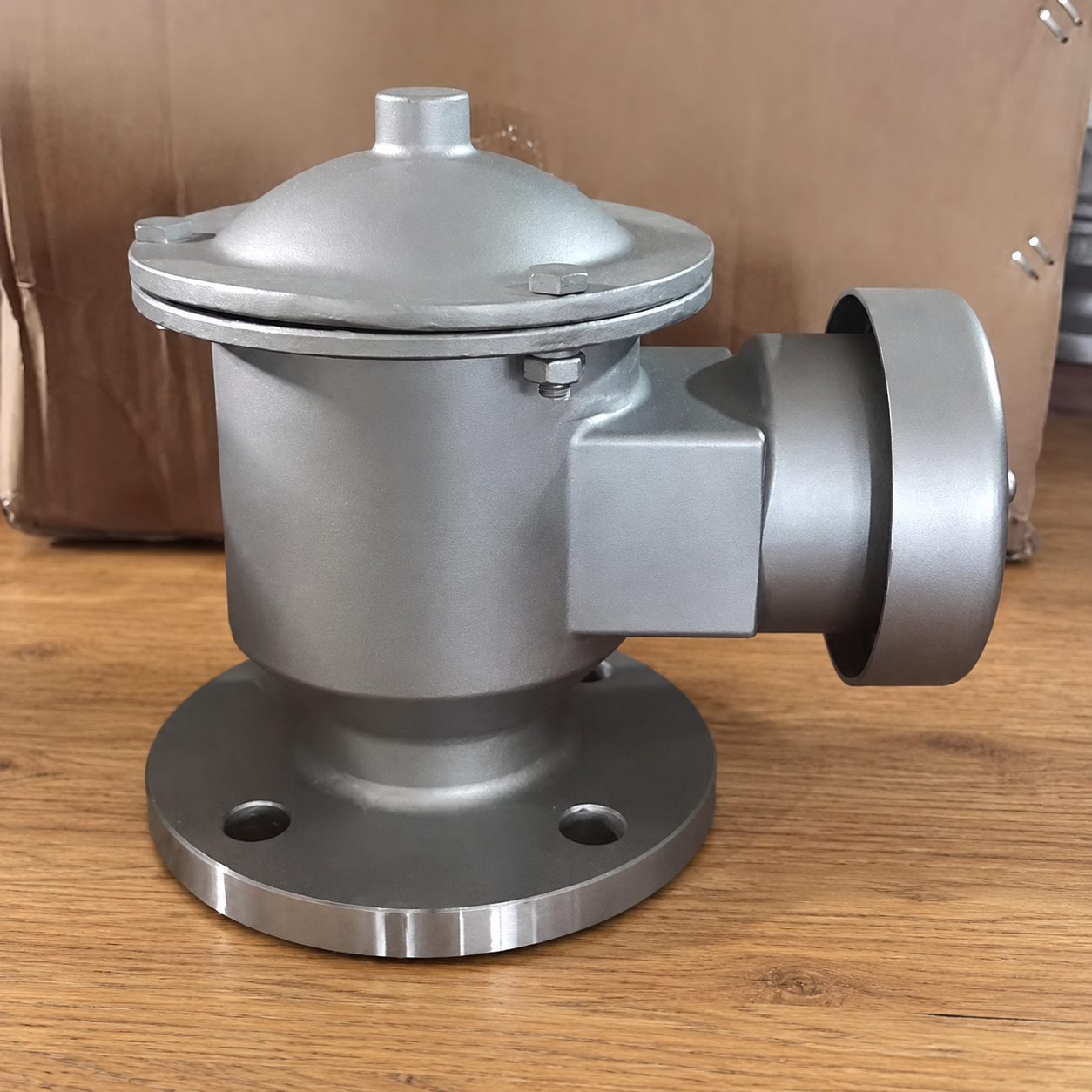
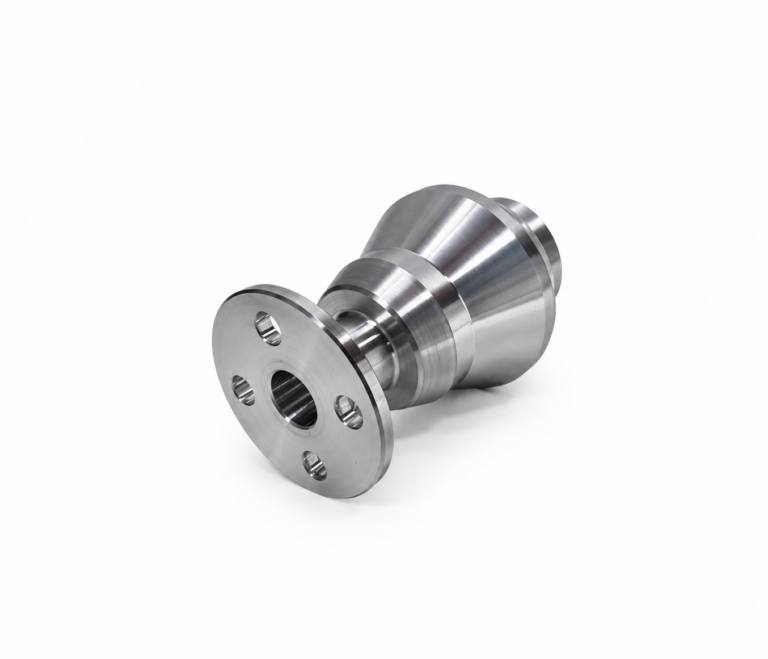
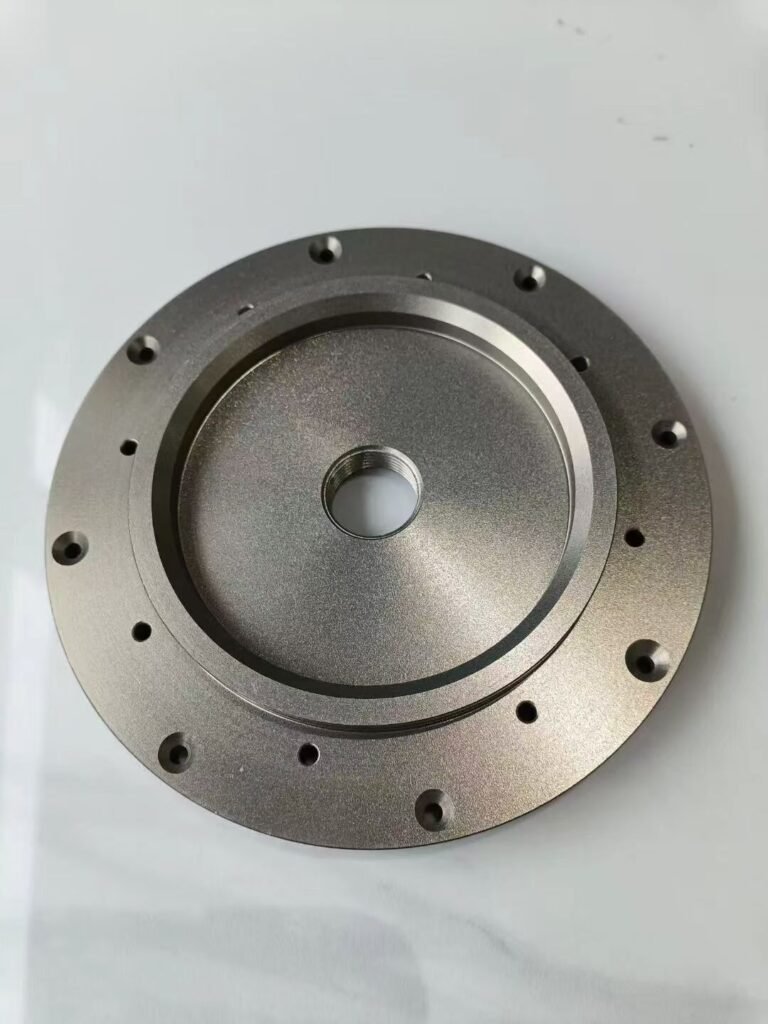
Respiratory equipment valve body CNC machining creates the internal passages and interface features that direct airflow through the assembly. These compact components often contain ports on several faces, making setup planning a critical part of production.
What Must Be Machined?
A typical valve body combines several functional features within a small space:
- Inlet and outlet ports
- Intersecting internal passages
- Valve or sensor cavities
- Threaded connections
- Sealing faces and mounting holes
The position of each feature must correspond with the internal flow layout. Even when individual holes are correctly sized, an incorrect drilling angle or intersection point can affect assembly and airflow.
Why Multi-Side Machining Is Used
Conventional machining may require the component to be repositioned several times. Every new setup introduces another opportunity for alignment error.
A four-axis or five-axis machining center can rotate the workpiece and reach multiple faces from one fixture. This approach maintains a common reference between ports, cavities and mounting features while reducing manual handling.
From Datum to Flow Path
Machining normally begins by establishing the primary mounting face and reference features. External profiles and valve cavities are then milled before the connecting ports are drilled.
For intersecting passages, the operation sequence is planned so the tool enters from a stable direction. Internal-coolant drills support chip evacuation, while controlled breakthrough feeds help reduce burrs where passages meet.
Final Verification
After machining, accessible edges and internal intersections require deburring and cleaning. Port positions, thread engagement and sealing interfaces are checked against the drawing. Flow or pressure testing may also be specified to confirm that the intended channels are connected and isolated circuits remain separate.
Reliable respiratory equipment valve body CNC machining depends on accurate multi-face positioning, controlled passage drilling and thorough removal of internal machining residue.