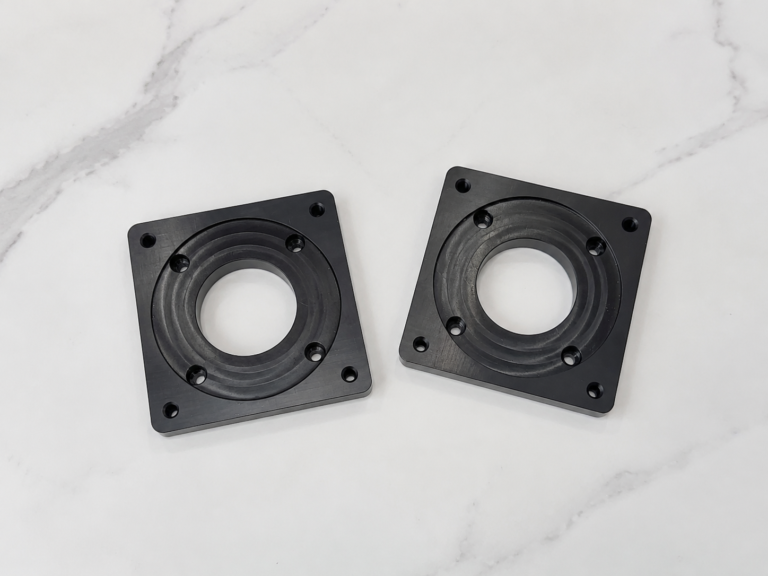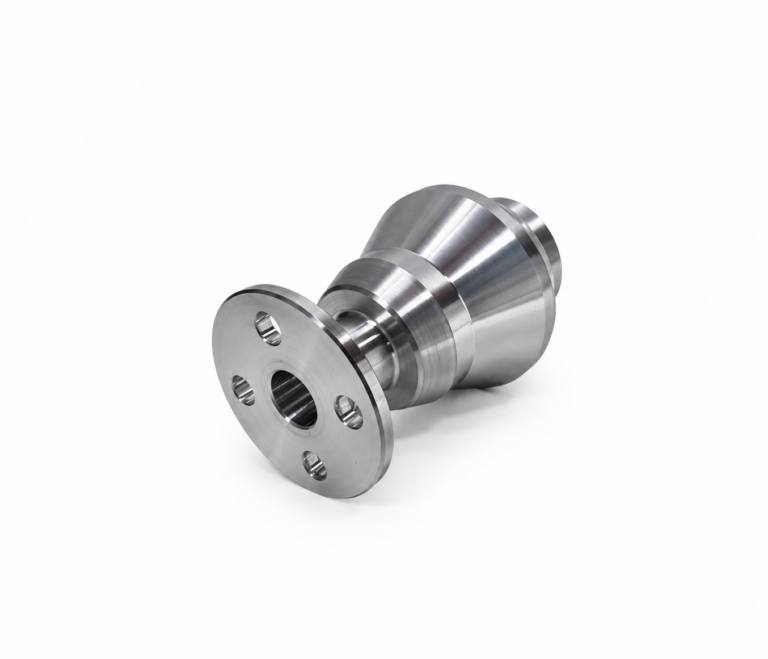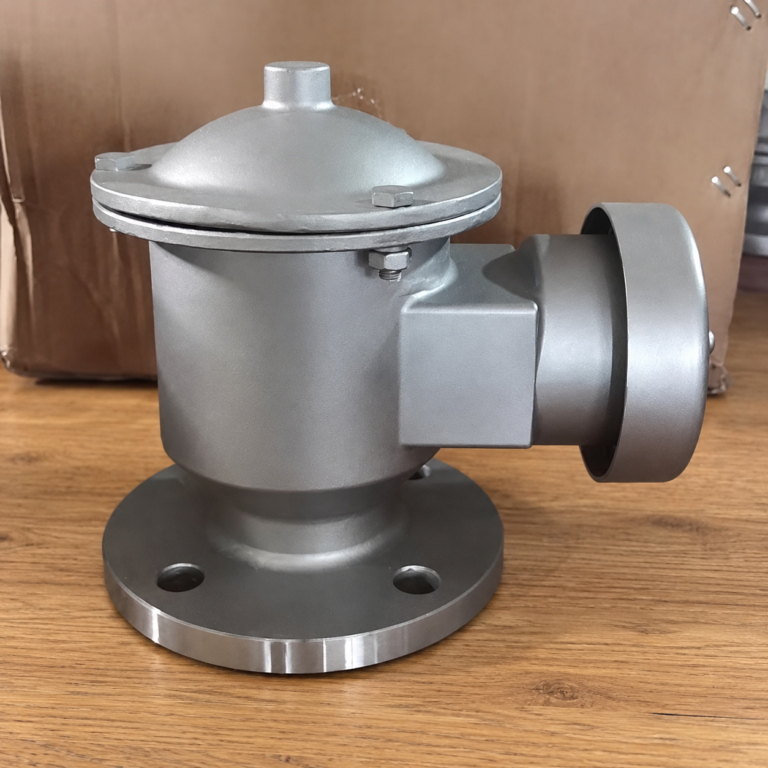
CNC milling ±0.0002 inch precision
What does a precision tolerance of 0.0002 inches mean?
High-performance precision parts require high-performance precision CNC machining. CNC (Computer Numerical Control) machines are electromechanical devices that use tools operating across multiple axes (typically 3 to 5) to produce physical parts based on computer-generated design files.
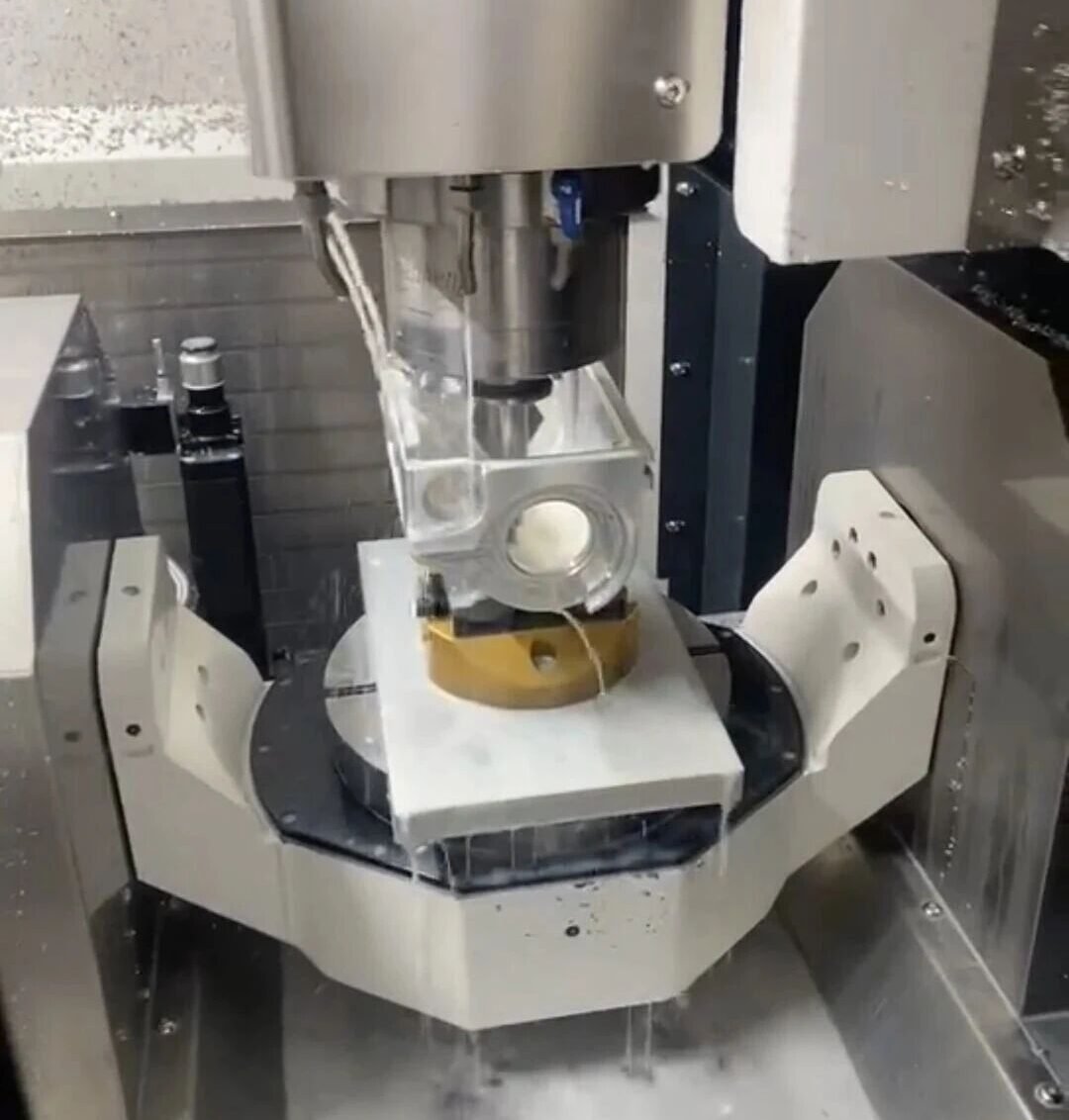
Almost all high-end manufacturing in modern society relies heavily on CNC machining. From everyday household plumbing components to critical spinal implants, and across industries ranging from aerospace and defense, medical and life sciences to power and energy, CNC machining provides precision mechanical parts; the variety of materials, shapes, and industries served is virtually limitless.
Every part produced via CNC machining comes with design specifications and dimensional tolerances. The ability of a machinist to manufacture parts to a tolerance of 0.0002 inches can significantly impact the performance of mission-critical components.
What is machining tolerance?
In CNC machining terminology, tolerance—or dimensional accuracy—refers to the allowable deviation in a part’s specific dimensions resulting from the manufacturing process. No machine can match a specified dimension perfectly. Designers provide these specifications to machinists based on the part’s form, fit, and function.

How is tolerance measured?
CNC machines are highly precise, operating in increments of one-thousandth of an inch—often referred to by machinists as “thous” or “tenths.” Tolerances are typically expressed using a “+/-” notation; this means a CNC machine with a tolerance of +/- 0.0002 inches might deviate from the standard dimension by up to 0.0002 inches in either direction (over or under).
Why are tolerances important?
Tolerances ensure the integrity and functionality of machined parts. If a component is manufactured outside the defined dimensional limits, it becomes unusable because critical features fail to meet the design intent.
How tight can tolerances be?
Tolerances depend on the material used and the intended purpose of the design. In part machining, tolerances can range from +/- 0.10 mm to +/- 0.002 mm. Tighter tolerances should only be specified when necessary to meet the part’s design standards.
What does a difference of 0.0002 inches represent?
In many sectors, such as the medical industry, machining parts with extreme precision is crucial to ensure they interact correctly with human tissue or other medical equipment. In fact, when it comes to manufacturing for medical applications, subtractive manufacturing (CNC machining) offers tighter tolerances than additive manufacturing (3D printing).
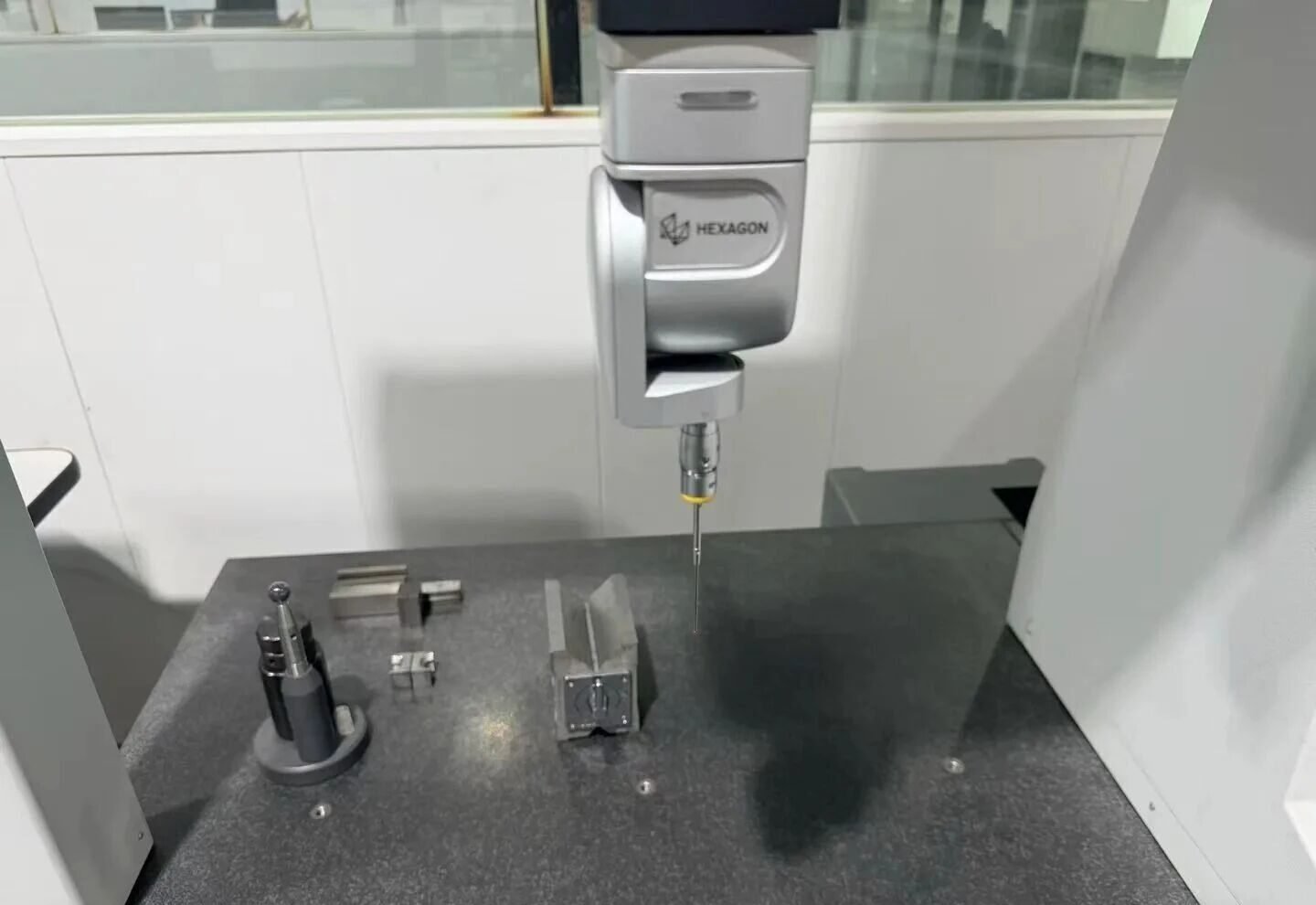
Tight tolerances—such as 0.0002 inches—are crucial because these parts are designed to interact with other components. This is particularly relevant for unique, low-volume designs—such as custom brackets, fasteners, or prototyping assemblies—produced via CNC milling or turning.
One of the most critical factors when applying tolerances is the fit. This refers to how a shaft fits into a bushing or bearing, how a motor mounts into a pilot hole, and so on. Depending on the application, a part might require a clearance fit to accommodate thermal expansion, a sliding fit for precise positioning, or an interference fit to ensure secure retention.
As with any precision-machined product, achieving tighter tolerances requires time and expertise. Partnering with a certified manufacturer ensures your project is executed with unmatched precision and quality, leveraging their advanced machine tools and specialized know-how.