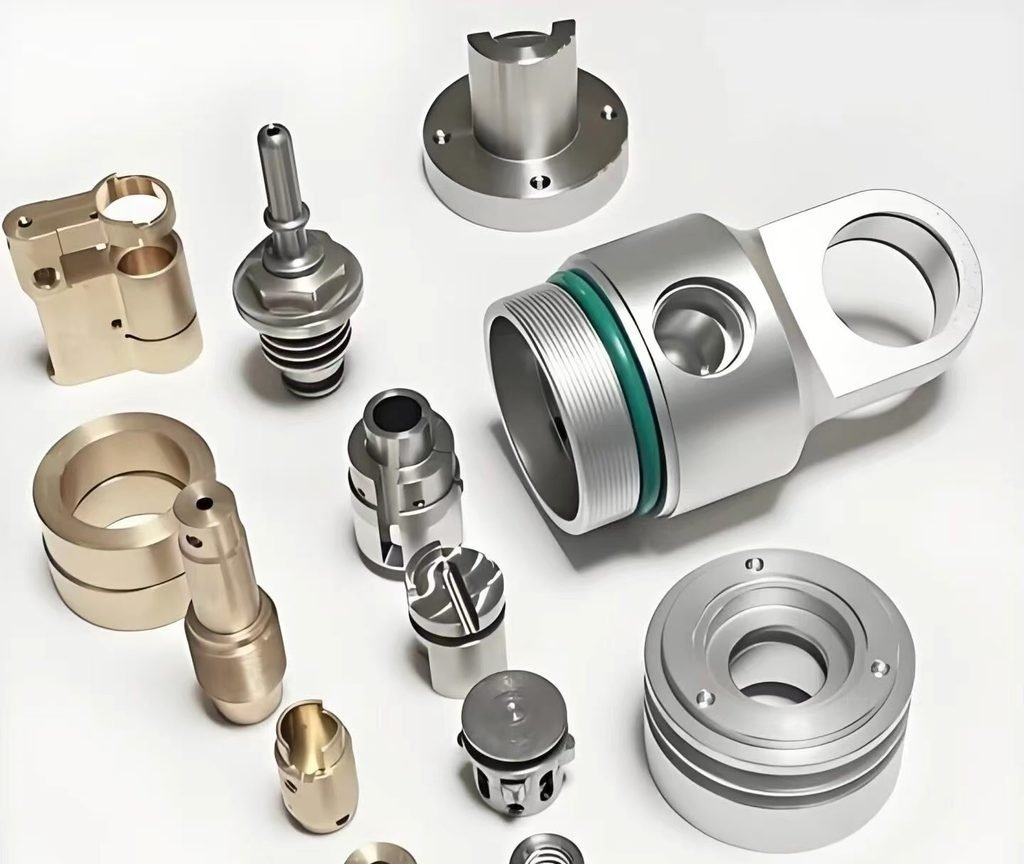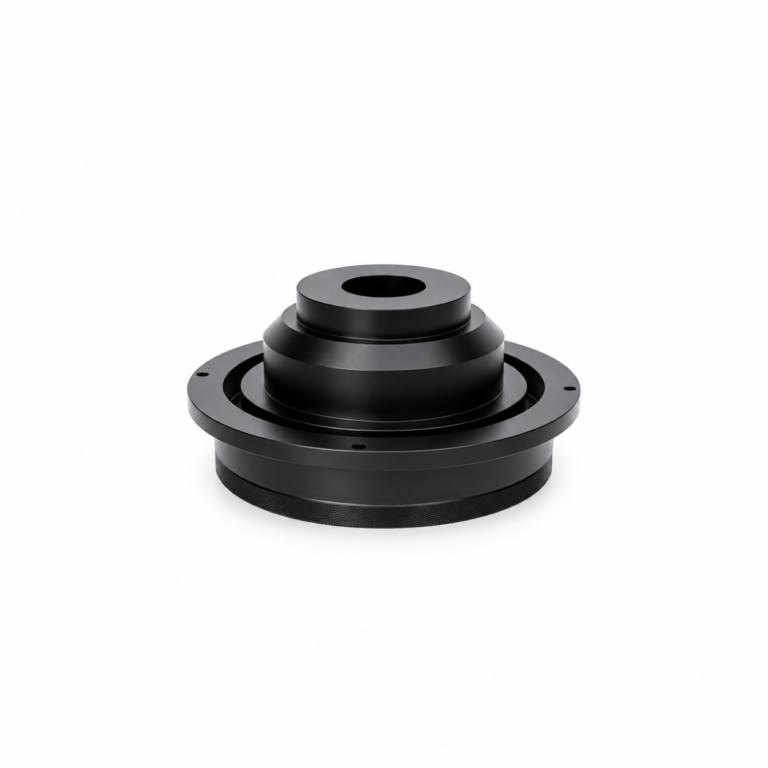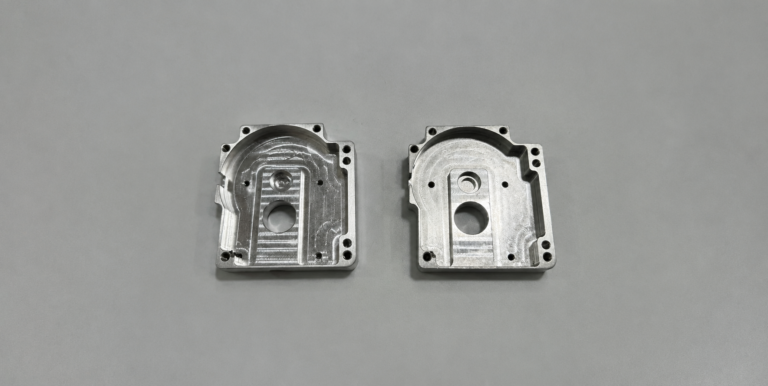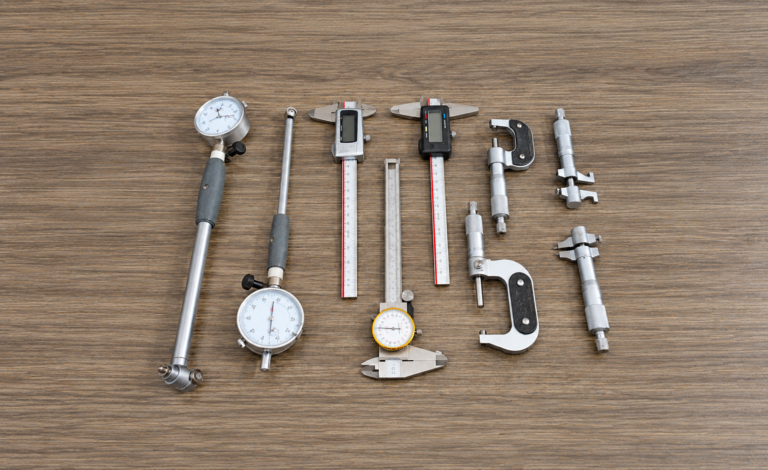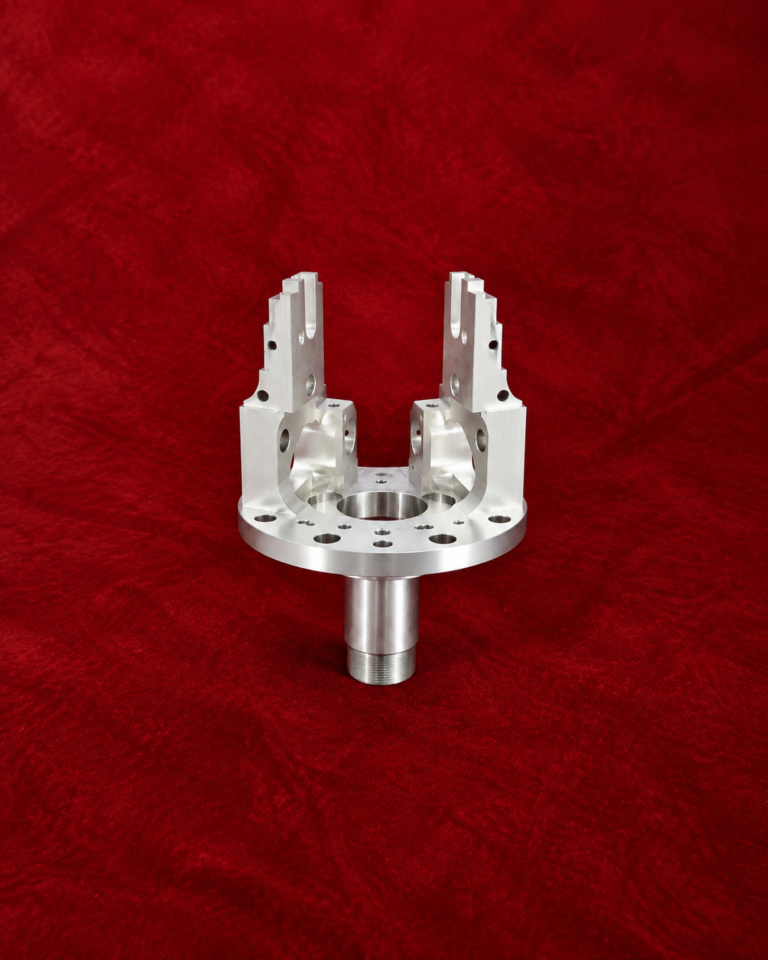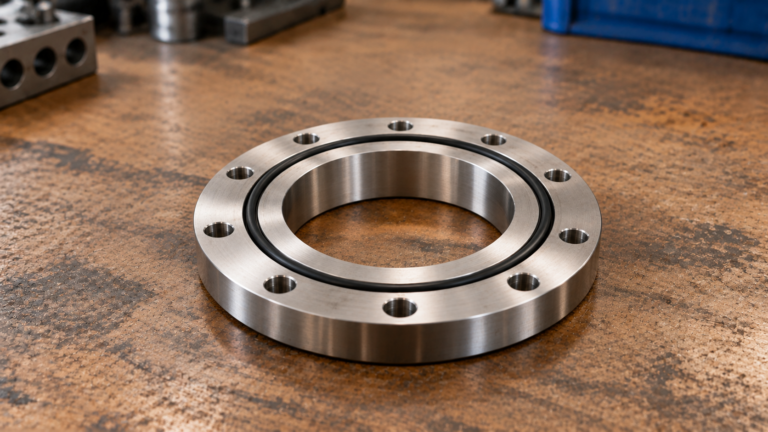
tight tolerance CNC turning ±0.0001 inch
Ultra-High Precision Micromachining: From Tiny Features (0.0005 in) to ±0.0001 in Tolerances
Are you facing bottlenecks when machining parts with microscopic features? When standard CNC machining cannot handle details smaller than 0.5 mm or achieve ultra-high precision tolerances—such as ±0.001 mm—you have entered the realm of micromachining. This process tests not only machine performance but also the entire engineering framework, process control systems, and technical expertise.
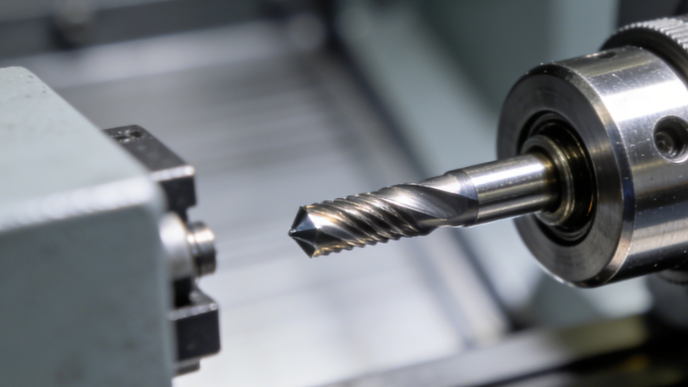
Micromachining is a specialized CNC process used to create features smaller than 0.5 mm or to achieve ultra-high precision (e.g., ±0.001 mm). It is an advanced technology focused on the consistent production of tiny, complex geometries that are beyond the capabilities or reliability of standard machining methods.
FAQs on Everyday Micrometer-Level Machining
Q: What level of precision is considered “micrometer-level” in CNC machining?
A: Micrometer-level precision in CNC machining typically refers to dimensional tolerances ranging from ±1 μm to ±10 μm (0.001 mm to 0.01 mm). For reference, the diameter of a human hair is approximately 70–100 μm. Ultra-precision applications can push even further into the sub-micrometer or nanometer range, particularly in the manufacturing of optical components.

Q: Which factors have the greatest impact on achieving micrometer-level machining tolerances?
A: Key factors include machine tool structural rigidity and geometric accuracy; the quality of position feedback systems (e.g., linear scales vs. rotary encoders); thermal stability and compensation capabilities; tool precision and condition; environmental controls (temperature, vibration, humidity); and the technical proficiency of the programming and setup teams. No single factor determines success or failure—micromachining requires the synergy of all these elements.

Q: How does thermal expansion affect micrometer-level CNC machining?
A: Thermal expansion is one of the most significant challenges in micromachining. Steel has a thermal expansion coefficient of approximately 12 ppm per degree Celsius; this means a steel part 100 mm in length will expand by 1.2 μm for every 1°C rise in temperature. Machine tool components, cutting tools, and the workpieces themselves all expand and contract with temperature fluctuations, introducing dimensional errors that can exceed target tolerances. This is why precision manufacturing facilities invest heavily in temperature control and thermal error compensation systems.
Q: Which industries most frequently require micron-level CNC machining?
A: Industries that frequently require micron-level machining include aerospace and defense (turbine components, guidance systems), medical devices (surgical instruments, implants), optics and photonics (lenses, mirrors, mold inserts), semiconductor manufacturing (packaging components, testing equipment), automotive (fuel injection systems, transmission components), and consumer electronics (connector pins, camera modules, precision housings).
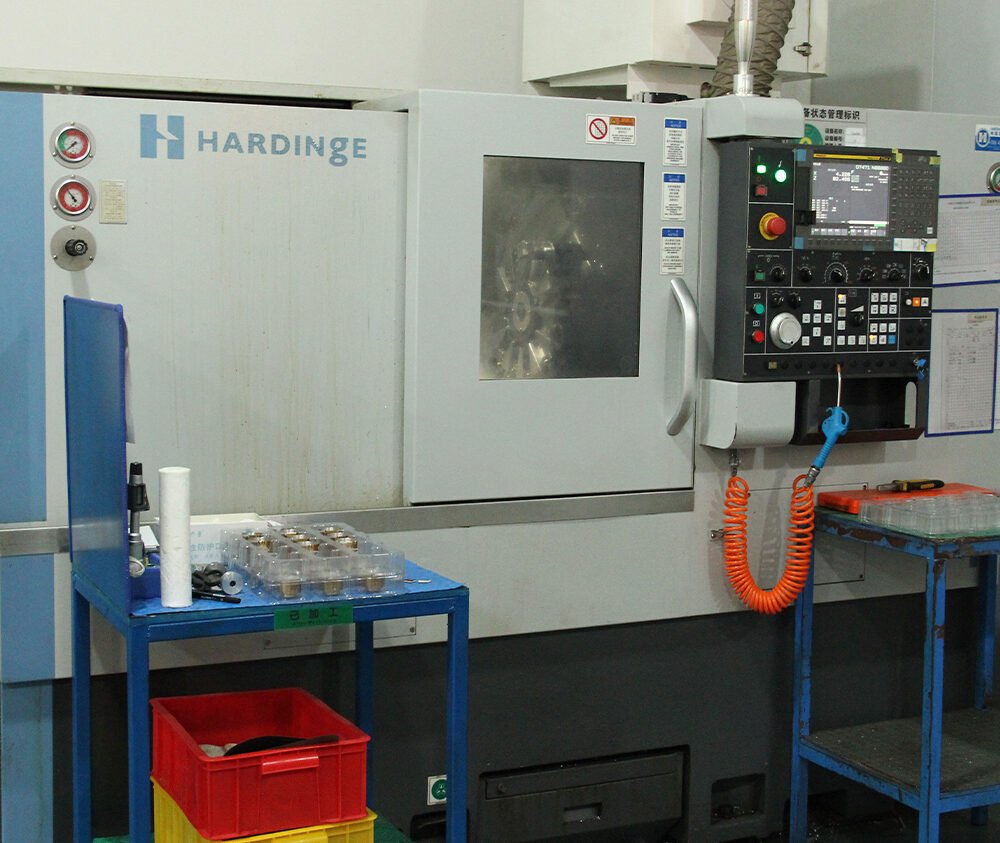
Q: Can any CNC machine achieve micron-level precision if properly calibrated?
A: Not necessarily. Regardless of calibration, not all CNC machines are capable of micron-level precision. A machine must be designed and built with precision as a core objective, incorporating features such as high-quality linear guideways, precision ball screws or linear motors, high-resolution feedback systems, thermally stable structures, and advanced control capabilities. Even when well-calibrated, standard production-grade machines typically cannot consistently achieve true micron-level tolerances across their entire working envelope.