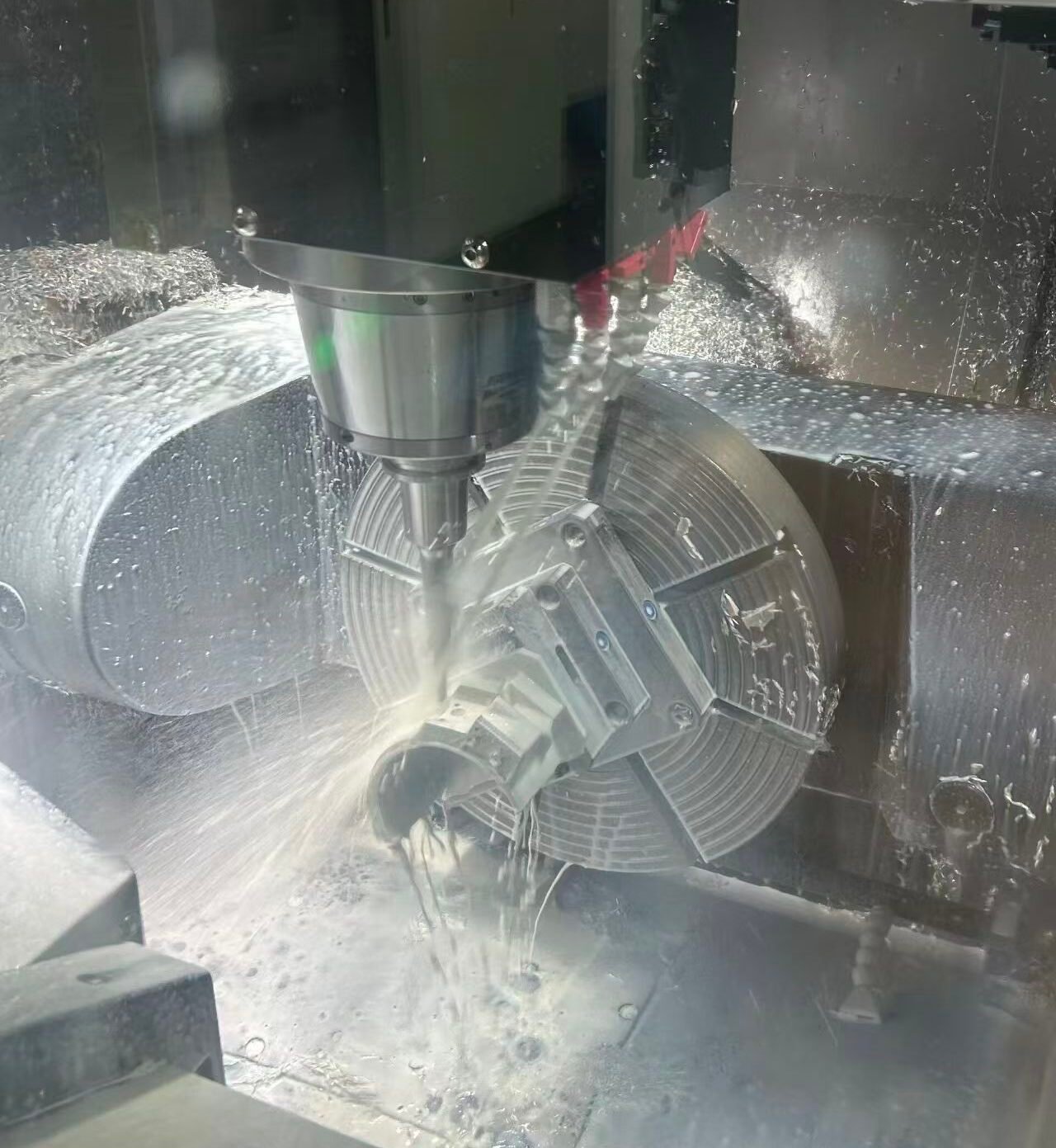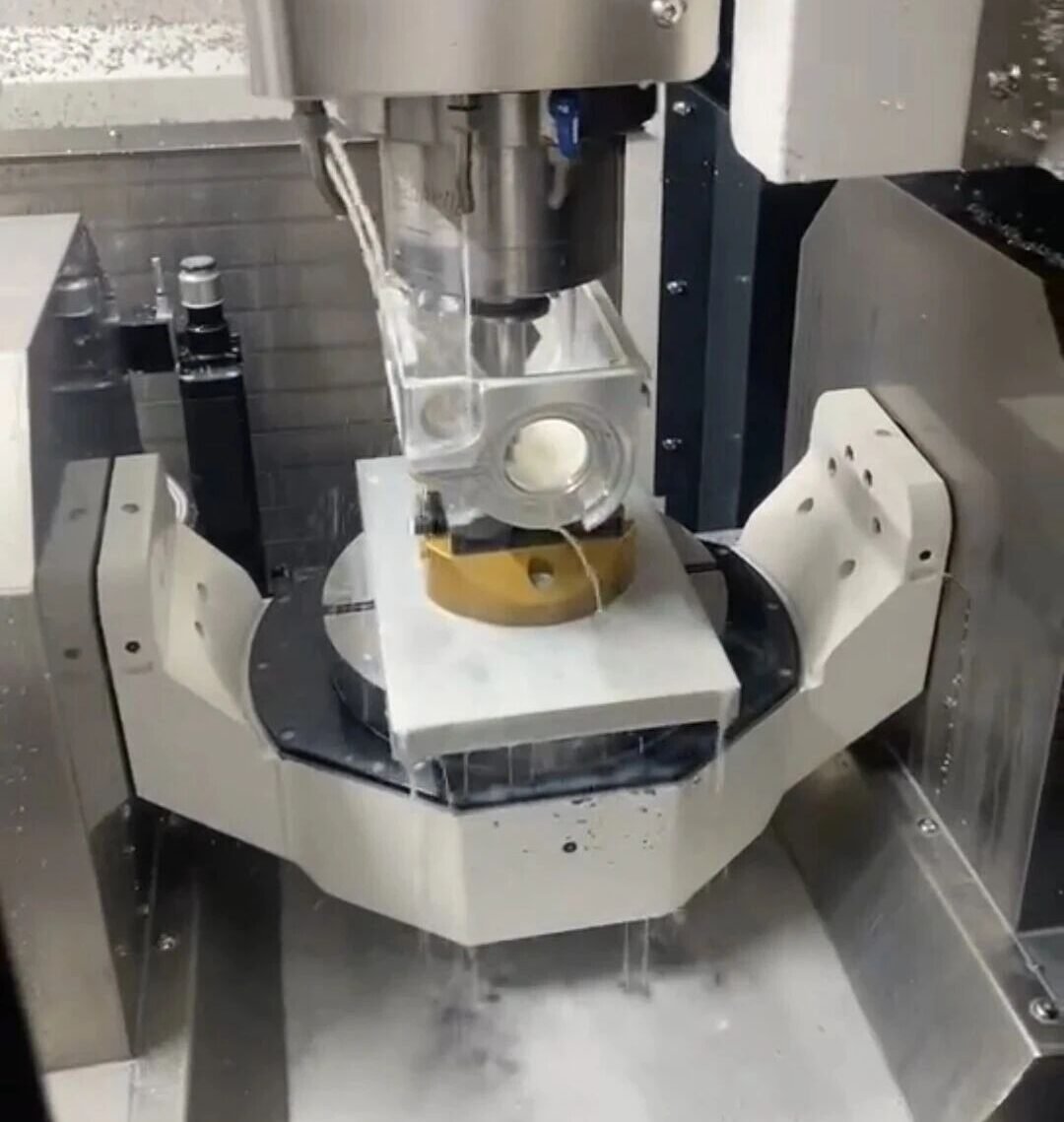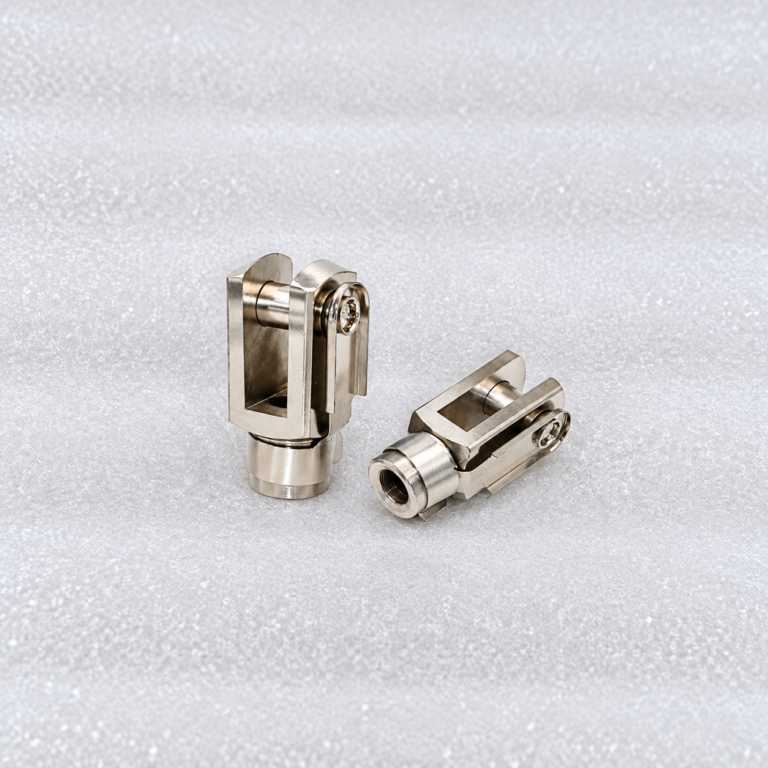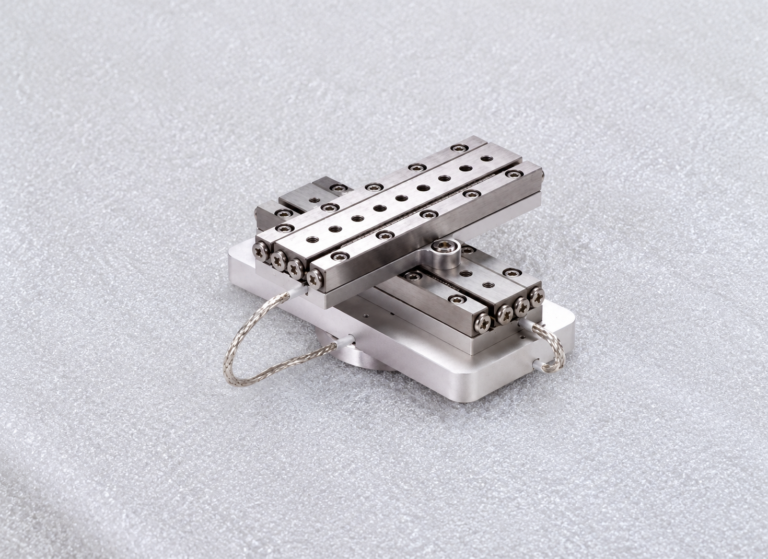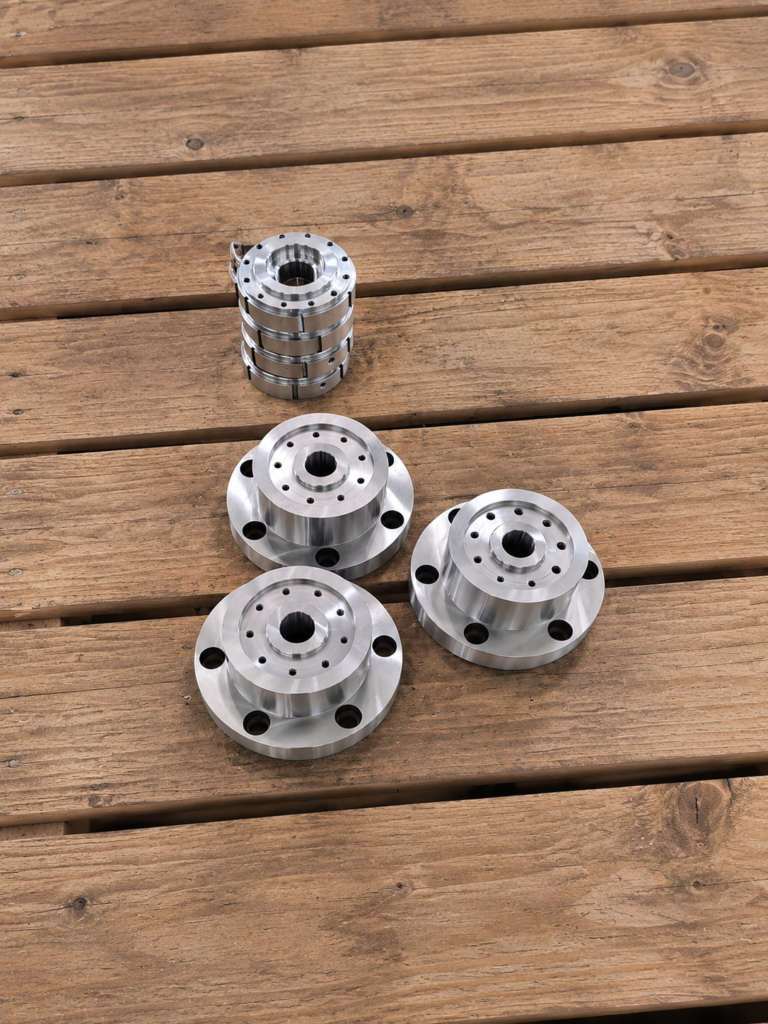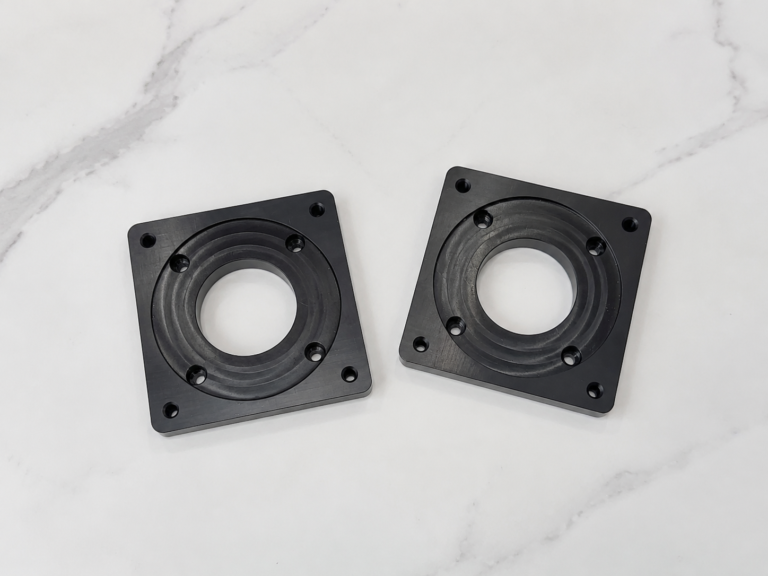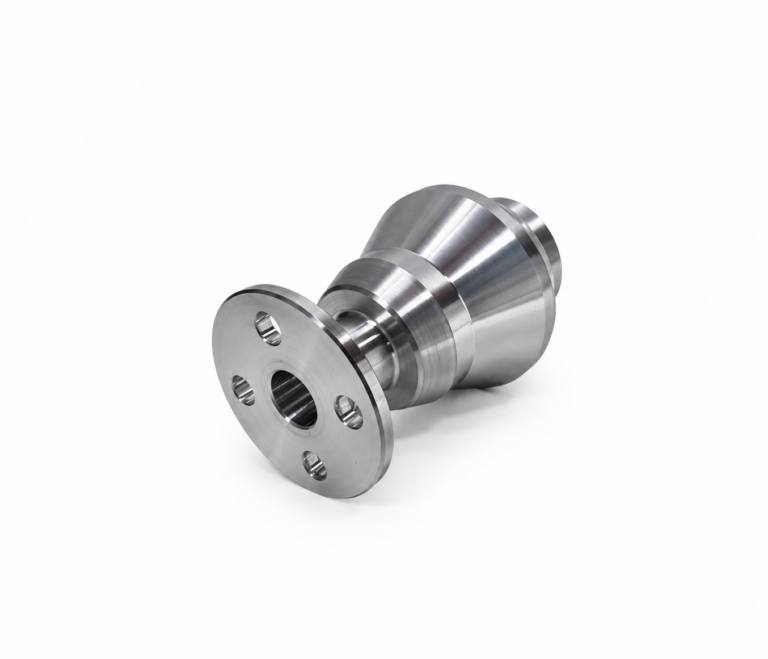
7075-T6 aluminum 5-axis machining
CNC Machining 7075 Aluminum Alloy: How Do Parameters Differ?
Answer: 7075 is not simply a matter of slightly adjusting 6061 parameters downward.
When CNC machining 6061 and 7075 aluminum alloys, parameter differences arise from variations in material strength, hardness, internal stress, cutting heat generation, and surface treatment characteristics. 6061 offers balanced overall performance and a wider machining window; 7075 offers higher strength—making it ideal for lightweight, load-bearing components—but is more sensitive regarding tooling, workholding, and stock allowance control.
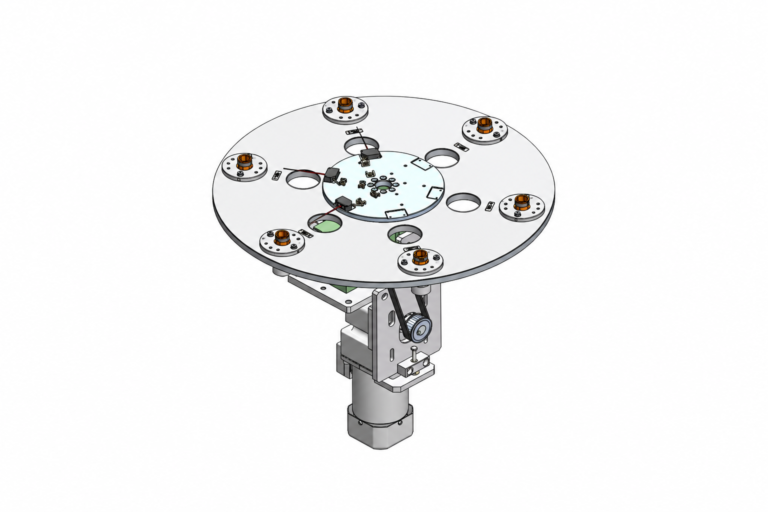
For standard brackets, housings, fixtures, and mounting plates, 6061 is usually the more hassle-free choice; for high-strength connectors, robotic joint brackets, or lightweight load-bearing plates, 7075 is worth considering. The challenge is that 7075 cannot simply be machined using the same standard practices applied to 6061.
For aluminum CNC projects, PRS engineers determine spindle speed, feed rate, depth of cut, cooling strategy, workholding methods, and whether to split operations into roughing and finishing stages based on factors such as wall thickness, material removal volume, hole precision requirements, anodizing specifications, and delivery deadlines.
7075: High Strength, Yet Demanding on Process
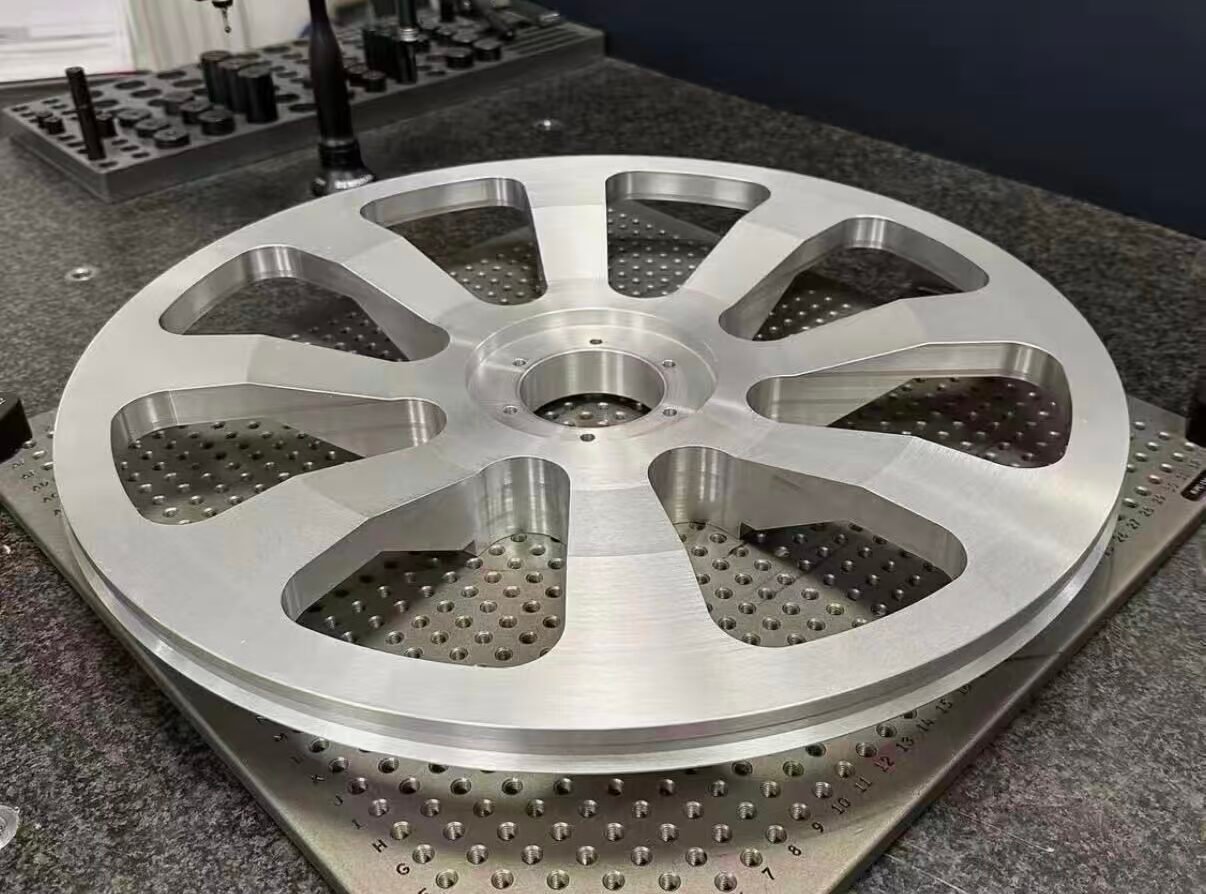
While 7075 is suitable for high-strength, lightweight, and load-bearing applications, machining it makes issues like internal stress release, tool wear, and surface treatment defects more likely to surface. Thin-walled 7075 parts requiring extensive material removal are prone to spring-back or warping after machining if subjected to aggressive heavy cutting.
In terms of process, 7075 generally requires consistent stock allowance, segmented machining, and sharp cutting tools. One should not prioritize speed alone regarding depth of cut, feed rate, and cooling; critical holes and mating surfaces are best addressed during the final finishing stage to prevent early-stage deformation from compromising final dimensions.
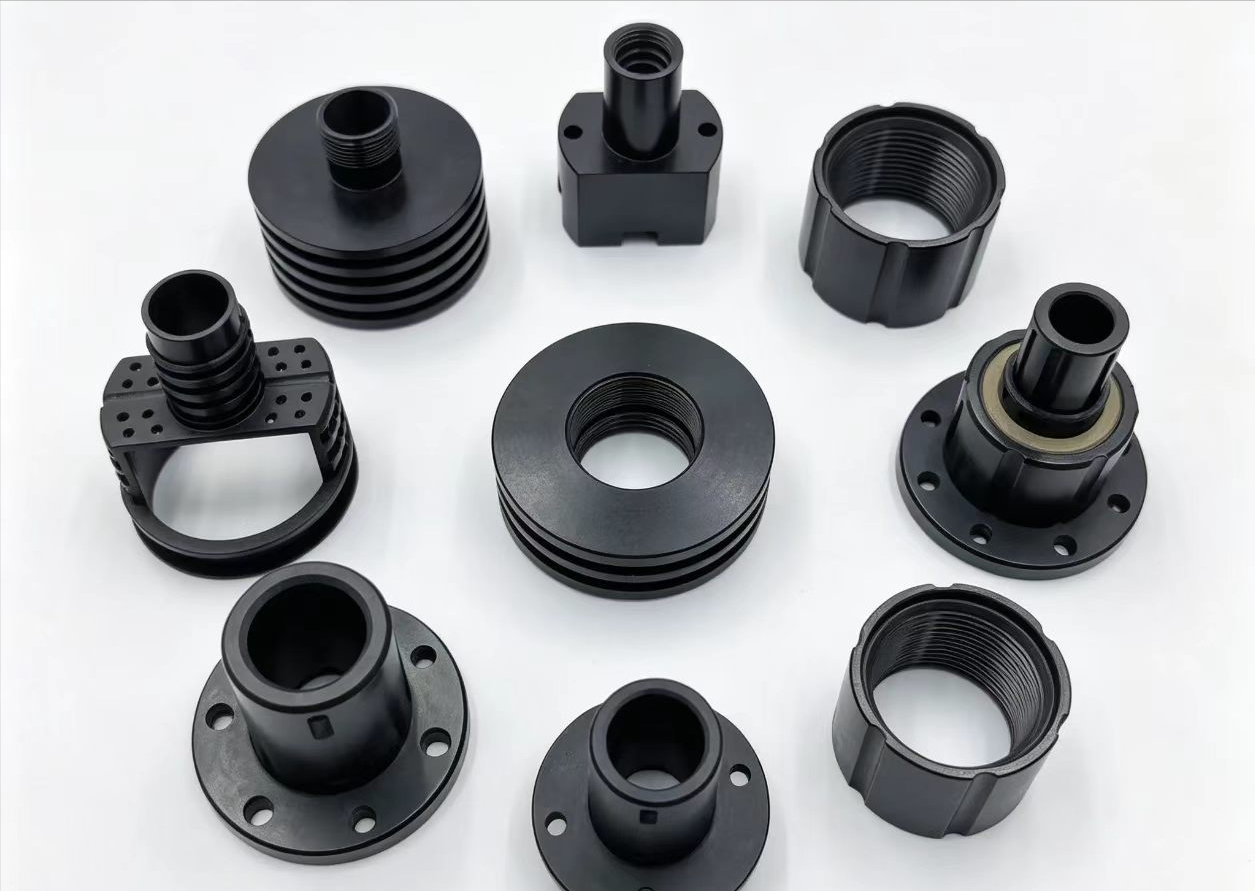
If black anodizing or hard-coat anodizing is required, color consistency and coating characteristics for 7075 should be discussed upfront. If procurement focuses solely on material strength while overlooking surface treatment and inspection requirements, it often leads to costly rework later on.
Common Misconceptions in CNC Machining 7075-T6 Aluminum:
The first misconception is the belief that 7075 is inherently “better” simply because of its higher strength. In reality, 7075 entails higher costs and greater risks regarding deformation and surface treatment outcomes.
A second common mistake is applying the same toolpath parameters to both 6061 and 7075 alloys. Differences in material properties affect tool load and dimensional stability.
A third mistake is focusing solely on machining costs while overlooking anodizing requirements. Surface treatment impacts final dimensions and the consistency of the finish.
Summary
The differences in CNC machining parameters for 6061 and 7075 stem from variations in strength, hardness, internal stress, heat generation during cutting, and surface treatment characteristics. While 6061 offers a more balanced profile, 7075 is better suited for high-strength, lightweight applications—though it requires greater attention to tooling, machining allowances, workholding, and potential color variations during anodizing. PRS (Precision) breaks down parameters and process risks based on structural and functional requirements.