2024 aluminum CNC turning
Performance Differences Between 2024, 6061, and 7075 Aluminum Alloys
Professionals in mechanical design and machining who work with aluminum alloys almost inevitably face a choice between three specific grades: 6061, 7075, and 2024.
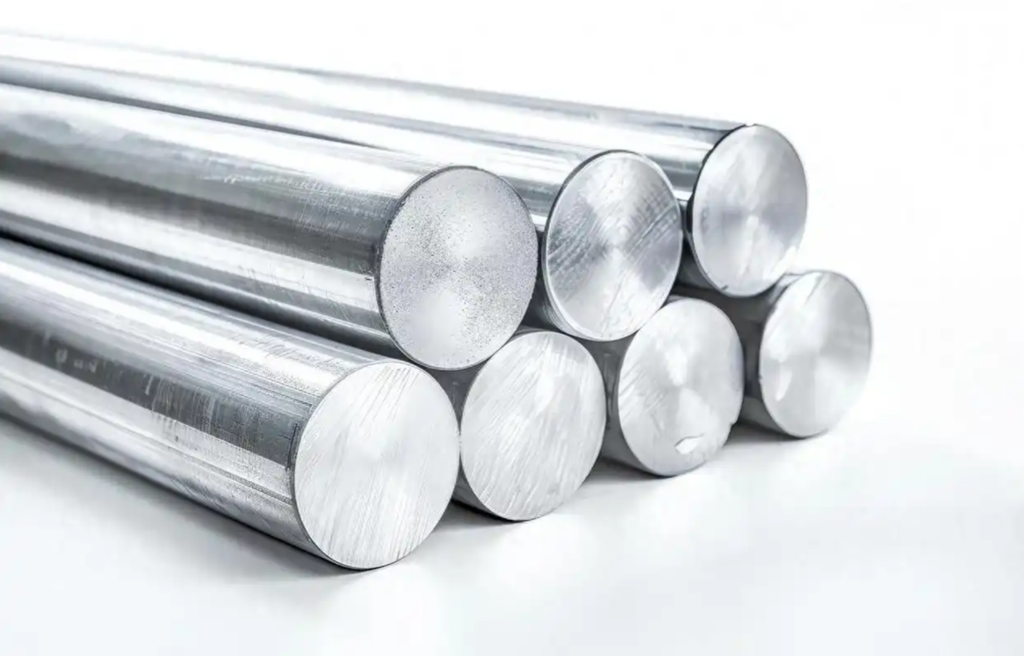
These are the most commonly used structural aluminum alloys in the industry, yet they are also the most frequently discussed and misunderstood. Many people use a simple logic for material selection: choose 7075 for high strength, 6061 for low cost, and 2024 for aerospace components.
However, real-world projects often reveal complications: 7075 offers high strength but is prone to cracking after welding; 2024 boasts excellent fatigue resistance but develops white spots after sitting in storage for six months; and 6061 is easy to machine but deforms under heavy loads.
Drawing on extensive experience in machining and product application, we have conducted a comprehensive comparison of the 6061, 7075, and 2024 alloys—covering everything from chemical composition and strengthening mechanisms to mechanical properties and processing characteristics. Our goal is to clarify their respective strengths, weaknesses, and ideal application scenarios. While previous articles focused largely on 6061 and 7075, today we will focus primarily on 2024.
The strength of 2024 falls between that of 6061 and 7075, yet it possesses a distinct advantage over 7075: exceptional fatigue resistance. Under cyclic loading, 2024 outperforms the other two alloys in fatigue resistance, which is the fundamental reason it is the material of choice for aircraft skins and fuselage structures.
There is little difference in density among the three alloys: 6061 is approximately 2.70 g/cm³, 2024 is about 2.78 g/cm³, and 7075 is about 2.81 g/cm³. All fall within the 2.7–2.8 g/cm³ range, offering similar lightweighting potential. Therefore, the key to selection lies not in density, but in balancing performance characteristics.
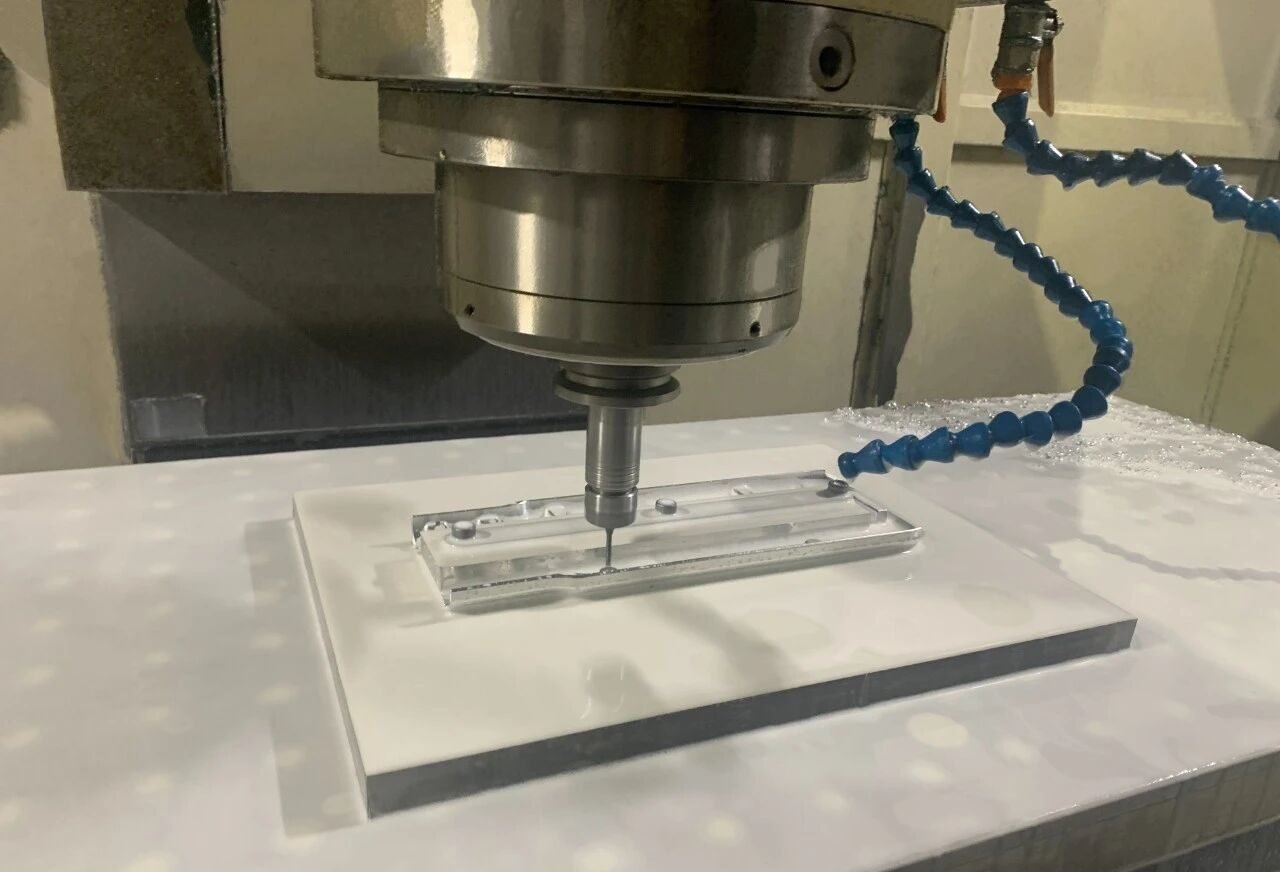
2024-T3: Tensile strength is approximately 440–485 MPa, yield strength is about 290–345 MPa, elongation is around 13%–15%, and Brinell hardness is approximately 120 HB. In the T4 temper (solution heat-treated and naturally aged), the tensile strength is approximately 400–470 MPa, the yield strength is about 260–325 MPa, and the elongation is higher, reaching 18%–22%.
2024 alloy also has poor corrosion resistance due to its high copper content (around 4%). The CuAl₂ phase formed by copper in the aluminum matrix has a higher electrochemical potential than the aluminum matrix itself; in humid or salt-spray environments, it acts as a cathode, accelerating the corrosion of the surrounding aluminum matrix and making the material prone to pitting and intergranular corrosion. Unclad 2024 material can develop visible corrosion pits after just a few months in a coastal environment. The aerospace industry’s solution is “Alclad”—hot-rolling a thin layer of pure aluminum (accounting for about 1%–5% of the total thickness) onto the surface of the 2024 sheet. Because pure aluminum has a lower electrochemical potential, it acts as a sacrificial anode to protect the core material. While Alclad 2024 offers significantly improved corrosion resistance, its surface hardness is lower, and if the cladding layer is removed during machining, the cut edges remain susceptible to corrosion.
Due to its high copper content, 2024 is also prone to hot cracking during welding. Consequently, these alloys are primarily joined via riveting, bolting, or adhesive bonding in aerospace manufacturing rather than welding. If welding is required, friction stir welding (FSW) is a viable option, though it entails high technical requirements and costs.
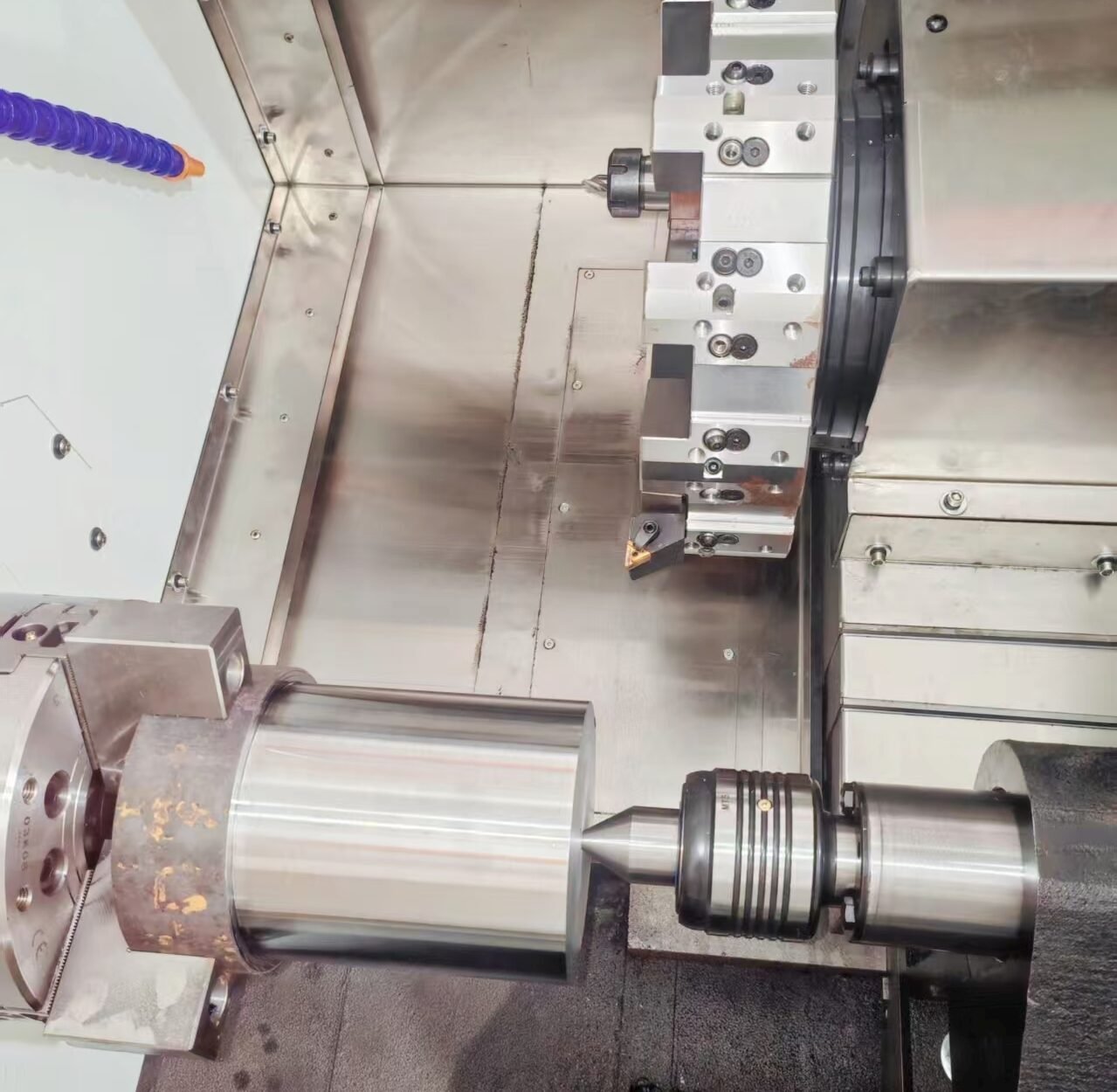
2024 also offers good machinability with excellent chip control. 6061 is relatively softer and prone to built-up edge formation during cutting; however, with the right choice of tools and parameters, it achieves high machining efficiency. Furthermore, the material is inexpensive and causes minimal tool wear, resulting in the lowest overall processing cost.
Choose 2024 for applications involving alternating loads, high fatigue life requirements, and aerospace structural components. Typical applications include aircraft skins, fuselage bulkheads, wing ribs, truck wheels, and hydraulic valve bodies. Note that Alclad versions should be used to enhance corrosion resistance, and riveting is the preferred joining method.
In summary: There is no absolute “best” or “worst” among the 6061, 7075, and 2024 aluminum alloys—only suitability for the specific application. 6061 excels in balance and cost-effectiveness, 7075 in ultimate strength, and 2024 in fatigue performance. The differences between them are not simply a matter of which is “better”; rather, they stem from variations in strengthening mechanisms dictated by alloy composition, which in turn lead to distinct profiles regarding strength, corrosion resistance, weldability, and fatigue performance.