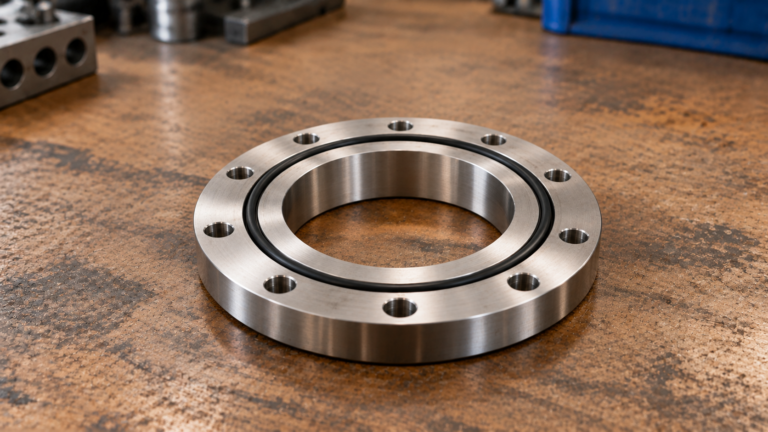
6061-T6 aluminum CNC milling service
Aluminum alloys are a popular choice for CNC machining due to their density and versatility. Machining aluminum alloys meets the requirements for both precision and high-efficiency production. With a wide variety of aluminum alloys available on the market, which ones are the most common for CNC machining? This article explains the five most popular aluminum alloys for CNC machining and provides details about each alloy and its characteristics.
6061-T6
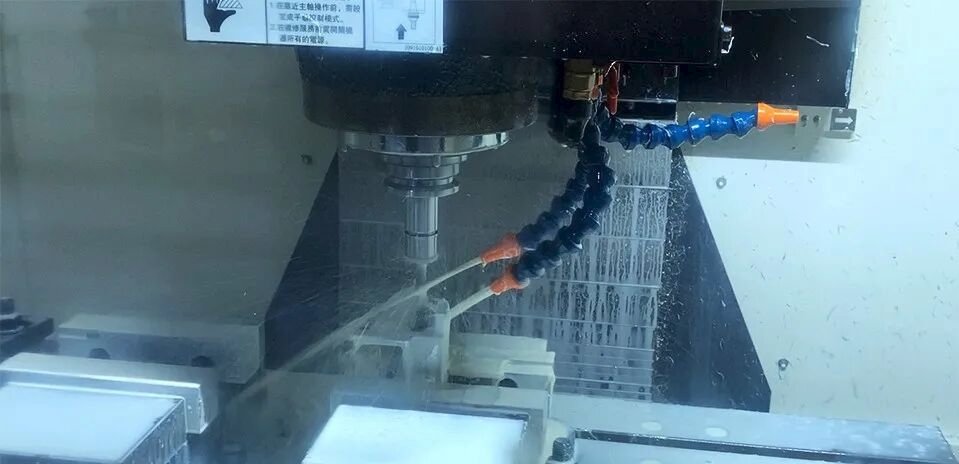
6061-T6 is one of the most popular aluminum alloys on the market and a standard grade for CNC machining. It offers a good balance of strength and machinability, while also allowing for very tight tolerances. It is widely used in the CNC machining industry and is easy to process. Engineers utilize this alloy in numerous applications, such as automotive chassis, bicycle frames, valves, and computer components.
7075-T6
Manufacturers use 7075-T6 aluminum for applications requiring high stress resistance or high performance. When properly treated, this grade offers considerable strength and excellent corrosion resistance. It is used in the aerospace and military industries, with typical applications including aircraft fittings, missile components, and fuse parts. However, there are trade-offs when using 7075-T6; it is more expensive and less versatile than many other aluminum grades. Additionally, this grade is more prone to cracking and has lower elasticity compared to other aluminum alloys.
2024-T4
2024-T4 aluminum is a standard alloy used for sheets, plates, and profiles across various applications. It is commonly found in welding electrodes and components that require high purity and strength at elevated temperatures. The primary use of 2024-T4 is in the aerospace industry.
It is typically used to manufacture aircraft fuselages, transport vehicle parts, and wing tension members. However, it is susceptible to corrosion from acids, alkalis, or seawater. It also possesses high thermal conductivity, meaning it can be heat-treated to form a very brittle material.
MIC 6
This is the best alloy for producing stable plates capable of maintaining tight tolerances. MIC 6 aluminum features a unique combination of alloy composition and casting methods, placing it in a distinct category of its own. Compared to other aluminum alloys, this metal offers a superior strength-to-weight ratio, excellent precision, good elasticity, and outstanding thermal stability, all while remaining relatively easy to machine. However, this alloy has a drawback: threads tapped into MIC 6 lack sufficient strength, making them prone to early failure. Engineers and manufacturers should keep this limitation in mind during the material selection phase.
6082
6082 aluminum boasts high tensile strength and excellent corrosion resistance. It is an excellent choice for manufacturers seeking enhanced performance at an affordable price point. 6082 aluminum is well-suited for general-purpose applications requiring superior toughness. Widely used in the construction industry, it is particularly appropriate for bridges, towers, and trusses. However, product designers should note that manufacturing thin-walled components from 6082 aluminum presents significant challenges.
While there are many other grades available, these five serve as a representative sample for your reference.
Next, let’s analyze a specific machining case study:
Case Study: Deformation and dimensional runout of up to ±0.3mm in a thin-walled aluminum housing

Machining Background:
- Material: 6061-T6 aluminum alloy
- Wall thickness: 1.5mm; Length: 420mm
- Severe warping observed after finishing; batch pass rate below 50%
Solutions:
- Pre-heat treatment aging: Heat at 160°C for 1 hour to relieve internal stress
- Split rough machining into two stages, with a 12-hour interval for natural stress relief
- Use a vacuum workholding fixture instead of a traditional vise to prevent clamping damage and deformation
- Maintain constant temperature throughout machining, controlling fluctuations within ±1°C
Results: Deformation controlled within ±0.03mm; stable mass production achieved.