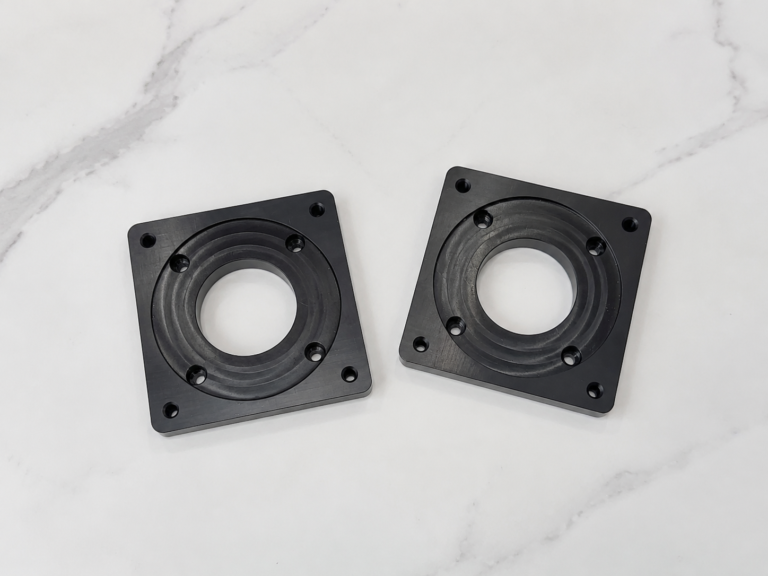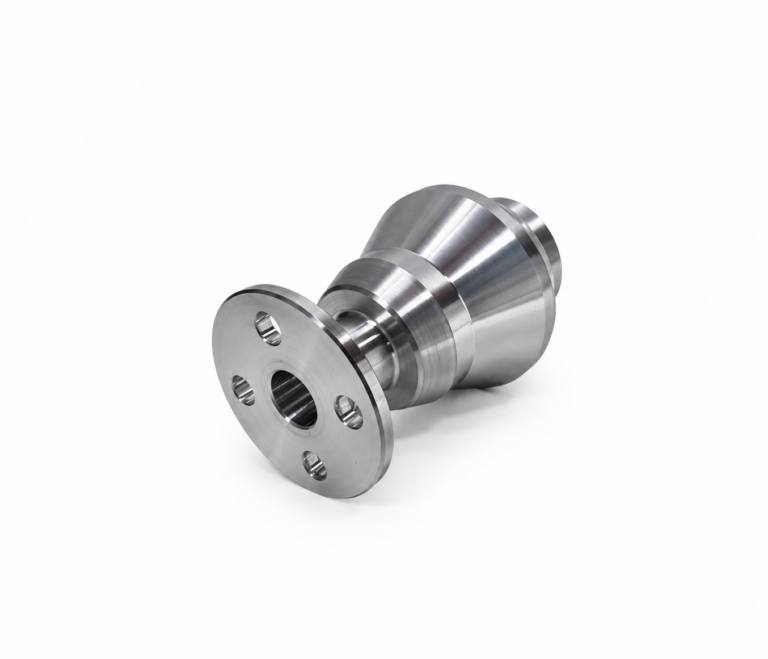
rush CNC machining job shop
Hard Benchmarks for CNC Part Customization: High Precision and Reliable Delivery
Dongguan Precision Hardware Products Co., Ltd. possesses mature precision machining processes and large-scale production capabilities, establishing itself as a key supplier of custom CNC parts and non-standard precision components for both domestic and international markets.
We cater to a wide range of client needs across high-end manufacturing sectors—including electronics and appliances, new energy, industrial control equipment, medical devices, automotive, and aerospace/defense—handling everything from non-standard precision part customization and small-batch prototyping to mass production.
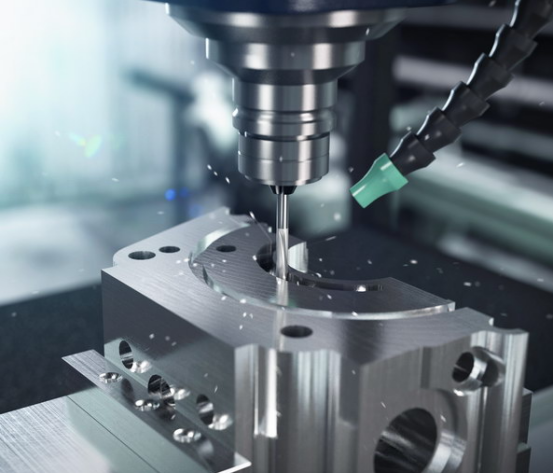
For manufacturing procurement professionals and R&D engineers, selecting a reliable CNC customization partner is not merely about low prices; success hinges on four core dimensions: machining precision, quality control systems, delivery efficiency, and material compatibility.
Most small-scale workshops on the market are limited to processing standard parts; they struggle to meet the high-end customization demands of enterprises—such as micron-level precision, complex irregular shapes, specialized materials (like stainless steel or aluminum alloys), and rapid delivery for urgent orders.
Drawing on years of industry experience, repeat customer data, equipment specifications, and core technical capabilities, this article shares the insights and logic behind our ability to deliver high-quality results rapidly.
Why are small-batch orders more prone to delivery delays?
Traditional machine shops often favor large-volume orders, frequently deprioritizing or even rejecting small orders (under 50 units) or prototyping requests. The primary reason is that preparatory steps—such as tool changing, programming, and fixture setup—are essentially the same for small and large batches. When these costs are amortized across individual units, small batches yield lower profits and higher relative costs, making factories less willing to schedule them.
However, the landscape of the precision manufacturing industry has shifted; demand for R&D pilot runs and customized small-batch orders has surged. Success in small-batch precision machining is not determined by the sheer number of machines, but by a factory’s scheduling flexibility, process responsiveness, and capacity for refined service—qualities that give PRS a competitive edge in capturing the small-batch precision machining market.
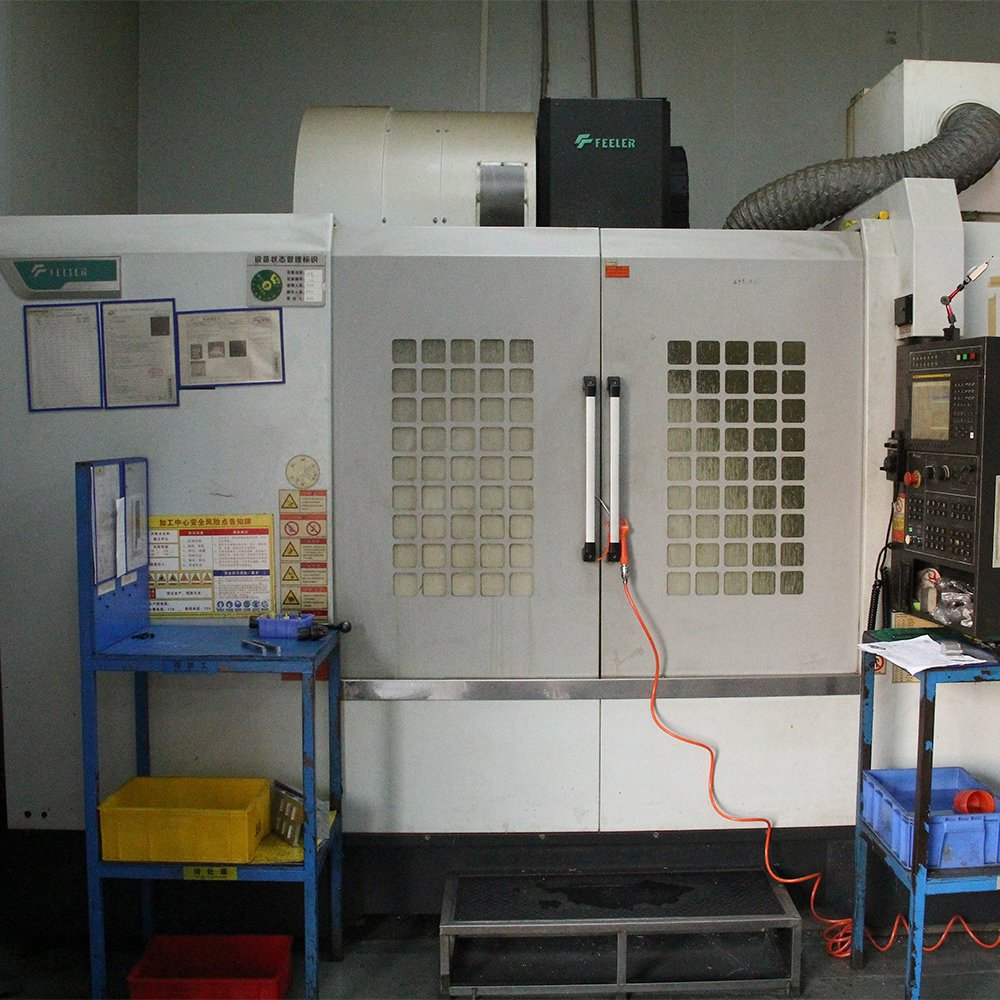
A Three-Tiered Delivery System Tailored to Diverse R&D and Production Needs
Drawing on years of practical industry experience, we have established a clear, flexible three-tiered delivery system designed to balance speed with consistent quality, catering to a wide range of order requirements:
Standard Prototyping (3–5 days): Upon receipt of customer drawings, we complete process assessment and preliminary costing within one hour. A dedicated prototyping engineer manages the project and schedules production independently—avoiding conflicts with mass production orders—to ensure a smooth workflow covering sample processing, inspection, and shipment.
Urgent/Rush Prototyping (24–48 hours): To meet the needs of clients facing tight R&D deadlines or urgent projects, our factory maintains a permanent 15–20% capacity buffer specifically for rush sample orders. We rapidly execute programming, workholding setup, machining, and inspection to ensure project milestones remain on track.
Small-Batch Production (7–10 days): For small-to-medium batches of 200–500 units, we seamlessly transition to mass production processes once the prototype design is validated. By utilizing established parameters and tooling—eliminating the need for repeated setup adjustments—we ensure both rapid delivery and consistent batch quality.
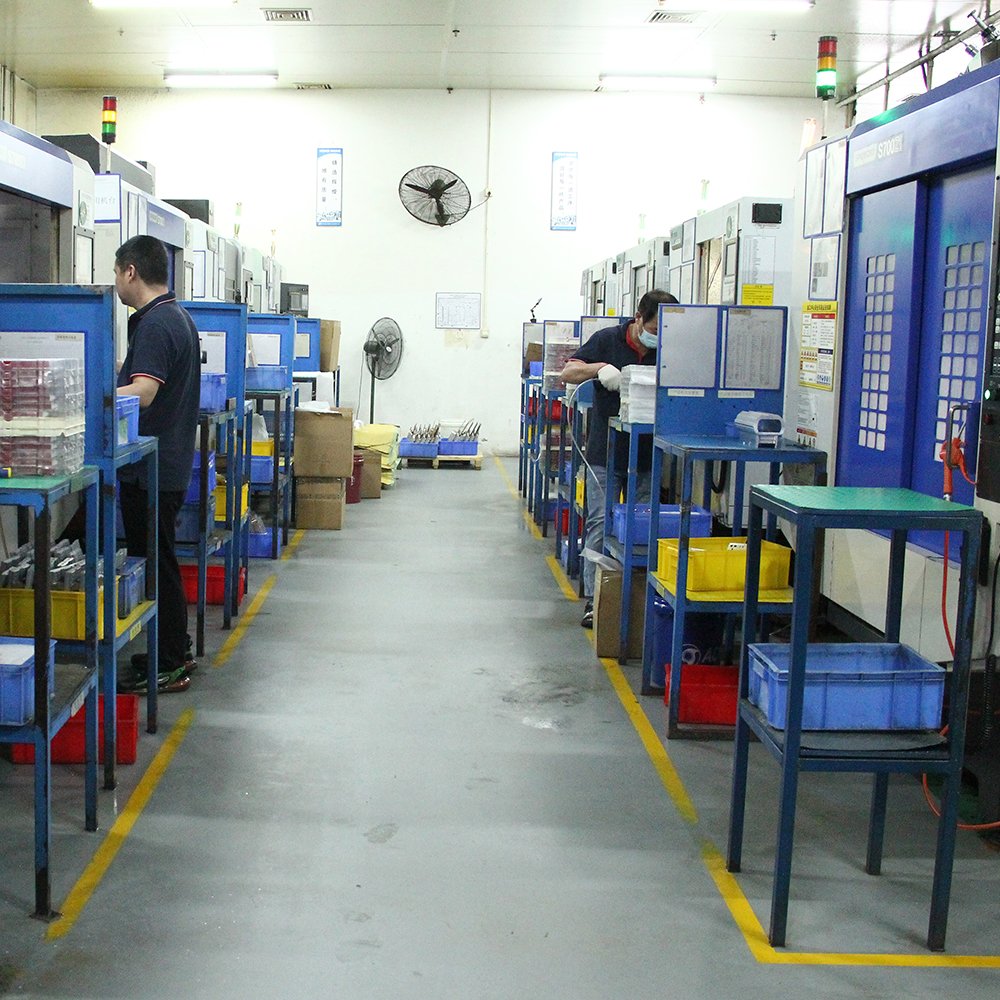
Speed Backed by Solid Process Expertise and Equipment Capabilities
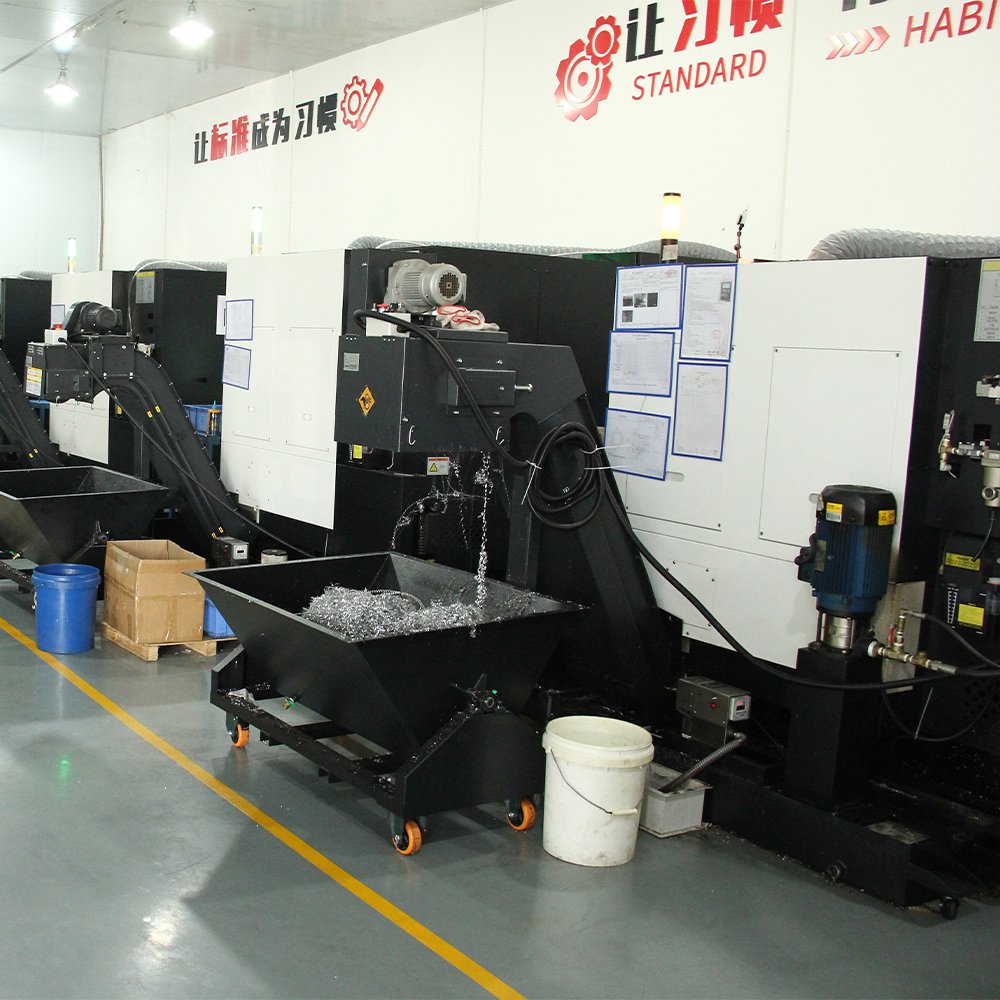
Machining delivery must never prioritize speed at the expense of stability; true delivery speed relies on robust hardware and mature processes. PRS utilizes high-precision machining equipment—including US-made Haas 3-axis and 4-axis machines and Mazak 5-axis machines—paired with German Zeiss CMM precision inspection instruments. Operating within a temperature-controlled workshop environment, we maintain stable batch machining precision within a tolerance of 0.003–0.005 mm.
In reality, the core challenge of small-batch machining lies not in the cutting process itself, but in the ability to rapidly execute precise process assessments, efficient programming strategies, and suitable workholding designs. Leveraging 18 years of process expertise, we have standardized and streamlined these time-consuming preparatory tasks, fundamentally shortening lead times while eliminating the need for repetitive adjustments and rework.
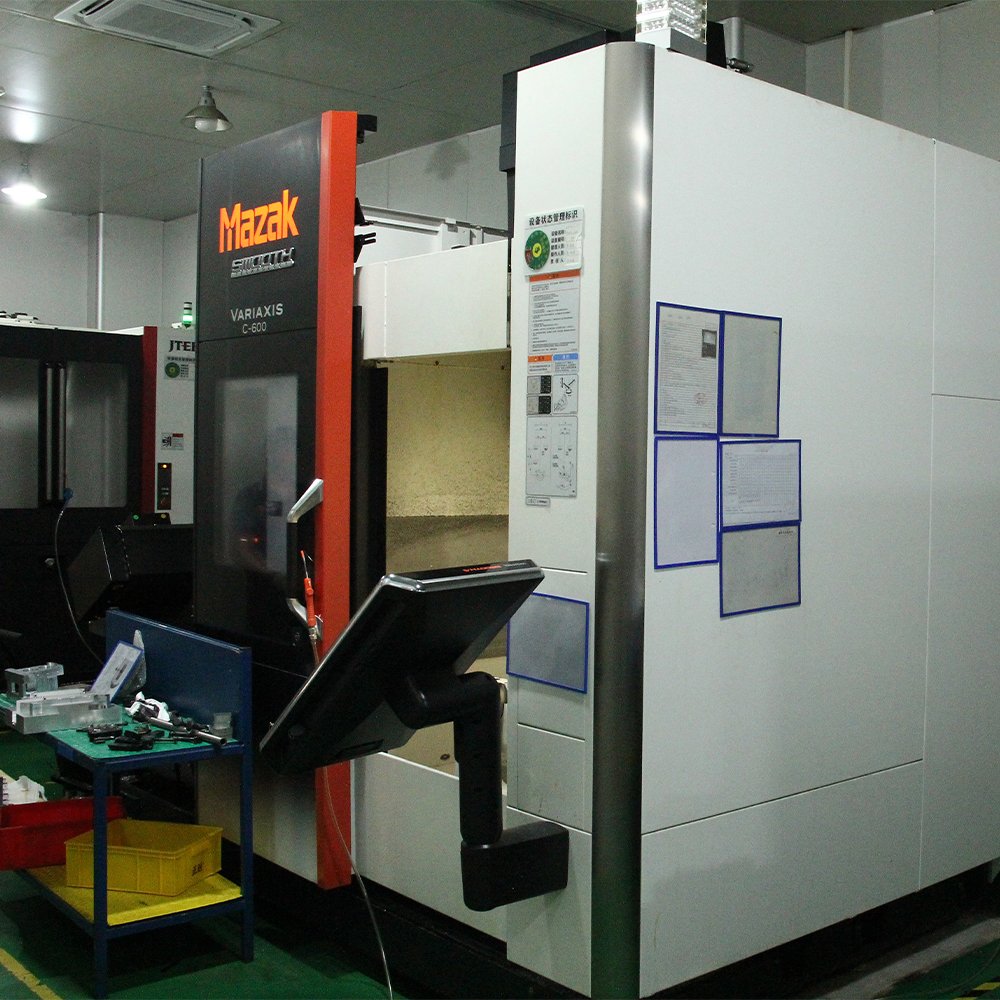
Proven delivery performance demonstrating reliable capabilities
Industry data shows that if the sample prototyping cycle exceeds seven days, the overall project R&D schedule typically lags by 8–10 days, causing missed opportunities for iteration. PRS maintains strict control over delivery timelines, achieving an on-time delivery rate of 98% or higher for samples and small-batch orders. We ensure rapid response throughout the entire process—from initial prototyping to final mass production—and flexibly accommodate needs such as design revisions, product validation, and urgent rush orders to fully support our clients’ project progress.
No more waiting in line or facing schedule delays for small-batch CNC orders! PRS supports production starting from a single unit with no minimum order quantity (MOQ) requirements, specializing in high-precision, small-batch machining. Contact us anytime for custom machining to receive a personalized delivery assessment and a tailored technical solution.