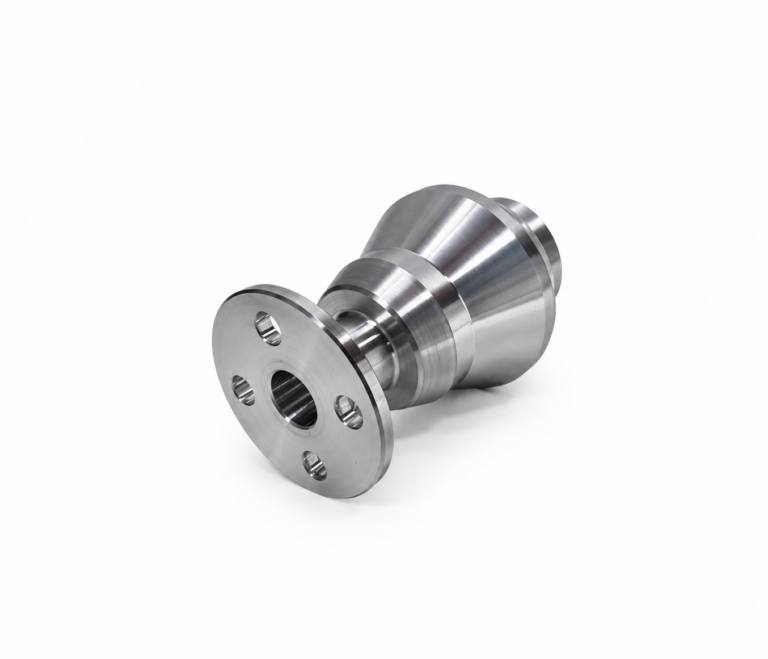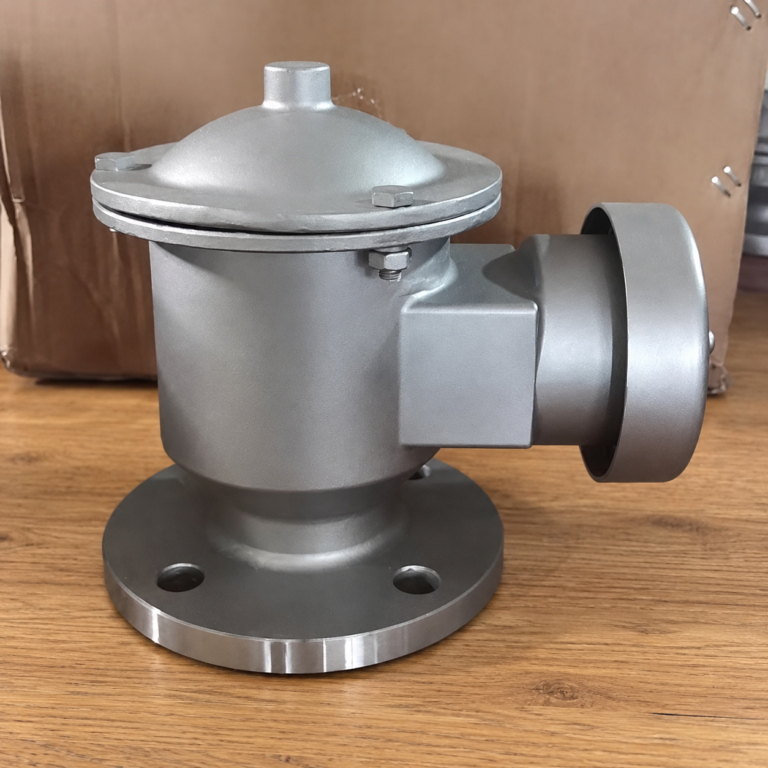
CNC machining with anodizing aluminum parts
What are the common methods for CNC aluminum alloy part machining?
Aluminum alloy processing is primarily categorized into two types: casting aluminum alloy processing and wrought aluminum alloy processing. Requirements for controlling alloy composition vary depending on the grade.

Five common methods of aluminum alloy processing:
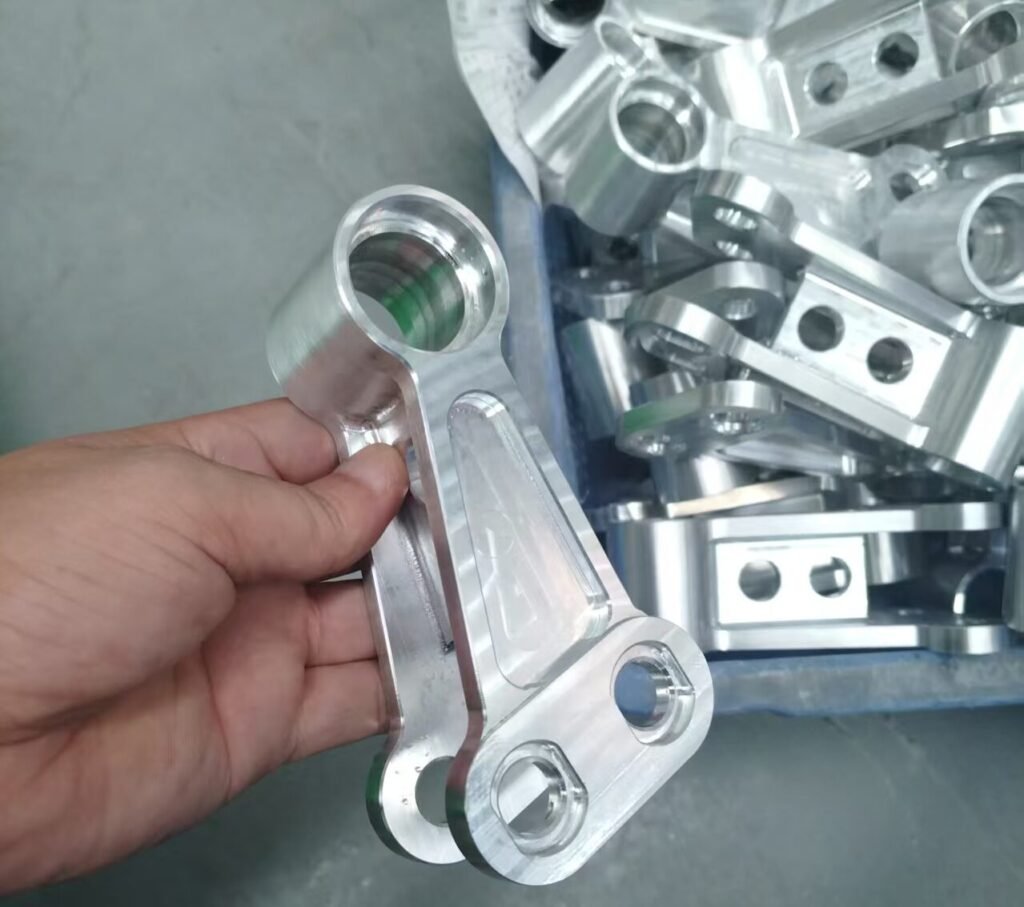
1. Post-processing (Oxidation/Anodizing):
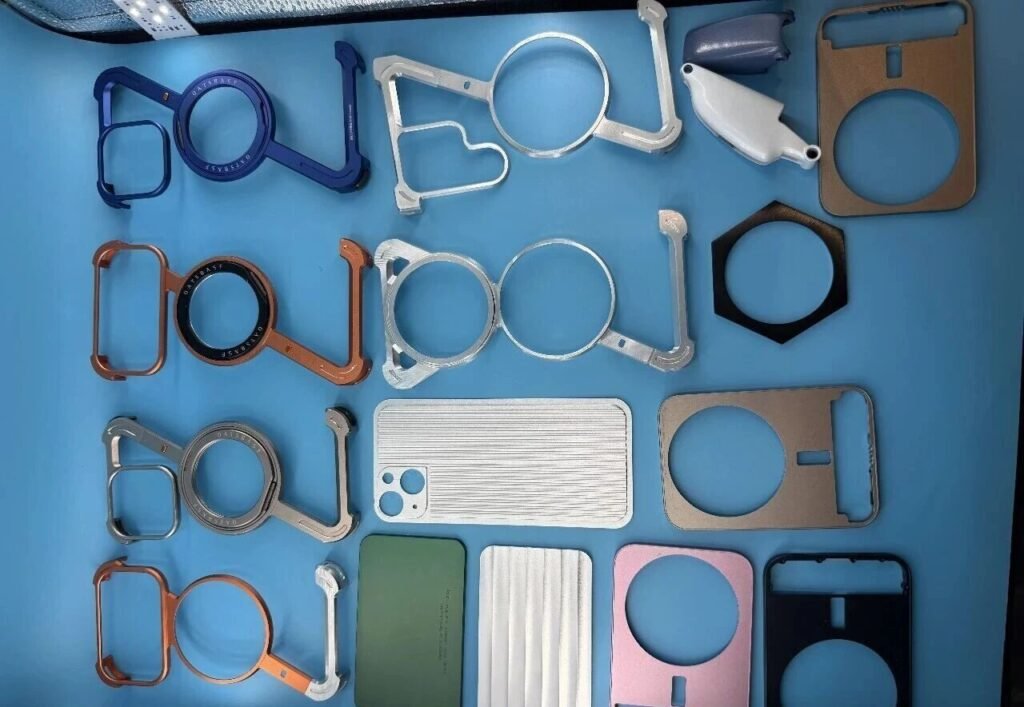
Since aluminum alloys are prone to oxidation, surface treatment is necessary to enhance wear and corrosion resistance while also improving the aesthetic appeal of the surface.
2. Extrusion Forming:
A mold is created to define the product’s shape; semi-finished aluminum material is fed into the mold and shaped using an extrusion press. After the desired shape is achieved, small-batch CNC machining is performed to meet specific order requirements.
3. Casting Forming:
Technicians typically use casting techniques as the initial processing step, pouring molten aluminum into molds to cast the required products.
4. Impurity Removal (Smelting):
The smelting process is carried out in a furnace to remove impurities, ensuring superior product performance.
5. Alloying (Ingredient Preparation):
Aluminum is inherently soft, so other elements must be added during processing to increase hardness; specific material blends are prepared to achieve the required alloy hardness.
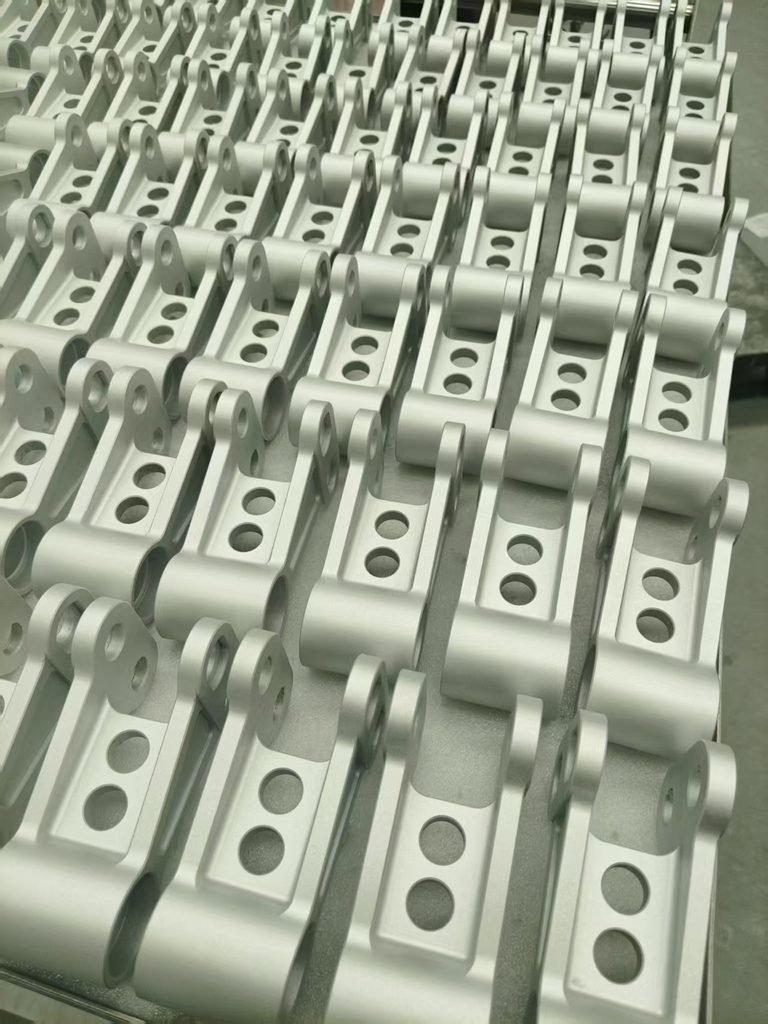
Ten key considerations for aluminum alloy processing:
1. During processing, operators must constantly monitor the machine for issues such as mold release problems. If a minor issue occurs, the machine may be stopped for inspection and adjustment before resuming production.
2. Upon receiving drawings and specifications, post-processing treatments—such as anodizing or spray painting—are applied to the aluminum alloy’s surface.
3. Consideration must also be given to the wall thickness of the aluminum alloy part; excessive variations in thickness can adversely affect mold filling.
4. Structurally, avoid designs that complicate the mold assembly—such as those requiring multiple core-pulling mechanisms or helical core-pulling—whenever possible.
5. Factor mold design into the process; if multiple core-pulling positions are required, place them on the sides rather than at the bottom. Bottom-positioned core-pulling mechanisms in aluminum alloy die-casting are prone to malfunctions over time.
6. Many older stamping machines currently in use have control and electrical systems that pose safety risks; if these machines are to remain in service, they must undergo technical upgrades. Manufacturers should improve product designs to ensure the safety and reliability of stamping equipment.
7. For high-volume CNC production, mechanization and automation can be achieved by optimizing aluminum alloy processing techniques and mold designs. Measures include using automated, multi-station stamping equipment; employing multi-die setups with mechanized loading and unloading systems; and utilizing progressive or compound dies to consolidate CNC processing steps. These measures not only enhance safety during stamping operations but also significantly boost production efficiency.

8. For small-batch CNC operations where automation or specialized safety tools are not feasible, safety guards must be installed to prevent injuries caused by operator error. Since different types of guards have specific characteristics and applications—and improper use can still lead to accidents—it is essential to understand their functions to ensure correct usage and operational safety.
9. Due to the relatively poor corrosion resistance of aluminum alloys, and given that some CNC workshops have humid or corrosive environments—which can cause short circuits or damage internal components—corrosion prevention measures must be implemented during the processing of aluminum alloys.
10. Manufacturers should improve product designs to ensure the safety and reliability of stamping equipment. During aluminum alloy processing, components should be replaced promptly upon signs of damage to prevent the production of defective parts.