Outer Diameter, Axle Bore and Retaining-Ring Groove Machining of Rollers
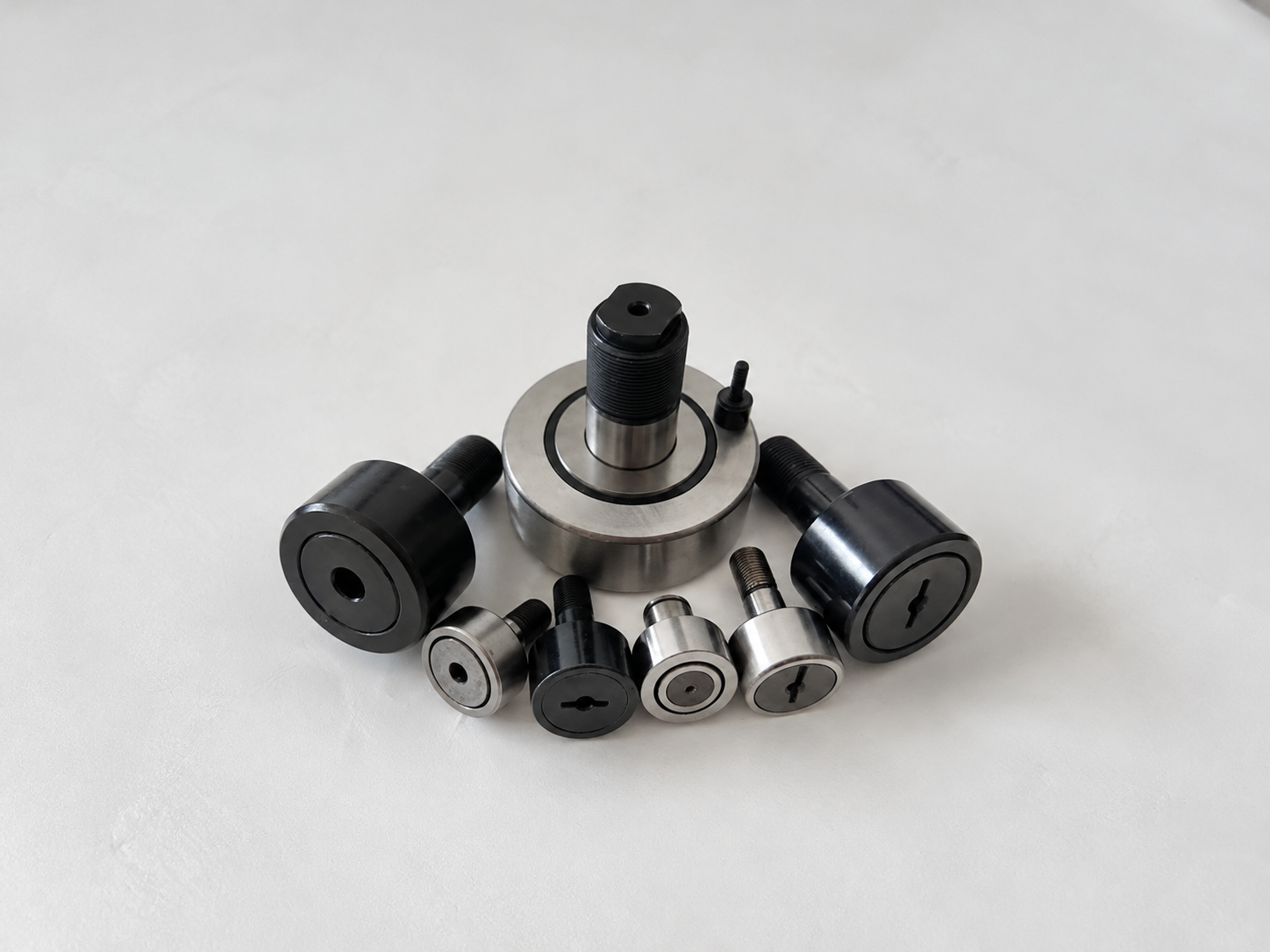
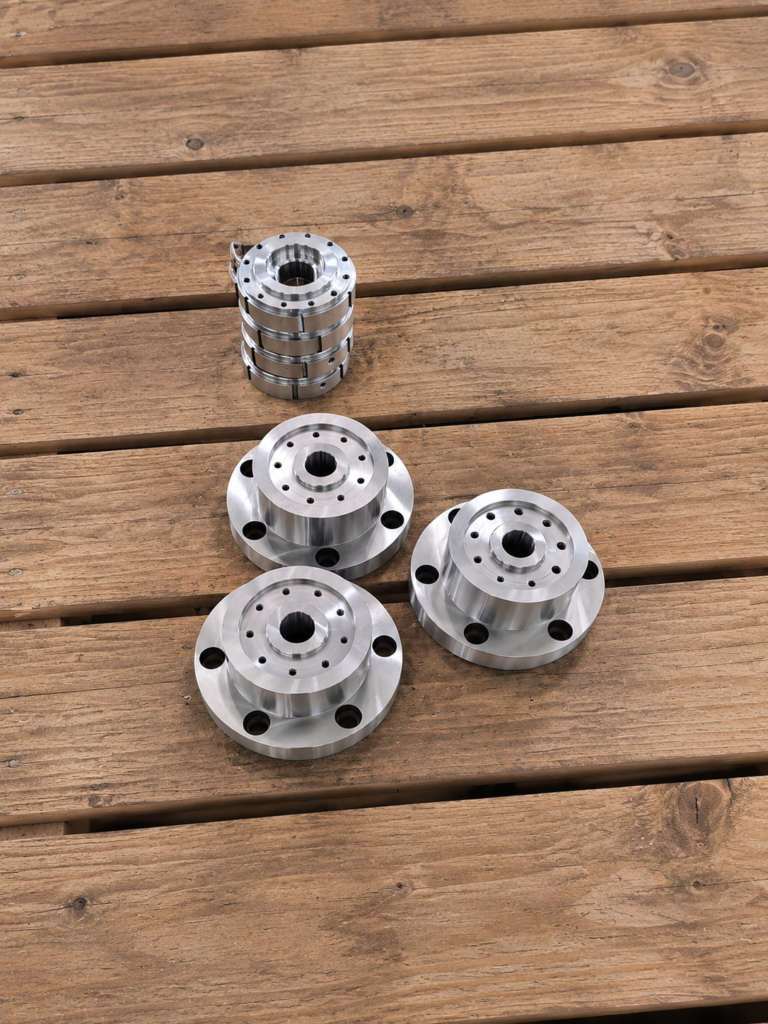
Roller CNC machining depends on three connected features: the outer running surface, the axle bore and the retaining-ring groove. The roller rotates around the bore, while the groove controls its axial position after assembly.
For this reason, the machining plan is built around a common centerline rather than treating each diameter as an independent feature.
Establish the Centerline Through the Bore
The blank is faced before a center drill starts the axle hole. Drilling removes most of the internal stock, but the drilled surface is not always used as the final running or bearing surface.
Boring follows the drilled path and corrects the hole relative to the spindle axis. When the bore requires a smoother, consistently sized surface, reaming can complete the final cut.
Finishing the bore in the first setup provides a locating feature for later operations if the roller must be reversed.
Turn the Outer Running Surface
Rough turning brings the outside close to its finished diameter while leaving enough material for a continuous finishing pass. The tool should remain engaged steadily across the running surface to avoid visible steps between passes.
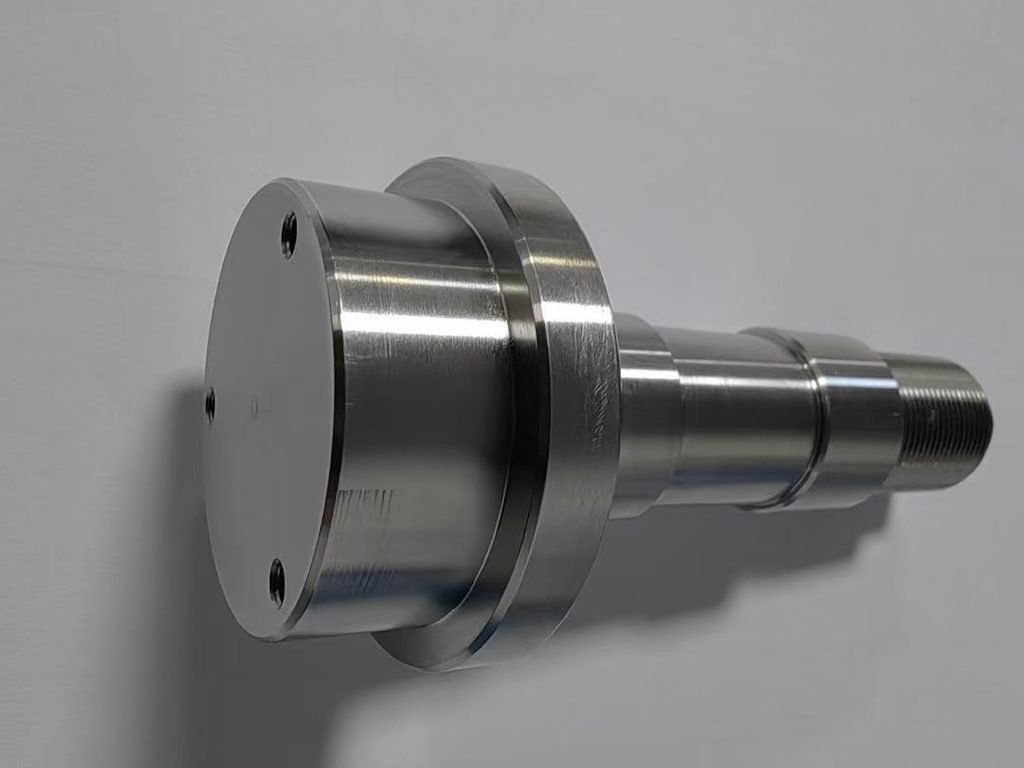
Wide rollers may require more than one roughing cut. Material is removed evenly so the remaining wall does not become unbalanced around the bore.
The finishing cut establishes the final outer diameter and its relationship to the completed axle hole. Shoulders or edge profiles are turned immediately afterward while the component remains on the same axis.
Add the Retaining-Ring Groove
A retaining-ring groove is narrow compared with the main diameter, but its axial location determines where the ring holds the roller.
The groove tool enters radially and cuts to the programmed depth. Tool width may form the complete groove in one pass, or the cutter may move sideways to produce a wider feature.
Before cutting, the program must account for three details:
- groove distance from the roller face;
- groove width for the selected retaining ring;
- groove depth below the adjacent diameter.
A short dwell at the bottom may help complete the groove, but excessive dwell can leave tool marks or increase cutting heat.
Reverse the Roller for the Second Face
If both sides contain shoulders, seals or grooves, the roller is reversed after the first end is complete. An expanding mandrel can locate from the finished bore, while soft jaws may hold a completed outer diameter.
The second face is machined to final width. Any remaining shoulder or retaining feature is then produced from this new face reference.
Clamping force should be controlled when the wall between the bore and outer diameter is thin. Excessive pressure can distort the roller during machining and allow it to recover after removal.
Complete the Edges Without Changing the Fit
Burrs at the bore entrance can interfere with the axle, while burrs in the groove can prevent the retaining ring from seating fully. Small edge breaks are therefore added without widening the functional features.
The roller is cleaned after machining so chips do not remain inside the bore or groove. A well-planned roller CNC machining sequence keeps the running surface concentric with the axle bore and places the retaining-ring groove from a finished end face.