Preventing Repeated Manifold Plug Leakage
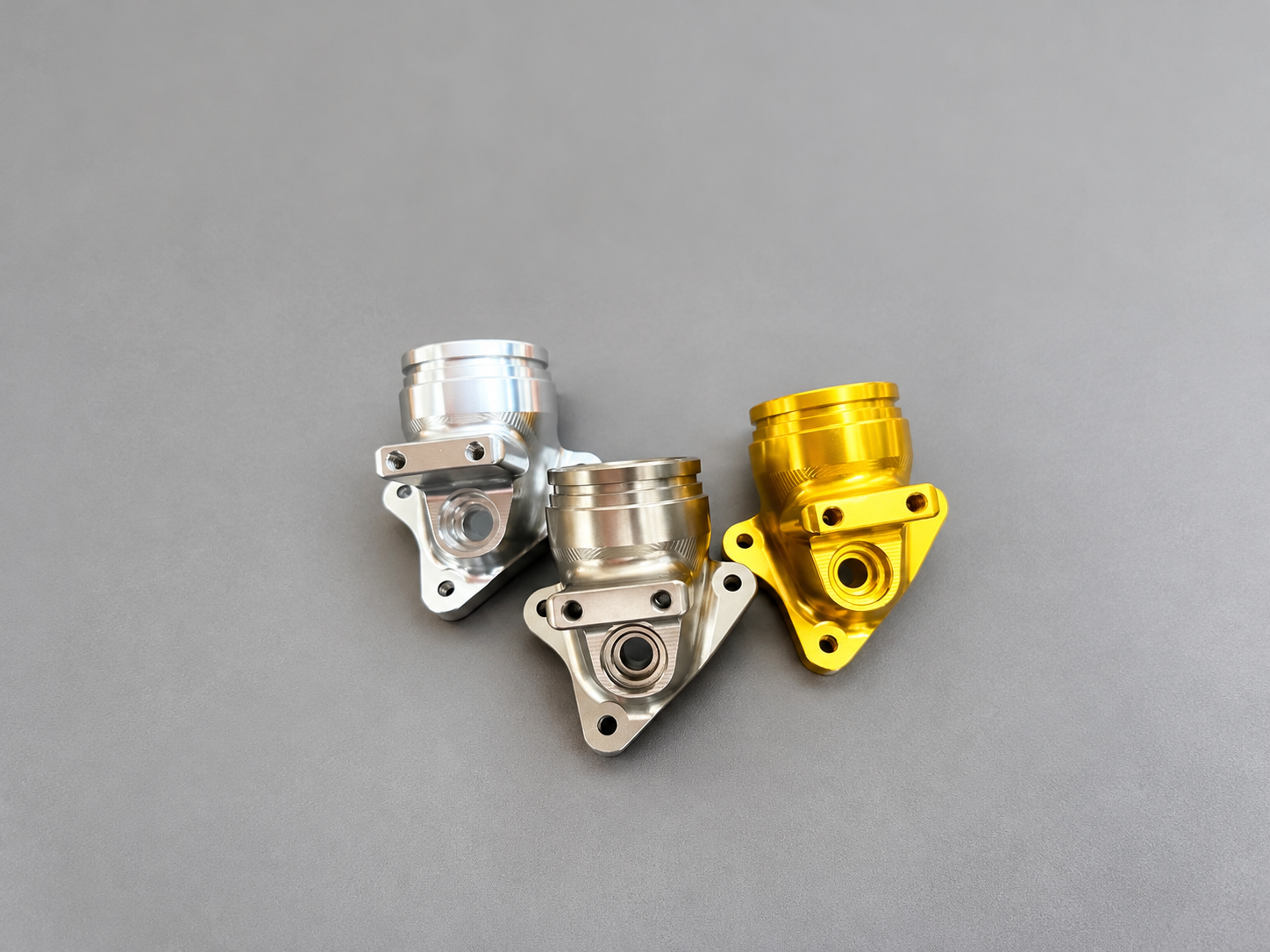
Manifold plug leakage repeatedly appeared at the same port during pressure testing. Replacing the plug and applying additional sealant reduced the leak temporarily, but the problem returned after several pressure cycles.
Other ports using identical plugs remained sealed. This indicated that the plug itself was unlikely to be the main cause.
The investigation therefore focused on the machined port and its sealing features.
Why the Same Port Kept Leaking
The leaking port was located near the intersection of an internal flow passage. Although its thread passed a standard gauge check, closer inspection showed that the effective thread depth was inconsistent near the bottom.
A small burr from the intersecting passage also remained close to the sealing area. During assembly, it prevented the plug from reaching a stable seating position.
The plug felt tight, but the sealing load was not distributed correctly.
Thread Accuracy Was Only One Requirement
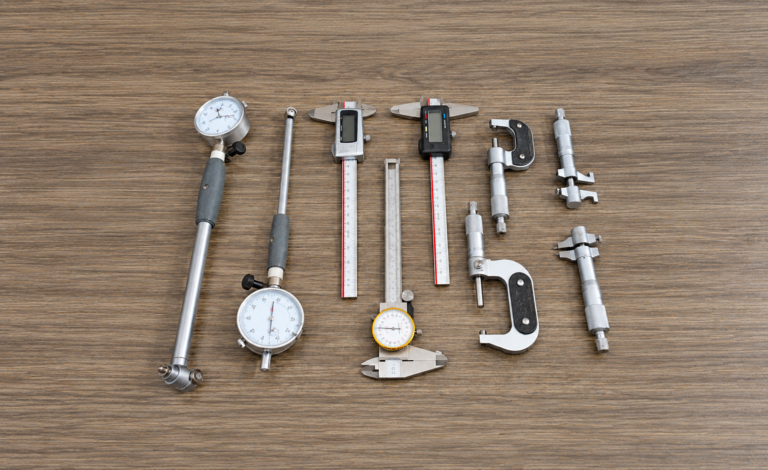
A thread gauge confirms whether a thread falls within its acceptance range, but it does not verify the complete sealing condition.
The entry chamfer, usable thread length, perpendicularity, and bottom clearance also influence how the plug seats. If the tap approaches an internal passage or blind-hole bottom, incomplete threads can reduce engagement.
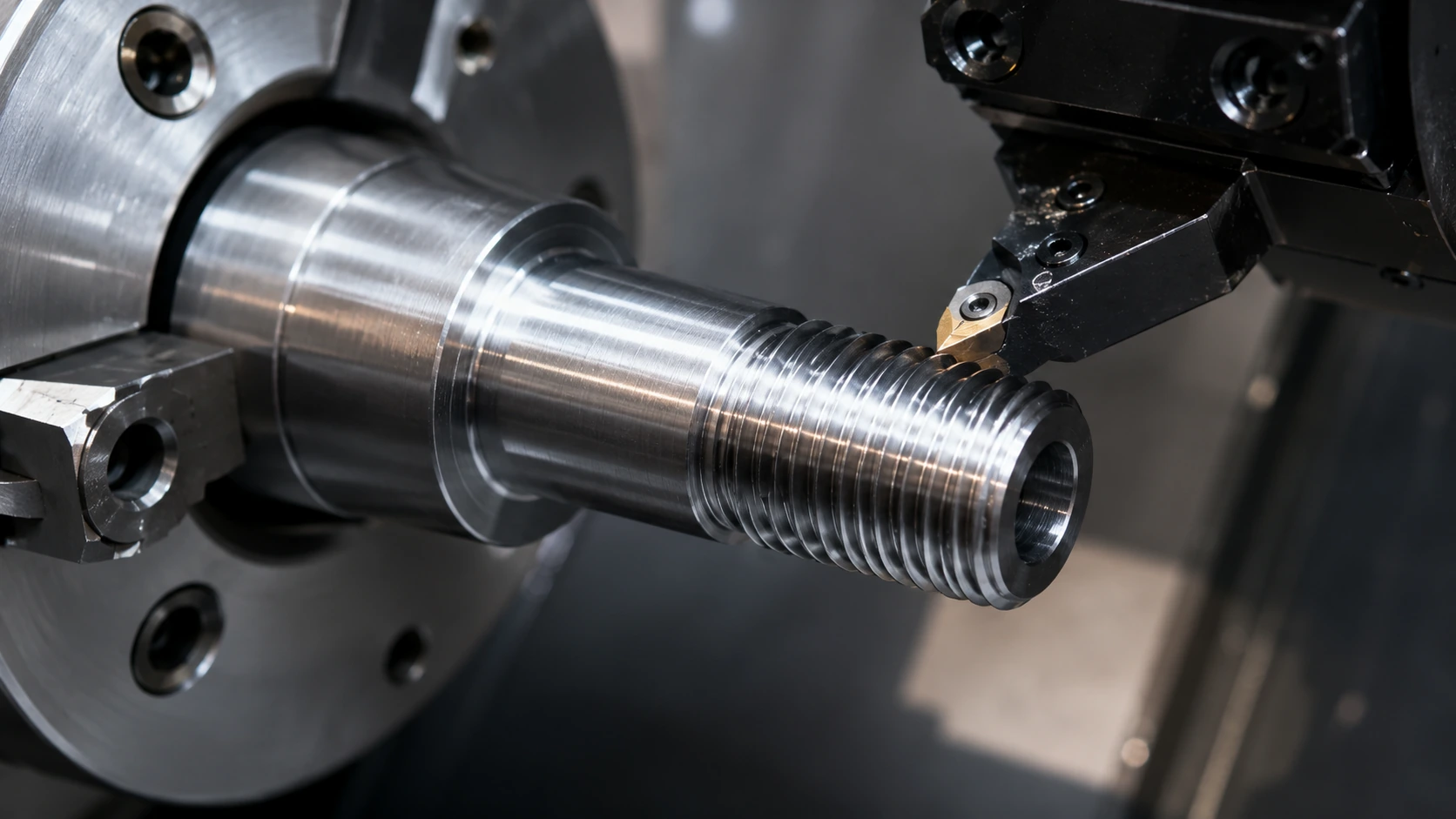
The machining program was revised to control thread depth relative to the actual port geometry. Tool wear and chip accumulation were also monitored to prevent changes between parts.
Correcting the Sealing Surface
The port used a plug with a sealing washer. Its spot face therefore needed to be flat and perpendicular to the threaded axis.
A dedicated finishing operation was added to produce a continuous seating surface. Circular tool marks, local steps, and edge damage were checked because any path crossing the sealing boundary could allow fluid to escape.
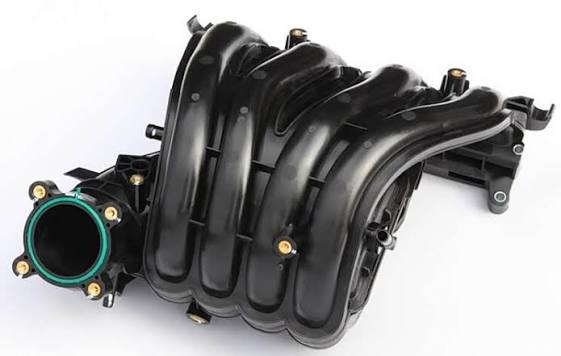
For tapered threaded plugs, the inspection method would instead focus on thread form, engagement position, and the specified sealing compound.
Removing Hidden Burrs
Intersecting holes can leave burrs that are difficult to see from the outside. These burrs may break loose during assembly or prevent the plug from reaching its intended depth.
The internal passage was inspected with suitable lighting and magnification. A controlled deburring process removed the remaining edge without enlarging the passage or damaging the sealing geometry.
The component was then cleaned to remove chips and debris from the internal channels.
Confirming the Repair
The corrected manifold was assembled using the specified plug, washer, torque, and sealant procedure. Each variable was kept consistent so the machining correction could be evaluated properly.
The part passed the initial pressure test and repeated pressure cycles without leakage. Plug position and torque remained stable after testing.
This manifold plug leakage case showed that repeated micro-leaks are rarely solved by applying more sealant alone. Thread geometry, seating surfaces, intersecting-hole burrs, cleanliness, and assembly conditions must be evaluated as one sealing system.
We manufacture CNC manifolds with intersecting passages, threaded ports, sealing faces, and pressure-tested connections. Send us your drawing, working pressure, fluid type, plug specification, and leak-test requirement for a manufacturability review.