Waterproof Aluminum Enclosures for Outdoor Communications
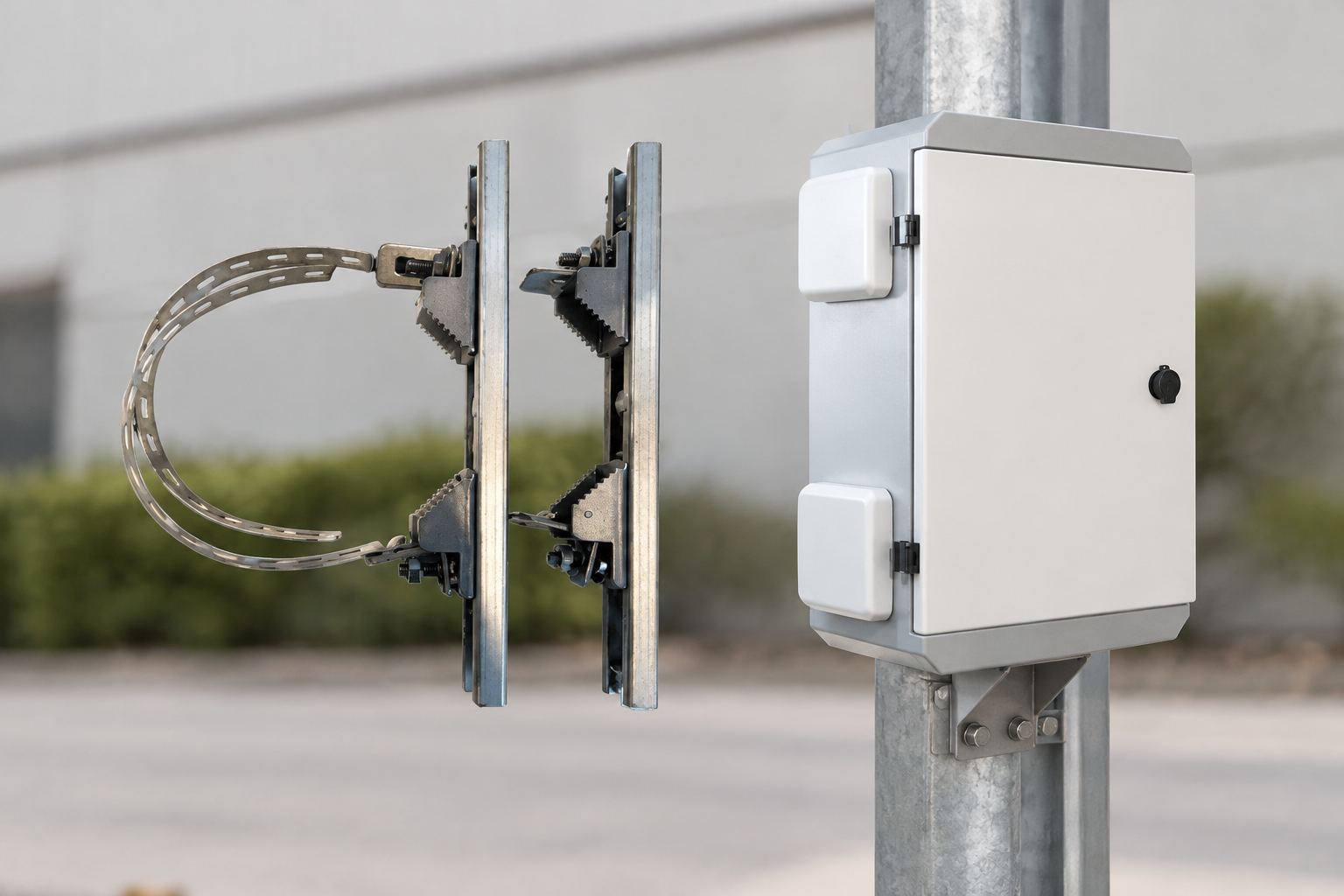
Waterproof aluminum enclosure machining must control more than the outside dimensions. A housing can look accurate and still allow moisture to enter through a distorted sealing face, incorrect gasket groove, or poorly positioned fastener hole.
In this case, the enclosure assembled normally but showed leakage during the initial water test. The investigation followed the complete sealing path rather than checking only the gasket.
Tracing the Leak Path
Inspection found no visible damage on the gasket. However, contact marks around the enclosure were uneven, indicating that compression was not consistent.
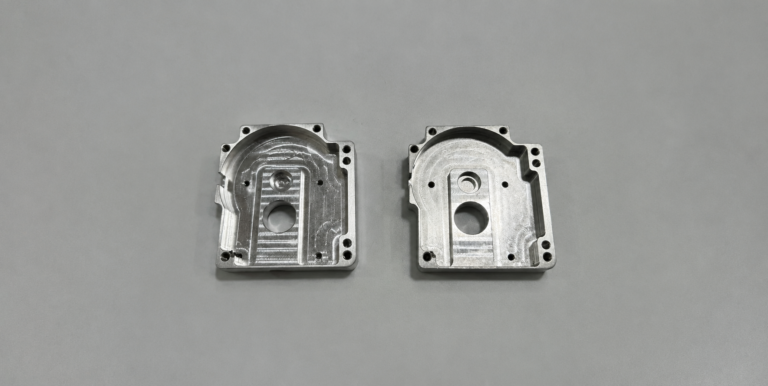
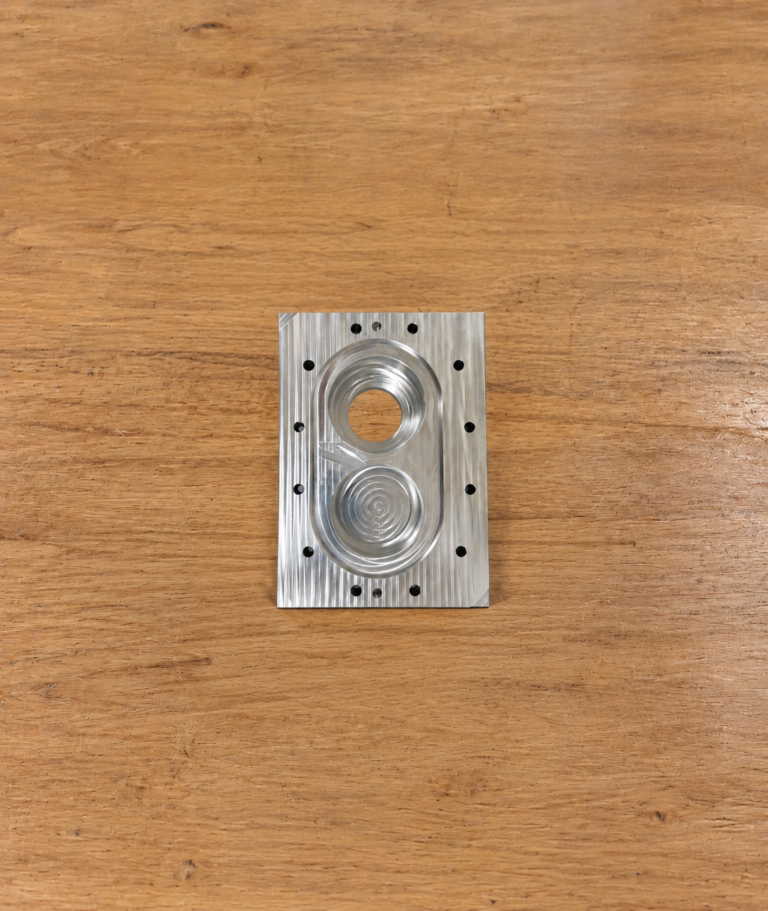
The machined sealing surface had slight flatness variation after the internal cavity was opened. Some cover screws also applied more pressure than others because the hole pattern was not perfectly aligned with the mating cover.
These small errors created a local gap under the gasket.
Stabilizing the Sealing Face
The enclosure required a large internal cavity with relatively thin surrounding walls. Removing this material released internal stress and reduced rigidity.
The cavity was therefore rough-machined first, leaving finishing stock on the sealing face. Material was removed in balanced stages, and the part was allowed to stabilize before the final face cut.
A dedicated finishing pass produced a continuous surface without abrupt tool marks across the gasket path. Flatness was inspected after the part was released from the fixture.
Controlling the Gasket Groove
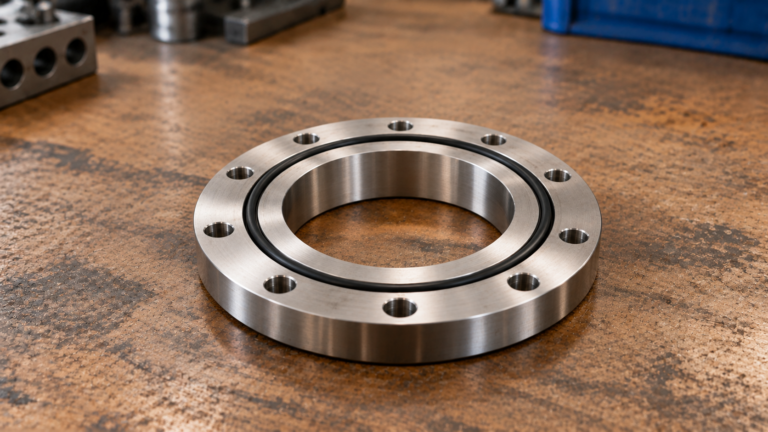
The gasket groove was machined relative to the finished sealing face. Its width and depth were selected to produce controlled compression without crushing or overstretching the seal.
Corner radii were matched to the gasket profile, while burrs and sharp edges were removed carefully. Excessive polishing was avoided because it could change the groove dimensions.
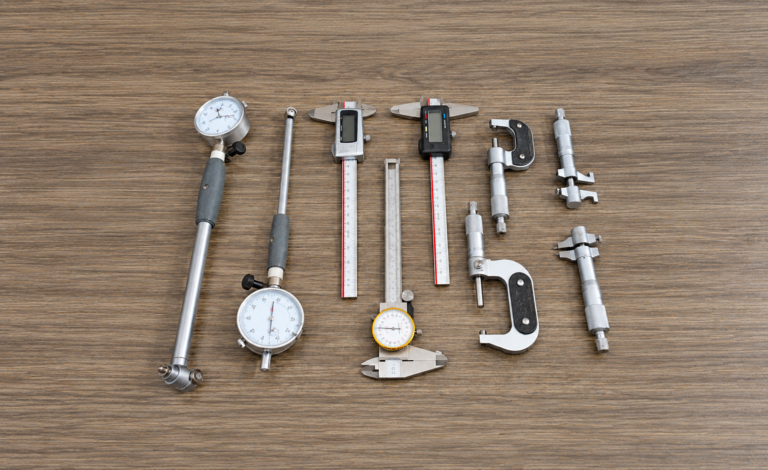
The groove was inspected at several positions rather than measured at only one point.
Managing Holes and Openings
Threaded holes near the sealing boundary required controlled depth to prevent accidental breakthrough into the enclosure.
Cable ports and connector openings were machined perpendicular to their sealing seats. Counterbores and spot faces provided flat contact areas for washers, glands, and sealing components.
The cover-hole pattern was finished from the same primary datum as the gasket groove to maintain consistent screw loading around the perimeter.
Allowing for Anodizing
The enclosure required anodizing for outdoor corrosion resistance. Coating buildup was considered on gasket grooves, threads, locating features, and connector fits.
Critical areas were dimensioned with suitable allowance or masked when necessary. Components were inspected again after surface treatment because the final coating condition directly affected assembly and sealing.
Confirming the Complete Seal
After assembly, the revised enclosure was tested under the specified leak-test conditions. The sealing face, gasket groove, fastener pattern, connector ports, and threaded openings were treated as one functional system.
The enclosure passed the test without local leakage or uneven gasket compression.
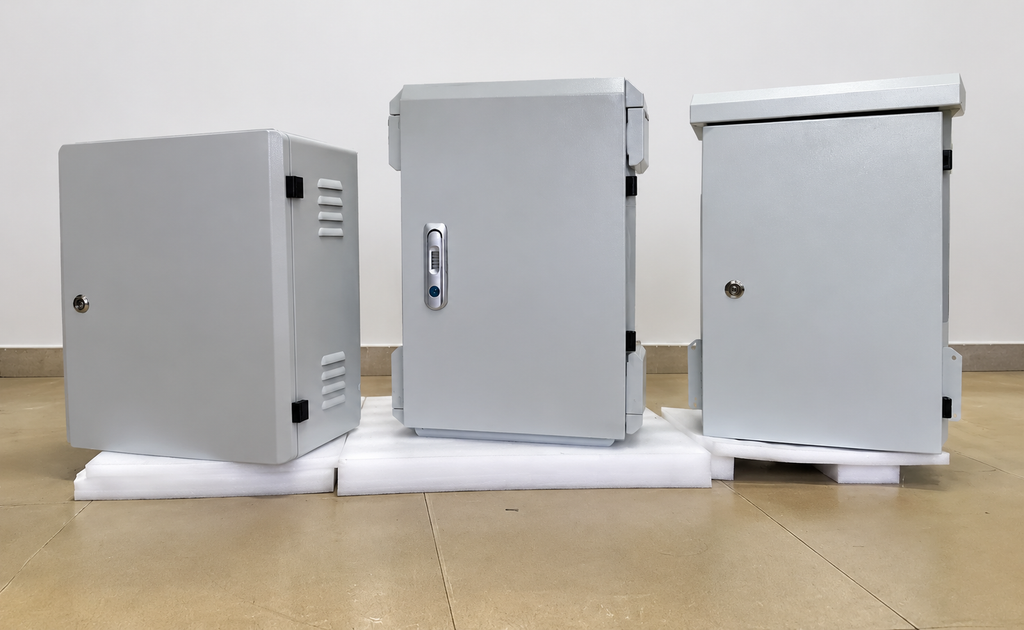
This waterproof aluminum enclosure machining case shows that reliable protection depends on the complete sealing chain. Stable machining, controlled gasket compression, aligned fasteners, and suitable coating allowance must work together.
We manufacture CNC aluminum enclosures for communication, monitoring, automation, and outdoor electronic equipment. Send us your 3D model, sealing requirements, surface treatment, and test standard for a manufacturability review.