Why Steps Appear in Two-Sided CNC Machining
Why Steps Appear in Two-Sided CNC Machining
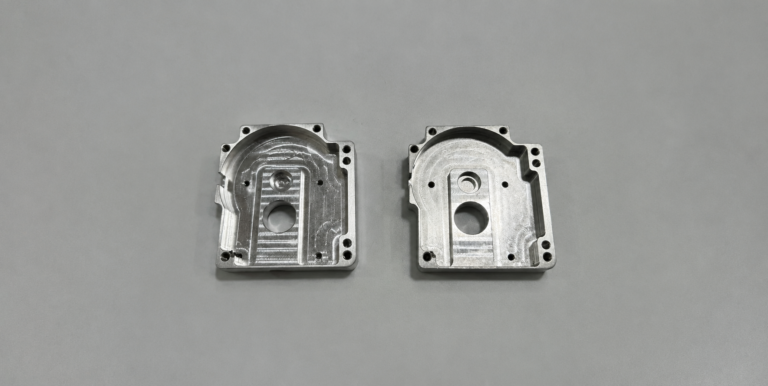
A small step or mismatch line often appears where the machining paths from two setups meet. The defect may be minor, but it can affect appearance, dimensions, and assembly.
In two-sided CNC machining, this problem usually begins when the part is removed, flipped, and located again.
The Datum Does Not Transfer Correctly
The second setup must reproduce the position of the first setup. If the locating surfaces contain chips, burrs, or machining marks, the part may shift slightly.
Using different datums for each side can also introduce accumulated error. A clear and repeatable datum system is therefore essential.
Reclamping Changes the Part
Clamping force can move or deform a part during the second setup. This is especially common with thin walls, long parts, and soft materials.
If the part is not fully supported, it may sit at a slight angle. The two machined surfaces will then meet at different heights.
Tool and Machine Errors Become Visible
Tool runout, incorrect tool length, spindle alignment, and rotary-axis calibration can all contribute to mismatch.
Even when each setup is within tolerance, small errors from both sides may combine at the transition line.
Reducing the Mismatch
Reliable locating pins, clean datum surfaces, and controlled clamping improve setup repeatability. On-machine probing can check the part position after it is flipped.
A small finishing allowance can also be left near the transition. The critical surface is then finished from one setup, or a blending toolpath is used to reduce the visible step.
Inspection Before Removal
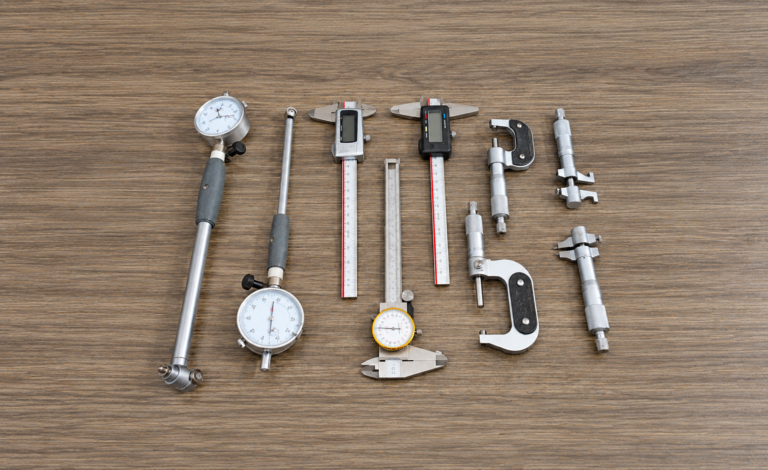
The transition area should be checked before the part leaves the machine. Height difference, profile, and alignment can be measured against the drawing or 3D model.
Controlling the datum, fixture, tool offsets, and finishing strategy helps two-sided CNC machining produce a smoother and more accurate transition.
We manufacture multi-setup CNC parts with controlled datum transfer and in-process inspection. Send us your drawing and 3D model for a manufacturing review.