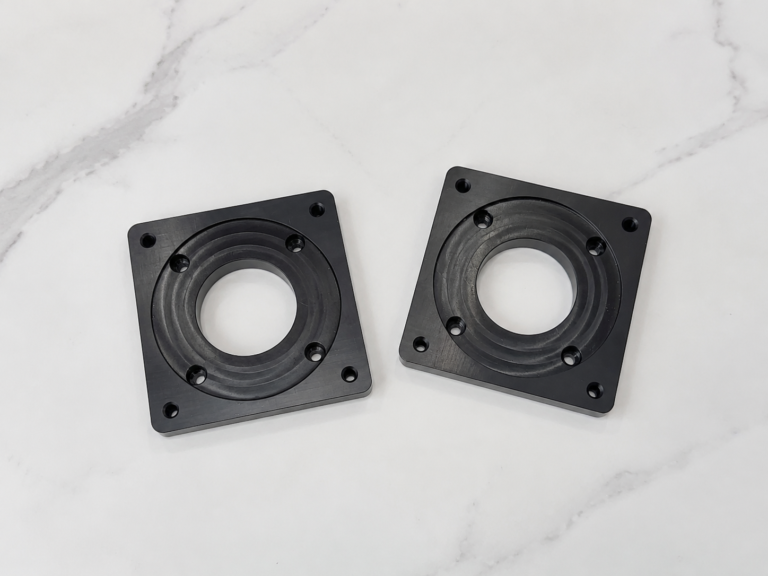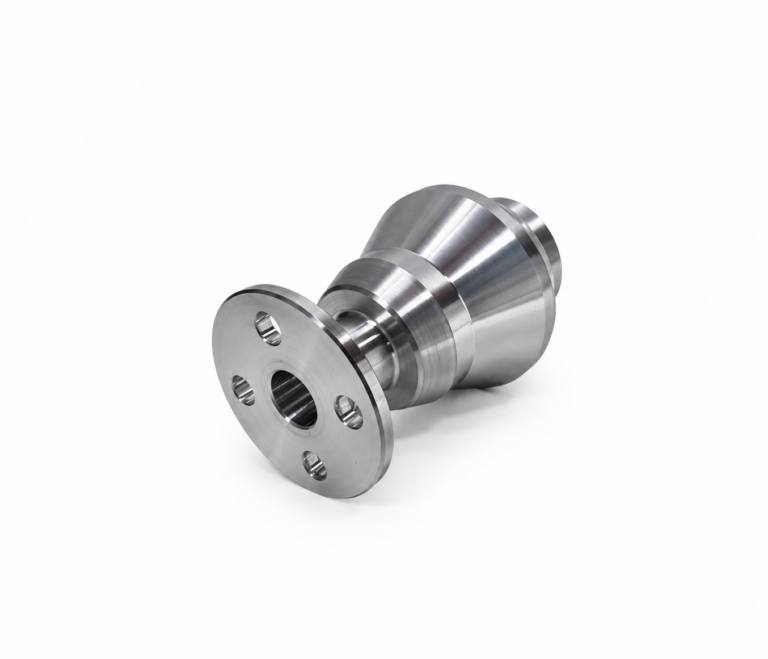
Precision Machining Services for Denver, Colorado
What is CNC Precision Machining?
CNC precision machining generally refers to precision machining controlled by Computer Numerical Control (CNC) systems, utilizing equipment such as CNC lathes, milling machines, and boring-milling machines.
Our skilled personnel operate these CNC precision machining tools with the aid of sophisticated digital systems. CNC technology enables precise control over positioning, speed, coordination, feed rates, and other accuracy-critical aspects of the manufacturing process for specific parts or objects. CNC machines equipped with automatic pallet changers reduce part manufacturing cycle times, thereby increasing throughput for our customers.
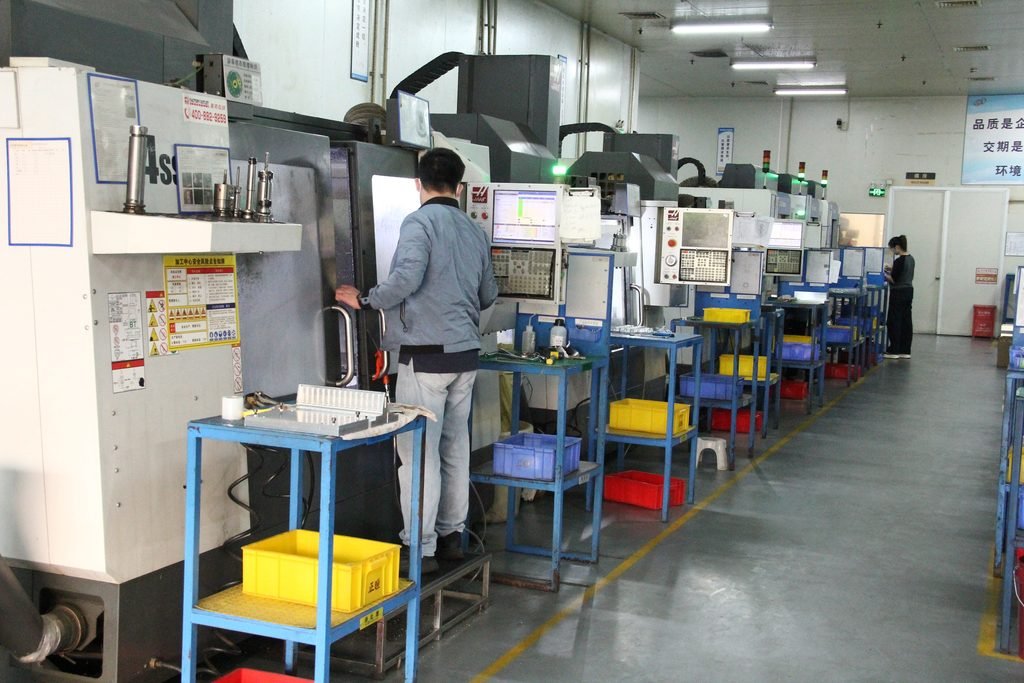
CNC precision machining enables the production of a wide variety of complex components with high precision. Equipment and tools controlled via CNC include lathes, grinders, and milling machines.
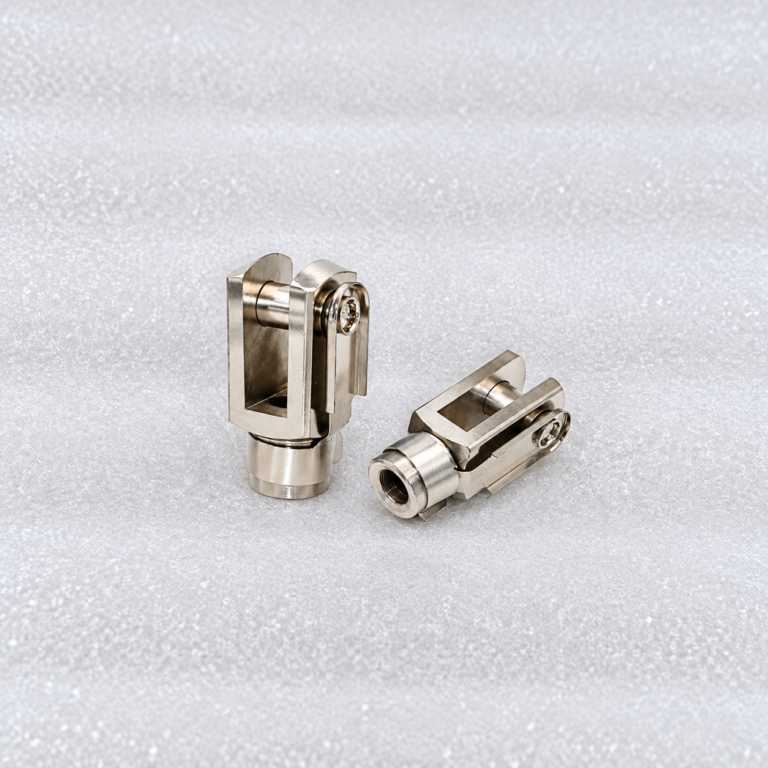
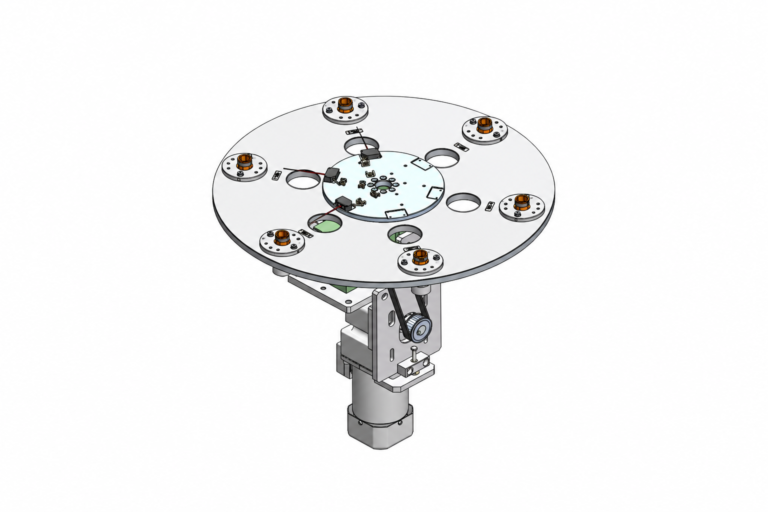
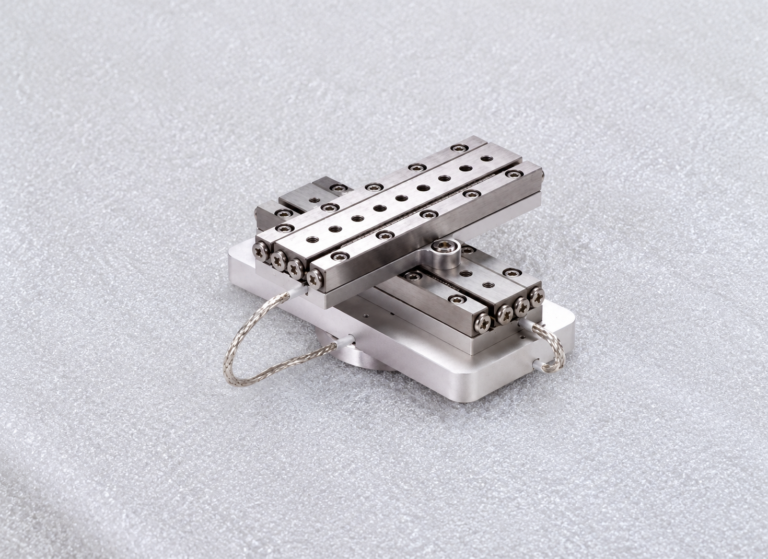
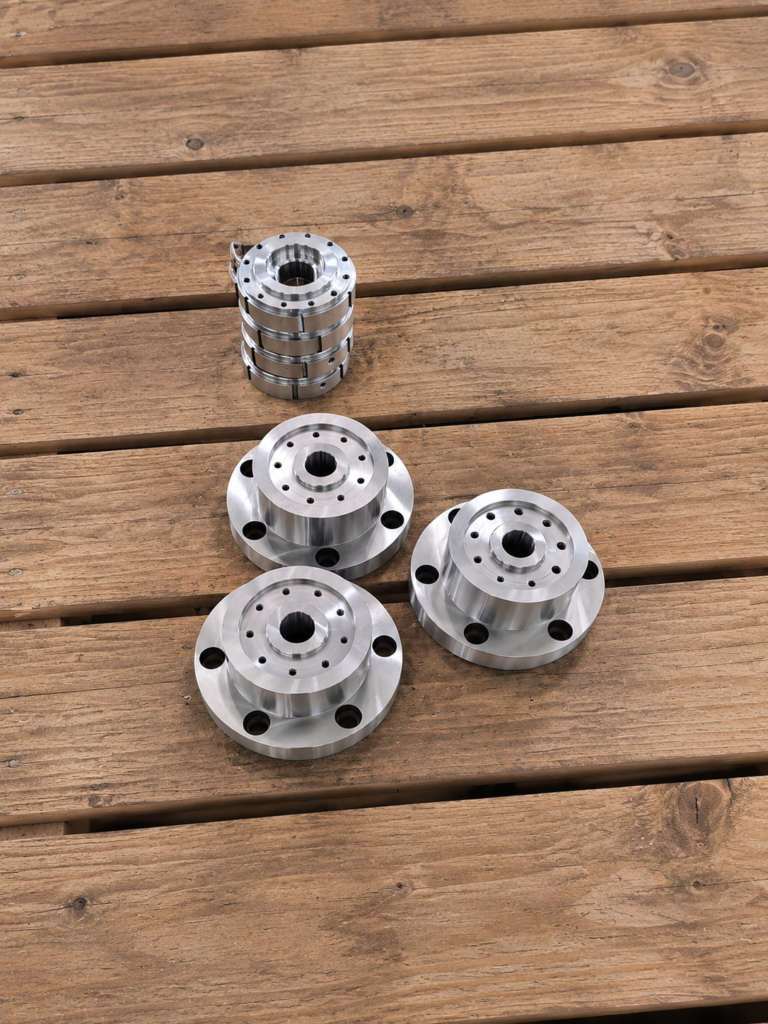
PRS is an established manufacturer specializing in CNC precision machining, backed by years of industry experience. Our facility is equipped with advanced CNC machining centers—including 5-axis, 4-axis, and 3-axis models—capable of achieving machining precision of ±0.005mm. We also operate over a dozen high-precision CNC turning centers and utilize professional inspection equipment (including 5-axis CMMs) to facilitate the precision turning of shaft and disc components, making us one of the most capable precision machining facilities in the region.
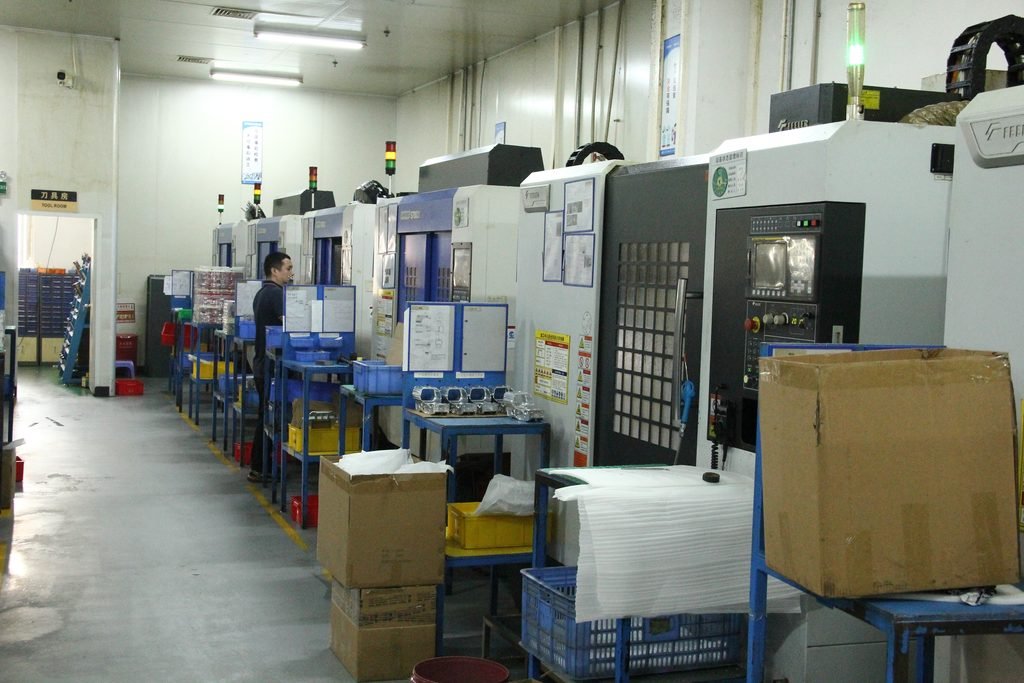
We support the machining of various materials, including titanium, titanium alloys, aluminum, stainless steel, and copper. With a comprehensive pre-sales and after-sales service system, we provide a one-stop machining solution that ensures both the quality and quantity our customers demand. We welcome inquiries for custom orders based on your drawings or samples.
Principles of CNC Precision Machining
CNC Turning and milling services offer an excellent solution for creating parts with complex shapes and tight dimensional tolerances, while also providing a cost-effective option for short-run production.
CNC precision milling can produce virtually any 2D or 3D shape, provided the rotating cutting tool can access the material. What is CNC precision machining? It is the process of cutting various materials to specific dimensions. This process typically involves removing excess material from a workpiece and reshaping it to meet tight tolerance standards. Simply put, precision machining transforms a large block of material into a smaller, more refined part.
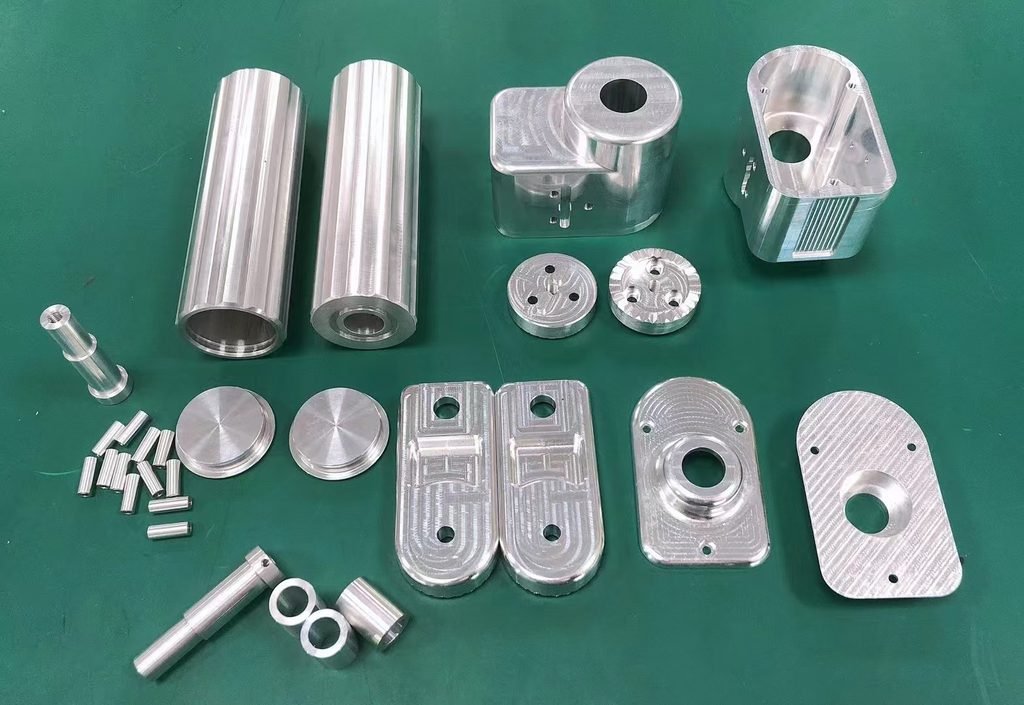
Precision CNC machining produces a wide range of items we use every day. In fact, the tools and household products you use rely on the skilled craftsmanship of precision machinists.
Naturally, worn-out tools or machinery often require calibration, slotting, or welding performed by precision machinists. From the manufacturing of automotive and medical equipment to hairstyling tools and kitchen utensils, precision machining plays a vital role across all industries and technologies.
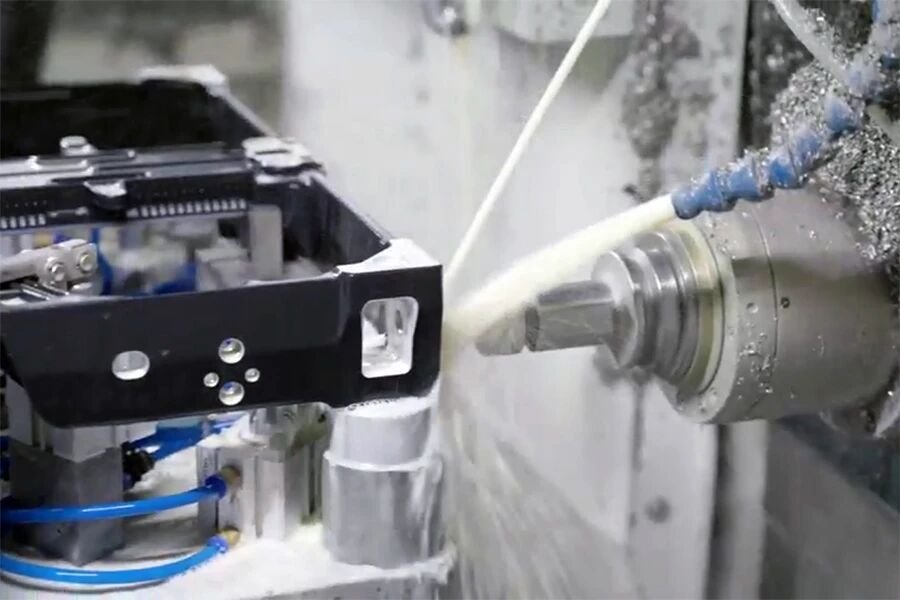
Advantages of CNC Precision Machining
01 Significantly reduces the need for tooling; complex shapes can be machined without complex fixtures. Changing a part’s shape or size requires only a modification to the machining program, making it ideal for new product development and design iterations.
02 Delivers stable machining quality, high precision, and excellent repeatability, meeting the rigorous requirements of aerospace manufacturing.
03 Offers high production efficiency for multi-variety, small-batch manufacturing. It reduces time spent on production preparation, machine setup, and in-process inspections, while also shortening actual cutting time through the use of optimal cutting parameters.
04 Capable of machining complex surfaces that are difficult to produce using conventional methods, and can even access areas that are otherwise unobservable.
05 Allows for more detailed planning of machining steps. Factors that might be overlooked in conventional machining—such as the sequencing of steps within an operation, tool setting points, tool change locations, and machining paths—must be carefully determined when programming for CNC machines.
06 Features high efficiency, high precision, and reduced labor intensity, while offering great versatility in handling a wide variety of workpieces.