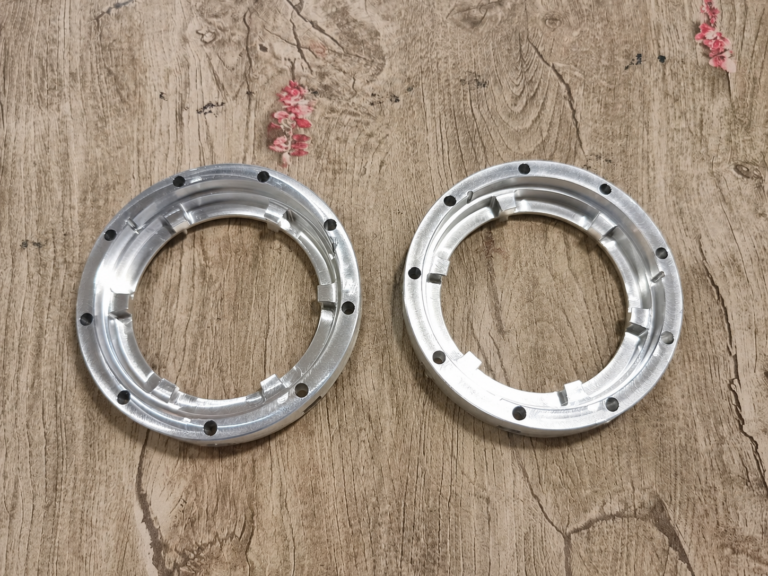
Precision Swiss Machining Services for Connecticut
A Guide to Swiss Machining for High-Precision Parts
What is Swiss Machining?
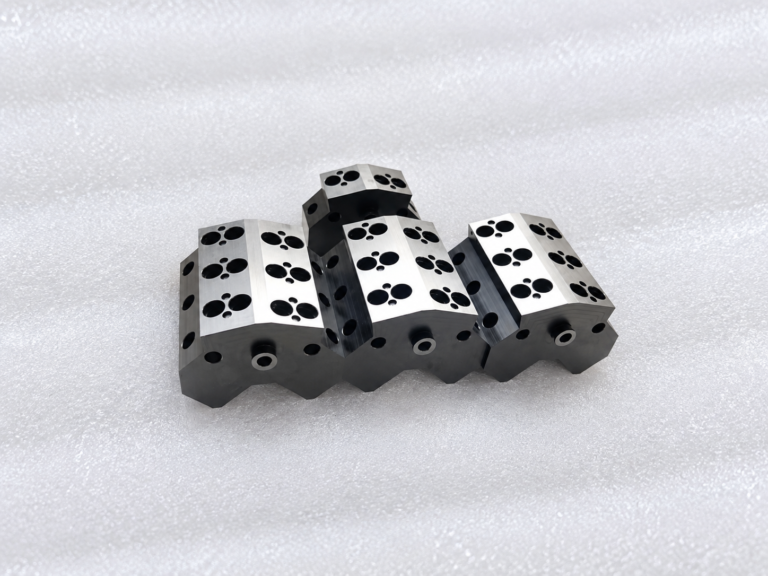
Swiss machining is an advanced subtractive manufacturing method used to produce small, complex parts requiring tight tolerances. Originally developed in Switzerland for watchmaking, the process is now utilized across industries such as medical, aerospace, electronics, and automotive.
This technology is among the most efficient processes available today due to its high accuracy and ability to virtually eliminate waste during production. It enables the manufacture of parts with diameters as small as 0.5 mm and tolerances as tight as ±0.001 mm.
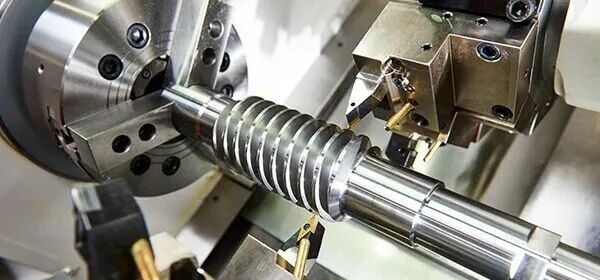
Precision and Accuracy
Swiss CNC machines offer exceptional precision. Their structural design allows for tighter tolerances than standard lathes, making them ideal for machining intricate, precise details on parts.
Efficiency
Efficiency is enhanced by the Swiss machine’s ability to perform multiple cutting operations simultaneously. Unlike standard CNC lathes that typically execute one operation at a time, Swiss machines significantly reduce the time required to produce a part.
Material Waste
Furthermore, the high precision of Swiss machines makes them more cost-effective. By minimizing excessive material removal, they are well-suited for low-cost, high-volume production.

How Does Swiss Machining Work?
Swiss lathes feature a unique guide bushing mechanism not found in traditional machining processes. This component supports the workpiece close to the cutting edge, thereby reducing vibration and deflection.
The following points outline the working principle:
Material Feeding and Support
In Swiss machining, a long bar of stock (such as stainless steel, brass, or titanium) is loaded into the machine. Unlike traditional lathes that hold the material in a fixed position, Swiss lathes utilize a sliding headstock that moves forward, pushing the bar through a guide bushing. This forward movement exposes only a small section of the material at a time, enhancing accuracy and precision while minimizing deflection.

The Role of the Guide Bushing
The guide bushing is critical for machine stability. It ensures vibrational stability and high precision. Positioned near the cutting tools, it maintains continuous support for the material throughout the machining process. This feature is particularly advantageous for machining long, slender parts, as it holds the workpiece securely in place and significantly reduces bending. Thanks to close and direct support, tolerance control is significantly enhanced while maintaining consistent quality.
Multi-tool cutting operations
Swiss-type CNC machines perform multiple operations—such as turning, milling, drilling, and threading—using a variety of available tools. Because the tools are positioned very close to the guide bushing, every cut is highly accurate. The ability to perform multiple activities simultaneously makes Swiss-type machining faster than traditional methods.
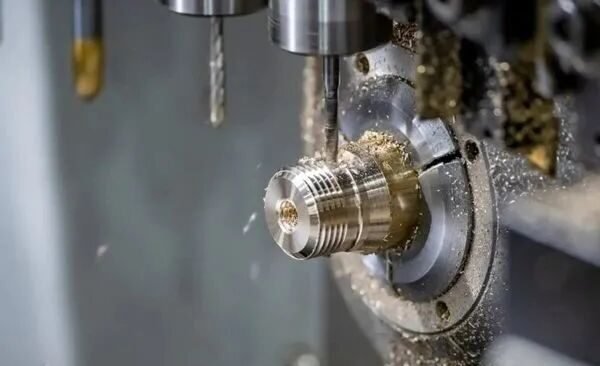
Finishing and ejecting the part
Once the machining process is complete, the part is separated from the remaining stock. The next section of bar stock advances, and the cycle repeats. This continuous workflow allows the machine to produce complex, high-precision parts with minimal manual intervention while maximizing material utilization.
Applications of Swiss CNC machining
Medical sector:
Bone screws, surgical instruments, dental implants, and other medical components require meticulous attention to detail. Swiss machining delivers precision and smooth surface finishes, ensuring compatibility with the human body.
Aerospace sector:
Swiss machining is widely used in the aerospace industry to manufacture precision parts such as fuel injector nozzles, sensor housings, and fasteners. Maintaining tight tolerances ensures the reliability of critical aircraft systems.
Electronics sector:
Small, precision components found in electronic devices—such as connectors, pins, and micro-components—are manufactured using Swiss CNC machining. The process offers high repeatability and accuracy, making it ideal for producing advanced electronic components.
Automotive industry:
Swiss machining is commonly used in the automotive industry to manufacture components for fuel systems, transmissions, and braking systems. This method ensures the high precision and quality required for vehicle functionality.
Optical industry:
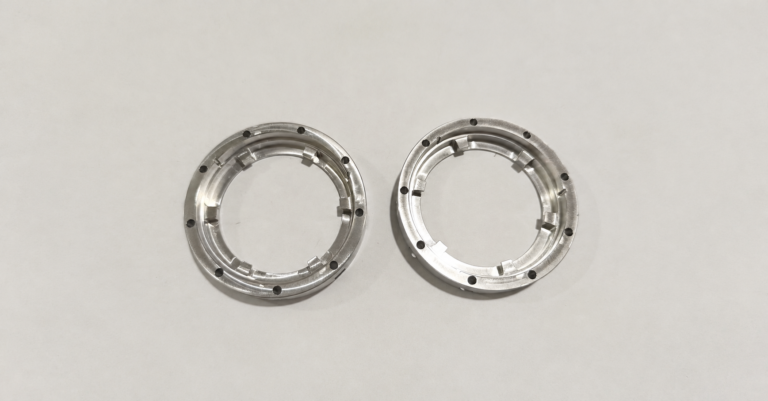
In the optical industry, it is used to manufacture mechanical parts for cameras, telescopes, and microscopes. The ability to produce highly complex, high-precision components is essential for the proper functioning of optical equipment.