CNC Machining Services for the Semiconductor Industry in Phoenix
Key Considerations and Materials for CNC Machining Semiconductor Manufacturing Equipment Parts
What is the manufacturing of parts for semiconductor manufacturing equipment?
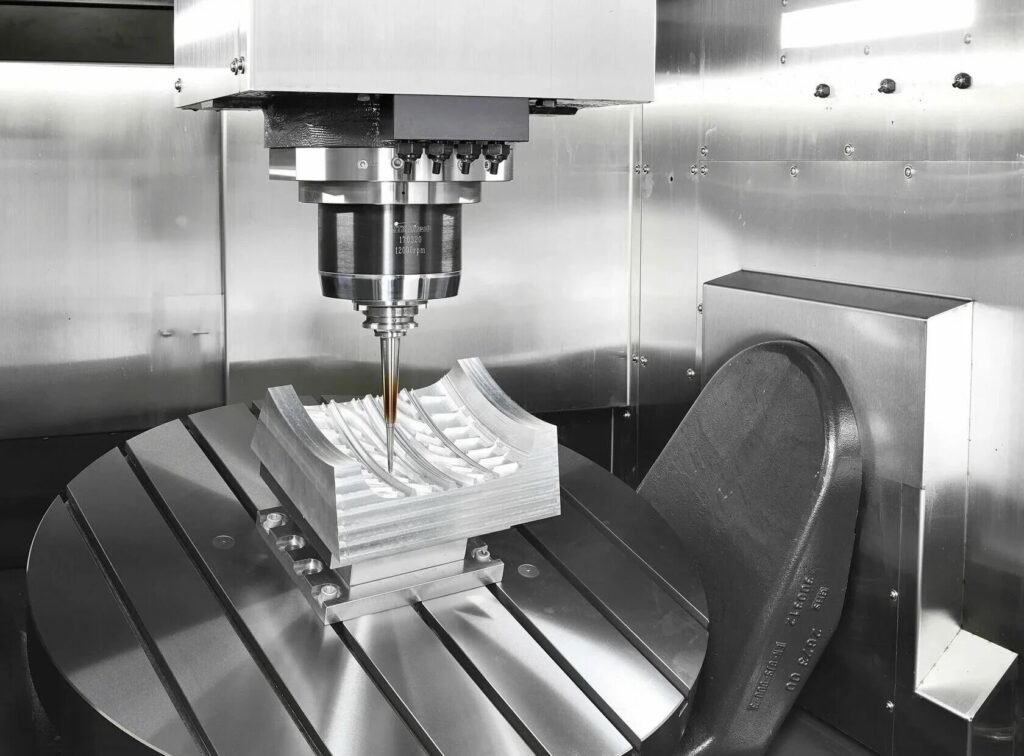
Manufacturing parts for semiconductor manufacturing equipment involves producing components for these machines using optimal materials and the highest levels of precision.
Semiconductors are materials that can cease to function due to even the slightest scratch. Consequently, semiconductor manufacturing equipment must be capable of processing semiconductors with high precision without causing even the most minute scratches.
Furthermore, machine tools are subject to the “principle of the mother machine” (or the principle of replication accuracy). This means it is impossible to manufacture a part with greater precision than the machine tool used to create it. In short, to manufacture a part with a precision of 0.01 mm, a machine tool with 0.01 mm precision is insufficient; a machine tool with 0.001 mm precision is required.
Based on this principle, manufacturing parts for semiconductor manufacturing equipment requires machine tools capable of achieving precision levels superior to those of the semiconductor manufacturing equipment itself.
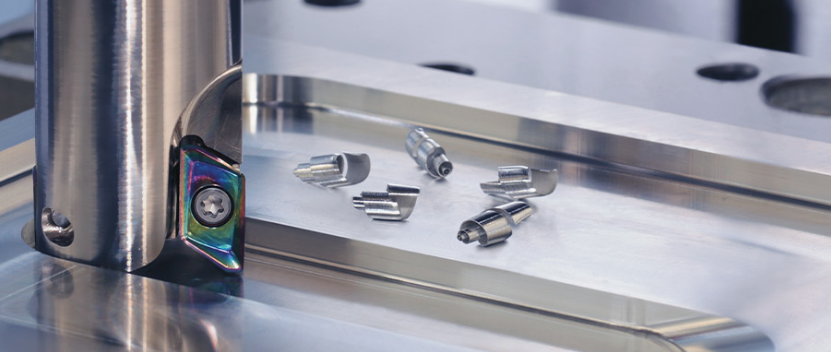
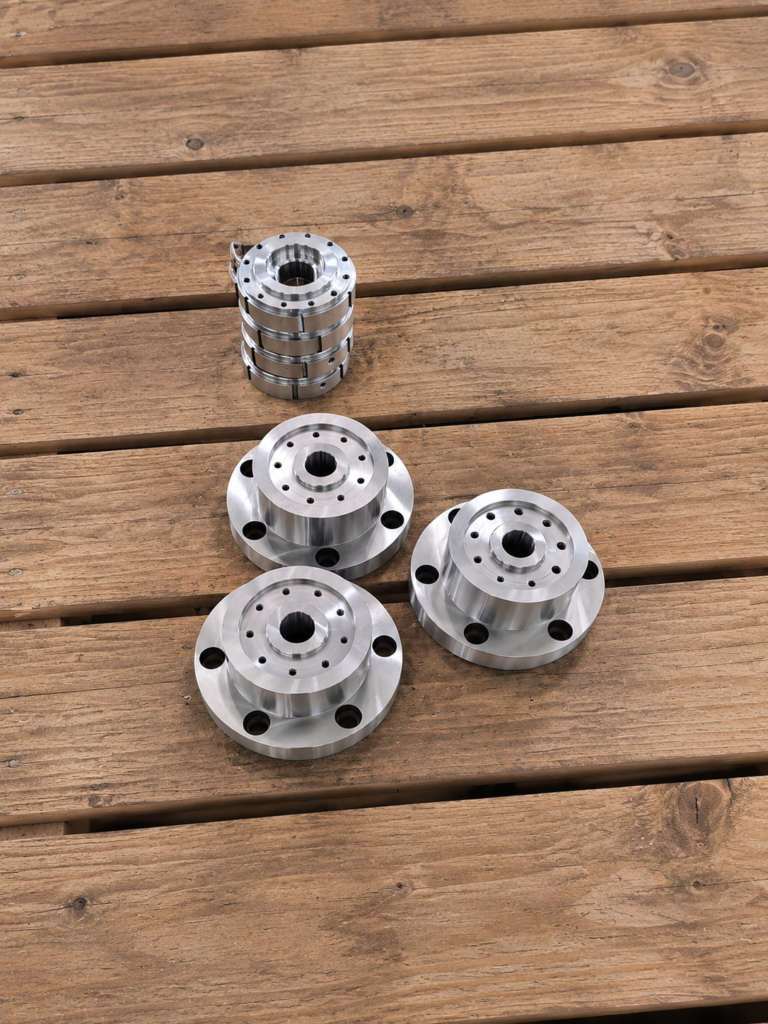
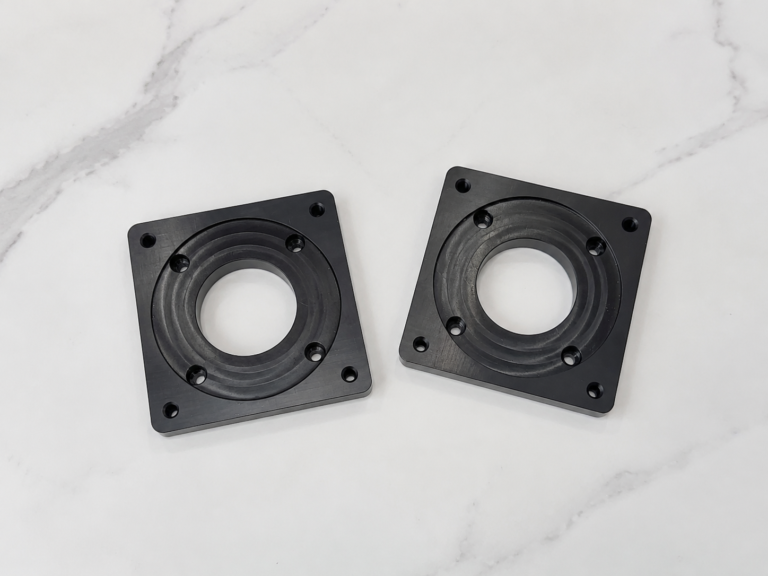
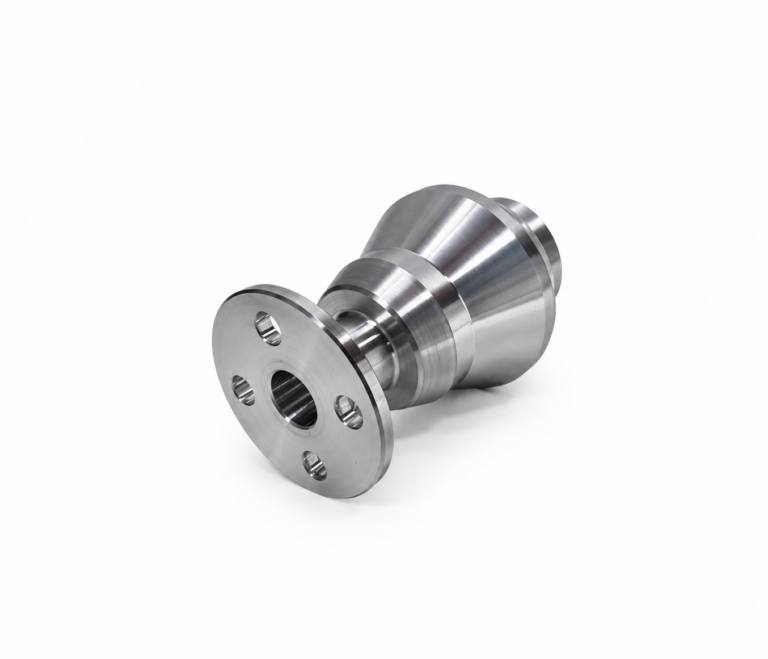
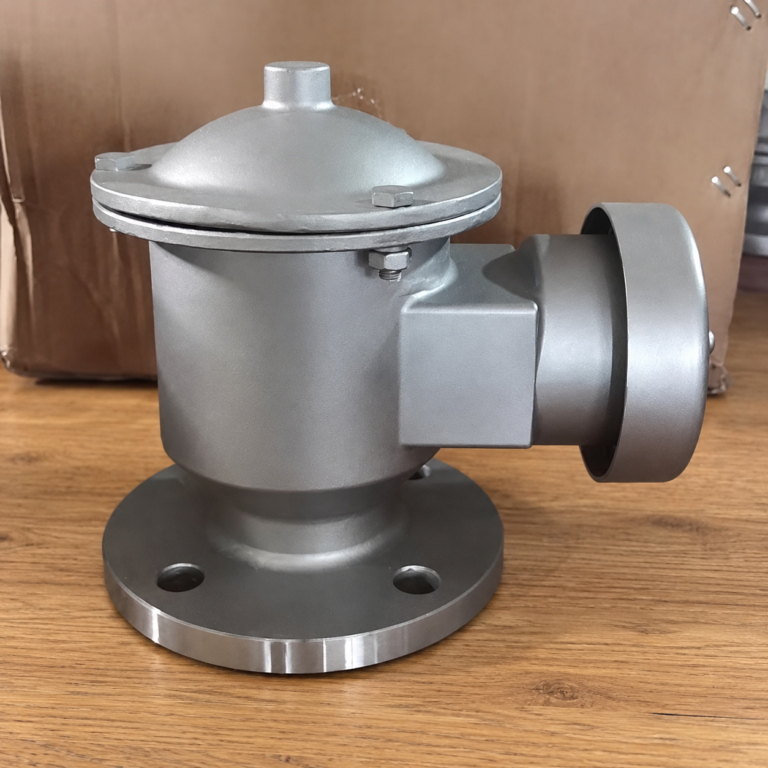
Additionally, there is a wide variety of parts for semiconductor manufacturing equipment, many of which feature complex shapes. Specific examples include bases, valves, rack shafts, valve seats, valve seat covers, and pins. All these components are manufactured using materials and precision levels tailored to their specific applications.
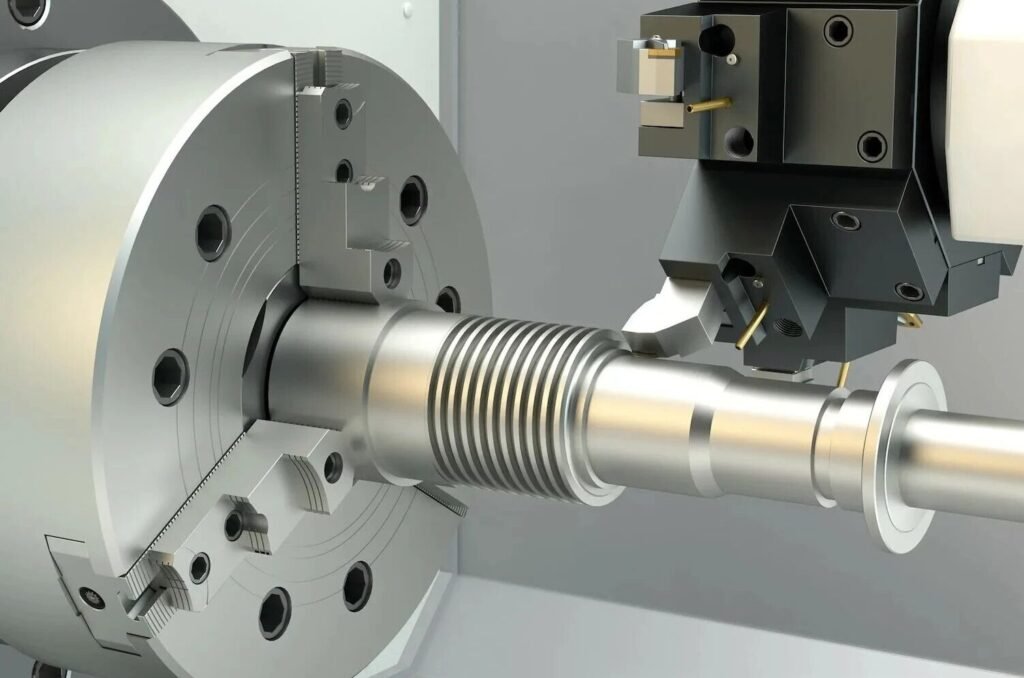
When manufacturing parts for semiconductor manufacturing equipment, two key factors must be considered:
・Precision metal machining technology
Precision metal machining technology is the primary requirement for manufacturing parts for semiconductor manufacturing equipment. This refers to the technology used to machine metal with a precision of 0.001 to 0.01 mm.
As previously mentioned, semiconductors are materials that can fail due to even minor scratches. Therefore, producing parts for semiconductor manufacturing equipment necessitates precision metal machining technology capable of achieving tolerances in the 0.001 to 0.01 mm range.
Moreover, in many cases, such precision can only be achieved through cutting processes. Methods like stamping and welding struggle to meet strict requirements for perpendicularity and flatness, and they often leave machining marks on the product.
For these reasons, manufacturing parts for semiconductor manufacturing equipment requires precision metal machining technology that involves directly cutting the material to form complex shapes.
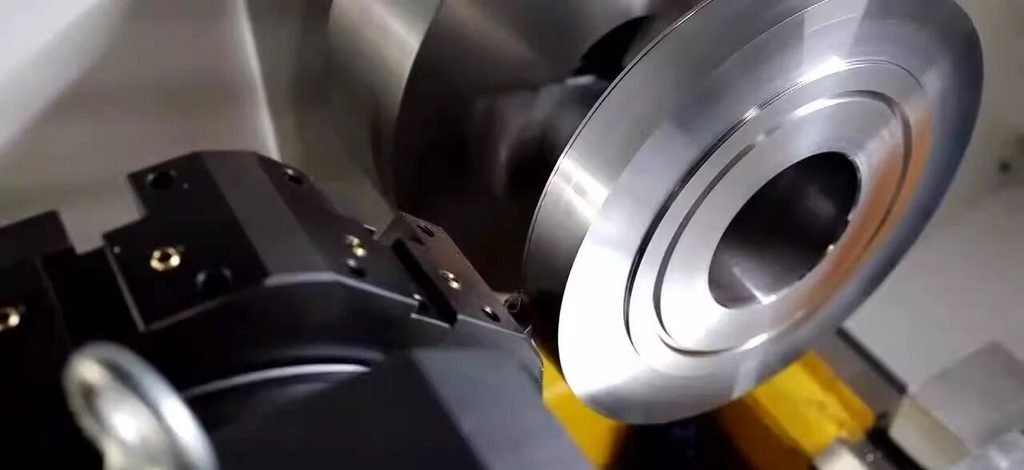
・Proposals for cost reduction through optimal material selection and design
When manufacturing parts for semiconductor manufacturing equipment, a key requirement is to propose cost reductions by optimizing material selection and design.
Generally, three factors drive up the cost of manufacturing parts: shape complexity, high precision requirements, and material costs. Since parts for semiconductor manufacturing equipment inevitably involve all three of these factors, costs tend to be higher.
Therefore, the manufacturing process involves more than just producing parts based on customer drawings; it requires proposing cost-reduction strategies—such as optimal material selection and design adjustments—after reviewing those drawings. For instance, we must propose the ideal precision level based on the part’s intended use, suggest alternative materials that maintain performance, and recommend designs that ensure structural integrity.
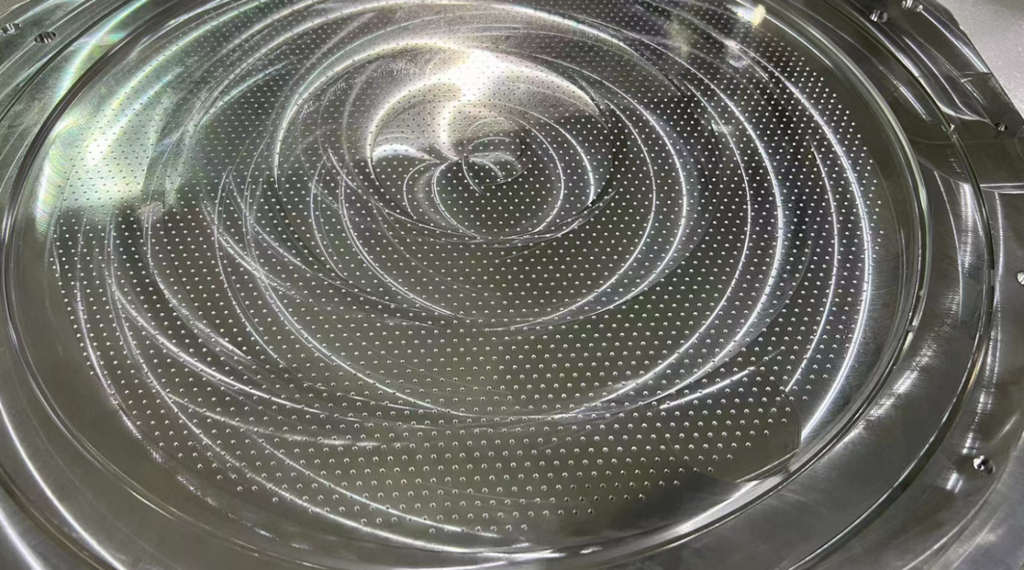
Materials used for semiconductor manufacturing equipment parts must possess high durability and strength.
Examples of such materials include:
Titanium Alloys
Titanium alloys are lightweight (weighing half as much as iron), strong, and corrosion-resistant.
However, they are considered difficult to machine due to their low thermal conductivity and high chemical affinity (tendency to adhere to cutting tools).
Key considerations when machining titanium alloys include using appropriate tool coatings, selecting water-soluble cutting fluids, controlling heat generation, and minimizing tensile stress.
Inconel (Nickel-based Superalloys)
Inconel is a nickel-based superalloy designed for extreme heat resistance. As the name implies, it retains its strength even at high temperatures; consequently, it is used in demanding environments such as semiconductor manufacturing equipment and aircraft engines. Its high heat resistance is directly linked to high strength at elevated temperatures. It also exhibits high chemical affinity, making it one of the most difficult materials to machine.
Key considerations when machining Inconel include using heat-resistant ceramic tools, controlling rotational speeds to prevent chemical reactions caused by high affinity at elevated temperatures, and managing tool life.
Aluminum Alloys
Aluminum alloys offer excellent lightweight properties (weighing one-third as much as iron), a high strength-to-weight ratio, and superior corrosion resistance. Additionally, they feature excellent electromagnetic wave and thermal reflectivity, as well as outstanding vacuum characteristics, making them ideal materials for semiconductor manufacturing equipment parts. However, among aluminum alloys, high-ductility pure aluminum (1000 series) and certain high-silicon 4000 and 6000 series alloys are considered difficult to machine.
Key considerations when machining aluminum alloys include the use of diamond tools and high-speed rotating tools to prevent material adhesion (welding).
Stainless Steel Alloys
Stainless steel alloys are composed of nickel and chromium, offering excellent corrosion resistance, heat resistance, and strength. Regarding corrosion resistance in particular—as the name implies—they are reputed to be the most rust-resistant of all metals. They are categorized into types such as austenitic, ferritic, martensitic, and precipitation-hardening, each with distinct properties and applications. Some stainless steel alloys are considered difficult to machine due to their high strength and tendency to adhere to cutting tools.