CNC Turning Supplier Serving Wichita
CNC Turning Services: A Guide to Custom Part Turning
CNC turning services are widely used in manufacturing; however, many businesses still face inefficiencies regarding quality, lead times, and costs in their turning projects.
What are professional CNC turning services, and what key role do they play in precision manufacturing?
Professional CNC turning services are a cornerstone of precision manufacturing. They facilitate the mass production of highly accurate and reliable rotationally symmetrical parts—essential for meeting the demands of industries that prioritize superior quality.
Definition and Core Functions
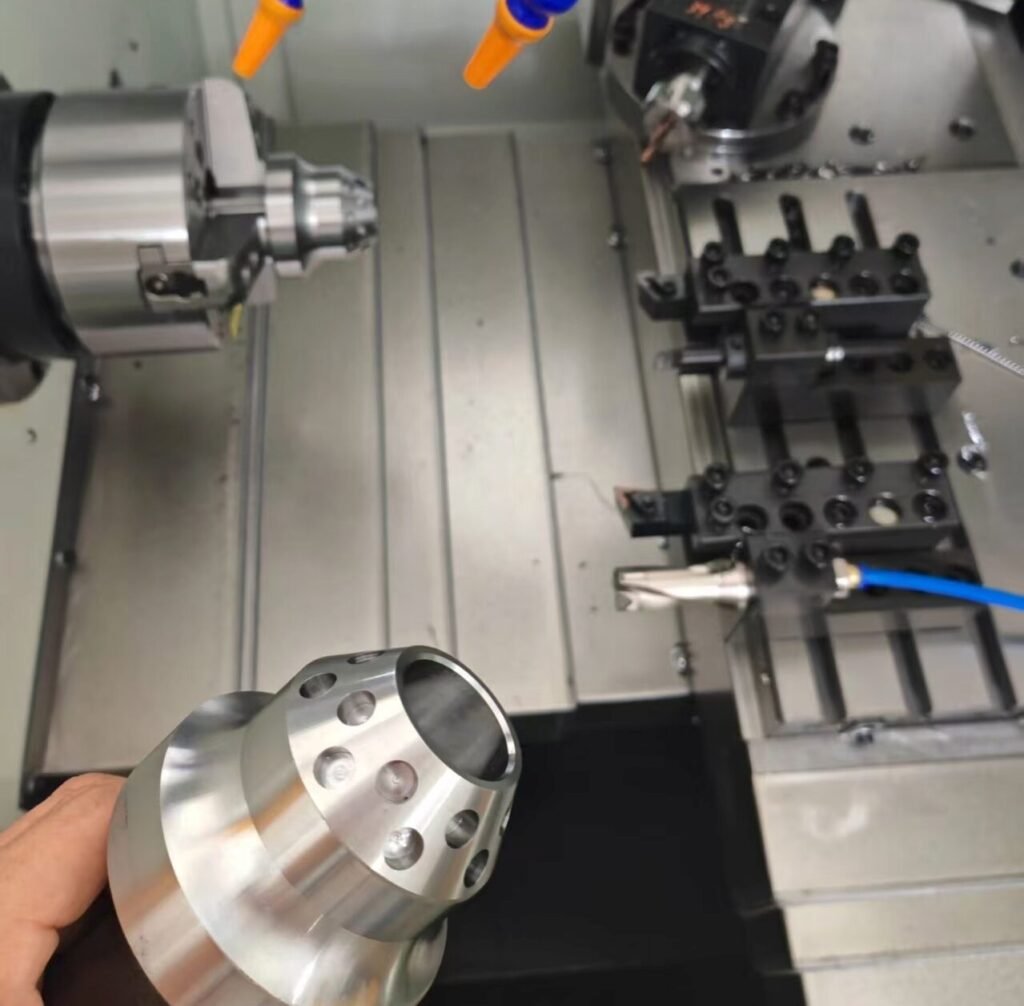
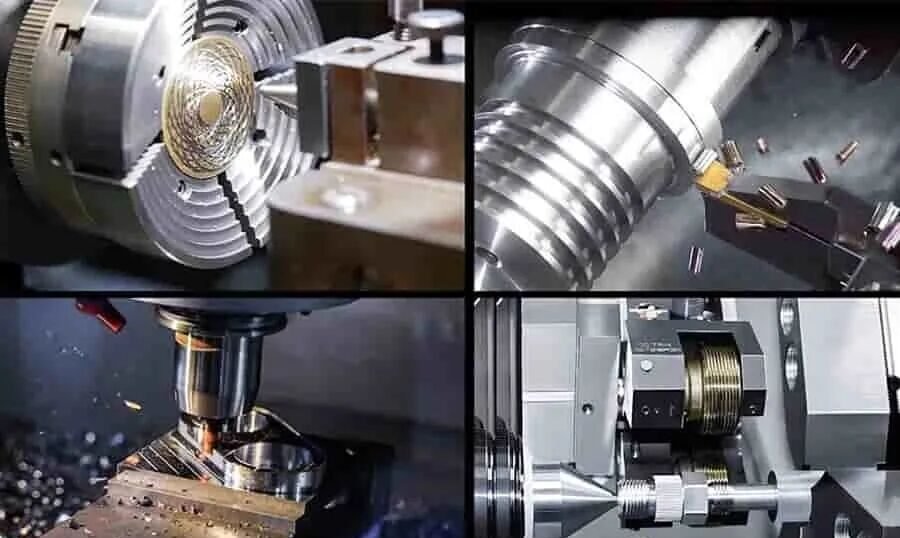
Professional CNC turning services are defined as processes that utilize CNC lathes to machine rotating workpieces, thereby removing material.
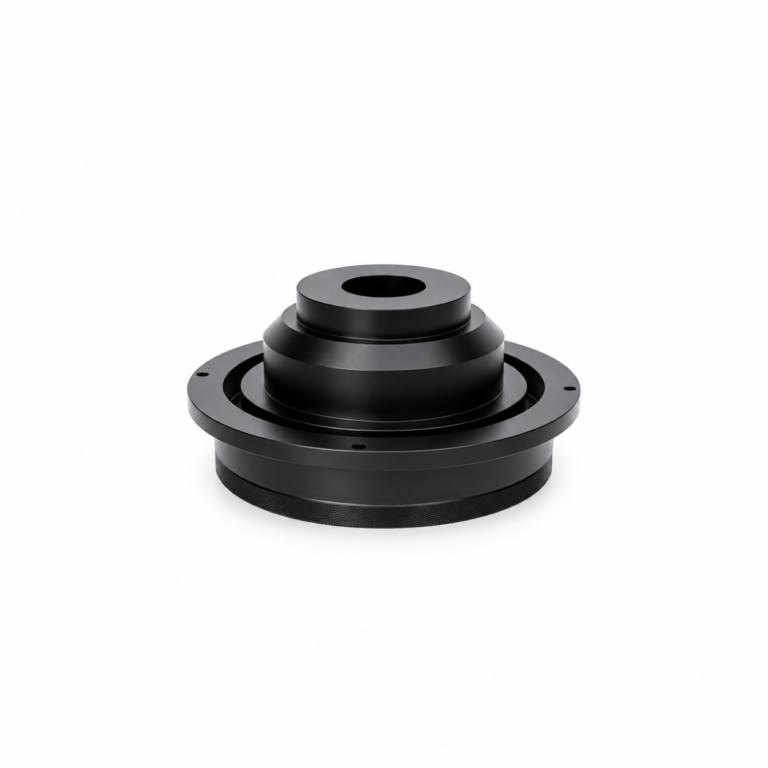
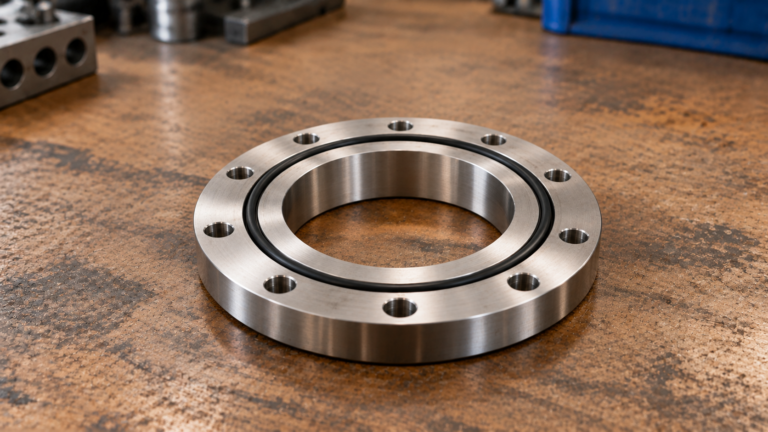
Turning is a vital process for manufacturing cylindrical objects such as shafts, bushings, and flanges. All these components require high precision and excellent surface finishes for assembly.
Technology and Precision Assurance
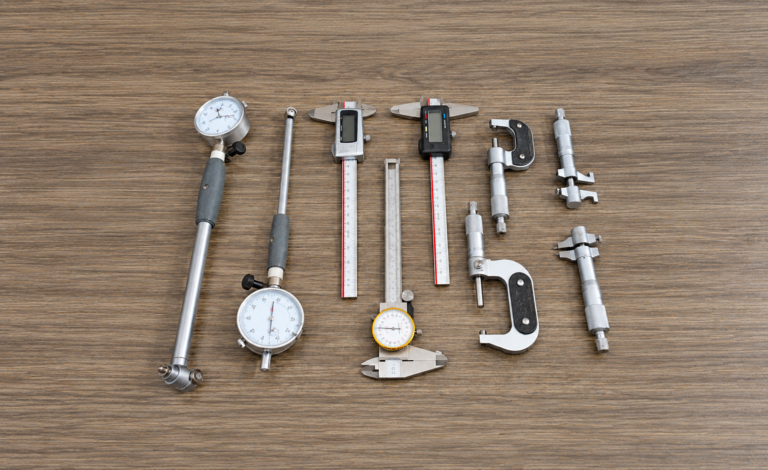
At PRS, we integrate German CNC turning centers with in-line measurement systems. The advantage of this technology is the ability to achieve a precision of ±0.005 mm. This level of accuracy is crucial for product reliability and is an integral part of our overall process.
Impact on Production Efficiency
Production efficiency is significantly enhanced through the automation of complex turning operations. With our optimized manufacturing solutions, clients have increased their efficiency by over 30% while eliminating waste and errors.
Role in the Broader Manufacturing Ecosystem
It is worth noting that beyond the precision manufacturing of components via CNC lathes, other sectors—such as the automotive and aerospace industries—also rely on precision-machined parts, where precise component fit is often critical.
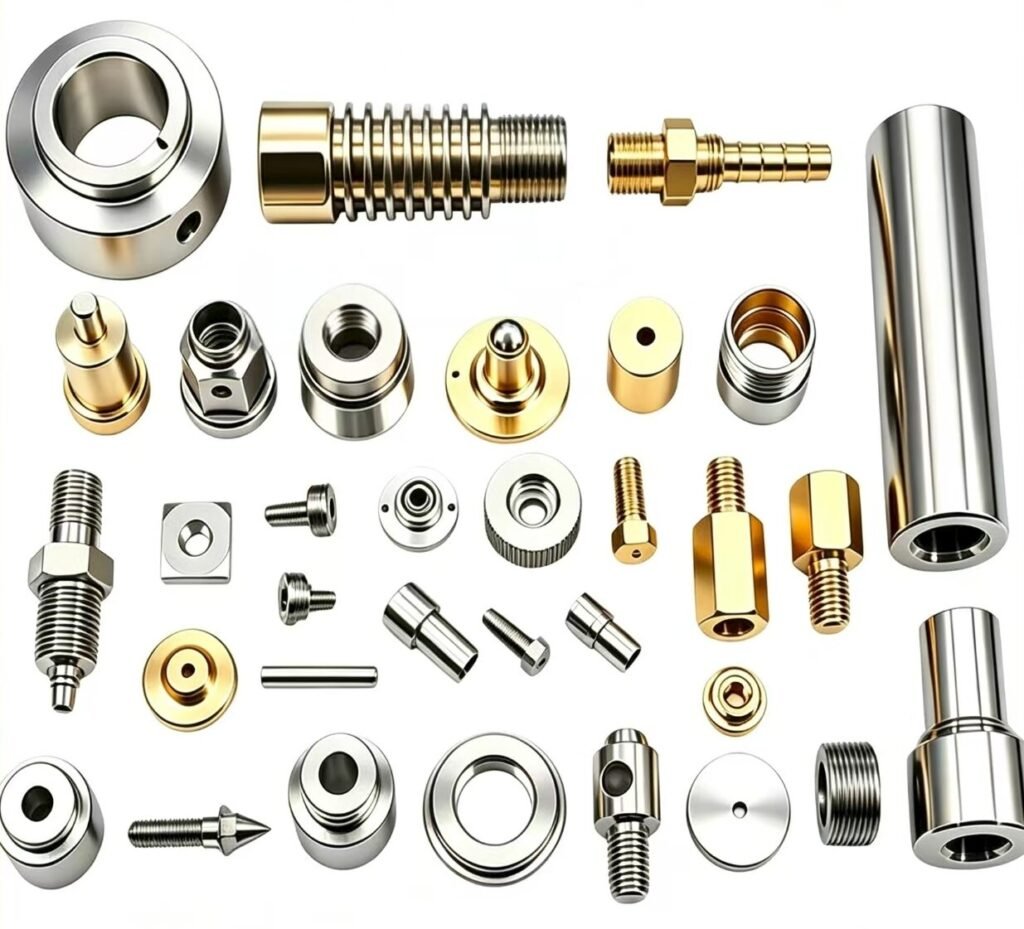
This underscores the indispensable nature of CNC turning services in precision manufacturing; the process is scalable, ensuring maximum accuracy during the production of high-precision products.
Consequently, professional CNC turning services represent a fundamental application within precision manufacturing. They drive efficiency, scalability, and advanced manufacturing solutions—factors that are vital for enhancing the stability and innovative capacity of the precision machining industry.
How to Design High-Performance Custom CNC Turned Parts?
Given this, their application places great emphasis on the efficient use of high-performance, custom CNC-turned parts. Furthermore, when considering functional elements during the design phase, it is crucial to ensure the design is compatible with the CNC turning process.
Ultimately, integrating manufacturing expertise into the optimization of custom CNC-turned part designs is essential. This approach is highly beneficial, as it enhances part functionality while simultaneously reducing costs.
What are the specific technical requirements for CNC turning custom parts?
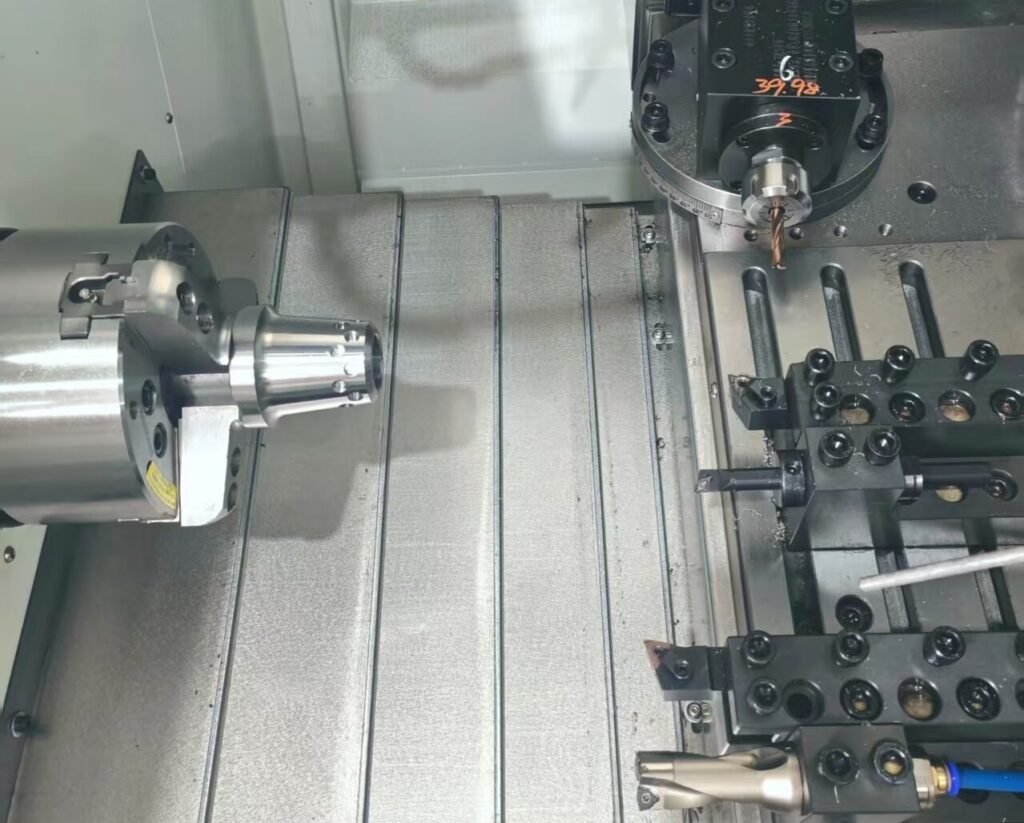
Manufacturing custom parts entails specific requirements regarding materials, geometry, and functional features. These necessitate specialized technical solutions and cutting parameters to maintain part integrity and achieve the desired surface finish.
Machinability of Advanced Materials
Materials used for custom CNC-turned parts often include specialized alloys—such as Inconel or titanium—each presenting unique challenges related to work hardening, heat generation, or tool wear.
Consequently, machining these materials requires specially shaped cutting tools, specialized coatings, or rigorous control of cutting parameters.
Complex Geometry and Precision
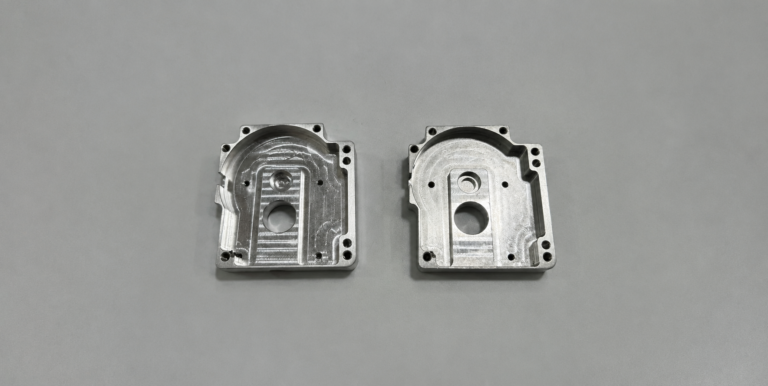
Custom parts may feature complex shapes, thin walls, and/or stringent positional accuracy requirements. Such processes demand specialized multi-axis turning capabilities, sophisticated workholding, and/or detailed process planning.
In the global landscape of custom CNC turning, dynamic toolpath strategies have emerged to ensure both part rigidity and precision.
Custom Process Development
The focus here is on the parts themselves. Discussions regarding custom components inevitably involve the machining process.
This is because custom components require the development of machining workflows—including prototyping, testing, and inspection—to ensure the technical solution meets all specifications.
Application-Specific Performance Verification
The ultimate test for a custom part is its performance in actual application, whether the environment involves high stress, high temperatures, or corrosive conditions.
Therefore, the machining process must account for the part’s final performance requirements. Post-processing steps, such as heat treatment or surface finishing, may be necessary to ensure the part reliably meets its specific operational demands.