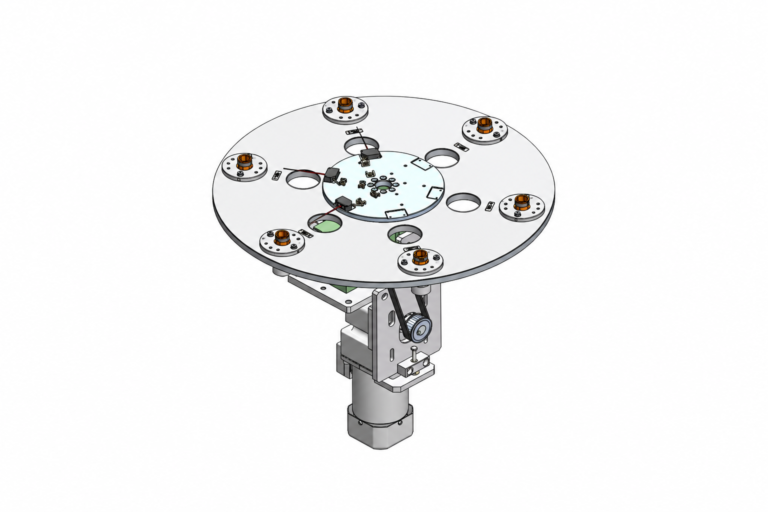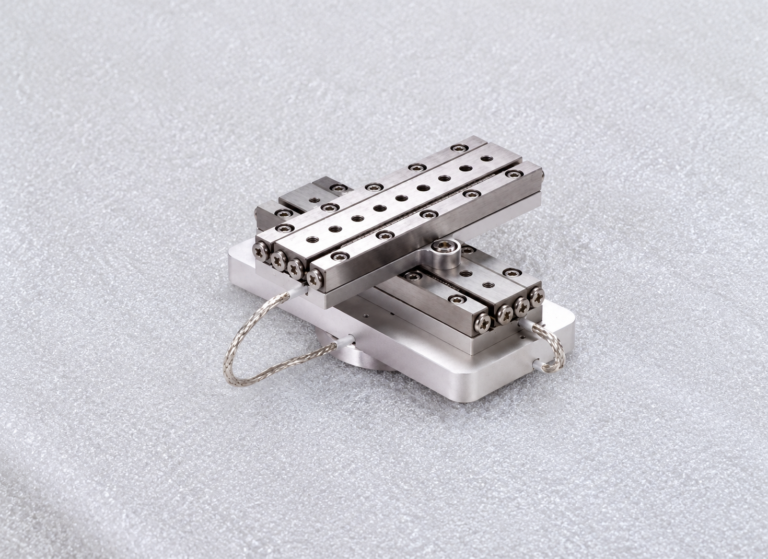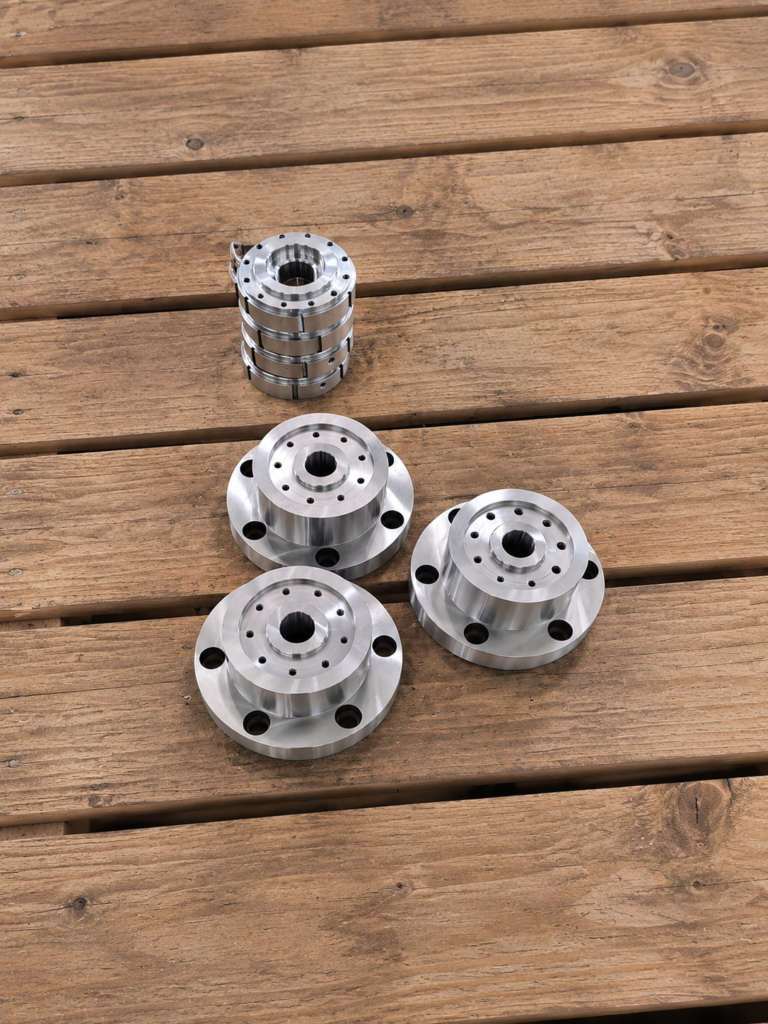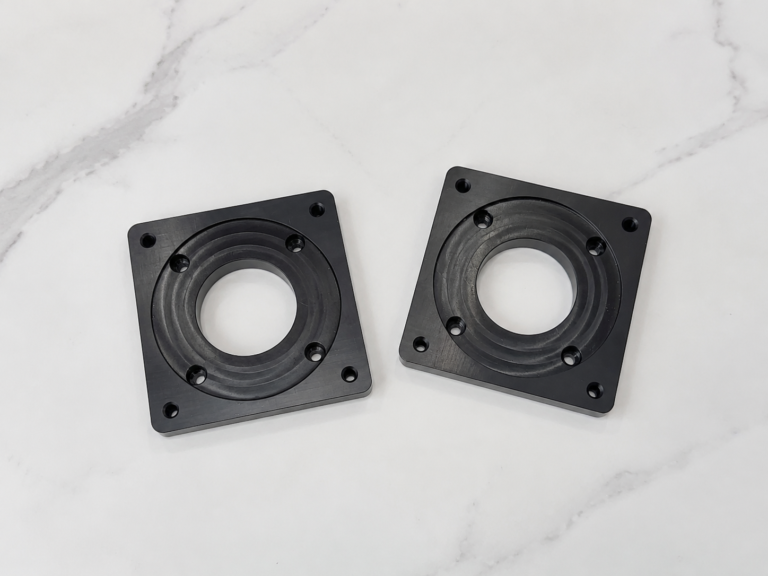
Precision Machining Supplier Serving Seattle
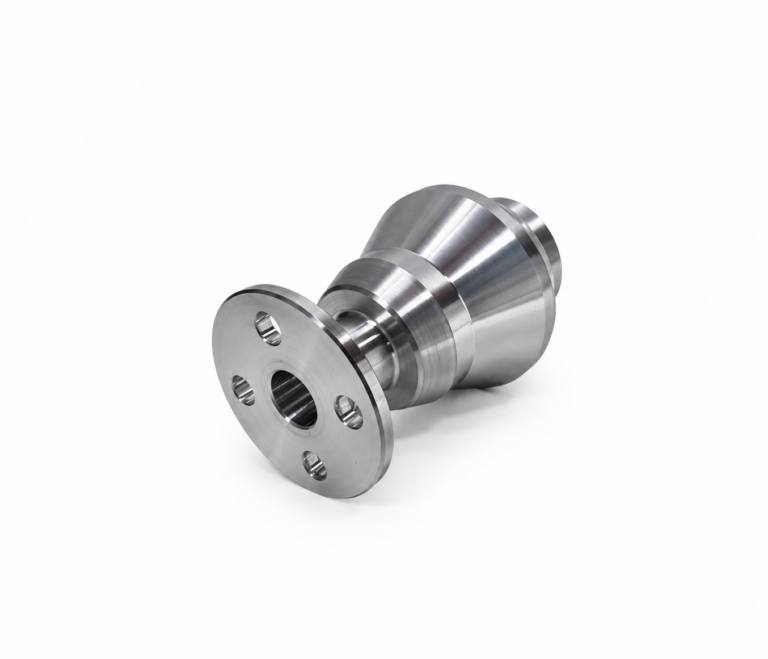
Precision parts machining is a specialized form of mechanical machining characterized by high precision requirements for the parts themselves, as well as stringent demands on production machinery and processes. It is specifically defined as a machining technology capable of achieving precision levels between 1 and 0.1 micrometers and surface roughness below 0.1 micrometers.
Every piece of mechanical equipment is composed of numerous distinct components, each playing a vital role; consequently, the machining of precision parts demands extreme rigor. As industrialization advances, the process flows for precision mechanical machining have become increasingly refined.
The Process Flow of Precision Mechanical Parts Machining
Part Design

The process begins with designing the part to be machined, determining parameters such as dimensions, shape, and material, as well as requirements for machining precision and surface finish. Factors such as the intended application environment and production costs must be considered during the design phase.
Material Preparation

Next, the raw materials required for machining—such as metals or plastics—must be prepared. Generally, precision mechanical parts are made from high-strength, high-hardness alloys; these materials undergo rigorous screening and quality testing to ensure the final part’s quality and performance.
Selection of Machining Process
An appropriate machining process is selected based on factors such as the part’s shape and material; options include milling, turning, drilling, and planing. Different part geometries and specifications require the use of specific machining processes and tooling.
Equipment Setup
Precision machining requires the use of specialized equipment and tools, such as CNC machine tools, machining centers, grinding machines, and electrical discharge machines (EDM). Before machining begins, the equipment must be set up and adjusted to ensure optimal machining results and precision.
Machining Operation
The machining operation is the most critical stage of the entire process, requiring precise execution to guarantee the quality and accuracy of the part. Operators must strictly adhere to established protocols and procedures, including tool selection, workpiece fixturing, and the adjustment of machining speeds.
Quality Inspection
Once machining is complete, the parts undergo quality inspection to verify that parameters such as machining precision, surface finish, and hardness meet the required specifications. Common inspection methods include dimensional measurement, microscopic examination, and hardness testing.
Surface Treatment
Finally, the parts undergo surface treatment—such as rust removal, polishing, and painting—to achieve the desired surface finish and corrosion resistance, thereby enhancing their service life and aesthetic appeal.
In summary, the manufacturing process for precision mechanical parts involves multiple stages and steps requiring technicians to operate various types of equipment to ensure quality and precision. Only by strictly adhering to operational protocols and procedures, while utilizing high-quality raw materials and advanced manufacturing techniques, can high-quality, high-performance precision mechanical parts be produced.