Serving Southern California’s Aerospace CNC Machining Sector
A Manufacturer of Aerospace Tooling and Components
Established in 2009, Dongguan Precision Hardware Products Co., Ltd. is a high-tech enterprise specializing in the R&D and manufacturing of aerospace and high-precision components. Deeply rooted in the field of precision aluminum and magnesium casting, the company has built a comprehensive production line integrating casting, anodizing, 3D printing, machining, non-destructive testing, and CMM (Coordinate Measuring Machine) inspection. With industry-leading technical capabilities, the company serves as a premium supplier across various sectors.
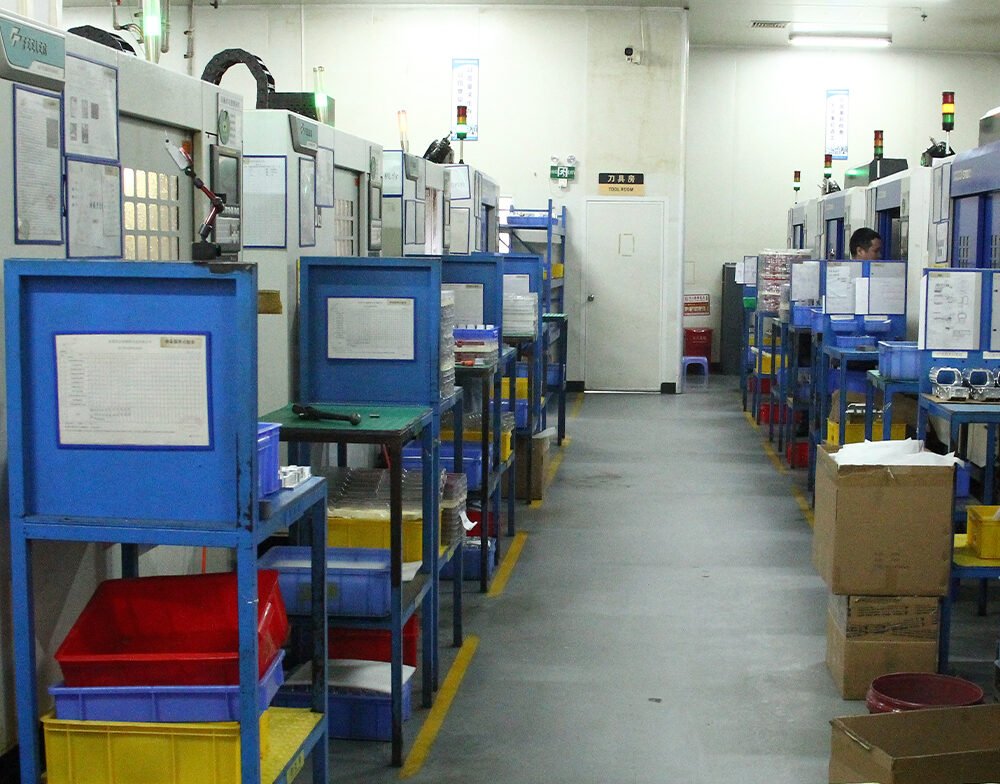
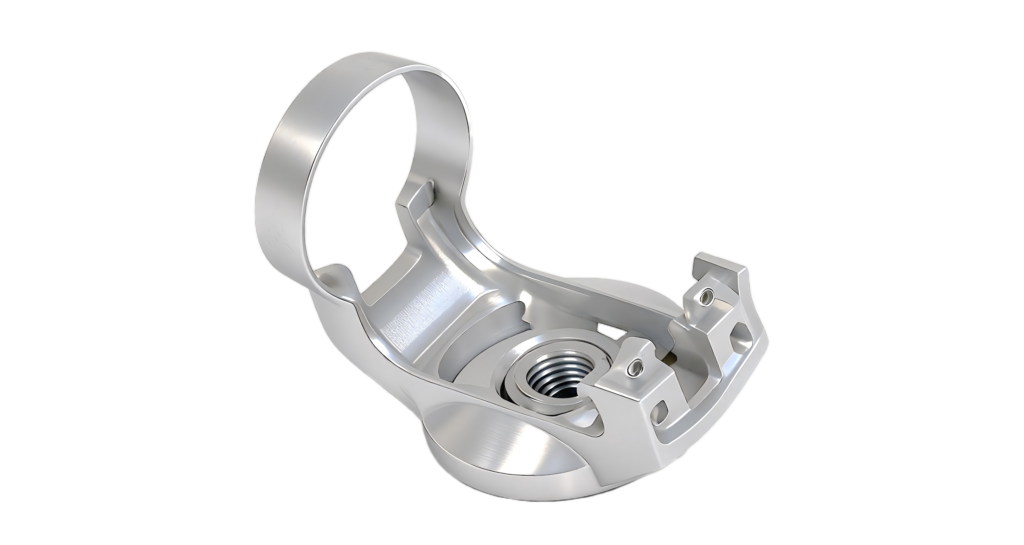
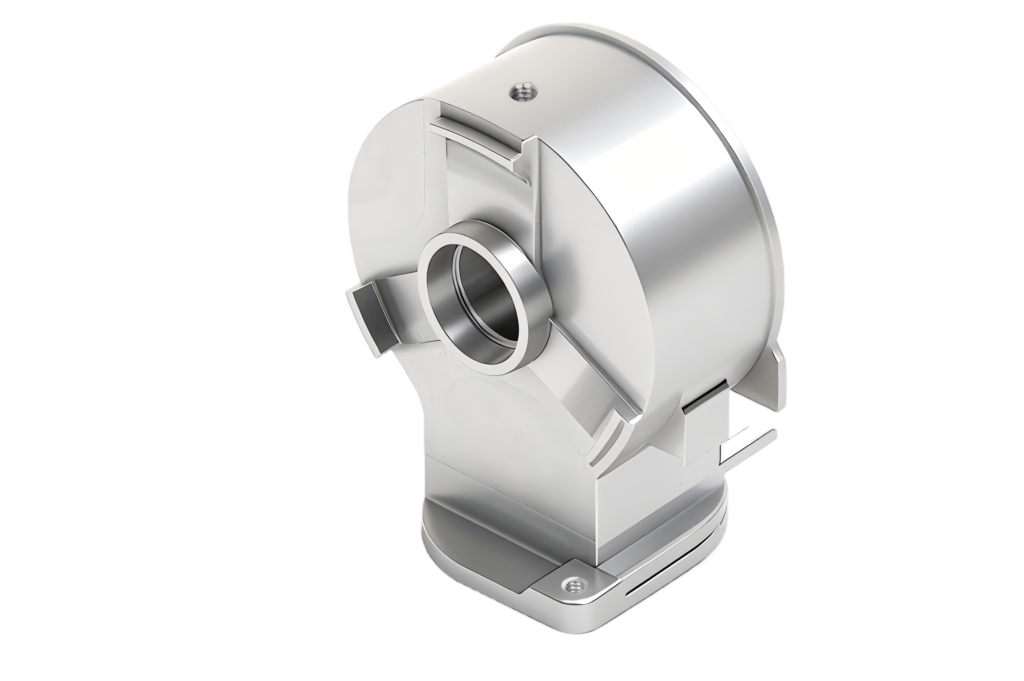
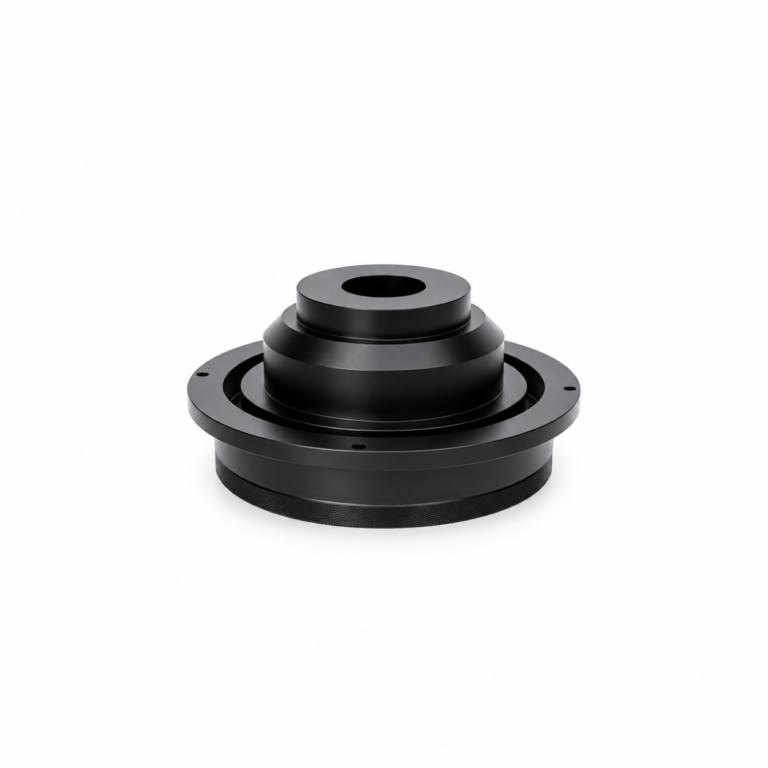
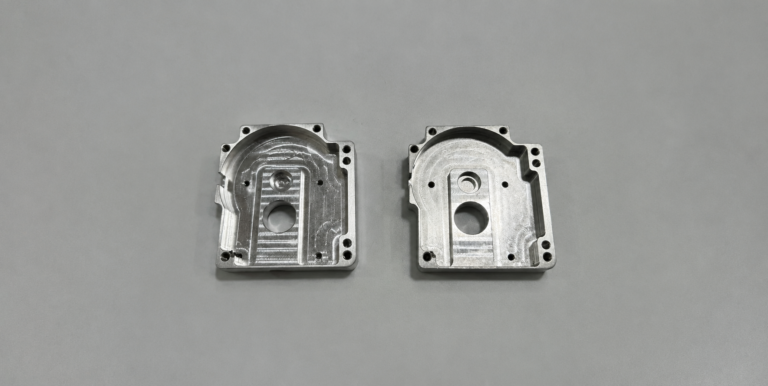
In this article, we analyze a case study regarding the surface anodizing of machined drone parts.
Core Technical Challenges in Machining Drone Parts:
Not all CNC machine shops are capable of manufacturing drone parts. The complexity of machining stems primarily from the industry’s rigorous performance requirements, which manifest in three key areas:
First is the conflict between lightweight design and high strength; structural drone components must be light enough to ensure flight endurance yet robust enough to withstand various stresses during flight.
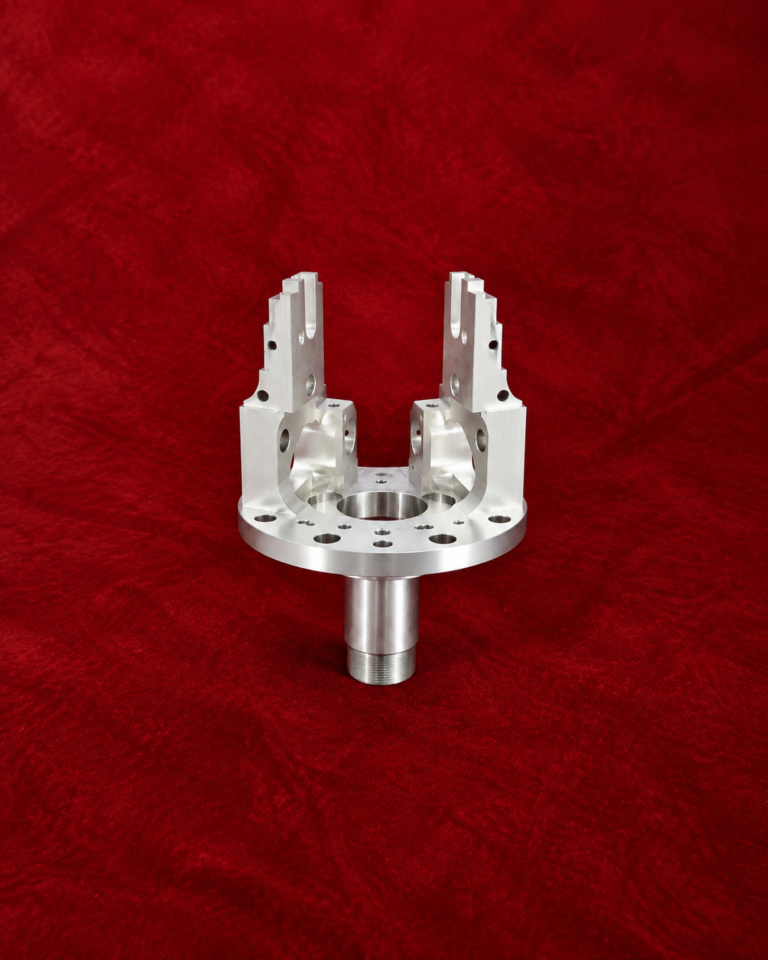
Second is the need to reconcile complex structures with precision tolerances; to integrate more functions and optimize aerodynamics, parts often feature irregular curved surfaces, thin walls, and multi-angle geometries, placing extreme demands on machining equipment and process path planning.
Finally, there is the challenge of machining special materials; for instance, the commonly used 7075-T6 aerospace aluminum alloy—while high in strength—is highly prone to deformation or defects during machining and surface treatment, testing the supplier’s depth of material knowledge and process control.
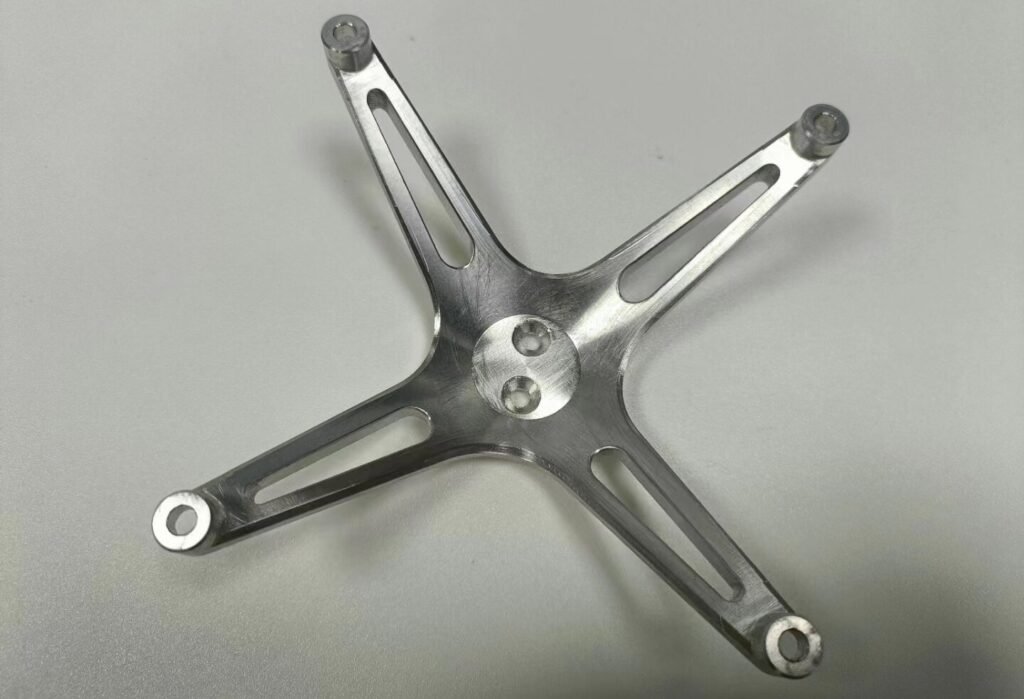
Case Study: Overcoming the Challenges of Anodizing 7075 Aluminum Alloy
Theoretical explanations and equipment descriptions are far less persuasive than a real-world case study. While 7075 aluminum alloy is favored by drone designers for its high strength, it is notorious in the industry for developing “material blooms” (uneven surface color or spotting) after anodizing—a major pain point that severely impacts product appearance and consistency.
Solution:
Step one: Proactively collaborate with major upstream raw material suppliers to customize 7075 material that meets specific standards, ensuring the stability of the metal element composition.
The second step involves conducting small-batch oxidation trials on each new batch of material prior to full-scale production to verify the surface treatment results. Although this proactive process control adds an extra step at the initial stage, it fundamentally eliminates the risk of widespread defects arising during mass production.