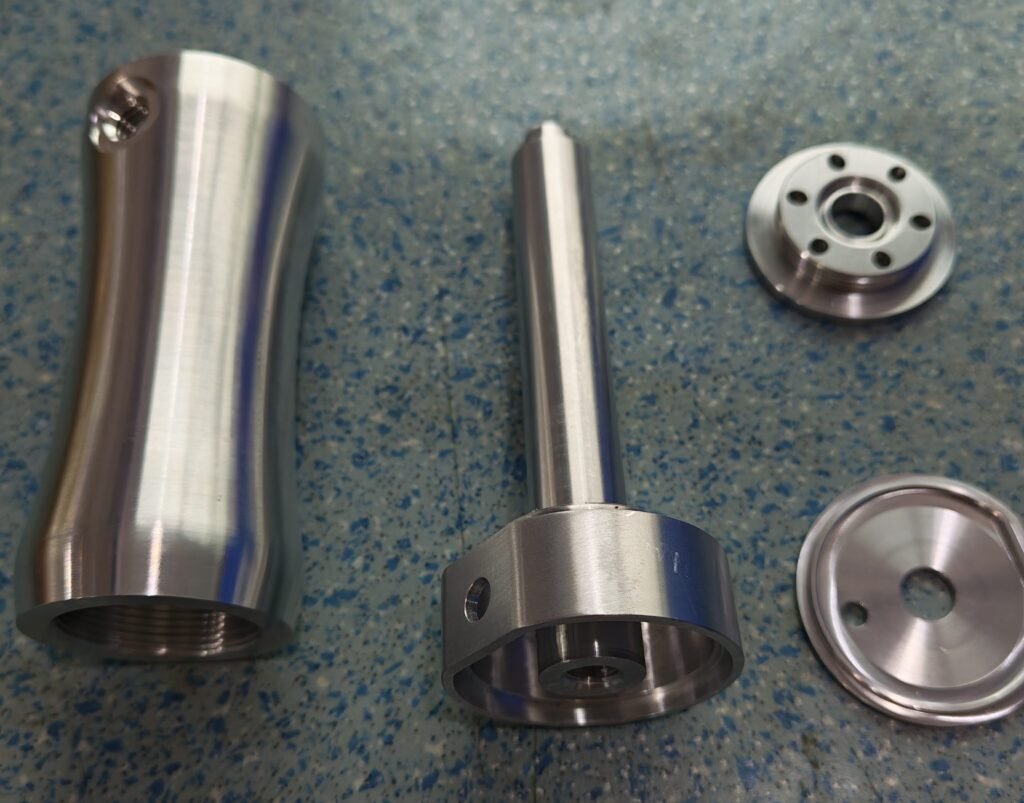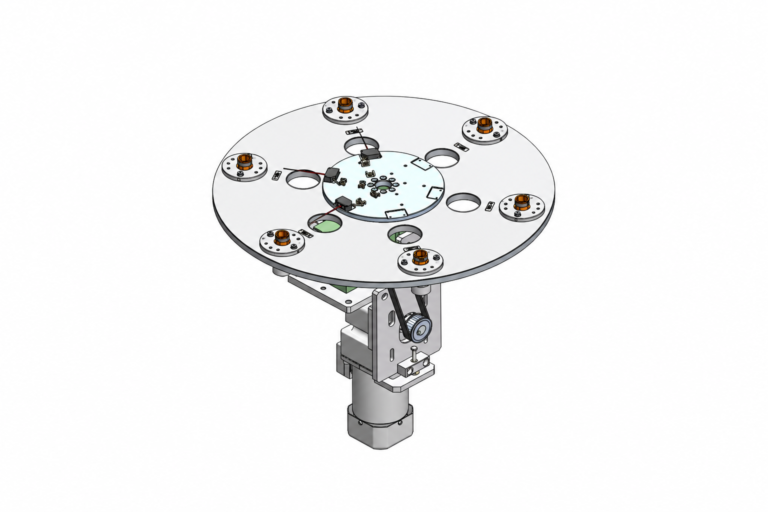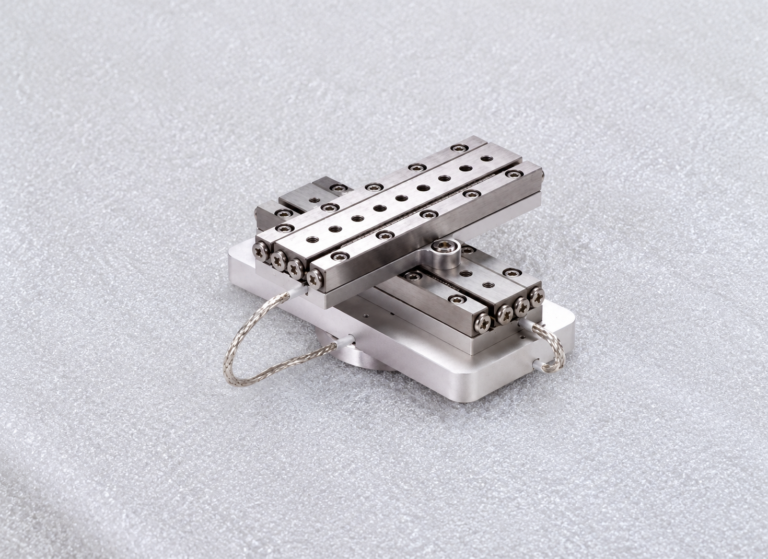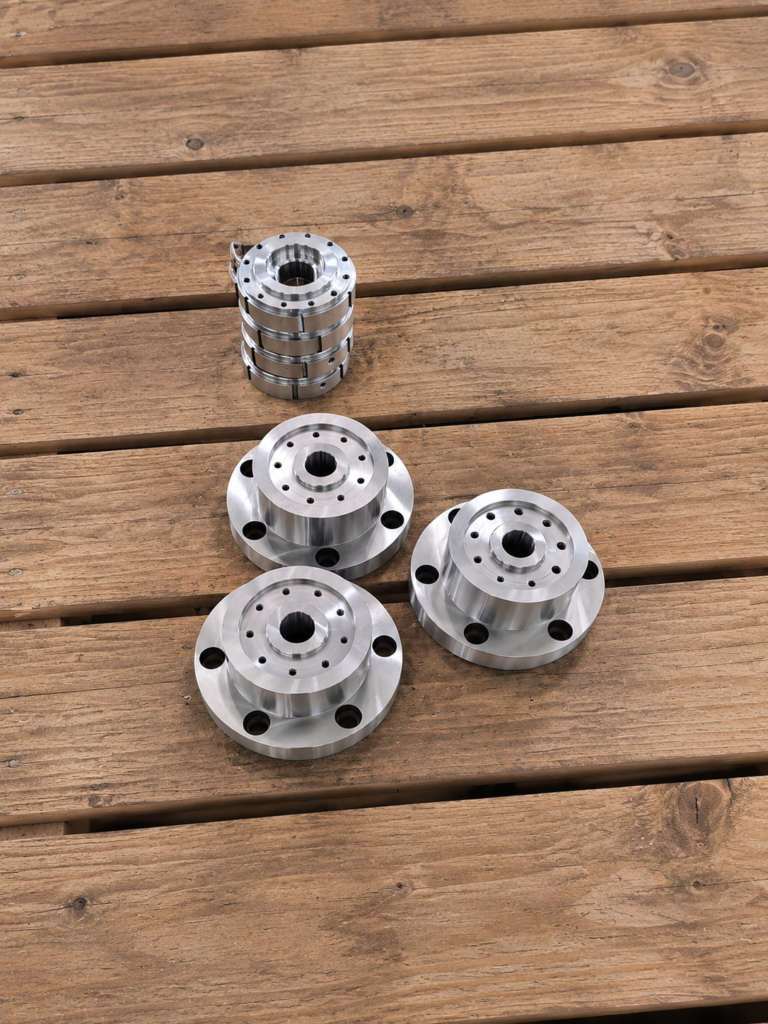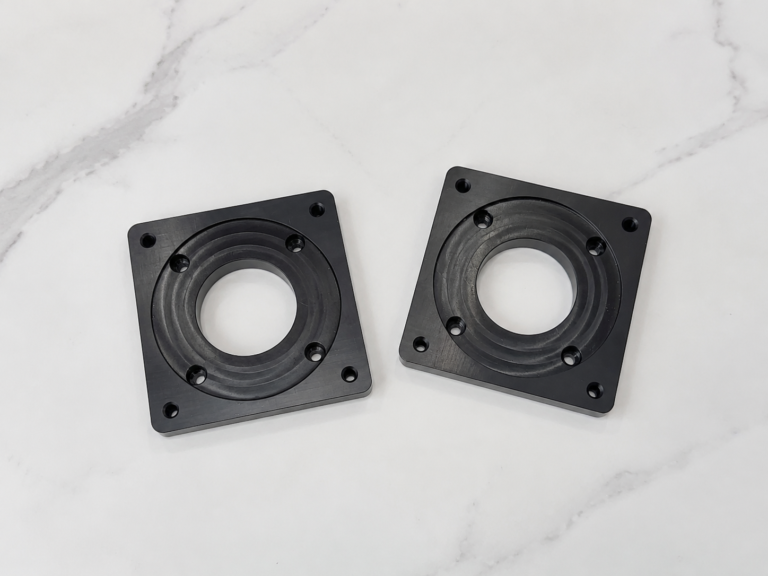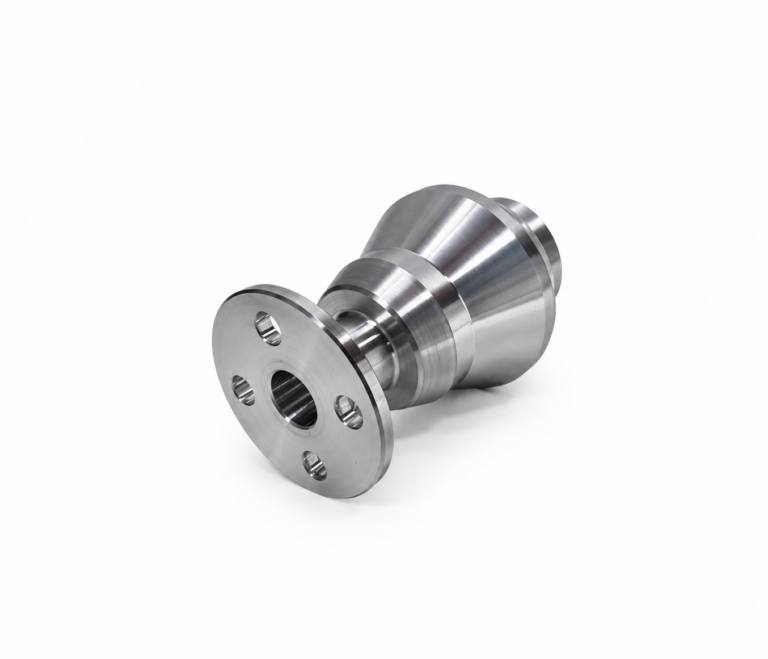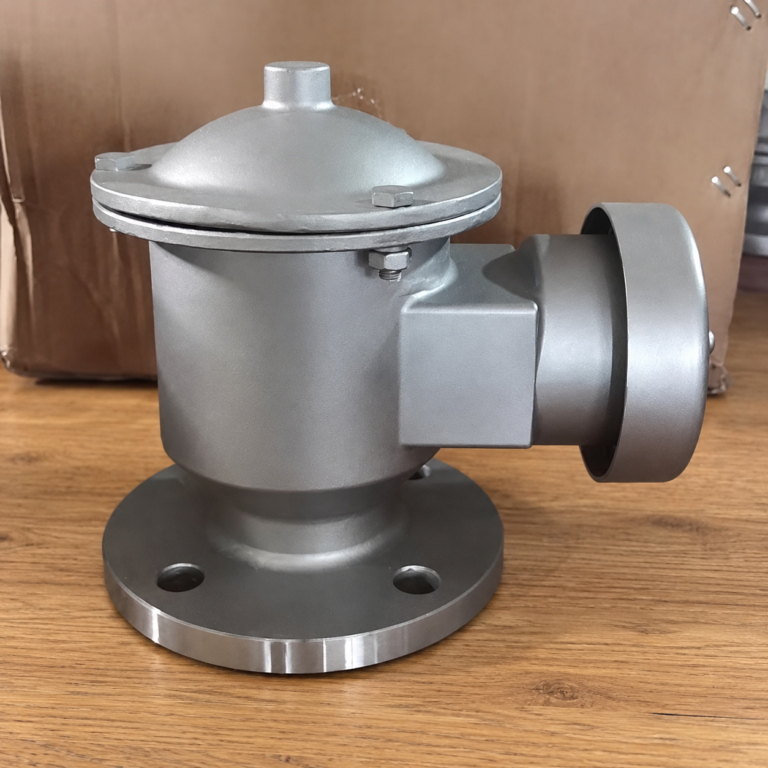
mirror finish CNC turning supplier
Guide to Selecting a Supplier for High-Precision Custom Turned Parts
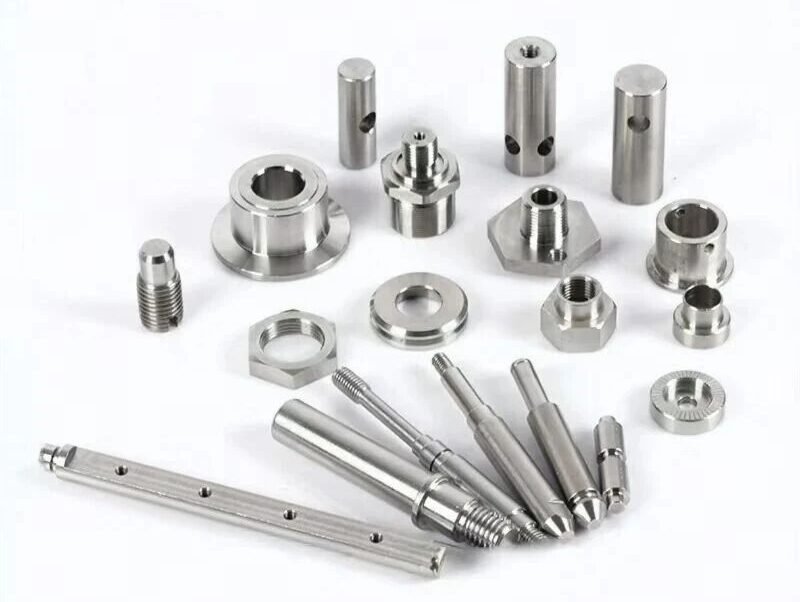
In the precision manufacturing supply chain, turned parts serve as core components for sectors such as electronics, telecommunications, new energy, industrial control, and automotive manufacturing. As industry demand for high precision, non-standard customization, short lead times, and stable yields continues to rise, selecting a high-quality, suitable supplier is crucial.
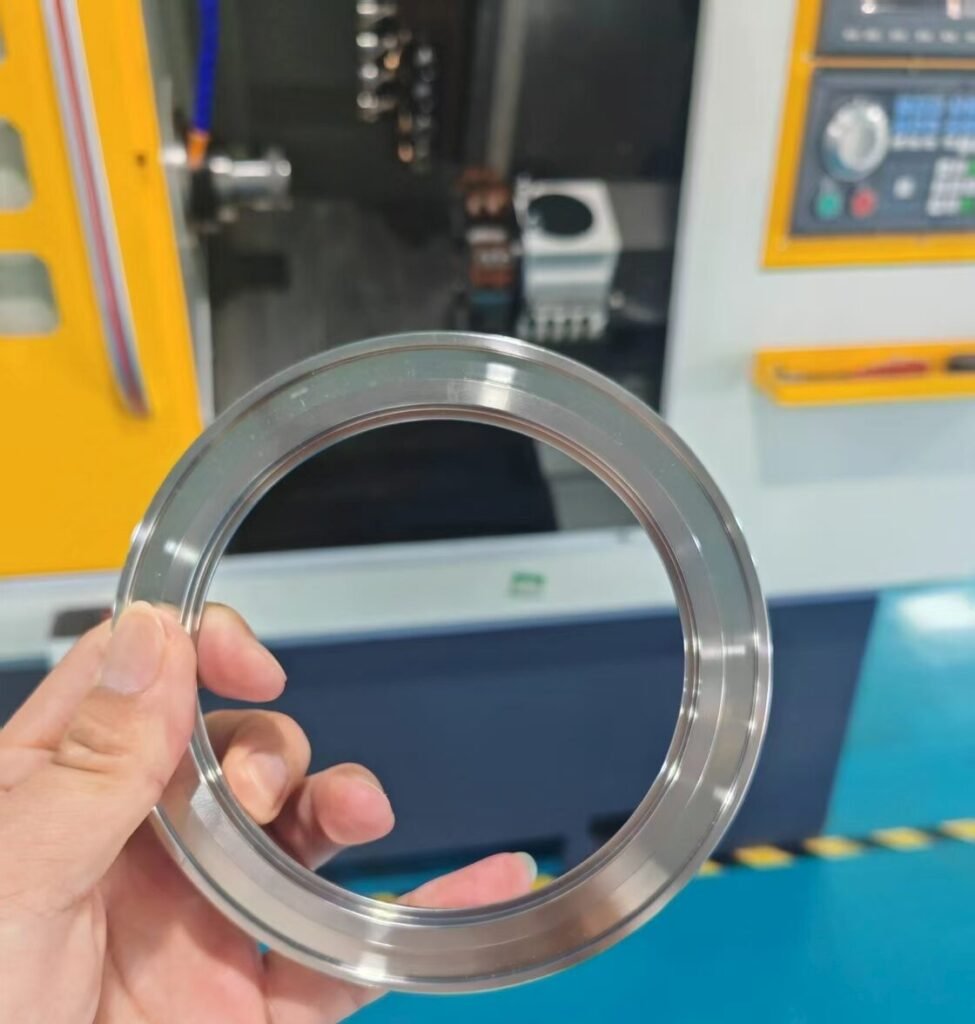
Criteria for Selecting a Turned Parts Supplier
The core of supplier selection is not merely comparing prices, but matching requirements, mitigating risks, and ensuring long-term delivery reliability. Whether for small-batch R&D or large-scale mass production, a comprehensive evaluation based on five key dimensions is recommended:
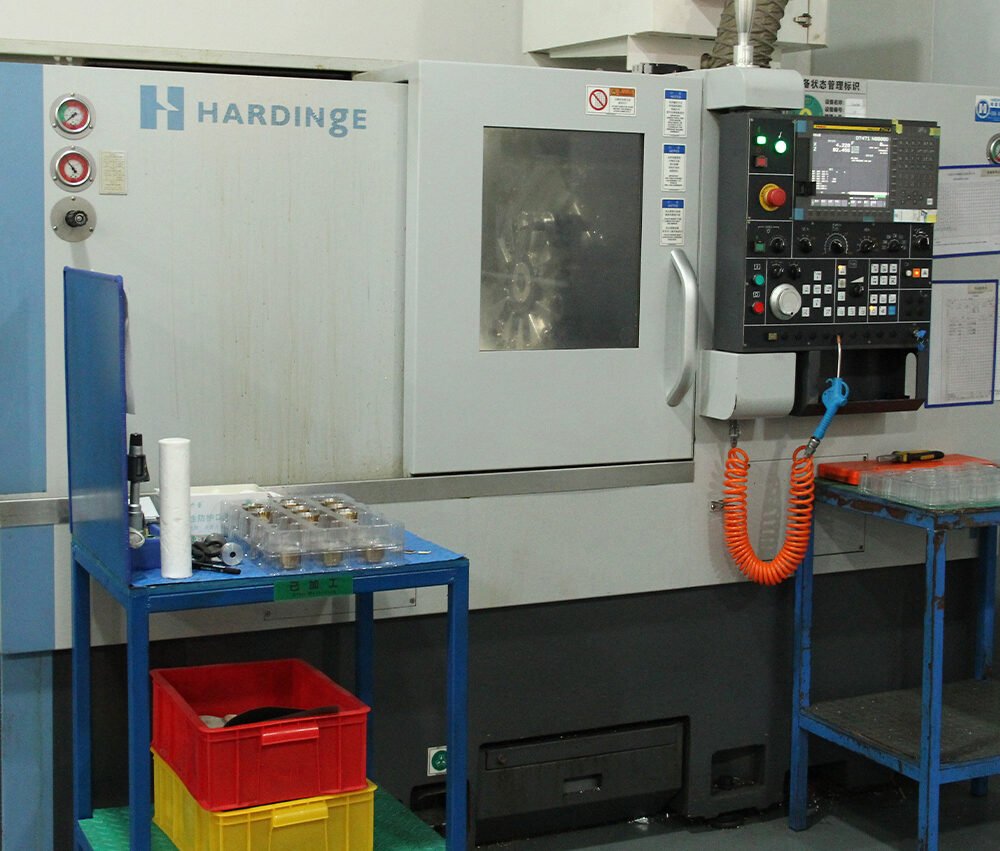
1. Technical and Process Capabilities: Focus on verifying core machining equipment, proprietary process expertise, and achievable precision levels. Assess capabilities for specialized processes (e.g., deformation prevention, closed-loop shape control, ultra-thin machining) and determine if they meet your product’s precision requirements.
2. Industry-Specific Experience: Prioritize manufacturers with proven track records in your specific sector. High-end fields like new energy, telecommunications, and automotive manufacturing demand higher standards for processes, cleanliness, and yields; specialized experience directly determines product stability.
3. Production Flexibility: Evaluate the ability to seamlessly switch between small-batch prototyping, pilot runs, and mass production. Check for flexibility regarding urgent delivery adjustments to meet dynamic needs such as new product iterations and production capacity scaling.
4. Quality Control System: Confirm the existence of an end-to-end quality inspection mechanism. A comprehensive quality control process—covering everything from raw material intake and in-process spot checks to final product inspection—is the key to ensuring stable yields.
5. Comprehensive Service Capabilities: Consider the full service lifecycle, including pre-sales technical alignment, process optimization, progress updates during production, and post-sales issue resolution. A robust service system significantly reduces communication costs and partnership risks.
Q&A on Common Industry Challenges
Q1: How can one accurately assess a turned parts supplier’s true technical capabilities?
A: Look beyond equipment specifications; focus on the ability to implement process parameters effectively, successful case studies in similar applications, and yield data. Request machining parameters, quality inspection reports, and delivery yield data for similar products to compare against actual results, thereby avoiding situations where a supplier boasts advanced equipment but lacks process expertise.
Q2: What are the primary reasons for the cost difference between small-batch customization and large-scale mass production?
A: Small-batch orders require frequent machine setups, mold changes, and parameter calibrations, resulting in higher labor and equipment wear-and-tear costs; consequently, unit prices are generally higher than those for mass-production orders. Manufacturers with flexible production systems can minimize setup losses by optimizing scheduling and consolidating processes, thereby effectively reducing the price premium associated with small-batch customization.
Q3: What are the primary causes of delivery delays for turned parts, and how can they be avoided?
A: Delays mainly stem from unstable raw material supply chains, poor coordination with outsourced processes, and chaotic production line scheduling. Prioritizing manufacturers that handle all production steps in-house reduces reliance on outsourcing, thereby mitigating the risks of delivery delays and inconsistent quality at the source.
Golden Rules for Selecting Suppliers
1. Look beyond the lowest price: Turned parts are precision components; low prices often come at the cost of compromised manufacturing processes, low yield rates, and unreliable delivery schedules, leading to higher total costs in the long run.
2. Prioritize industry-specific experience: General-purpose machine shops often cannot meet the stringent requirements for precision, cleanliness, and stability demanded by high-end sectors; relevant industry experience is more critical than the sheer number of machines.
3. Verify end-to-end capabilities: Opt for manufacturers that handle the entire production process in-house to avoid issues such as uncontrollable quality, communication lags, and accountability disputes often caused by multi-tier outsourcing.
4. Value long-term service capabilities: New product development and iterative upgrades require ongoing technical support; a robust pre-sales and after-sales service system is the key guarantee for a successful long-term partnership.