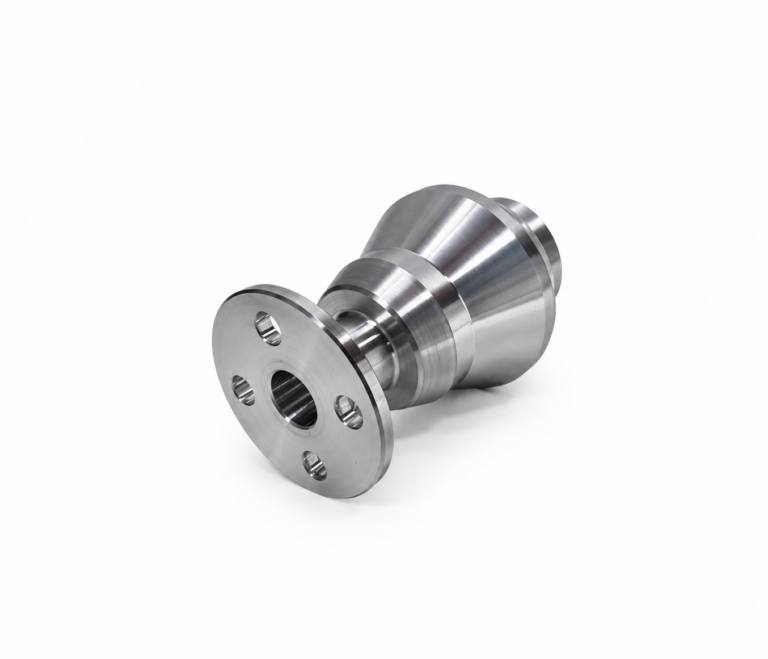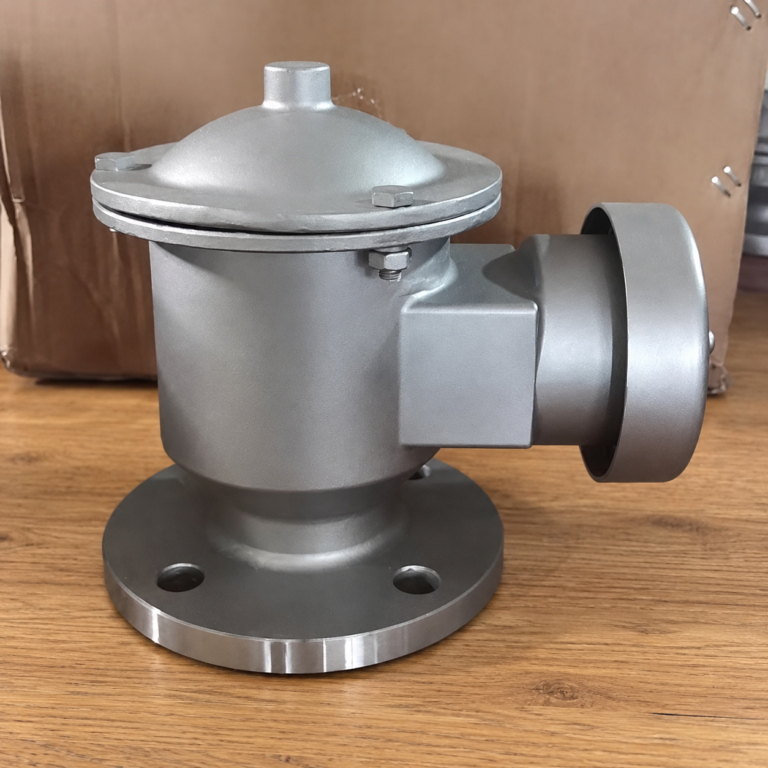
sculpted surface CNC milling
Q&A on Key Concepts in CNC Engraving and Milling
CNC engraving machines excel at precision machining with small tools and possess capabilities for milling, grinding, drilling, and high-speed tapping; they are widely used in sectors such as 3C electronics, mold making, and the medical industry. This article compiles common questions regarding CNC engraving processes.
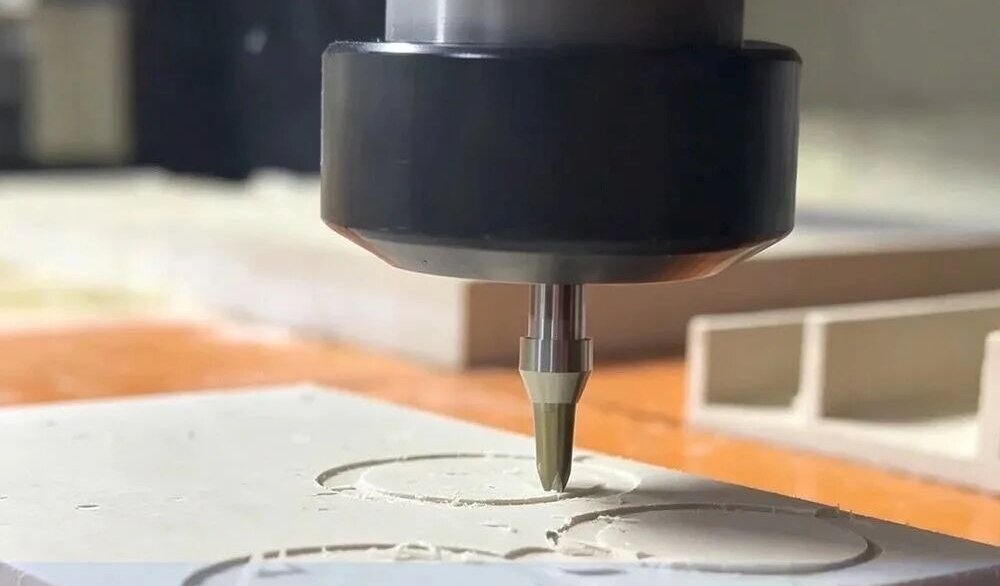
1. What are the main differences between CNC engraving and CNC milling?
Both CNC engraving and CNC milling utilize milling principles. The primary difference lies in the tool diameters used: CNC milling typically employs tools ranging from 6 to 40 mm in diameter, whereas CNC engraving uses tools with diameters between 0.2 and 3 mm.
2. Is CNC milling limited to rough machining, and CNC engraving limited to finish machining?
To answer this, we must first understand the concepts of the machining process. Rough machining involves a large volume of material removal, while finish machining involves a small volume; consequently, people often habitually equate rough machining with “heavy cutting” and finish machining with “light cutting.” In reality, rough machining, semi-finish machining, and finish machining are process concepts representing distinct stages of production. Therefore, the accurate answer is that CNC milling can perform both heavy and light cutting, whereas CNC engraving is limited to light cutting operations.
3. Can CNC engraving be used for the rough machining of steel materials?
Determining whether CNC engraving is suitable for a specific material depends largely on the size of the tool that can be used. The tools employed in CNC engraving dictate its maximum material removal capacity. If the mold geometry permits the use of a tool with a diameter exceeding 6 mm, it is strongly recommended to perform rough machining via CNC milling first, and then use CNC engraving to remove the remaining material.
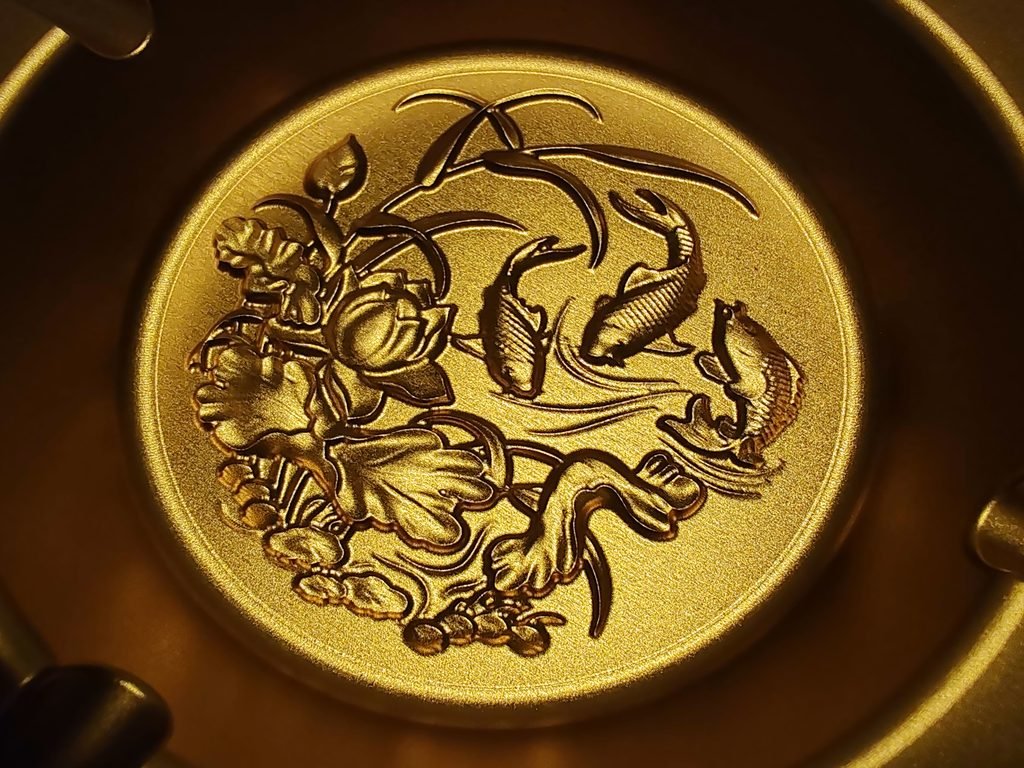
4. What are the main factors influencing engraving processes?
Machining is a complex process influenced by numerous factors, primarily: machine tool characteristics, cutting tools, control systems, material properties, machining processes, auxiliary fixtures, and the surrounding environment.
5. What are the requirements for the control system in CNC engraving?
Since CNC engraving is fundamentally a form of milling, the control system must possess the capabilities required for milling operations. When machining with small tools, a feed-forward function is essential to decelerate the tool along the path before critical points, thereby reducing the frequency of tool breakage. Conversely, feed rates should be increased along smooth path segments to enhance engraving efficiency.
6. Which material properties affect machining?
The primary factors influencing a material’s engraving performance are its category, hardness, and toughness. Material categories include metals and non-metals. Generally, higher hardness or higher viscosity results in poorer machinability. Increased impurity content or greater hardness of internal particles also negatively affects machinability. A general rule of thumb is: higher carbon content or higher alloy content leads to poorer machinability, whereas higher non-metallic element content improves machinability (though non-metallic content in standard materials is strictly controlled).
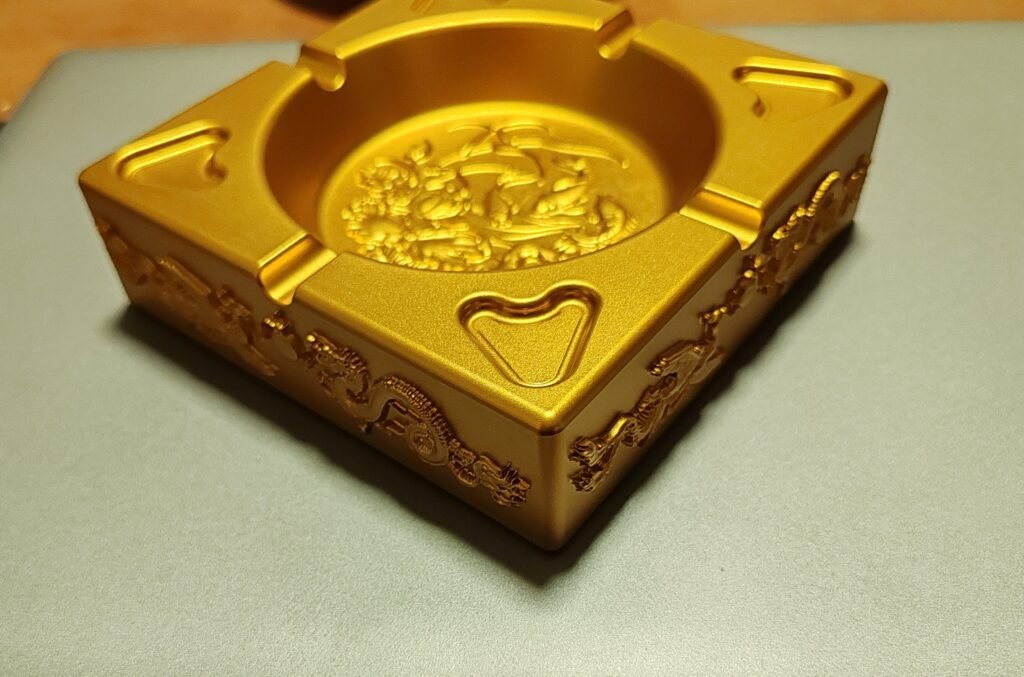
7. Which materials are suitable for engraving?
Suitable non-metallic materials include acrylic (Plexiglass), resin, and wood; unsuitable non-metallic materials include natural marble and glass. Suitable metallic materials include copper, aluminum, and mild steel (hardness below HRC40); unsuitable metallic materials include hardened (quenched) steel.
8. What is the function of cutting fluid?
When machining metal, the use of cooling oil is important. The cooling system serves to remove cutting heat and flying chips, while also providing lubrication. Coolant carries away heat generated during cutting, reducing the thermal load on the tool and motor and thereby extending their service life. Removing chips prevents “re-cutting” (chips being cut again). Lubrication reduces cutting forces, resulting in more stable machining. When machining pure copper (red copper), using an oil-based cutting fluid can improve surface finish.
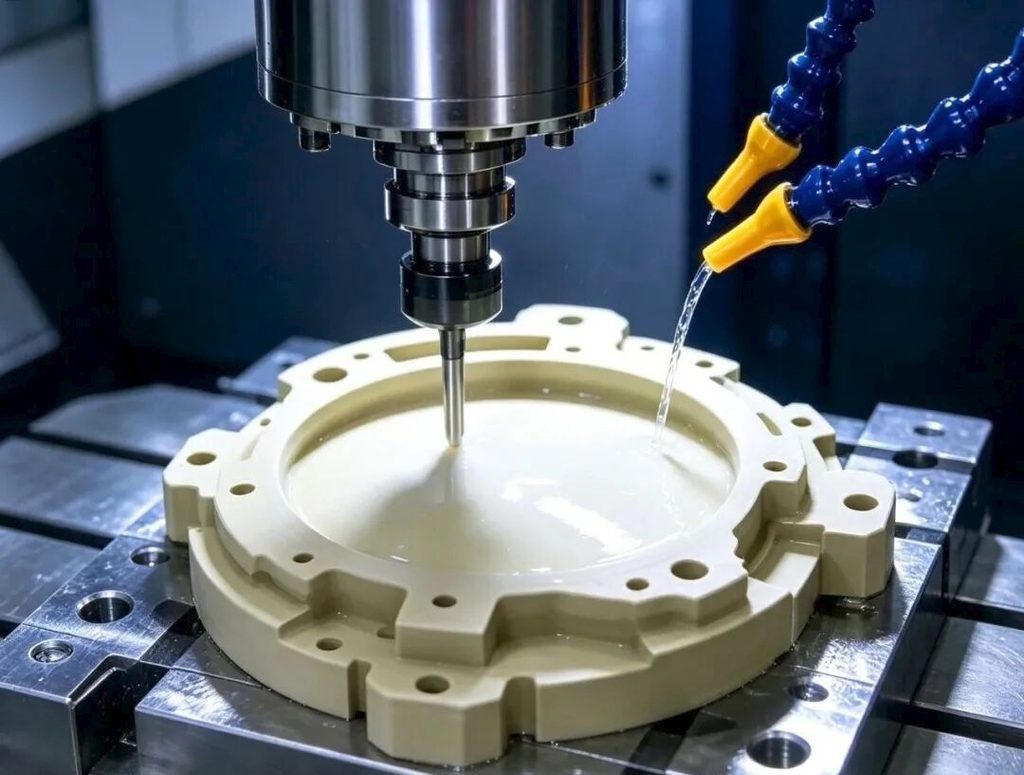
9. How should a sudden tool breakage during machining be handled?
- Stop the machining process and note the current operation sequence number.
- Inspect the breakage site for any remaining tool fragments and remove them if found.
- Analyze the cause of the breakage—this is the most critical step. Why did the tool break? Analysis should be based on the factors affecting machining mentioned earlier. Ultimately, however, the cause of tool breakage is a sudden increase in the force applied to the tool. The issue could stem from the tool path, excessive tool vibration, hard spots in the material, or an incorrect spindle motor speed.
- After analysis, replace the tool and proceed with machining. If the tool path remains unchanged, start machining from the sequence number immediately preceding the one where the interruption occurred; in this case, be sure to reduce the feed rate—first, because the material at the point of breakage has become severely work-hardened, and second, to allow for the tool to break in.