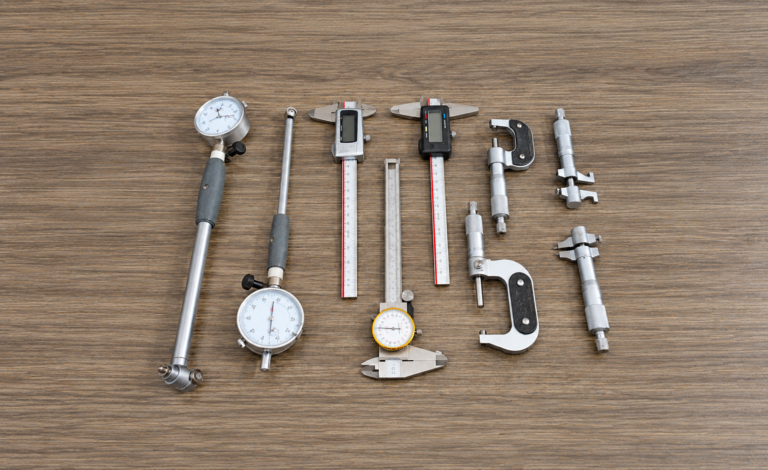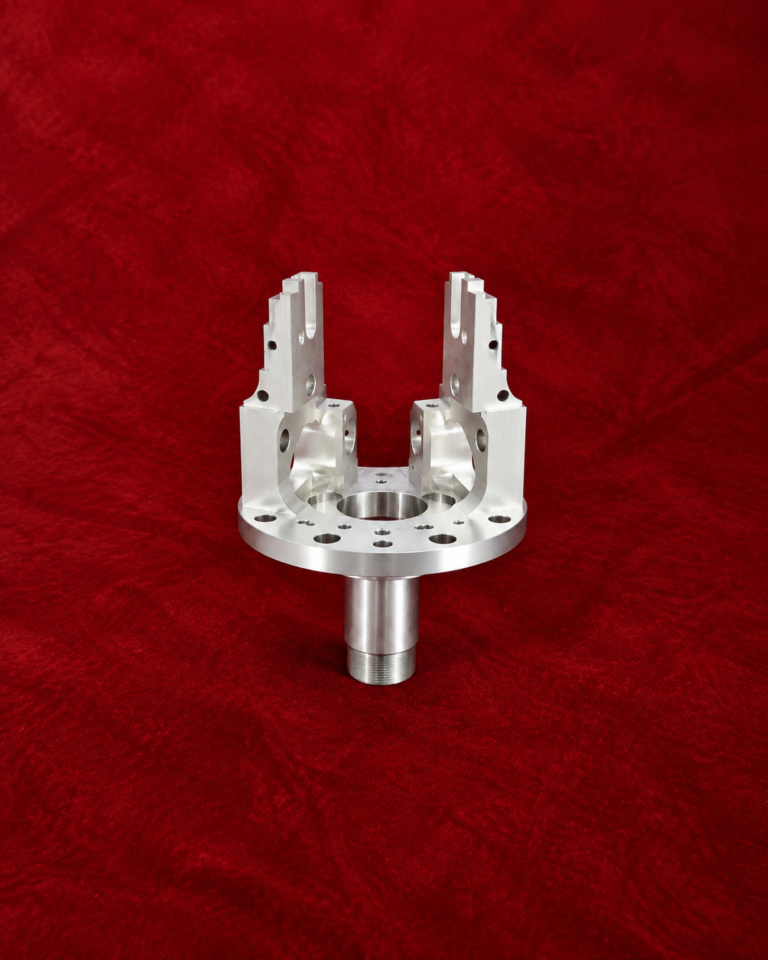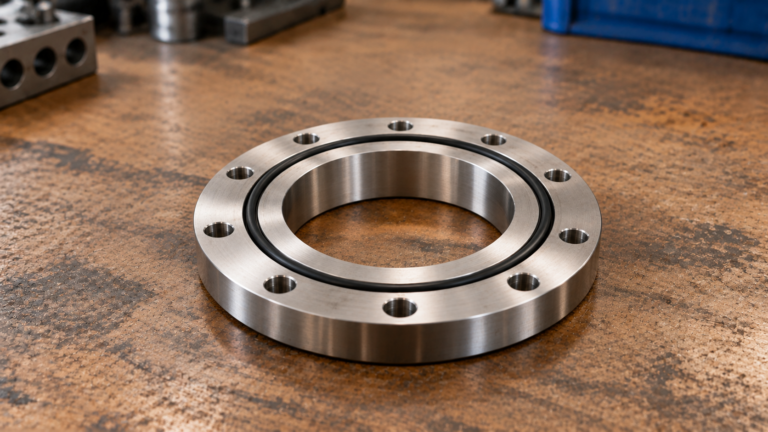
high aspect ratio CNC machining
Practical Guide to CNC Machining Large-Format Plates: Key Implementation Points from Material Selection to Machining and Quality Inspection
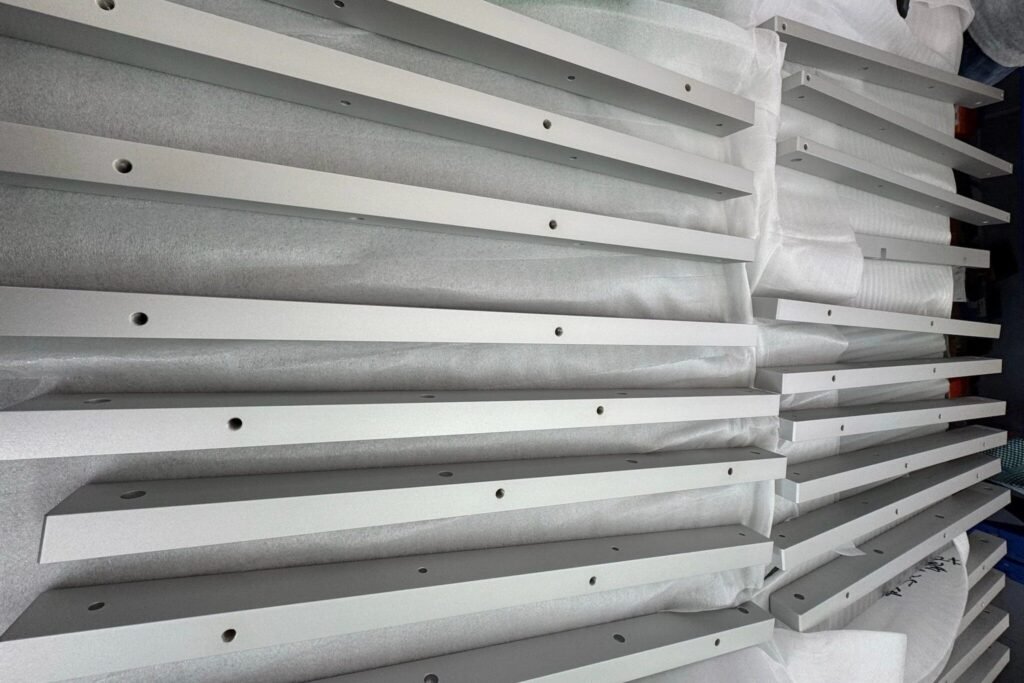
In the manufacturing of custom automation equipment, large-format plate components (with side lengths of 1500–4000mm and thicknesses of 8–50mm) serve as the core load-bearing elements of the equipment framework; their machining quality directly impacts subsequent assembly precision and the equipment’s service life. Drawing on years of practical production experience serving hundreds of automation enterprises and addressing real-world industry needs, we break down the critical implementation points across the entire process of machining these large automation plates.
I. Material Selection: A Cost-Effective Choice Aligned with Actual Operating Conditions
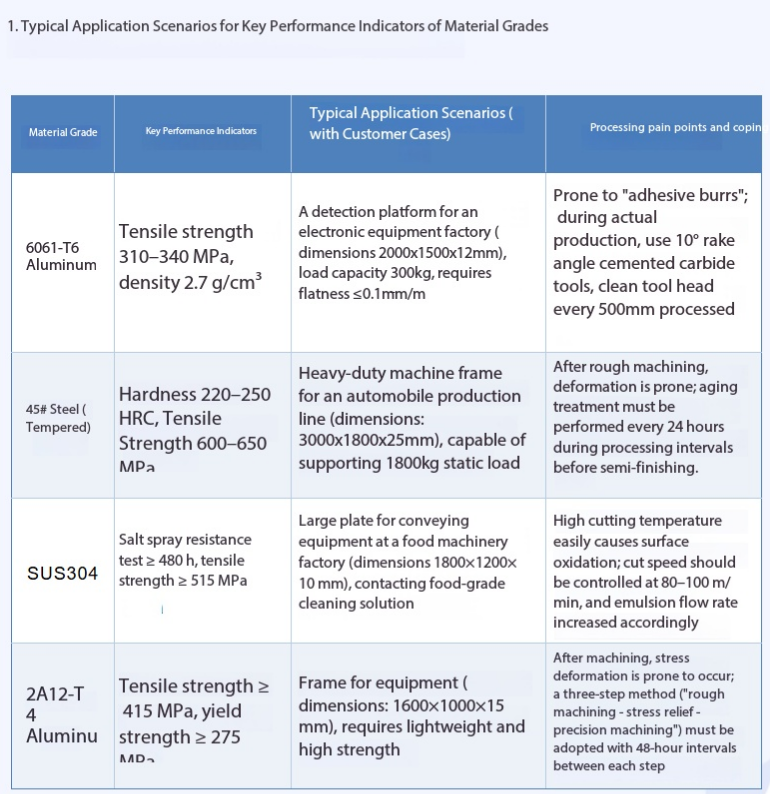
2. Industry Best Practices for Material Procurement and Pre-treatment
*Procurement Considerations: For large aluminum alloy plates, require suppliers to provide a “homogenization treatment report” to prevent “soft spots” during machining caused by uneven composition; for 45# steel, specify “killed steel” to minimize internal porosity and prevent cracking during subsequent welding.
*Pre-treatment Procedures: After solution treatment, aluminum alloy plates must cool naturally to room temperature (approximately 24 hours) before aging; direct water quenching is prohibited. Following stress-relief annealing for 45# steel, flatness must be verified using a dial indicator; re-leveling is required if the deviation exceeds 0.2mm.
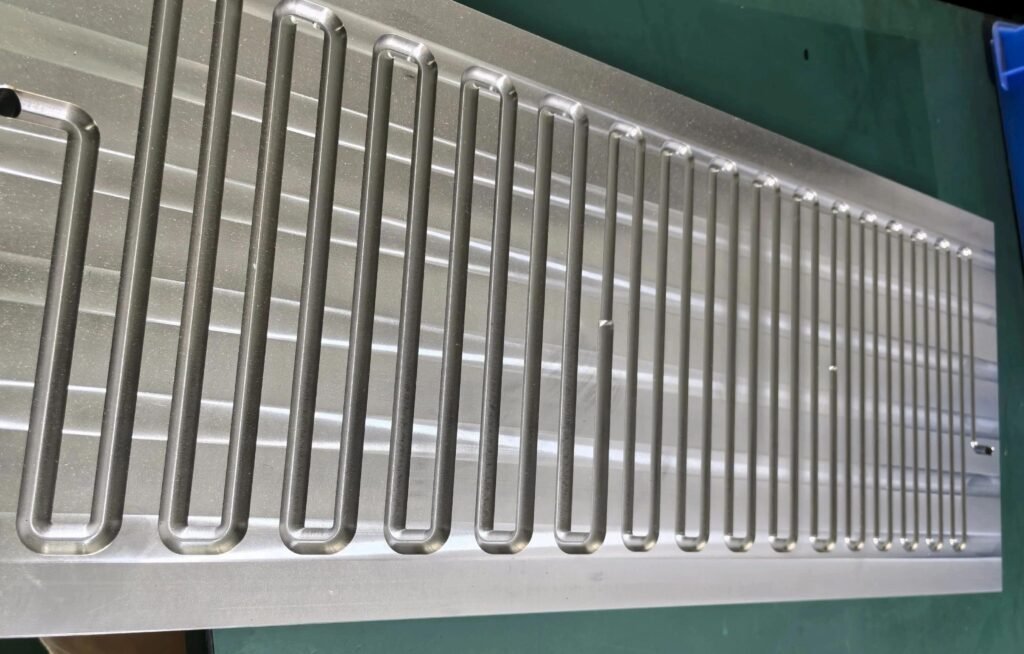
II. Machining Process: Key Precision Control Points in Workshop Operations
1. Practical Techniques for Positioning and Clamping
*Datum Preparation: As the bottom surface serves as the primary datum, it requires initial “datum face milling” to ensure flatness within 0.05mm (in actual production, we perform two passes with the milling cutter to prevent datum tilt caused by a single-pass operation).
*Clamping Method: For plates exceeding 2000mm in length, employ a “multi-point support clamping” strategy (placing a support point every 300–400mm) while simultaneously installing “anti-deformation clamps” along the edges.
2. Workshop measures for deformation control
Thermal deformation management: During machining, operations are paused every 30 minutes to monitor the large plate’s surface temperature using an infrared thermometer; if the temperature exceeds 40°C, the cooling period is extended.
Residual stress relief: After rough machining, the large plate is allowed to rest for 24 hours before semi-finishing begins. (Note: An automation equipment manufacturer once required same-day completion; skipping the rest period resulted in a 0.1mm misalignment of mounting holes during final assembly, necessitating corrective reaming.)
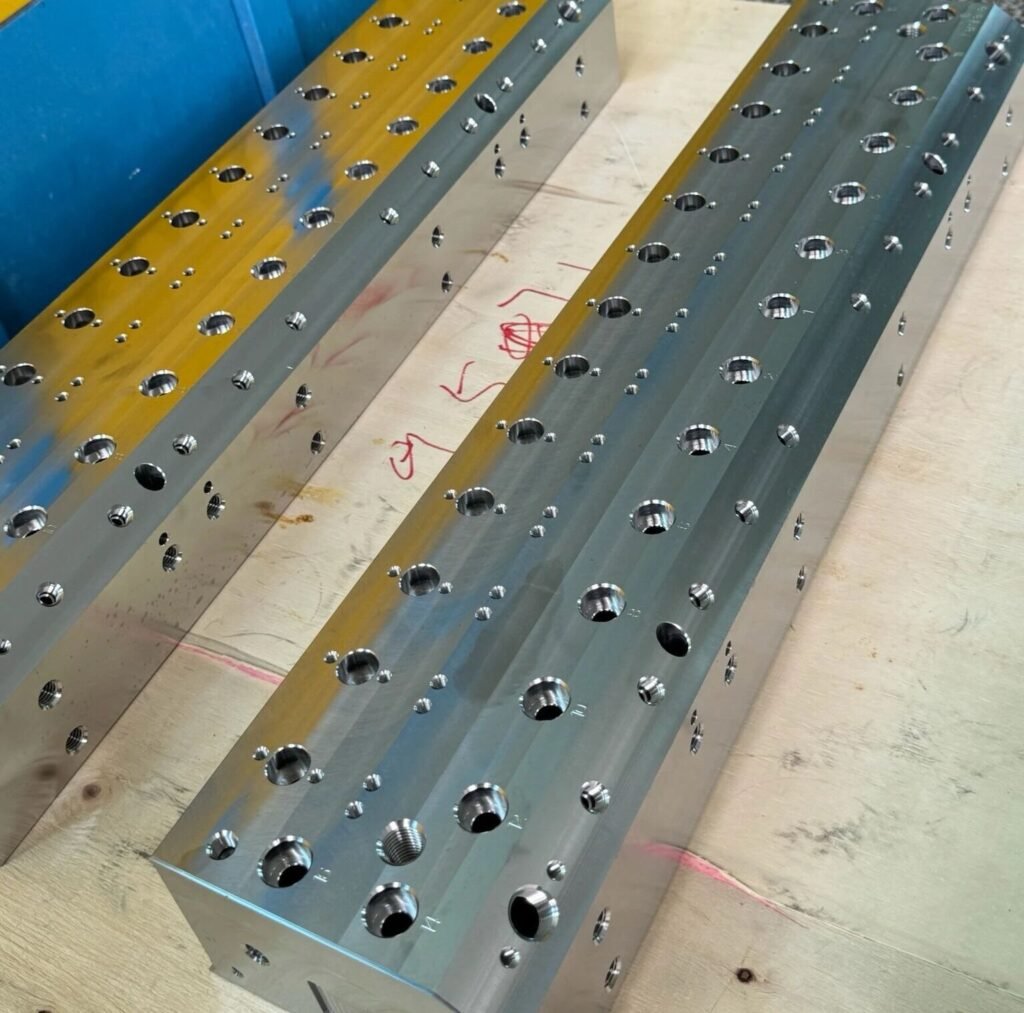
III. Finished product inspection: Testing procedures meeting customer acceptance standards
1. Geometric accuracy inspection procedures
Flatness inspection: Conducted using a Coordinate Measuring Machine (CMM) with a “5×5 grid” sampling pattern (e.g., 25 points for a 2000×1500mm plate).
Hole position inspection: Positioning holes undergo dual verification using “Go/No-Go gauges” and a CMM; the “Go” gauge must pass through smoothly, while the “No-Go” gauge must not enter. (In practice, each hole is measured three times to eliminate single-measurement errors.)
2. Surface quality and defect inspection
Roughness inspection: For critical surfaces (such as mating/assembly surfaces), measurements are taken at 100mm intervals; the Ra value must be ≤1.6μm.
Defect inspection: Large plates joined by welding undergo penetrant testing, and inspection records are retained.
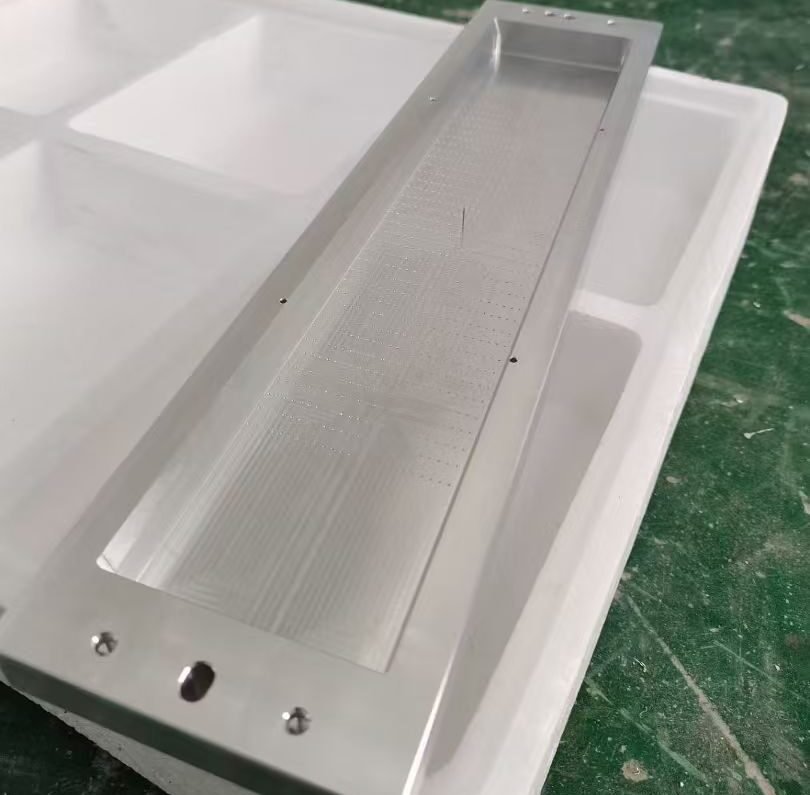
IV. Industry service advantages: Addressing real-world customer pain points
1. Rapid response to urgent orders: For automation equipment manufacturers, we can activate a “24-hour, three-shift” production schedule (e.g., we once rushed the production of three large 2500×1800mm plates, completing delivery within 48 hours).
2. After-sales support: Finished products come with a “3-month quality guarantee”; if assembly difficulties arise due to machining issues, rework is provided free of charge.
3. Technical Support: We provide advice on processing techniques—such as recommending materials based on the client’s equipment operating conditions (e.g., for a food machinery client, we recommended SUS304 to replace the originally planned SUS316L, resulting in a 30% reduction in material costs).
If you are looking for a manufacturer specializing in automated CNC machining of large-format plates, or if you have specific requirements (such as material selection, precision specifications, or delivery timelines), please feel free to message us directly. Simply send us your drawings to receive a free machining proposal and quote!