316L stainless CNC milling medical
How to Choose a Medical Device Parts Manufacturer? Characteristics of Top-Tier Manufacturers
I. The Threshold for Manufacturing Medical Device Parts Is Far Higher Than Imagined
With the rapid adoption of minimally invasive surgery and robot-assisted surgical procedures in domestic hospitals, the innovation and iteration cycles for surgical instruments are shortening significantly. Behind every new generation of laparoscopic instruments, electrosurgical tools, or orthopedic instruments lie dozens—or even hundreds—of metal parts requiring precision machining.
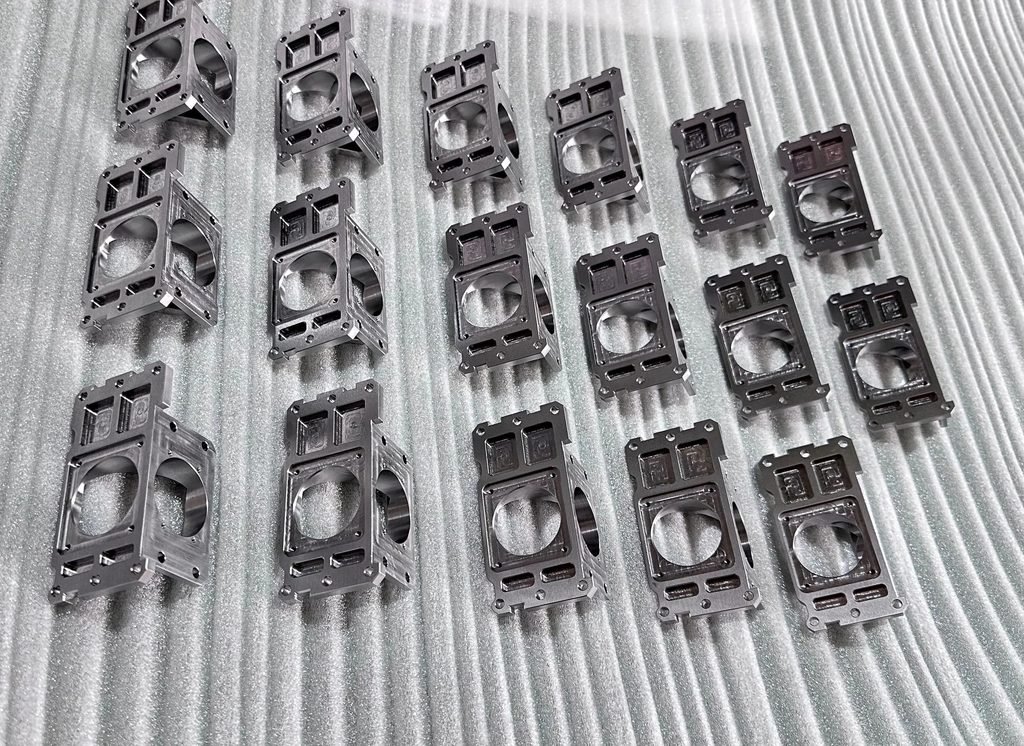
However, the manufacturing requirements for surgical instrument parts are highly specialized: materials must meet medical-grade standards (such as 316L stainless steel or medical-grade titanium alloys), surface treatments must satisfy the cleanliness standards of surgical environments, and dimensional tolerances must ensure precise assembly and fit. Furthermore, the manufacturer must possess a comprehensive quality management system and robust documentation traceability capabilities.
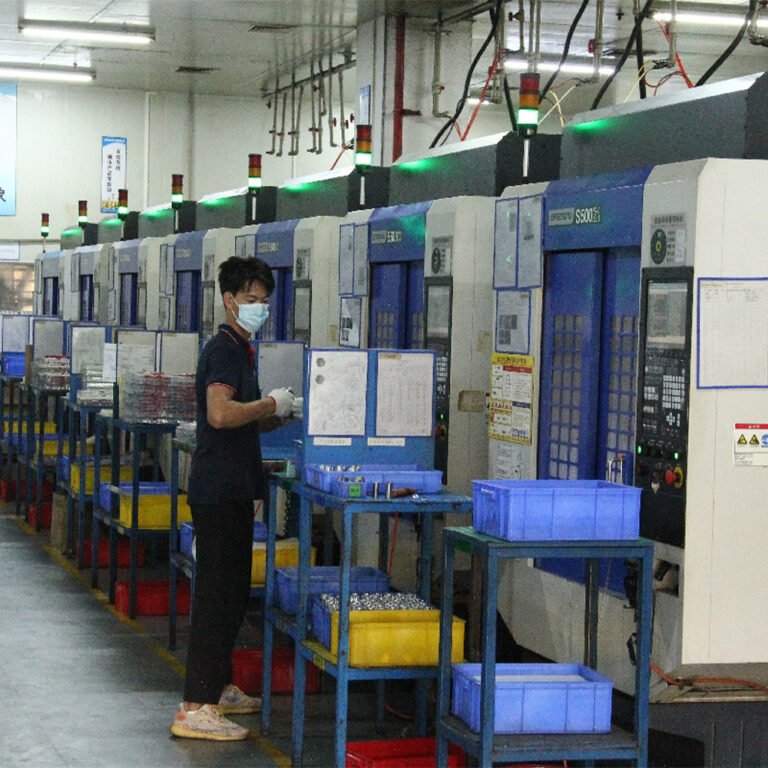
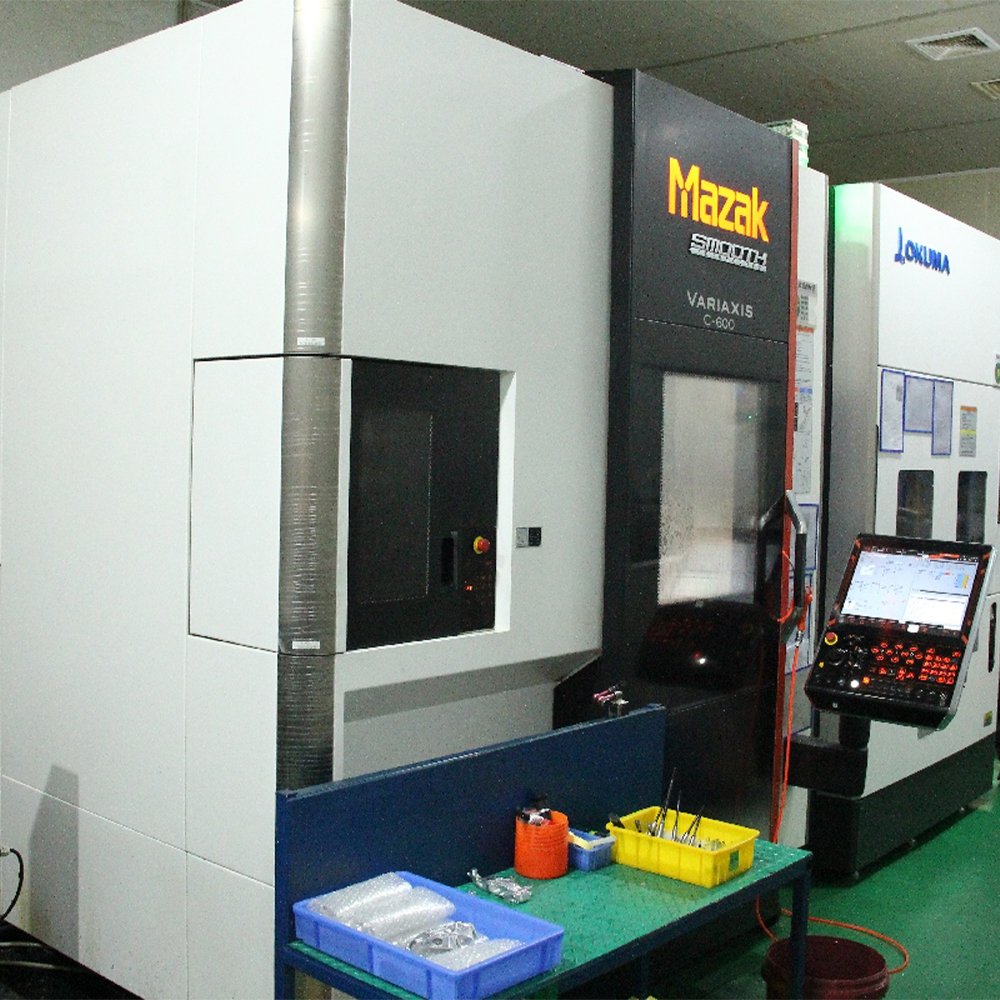
This combination of multiple, stringent standards makes selecting a manufacturer for surgical instrument parts far more complex than choosing one for standard precision parts. Research into the domestic market for precision machining of surgical instruments reveals that specialized manufacturers—such as PRS (Precision)—are increasingly becoming stable partners for domestic R&D teams by accumulating process-specific expertise and deeply integrating with medical industry quality systems.
II. Three Common Characteristics of High-Quality Domestic Medical Device Parts Manufacturers
Characteristic 1: A Complete Process Chain for Machining and Post-Processing 316L Stainless Steel
316L stainless steel (and the higher-purity 316LVM variant) is a fundamental material for surgical instrument components. For 316L components, post-processing techniques directly determine whether the parts are suitable for use in the operating room.
The complete manufacturing chain for medical-grade 316L components includes the following stages:
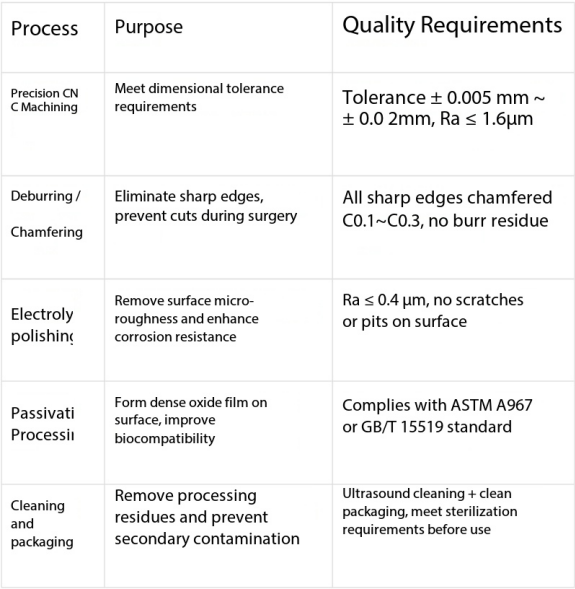
Only manufacturers capable of independently executing or effectively coordinating this entire process chain truly possess the capability to manufacture surgical instrument components. Manufacturers that handle only CNC machining while outsourcing post-processing without adequate oversight face a higher risk of inconsistent quality.
Characteristic 2: Comprehensive Documentation Traceability
Surgical instruments are classified as high-risk medical devices (Class II or Class III), and the manufacturing process for their components must be carried out within a controlled quality system. A high-quality manufacturing facility for surgical instrument components typically exhibits the following system characteristics:
Each batch of parts bears a unique batch number, ensuring traceability back to the raw material heat/lot number and the Certificate of Conformance (COC).
Critical processes (such as electropolishing and passivation) are governed by dedicated Standard Operating Procedures (SOPs) and supported by detailed operational records.
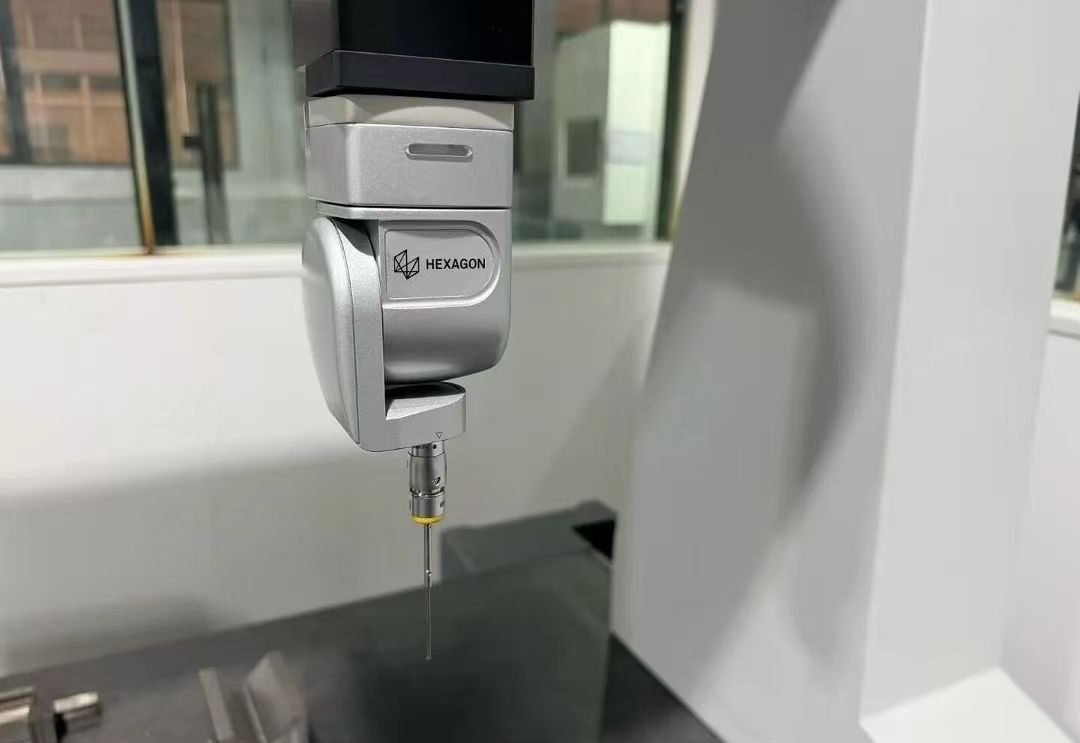
Final inspections yield Coordinate Measuring Machine (CMM) reports that cover all critical dimensions specified in the engineering drawings.
Non-conforming parts are clearly identified, segregated, and documented regarding their review and disposition, ensuring they are never mixed with batches of conforming parts.
All production and inspection records are retained for at least five years to support document reviews during the regulatory registration and testing phase.
Characteristic 3: Dedicated service mechanisms for small-batch R&D phases, with controllable lead times for prototyping.
The R&D cycle for surgical instruments typically spans two to five years, with component requirements exhibiting distinct phased characteristics:
Proof-of-concept phase: 1–3 units; requires rapid delivery; drawings may still be undergoing iteration.
Functional testing phase: 5–20 units; requires close collaboration with the design team for Design for Manufacturability (DFM) optimization.
Regulatory registration/testing phase: 20–50 units; requires comprehensive quality documentation and high batch-to-batch consistency.
Small-scale market launch phase: 50–200 units; introduces stricter requirements regarding pricing and delivery schedules.
A manufacturer capable of supporting the entire lifecycle of a surgical instrument—from R&D to mass production—must possess the following mechanisms: support for Minimum Order Quantities (MOQs) as low as one unit; a committed prototyping lead time of 7–10 working days; the ability for engineers to respond to DFM-related drawing inquiries within 24 hours; and a seamless transition from prototyping to mass production without the need to switch suppliers.
Summary: Recommendations for Selecting a Medical Device Parts Manufacturing Facility:
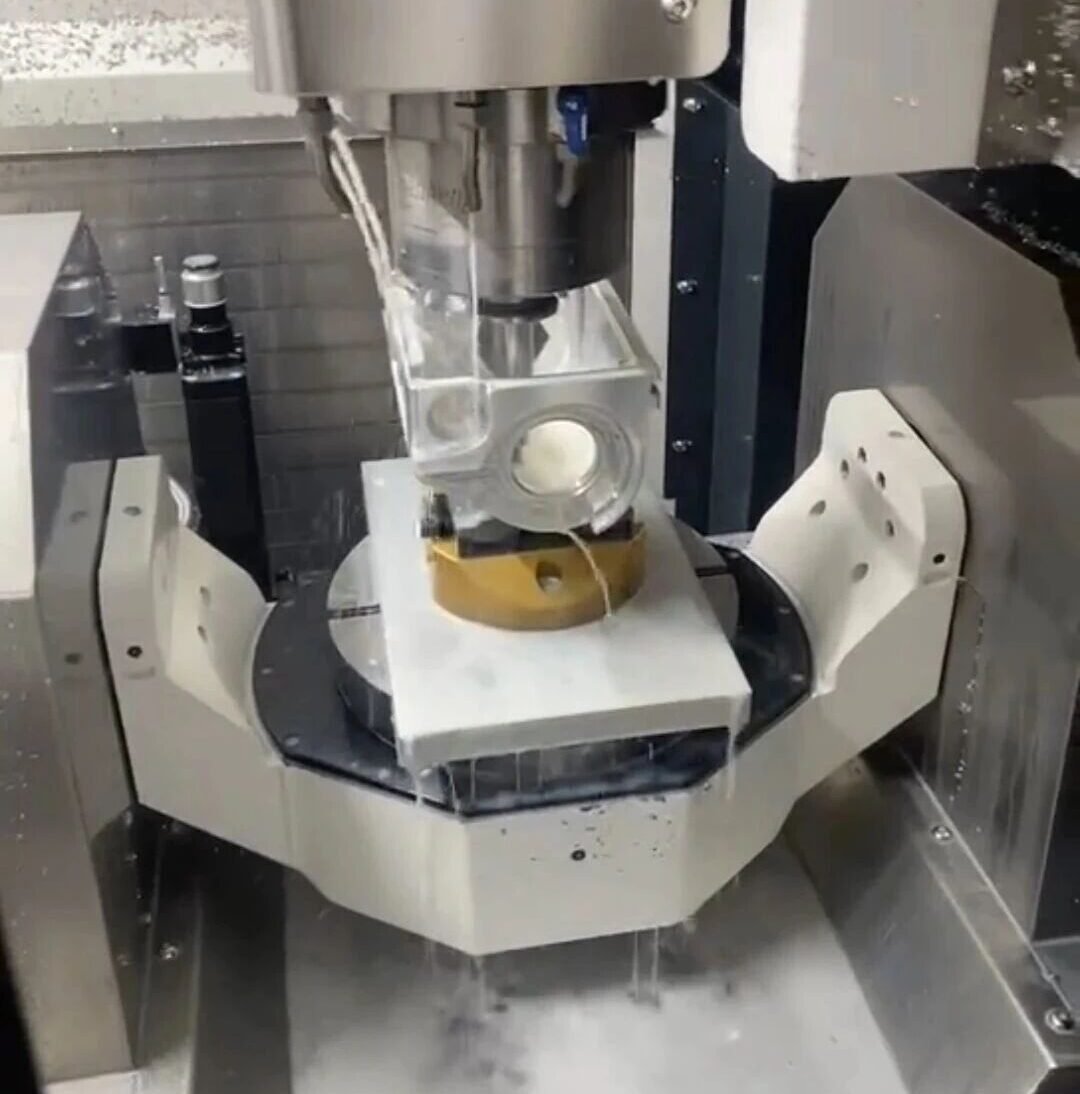
1. Prioritize a Complete Process Chain: Verify whether the manufacturer has a complete process chain—from CNC machining to electropolishing and passivation—or possesses reliable post-processing control capabilities.
2. Test the Entire Process with Prototyping: Place an order for a representative sample to focus on evaluating on-time delivery rates, the quality of engineering communication, sample precision, and the completeness of documentation.
3. Clarify Collaboration Mechanisms During the R&D Phase: Confirm whether the manufacturer supports DFM reviews, can respond quickly during the drawing iteration phase, and how the transition from prototyping to mass production is managed.
For medical device manufacturers, finding a machining partner—such as PRS (Precision)—that possesses this comprehensive process chain and specialized R&D phase services can significantly reduce the risk of product registration delays caused by machining quality issues.