303 stainless steel Swiss screw machining
- Material Overview
303 stainless steel is an austenitic, free-machining, corrosion-resistant, and acid-resistant steel. To enhance its properties, up to 0.60% molybdenum can be added to improve ablation resistance.
Regarding mechanical properties after annealing and stress relief: tensile strength is 515 MPa, yield strength is 205 MPa, and elongation is 40%. Standard hardness ranges are HRB 90–100 and HRC 20–25 (Note: HRB 100 = HRC 22.9).
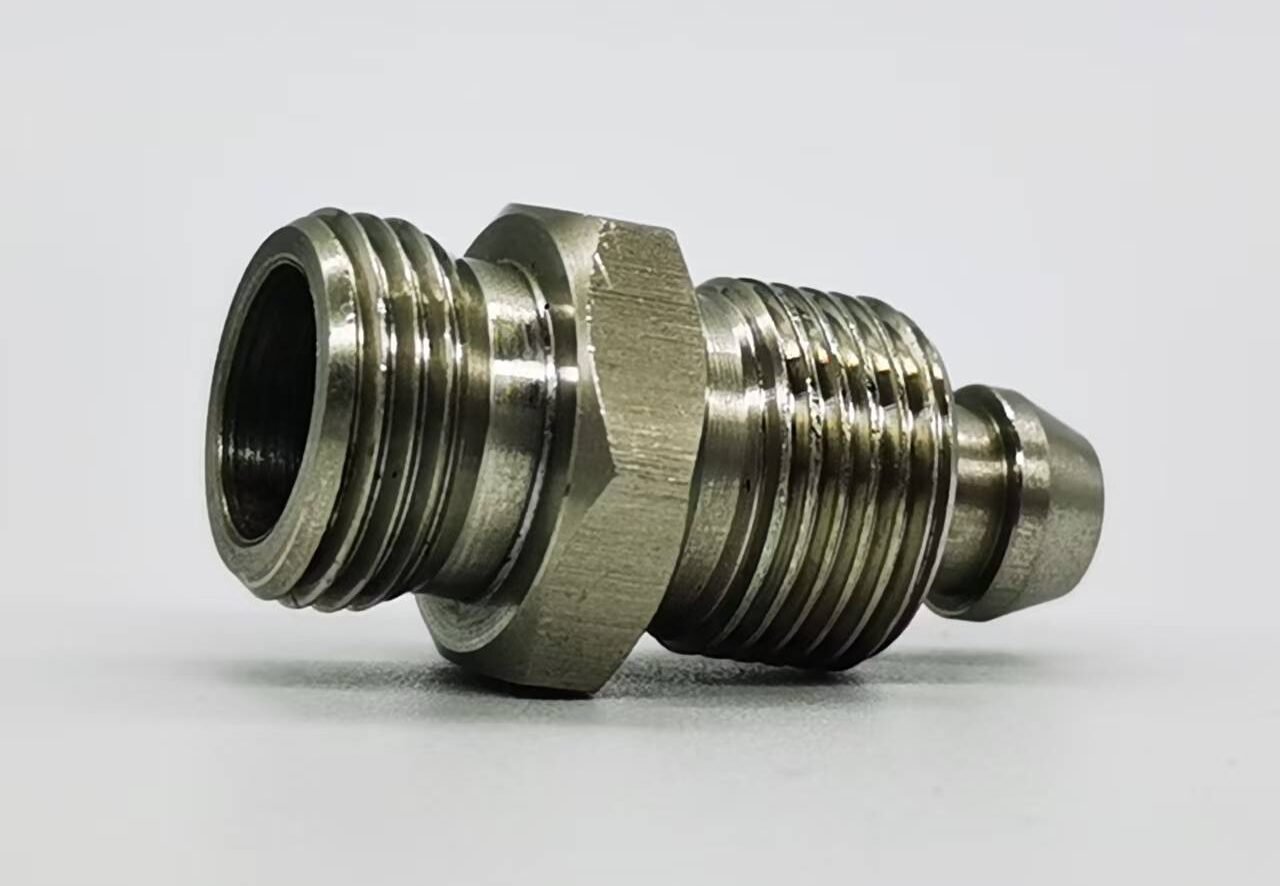
303 is a free-machining stainless steel containing sulfur or selenium; it is used in applications requiring excellent machinability and high surface finish quality. It offers improved cutting performance and resistance to high-temperature galling (seizing). It is ideally suited for use in automatic lathes and for the manufacture of bolts and nuts.
- Application Fields
Industries including petroleum, electronics, chemicals, pharmaceuticals, textiles, food processing, machinery, construction, nuclear power, aerospace, and defense.
- Chemical Composition
C: ≤0.15%
Si: ≤1.00%
Mn: ≤2.00%
P: ≤0.20%
S: ≥0.15%
Cr: 17.00–19.00%
Ni: 8.00–10.00%
Mo: ≤0.06%
- Mechanical Properties
Tensile strength (σb): ≥520 MPa
Proof stress/Yield strength (σ0.2): ≥205 MPa
Elongation (δ5): ≥40%
Reduction of area (ψ): ≥50%
Hardness: HB ≤187; HRC ≤90 HRB; HV ≤200
- Processing
Heat treatment specification: Solution treatment at 1010–1150°C followed by rapid cooling.
Microstructure: Austenitic.
- Stainless Steel Pitting Corrosion
Causes:
Pitting corrosion in stainless steel typically occurs in aqueous environments containing iodine, chlorine, or bromine. Stainless steel pitting corrosion is caused by chloride ions—which are active anions—adsorbing onto the surface, displacing oxygen atoms, and reacting with cations in the passivation film to form soluble chlorides; this process disrupts the passivation film and creates small pits, initiating a stage where an occluded cell forms and galvanic corrosion occurs.
Preventive measures:
- Select appropriate stainless steel grades for environments where pitting is likely to occur; experiments show that higher molybdenum (Mo) or manganese (Mn) content enhances pitting resistance;
- Control the pH, chloride concentration, and temperature of liquids in contact with the stainless steel;
- Employ cathodic protection, anodic protection, or a combination of both;
- Use higher-quality stainless steel, such as grade 316 or 316L, to improve the material’s resistance to pitting corrosion.
Swiss Machining: A Guide to High-Precision Manufacturing
What is Swiss Machining?
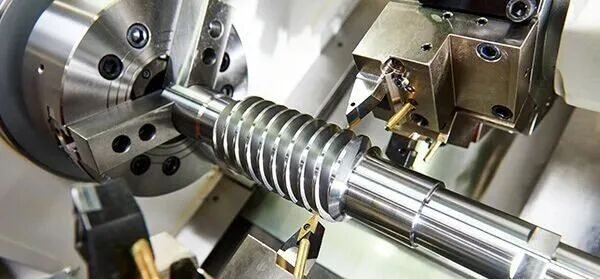
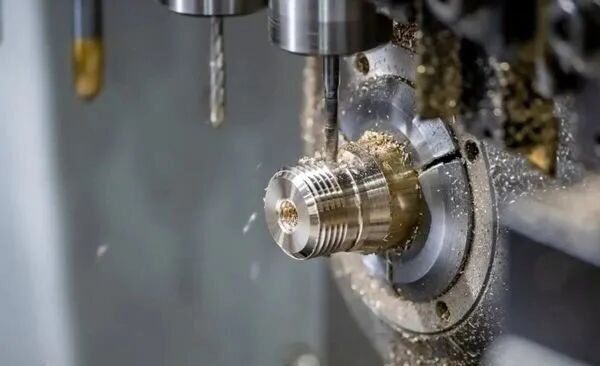
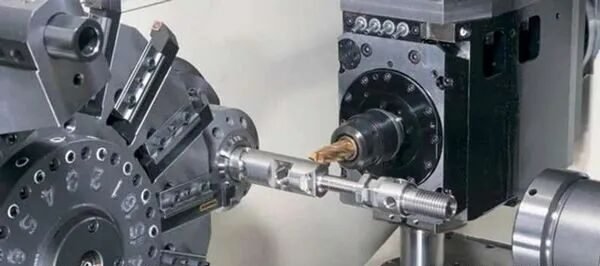
Swiss machining is an advanced subtractive manufacturing method used to produce small, complex parts requiring tight tolerances. Originally developed in Switzerland for watchmaking components, it is now utilized across industries such as medical, aerospace, electronics, and automotive.
This technology is one of the most efficient processes available today, thanks to its high accuracy and the near-total elimination of waste during production. It enables the manufacture of parts with diameters as small as 0.5 mm and tolerances as tight as ±0.001 mm.
The History of Swiss CNC Machining
Swiss machining originated in the 1870s for the precision manufacturing of watch parts, facilitating the smoother and more efficient production of complex components. While Swiss-style machines initially relied on fully manual processes, the introduction of CNC technology transformed the field by enhancing speed and automation.
Today, industries such as medical, aerospace, and electronics rely on this technology to achieve faster multi-axis machining and seamless automation, thereby reducing the need for manual intervention when producing complex parts.
Comparison with Traditional CNC Lathes
Swiss-style CNC machining differs from traditional CNC lathe machining in several key ways:
Workpiece Stability:
Traditional lathes clamp material at one or both ends; this can be problematic for long, slender workpieces, which are prone to bending or vibration. Swiss machines solve this issue using a guide bushing, which provides continuous support to keep the material securely in place.
Precision and Accuracy:
Swiss CNC machines offer exceptional precision. Their design allows for tighter tolerances than standard lathes, making them ideal for machining intricate, precise details on parts.
Efficiency:
Efficiency is also enhanced by the Swiss machine’s ability to perform multiple cutting operations simultaneously. Unlike standard CNC lathes that typically perform one operation at a time, Swiss machines reduce the overall time required to produce a part.
Material Waste:
Furthermore, the high precision of Swiss machines makes them more cost-effective. By minimizing excessive material removal, they are well-suited for low-cost, high-volume production.