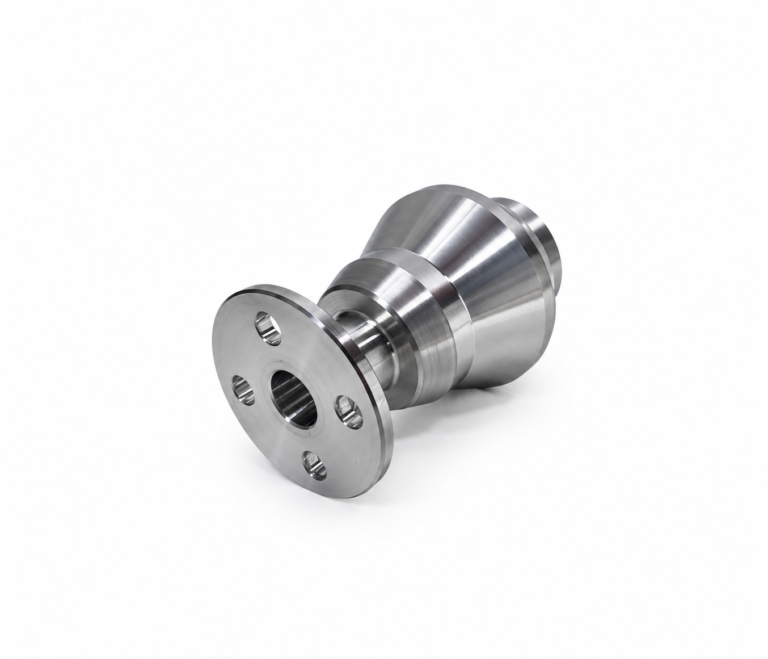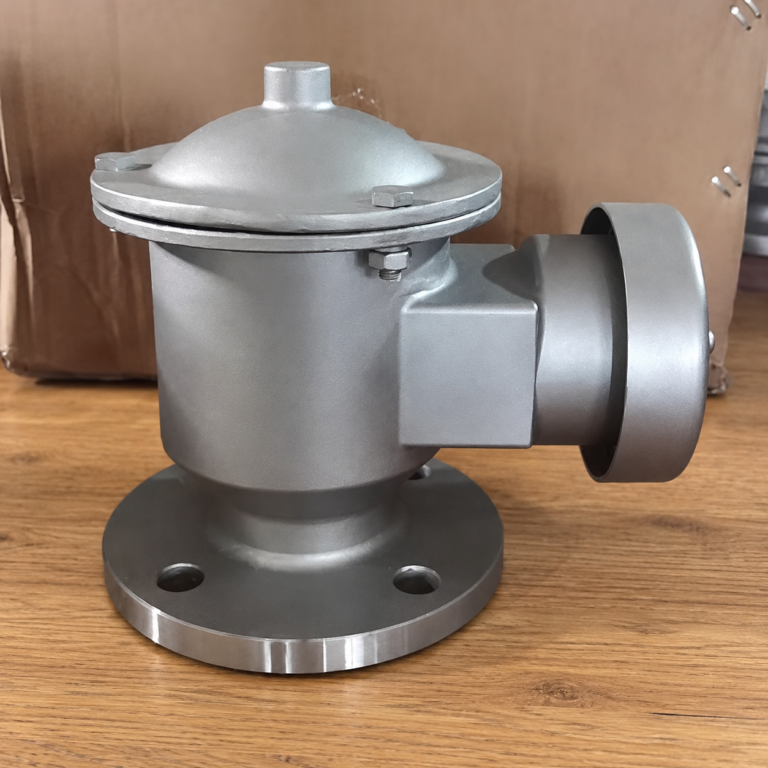
Common CNC Machining Process: Milling
Milling involves cutting material from the surface of a workpiece using a rotating cutting tool. By controlling the tool’s movement, it is possible to produce parts with complex shapes, such as flat surfaces, contoured surfaces, and gears. Milling includes face milling, vertical milling, end milling, gear milling, and contour milling. Each method is suitable for different machining requirements.
The primary cutting motion is the rotation of the cutting tool. In horizontal milling, the surface is formed by the cutting edges on the outer circumference of the milling cutter. In vertical milling, the surface is formed by the end-face cutting edges of the milling cutter. Increasing the rotational speed of the milling cutter results in a higher cutting speed, thereby improving productivity. However, the impact caused by the cutters entering and exiting the workpiece can easily generate vibrations during the cutting process, thereby limiting improvements in surface quality. This impact also accelerates tool wear and damage, often leading to the fracturing of carbide inserts. Since the cutter is separated from the workpiece for a portion of the time, adequate cooling is achieved, resulting in favorable heat dissipation conditions. Depending on whether the direction of the main motion during milling is the same as or opposite to the workpiece feed direction, milling is classified as face milling or back milling.
The horizontal component of the milling force is in the same direction as the workpiece feed. Since there is generally a clearance between the worktable feed lead screw and the fixed nut, the cutting force can easily cause the workpiece and worktable to move forward together, resulting in a sudden increase in feed rate and causing tool impact. When milling workpieces with hardened surfaces, such as castings or forgings, the teeth of a conventional milling cutter first contact the workpiece’s hardened skin, which accelerates tool wear. Up-milling can prevent the slippage phenomenon that occurs during conventional milling. During up-milling, the cutting depth gradually increases from zero; consequently, the cutting edge initially undergoes a phase of squeezing and sliding across the work-hardened machined surface, which accelerates tool wear. At the same time, the milling forces lift the workpiece upward, which can easily cause vibration—a disadvantage of up-milling.
Milling accuracy generally reaches IT8–IT7, with a surface roughness of 6.3–1.6 μm.
Conventional milling is generally limited to machining flat surfaces, though fixed curved surfaces can also be machined using form milling cutters. CNC milling machines can use software to control multiple axes through the CNC system to move in coordination according to specific relationships, thereby milling complex curved surfaces; in such cases, ball-nose end mills are generally used. CNC milling machines are particularly important for machining complex-shaped workpieces such as impeller blades and mold cores and cavities.