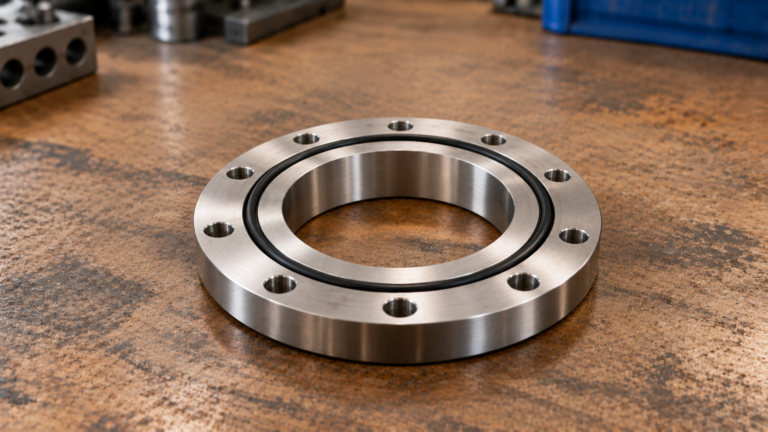
Surface Treatment of Materials—Anodizing
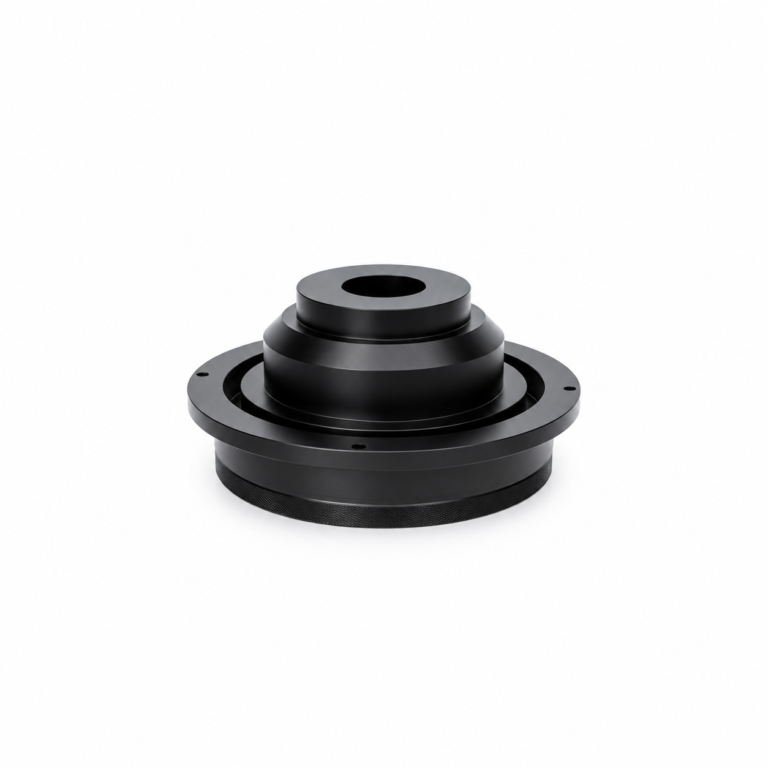
This process primarily involves the anodizing of aluminum, which uses electrochemical principles to form a layer of Al₂O₃ (aluminum oxide) on the surface of aluminum and aluminum alloys. This oxide layer possesses special properties such as protection, decorative appeal, insulation, and wear resistance. Applicable Materials: Aluminum, aluminum alloys, and other aluminum products
Process Costs: Water and electricity consumption during production is quite high, particularly during the oxidation process. The heat generated by the machinery itself requires continuous cooling with circulating water, and electricity consumption typically amounts to around 1,000 kWh per metric ton.
Environmental Impact: Anodizing is not particularly energy-efficient. Additionally, during aluminum electrolysis, the anodic effect produces gases that have a destructive side effect on the Earth’s ozone layer.