23 Types of Milling Operations (17–20)
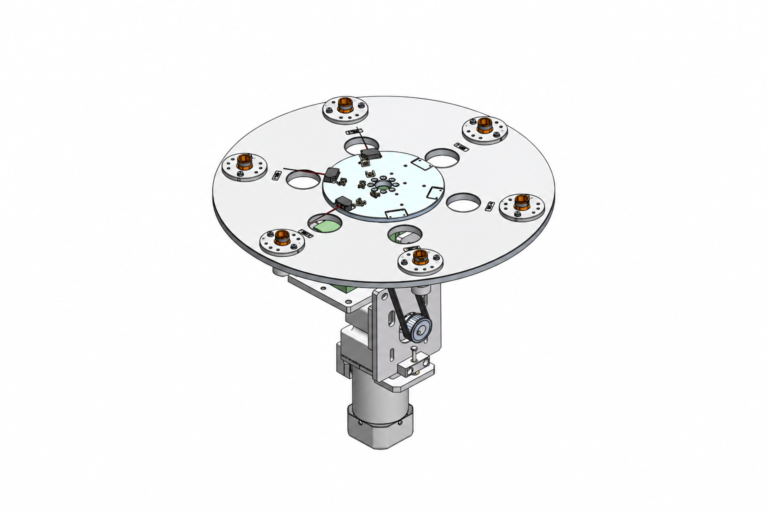
17. Gear milling is a precision process specifically used to machine gear tooth profiles, requiring specialized equipment and cutting tools. Machining methods include cutting with form milling cutters or hobbing (where the gear blank rotates while the tool machines the tooth profile). Modern gear milling utilizes advanced CNC equipment to enhance machining accuracy and efficiency. Common applications include: Automotive gear production: manufacturing gears for vehicle transmissions; Industrial machinery: machining various gears for heavy machinery; Consumer products: manufacturing gear components for home appliances and electronic devices. Process advantages: High precision: capable of machining complex gear geometries with high accuracy; High flexibility: suitable for various gear types, including helical, spur, and bevel gears.

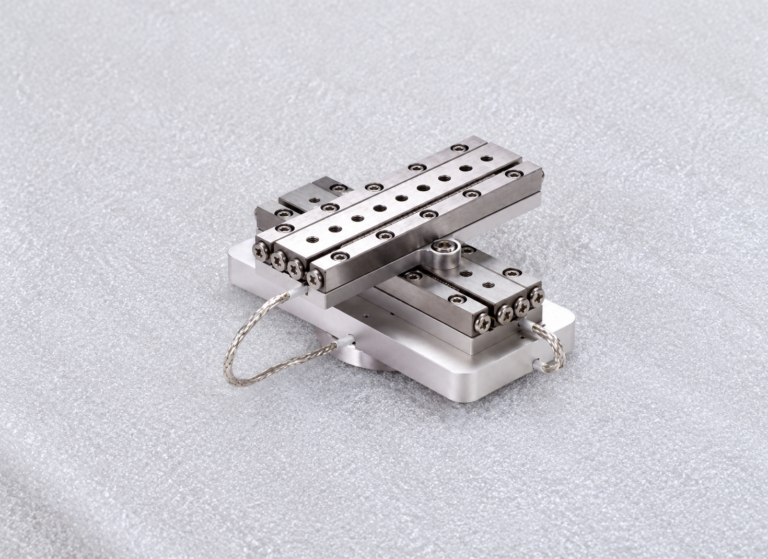
18. Thread milling is a precision process for machining threads on the inner or outer surfaces of workpieces. It involves rotating a multi-fluted cutting tool along a helical path to cut the thread profile. This process delivers excellent results on CNC milling machines and offers higher precision and flexibility compared to tapping or die cutting. Common Applications: Oil and gas equipment: Thread machining for high-strength, reliable connections in pipes and valves; Aerospace components: Machining of critical fasteners in aircraft manufacturing; Medical implants: Precision and durable thread machining for implantable medical devices. Process Advantages: High versatility: A single cutting tool can machine threads of various sizes and types; Superior quality: Smooth thread surfaces, high precision, and good alignment.

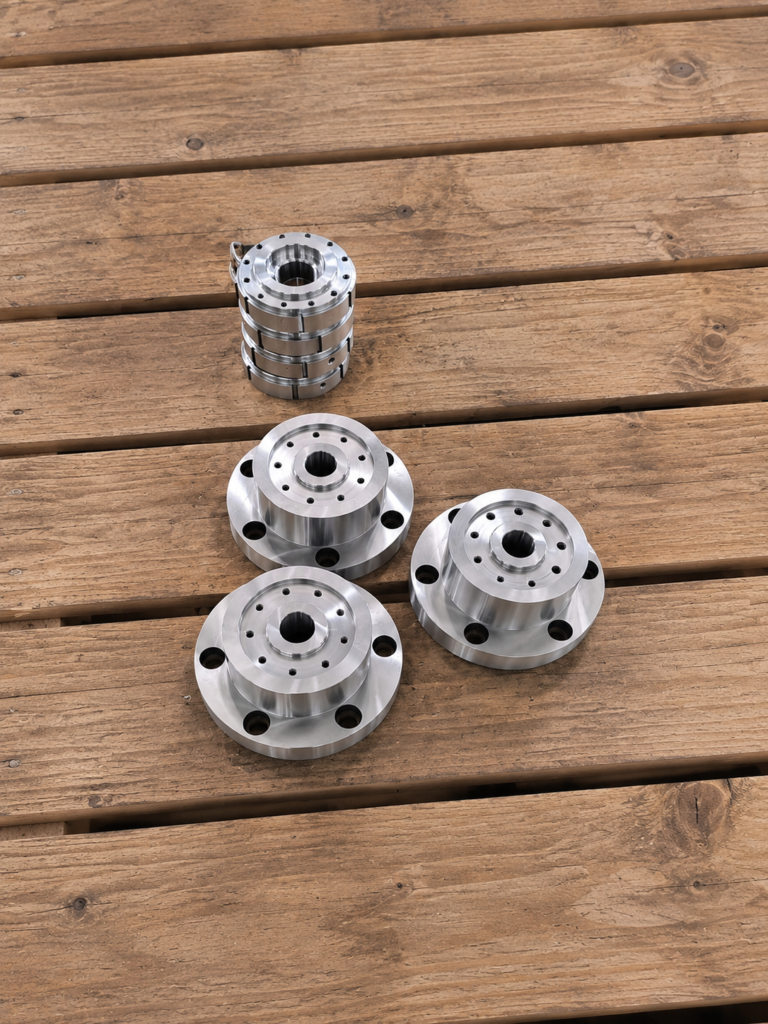
19. Groove milling is a process for machining grooves on workpieces. It uses end mills or groove drills to machine straight or curved grooves in a single pass and can be performed on both vertical and horizontal milling machines. Machining requires precise alignment between the tool and the workpiece to ensure dimensional and positional accuracy of the slots. Common Applications Automotive Industry: Slot machining in engine blocks and frames Machinery Manufacturing: Slot machining for mechanical component assembly Electronics Industry: Slot machining for component mounting on circuit boards Process Advantages High Efficiency: Rapid material removal with minimal feed High Precision: Excellent dimensional and positional accuracy of the slots
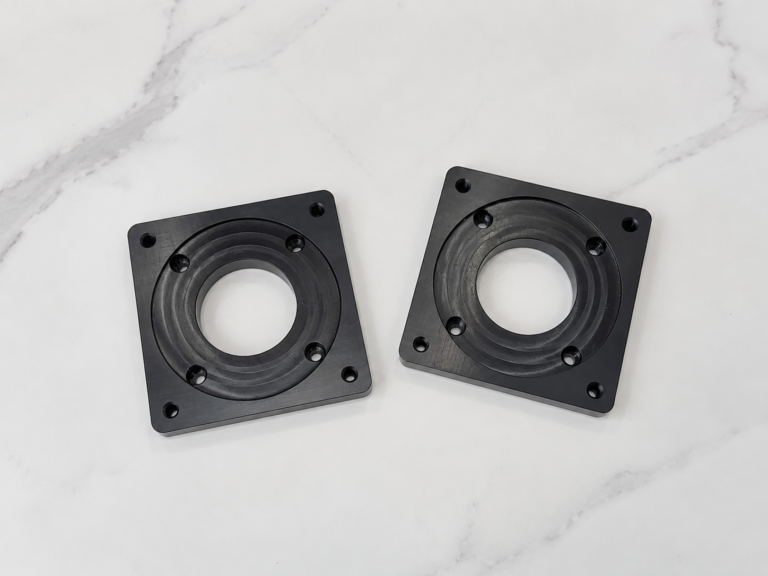
20. Helical milling is used to machine helical features or grooves on cylindrical workpieces; the tool rotates along a helical path to cut the material, differing from the continuous cutting method of conventional milling. This process is suitable for machining complex geometries such as drill bits, gears, and threads. Common Applications: Aerospace: Machining helical gears and threads for aircraft components; Automotive Industry: Production of helical gears for transmissions; Tool Manufacturing: Custom helical slot drills and end mills. Process Advantages: Low cutting load: Cutting forces are distributed along the helix angle, reducing the load on individual teeth; Superior surface quality: Continuous cutting action results in a smoother machined surface.