23 Types of Milling Operations (21–23)
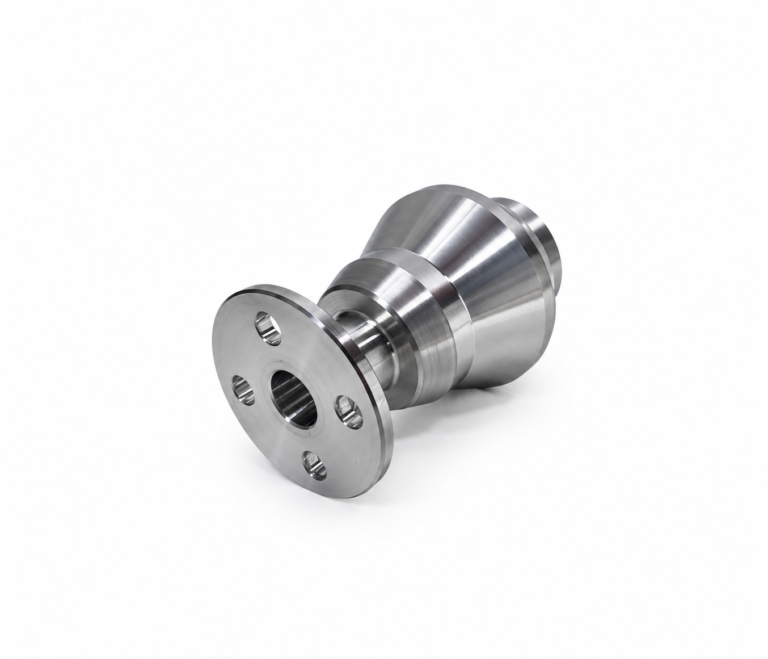
21. Drilling is a basic machining process that uses a drill bit to create cylindrical holes in a workpiece. This operation is performed on a drill press or milling machine, where the drill bit rotates at high speed and is fed toward the stationary workpiece to form a circular hole. Common Applications: Mechanical Manufacturing: Machining bolt mounting holes in engine cylinder blocks; Construction Industry: Drilling anchor bolt holes in concrete; Electronics Industry: Machining through-holes in printed circuit boards. Process Advantages: High efficiency: Fast machining speed for round holes; Versatility: Suitable for a wide range of materials.

22. Reaming is a milling process used to improve the surface quality of existing holes and achieve precise diameters, using a rotating reamer with one or more cutting edges. This process is typically performed after drilling or other hole-making processes to achieve high precision and high surface quality. Common Applications: Automotive Industry: Finishing of piston pin holes and bearing seats; Aerospace: Reaming of fastener holes in aircraft fuselages; Metalworking: Improving the dimensional tolerances and surface quality of mechanical component holes. Process Advantages: Excellent surface quality: Smooth inner wall surfaces; High dimensional accuracy: Capable of achieving tight tolerances that cannot be attained by drilling.

23. Boring is a precision machining process in milling that uses a single-point cutting tool to enlarge the bore diameter and achieve tighter diameter tolerances. The process is performed using a boring bar, which is typically equipped with multiple cutting edges that contact the workpiece at different radii to precisely control the bore diameter and surface roughness. Common Applications Automotive Manufacturing: Precision adjustment of engine cylinder bores Aerospace: Finishing of jet engine components Heavy Machinery: Precision machining of spindle bores for industrial equipment Process Advantages High Precision: Excellent dimensional accuracy and tolerance control Superior Surface Quality: High surface finish on the inner walls of bored holes High Flexibility: Suitable for machining holes of various depths and sizes