Supplier for CNC machined surfaces with a roughness of Ra 1.6 μm
Understanding CNC Machining Surface Roughness Grades and Applications
In our previous article, we defined surface roughness; today, we will introduce the common surface roughness grades for metal parts and their applications.
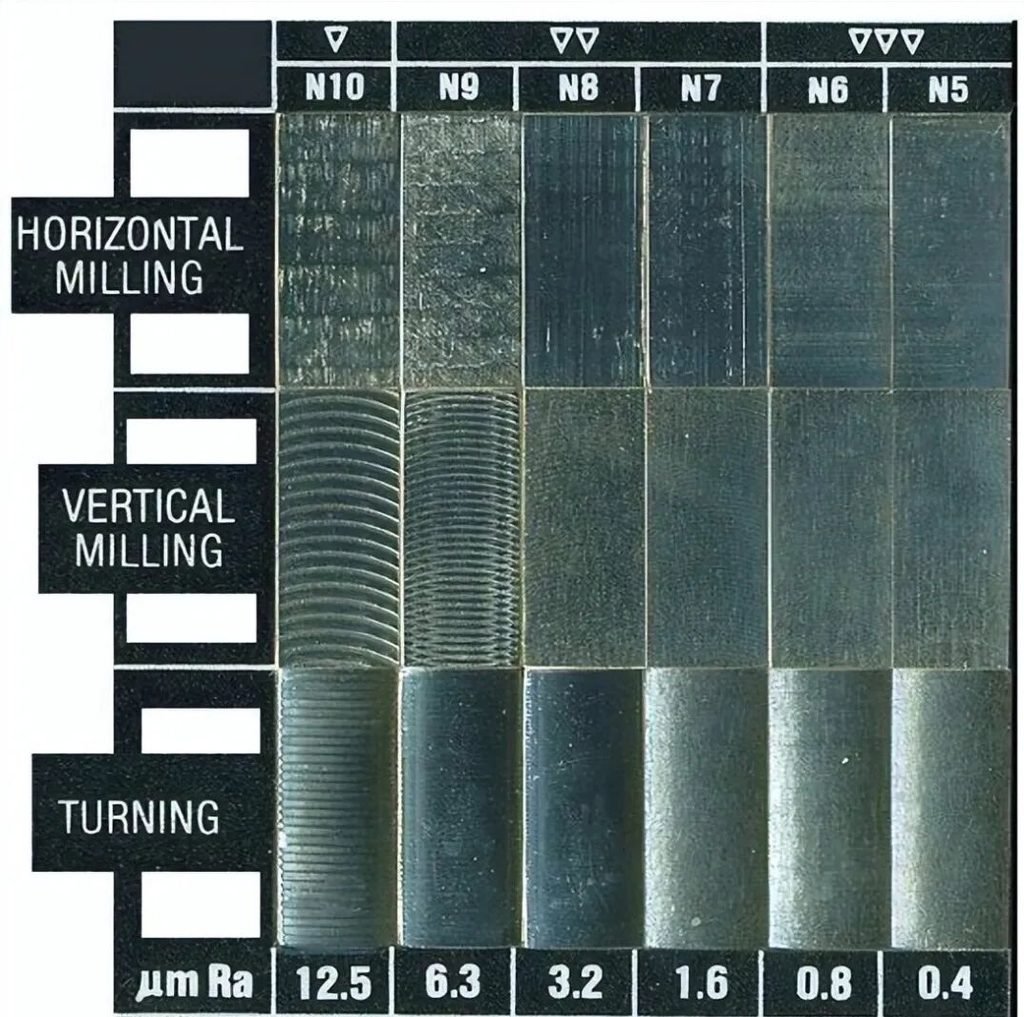
Machined surface roughness is typically measured by the average roughness (Ra) value. Manufactured parts generally range from 0.1 µm Ra to 6.3 µm Ra (from smooth to rough). Note that surface roughness can also fall outside this range; for instance, silicon wafers used in semiconductor manufacturing can be produced with a roughness of 0.01 µm Ra.
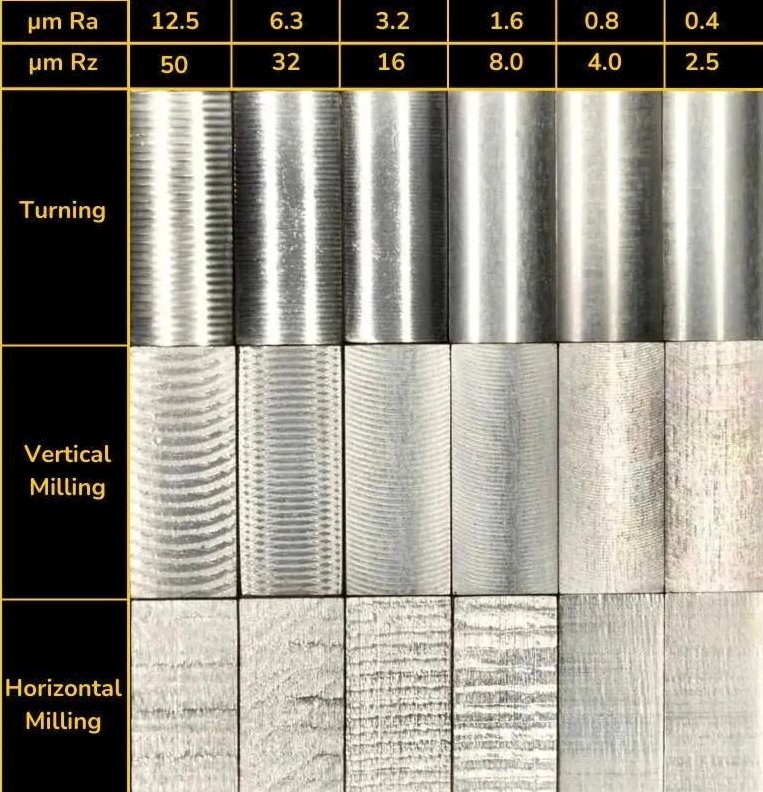
Surface roughness is not random; manufacturers employ specific processes to achieve target Ra values. To ensure standardization, most manufacturers offer four surface roughness grades:
3.2 µm Ra
1.6 µm Ra
0.8 µm Ra
0.4 µm Ra
Each grade possesses distinct textures, characteristics, advantages, limitations, and ideal applications.
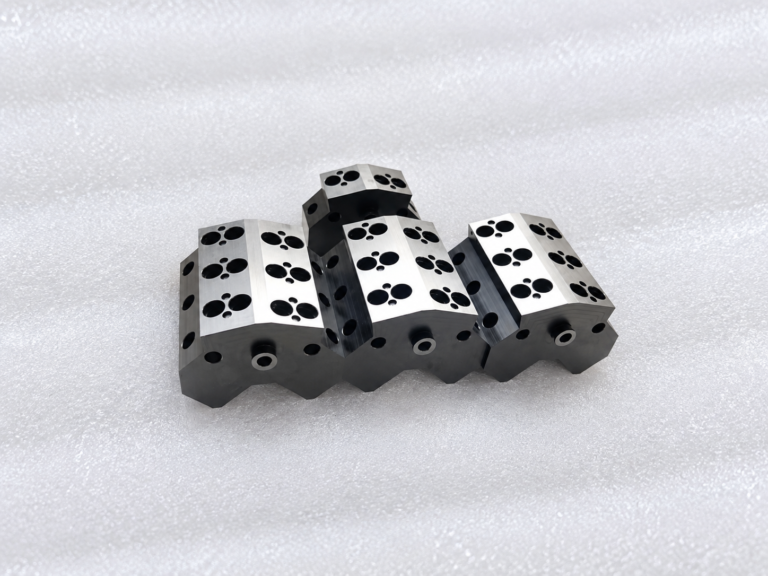
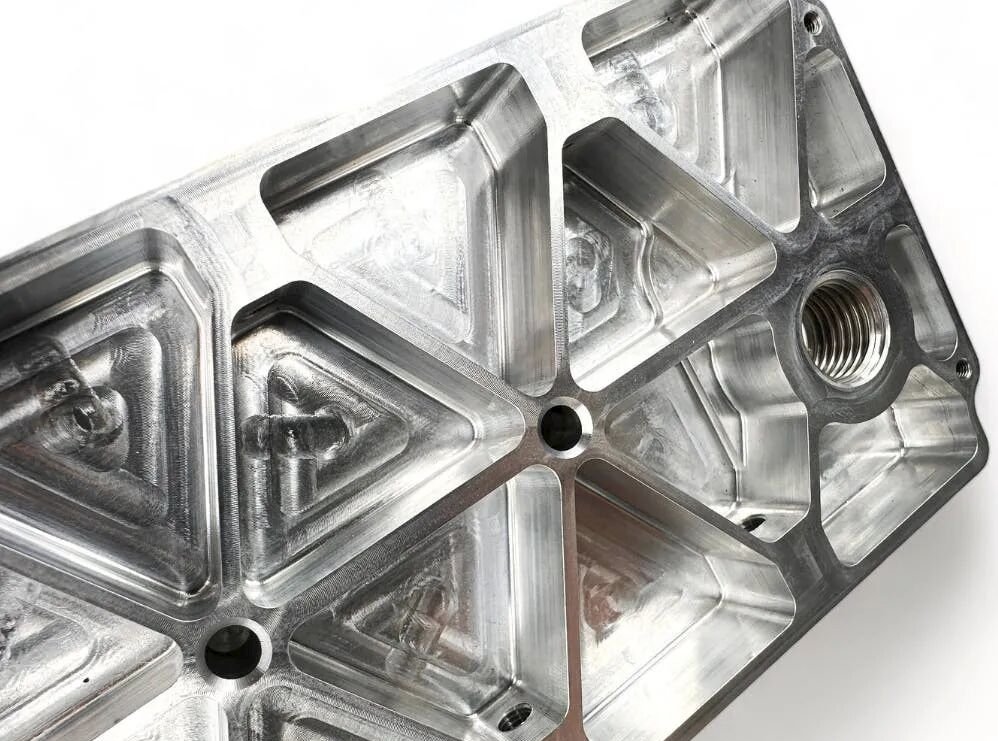
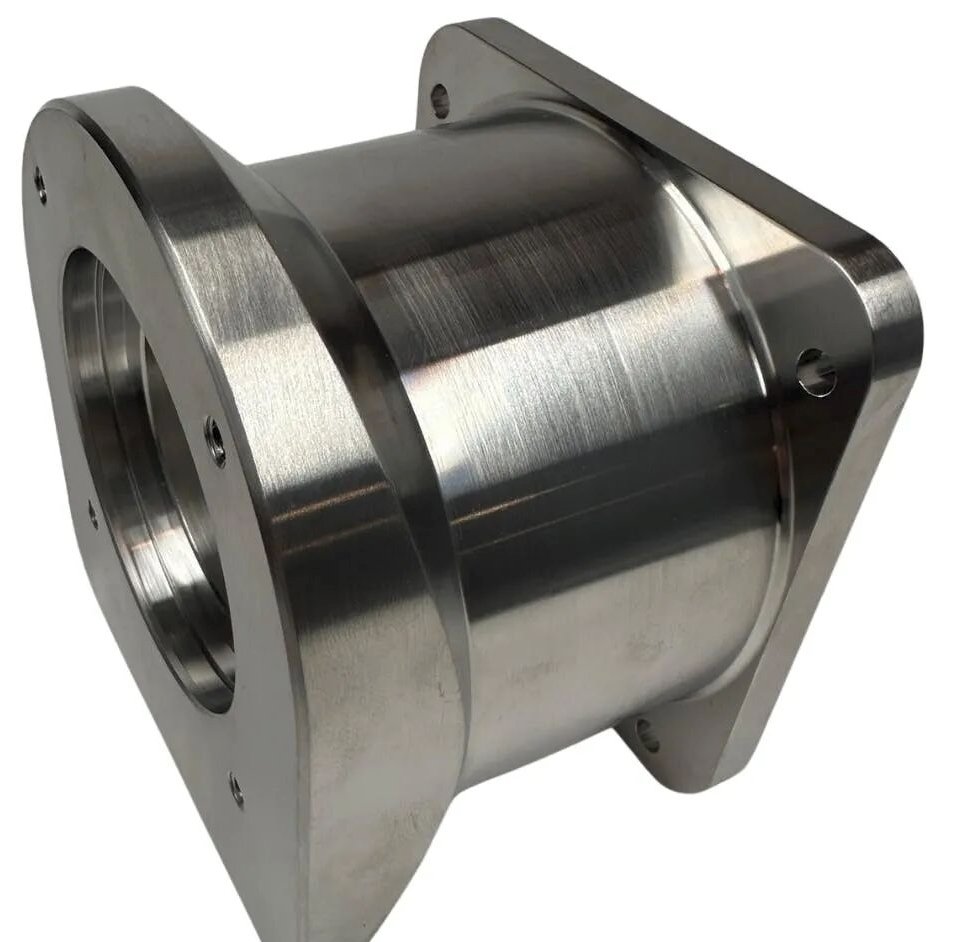
3.2 µm Ra is the standard surface roughness for commercially available CNC machined parts. Unless a client specifies otherwise, manufacturers use this as the default finish. While machine tool marks are clearly visible at 3.2 µm Ra, the surface is sufficiently smooth for most consumer-grade parts. This grade represents the recommended maximum roughness for parts subject to stress, loads, or vibration. As the baseline standard, 3.2 µm Ra incurs no additional cost. The part shown in the image below has a surface roughness of 3.2 µm Ra.
Sample applications for 3.2 µm Ra:
Structural machine brackets
: Brackets and bases for industrial equipment often feature a 3.2 µm Ra finish, as they do not require a highly polished surface.
Automotive engine hoods
: These components are subject to moderate stress and vibration but do not require an ultra-smooth finish.
General-purpose tooling and fixtures
: Jigs or fixtures used in manufacturing can be CNC machined to a 3.2 µm Ra finish, which is adequate for functional use. Machine Chassis
: External mechanical frameworks (such as chassis or frames) are typically machined to a surface roughness of 3.2 µm Ra.
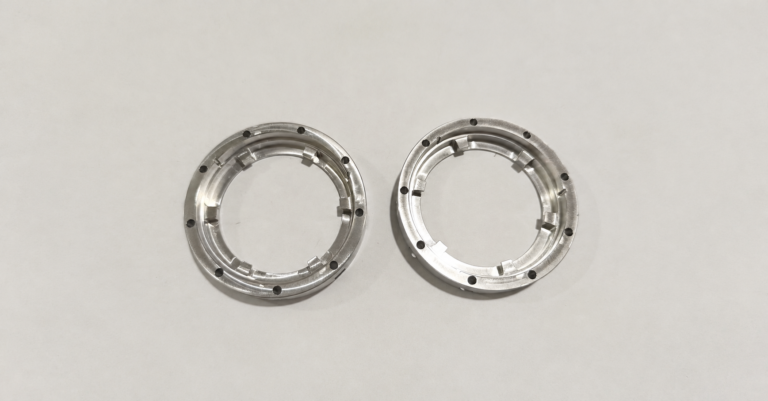
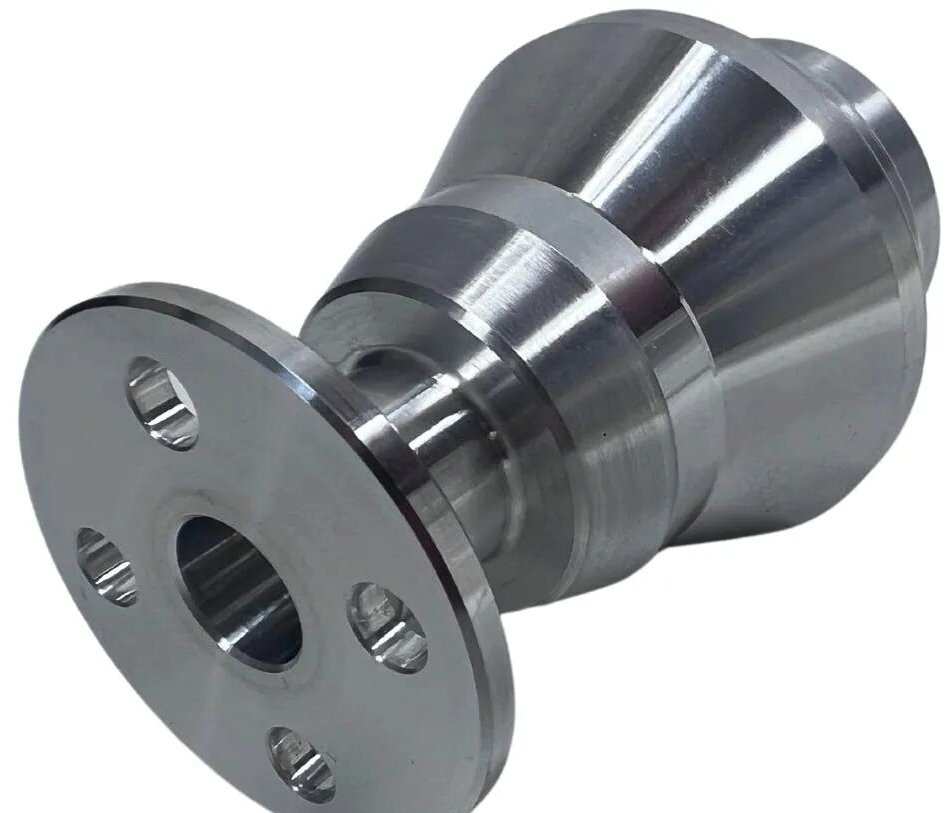
A CNC surface roughness grade of 1.6 µm Ra is suitable for close-fitting and load-bearing components. It is also appropriate for surfaces subject to low-speed movement, slight vibration, and light loads. This grade is characterized by faint, barely visible machining marks. A finish of 1.6 µm Ra is achieved through high machining speeds, low feed rates, and shallow cuts. This level of surface finish increases part production costs by 2.5%. The part shown in the image below has a surface roughness of 1.6 µm Ra.
Sample applications for 1.6 µm Ra:
Hydraulic Piston Rods
: These rods require close fits and withstand moderate loads; a smoother surface is necessary to ensure proper sealing and minimize friction.
Low-Speed Gearboxes
: 1.6 µm Ra is suitable for mechanical systems with light loads, minimal dynamic activity, and slow-moving components.
Precision Fasteners
: Custom bolts and fasteners require close fits and a surface roughness of 1.6 µm Ra to ensure proper assembly.
Electronic Enclosures
: Electronic devices—particularly consumer electronics like laptops or industrial control systems—are often machined to 1.6 µm Ra to meet aesthetic and assembly requirements.
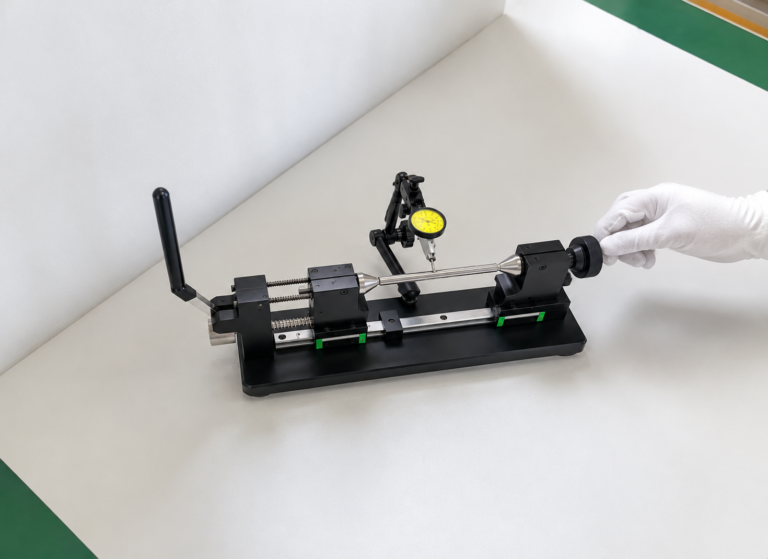
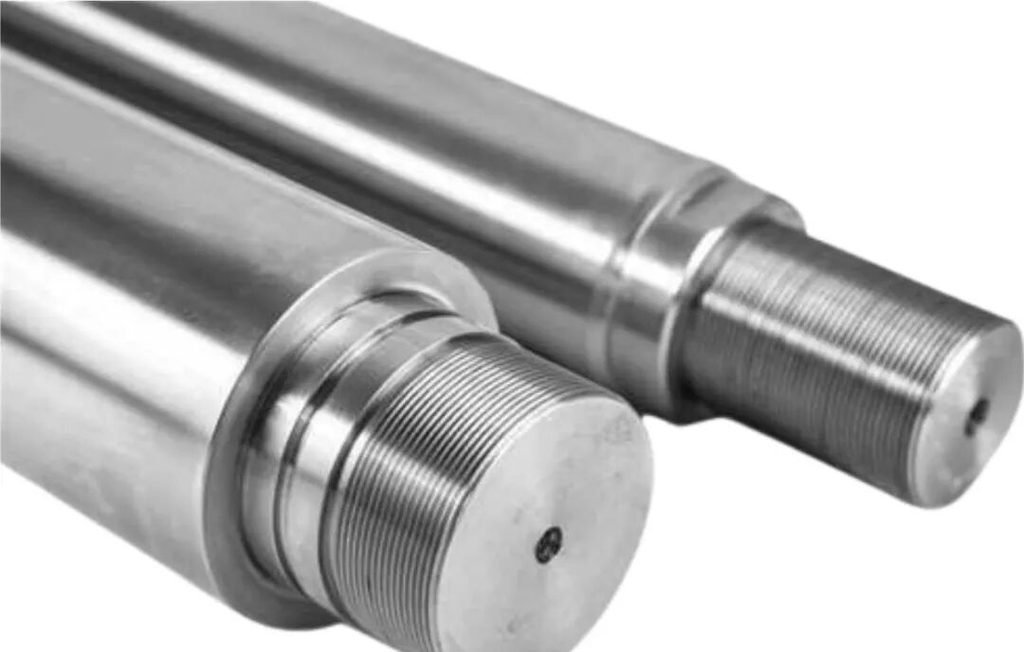
A surface roughness of 0.8 µm Ra is classified as a high-quality finish, requiring precision machining to achieve. This level is ideal for parts subject to stress concentrations and heavy loads, as well as for vibrating or moving components. Due to the need for strict control and fine machining, this finish increases the base production cost by 5%. The part shown in the image below has a surface roughness of 0.8 µm Ra.
Sample applications for 0.8 µm Ra:
Precision Gears
: Gears used in applications such as robotics often require a surface roughness of 0.8 µm Ra to ensure efficient movement and minimize wear between contacting gear surfaces. Hydraulic valve components
: Essential for systems requiring fluid-tight seals and low friction. Smoother surfaces enhance performance in high-pressure systems.
Medical device housings
: Surgical instruments and housings made of stainless steel or titanium often require a surface roughness of 0.8 µm Ra to prevent contamination and facilitate sterilization.
Jewelry components
: High-end metal jewelry components often feature a surface roughness of 0.8 µm Ra to achieve a polished, luxurious appearance.
A surface roughness of 0.4 µm Ra is considered a premium, ultra-smooth finish and represents the highest level of smoothness typically offered in CNC machining. It shows no visible machining marks and is usually achieved through fine, tightly controlled machining followed by polishing. This additional manufacturing effort can increase production costs by up to 15%. A surface roughness of 0.4 µm Ra is suitable for mating parts subject to rapid movement or vibration, as well as components exposed to high tension and stress. The component shown in the image below has a surface roughness of 0.4 µm Ra.
Examples of 0.4 µm Ra applications
Bearing surfaces
: High-precision bearings (such as those used in aerospace or high-speed machinery) require ultra-smooth surfaces to minimize friction and wear.
Cylinder rods
: In pneumatic systems, cylinder rods with a 0.4 µm Ra finish ensure smooth operation, minimize air leakage, and reduce seal wear.
Optical components
: High-precision optical components, such as lens mounting plates, are CNC machined to 0.4 µm Ra to avoid interfering with the optical path.
Precision injection molds
: Molds used for high-quality plastic injection molding (e.g., for medical implants) are often CNC machined to a surface roughness of 0.4 µm Ra to ensure a smooth surface finish.