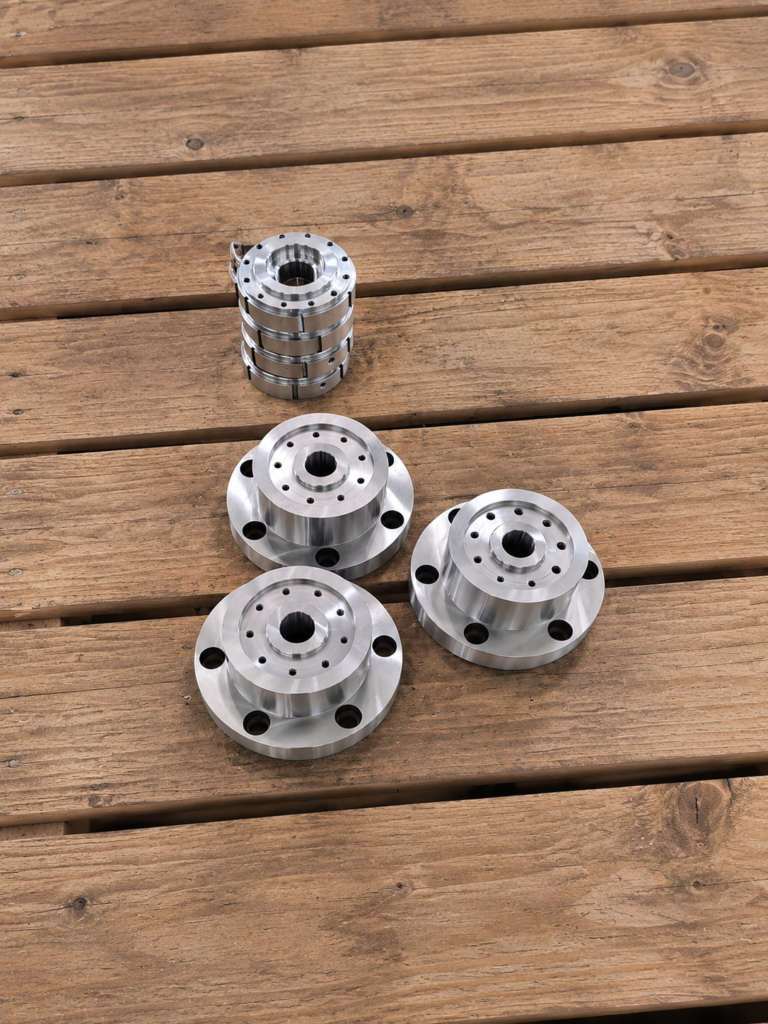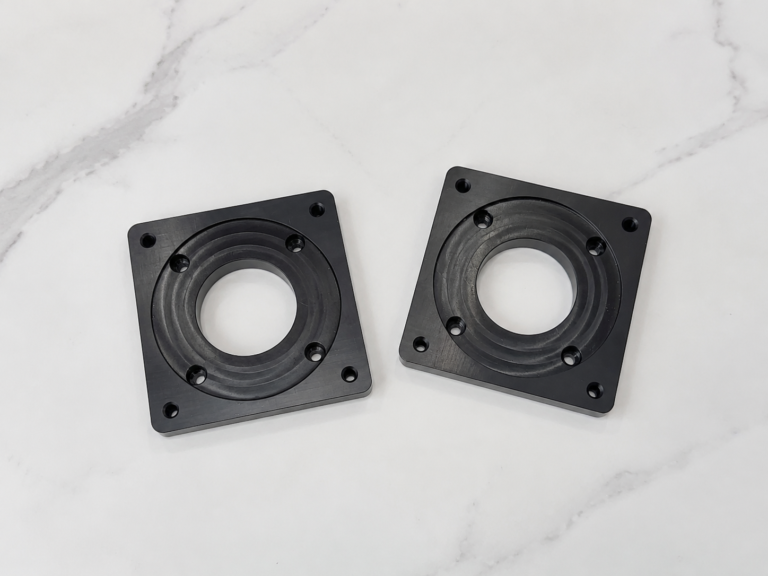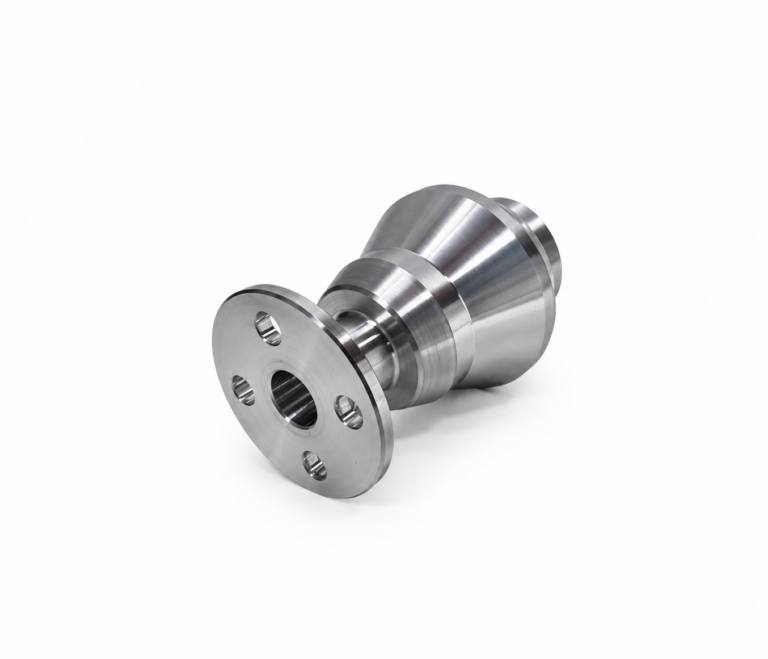
Precision Machining Serving Milwaukee’s Industry
What Is CNC Precision Machining?
CNC Precision Machining: The “Micron-Level Art” of Modern Industry
As the wave of “Industry 4.0” sweeps across the globe, have you ever wondered how the complex parts that make up engines, precision medical devices, and even the latest smartphones are manufactured with near-perfect accuracy? The answer lies in CNC precision machining—a process hailed as the cornerstone of modern manufacturing and a true “micron-level art.”
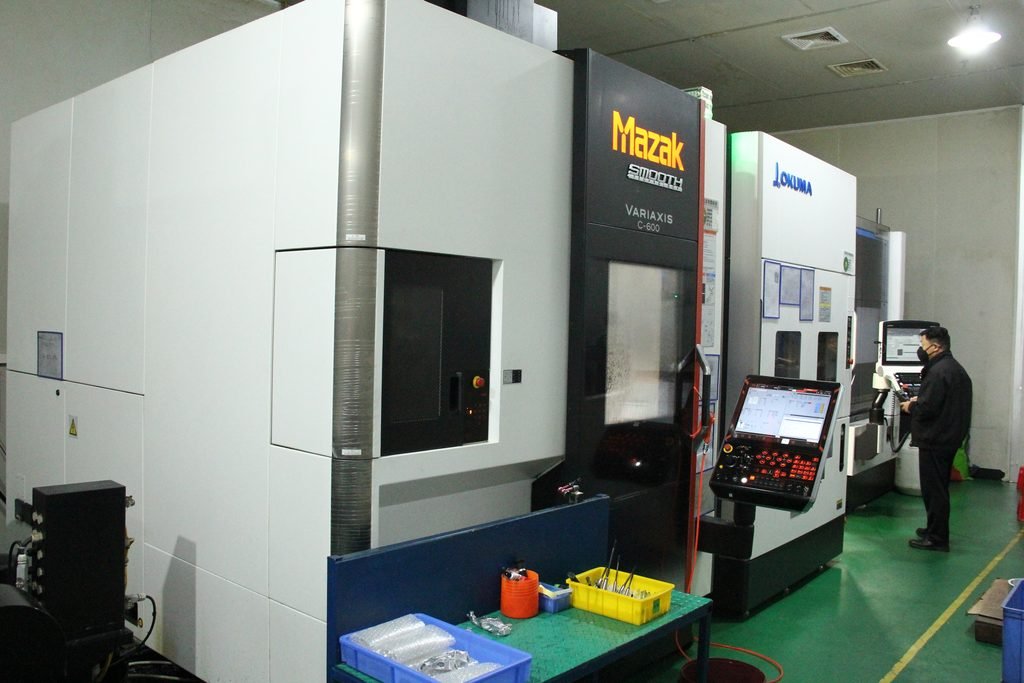
I. Unveiling the Core: What Is CNC Precision Machining?
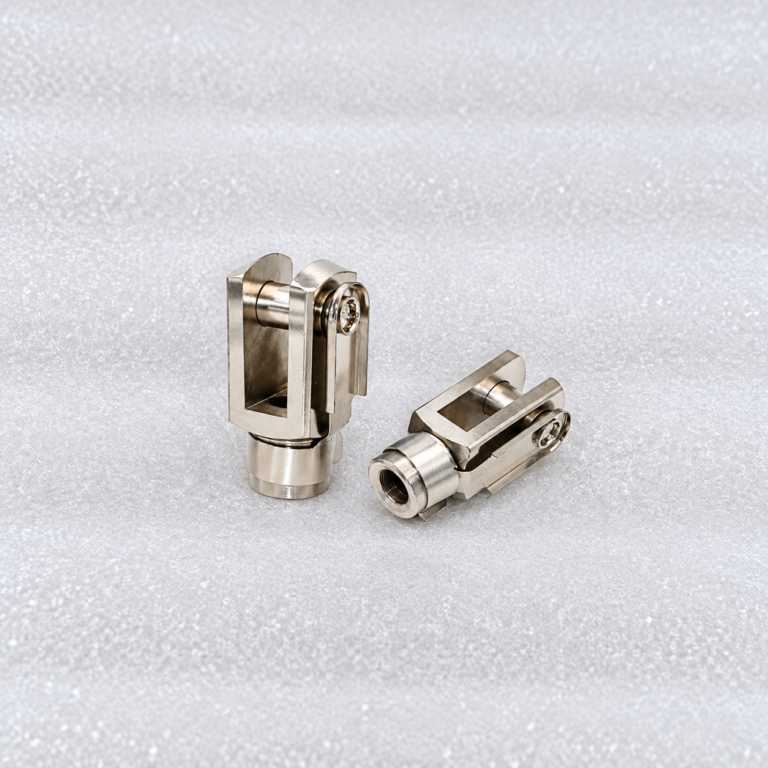
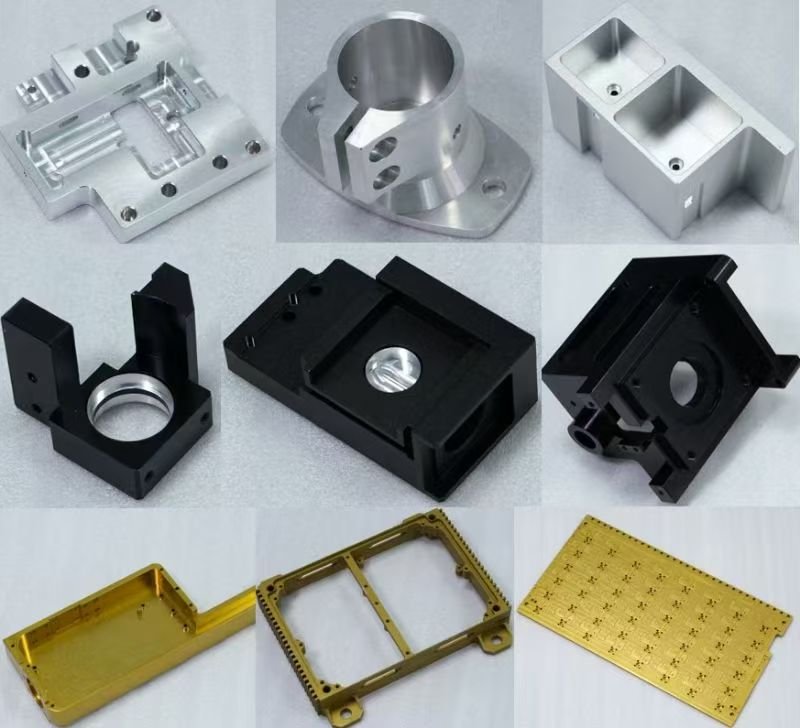
CNC (Computer Numerical Control) precision machining is, at its core, an advanced manufacturing process that uses digital computer programs to precisely control machine tool movements, shaping materials—such as metal, plastic, and ceramics—through high-precision cutting. It effectively replaces traditional manual machine tools that relied on human operation. By converting design blueprints into machine-readable code (G-code), it drives cutting tools to remove material with micron-level precision (typically involving tolerances between 0.001mm and 0.05mm), ultimately producing components with complex geometries and stringent dimensional requirements.
II. Key Advantages and Characteristics of CNC Precision Machining
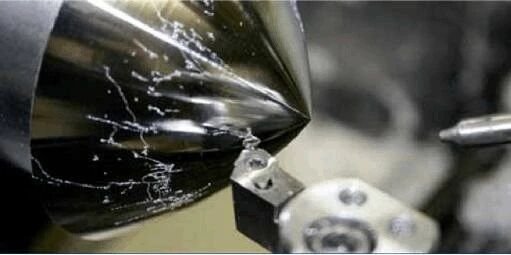
1. Exceptional Precision and Consistency: This is the defining feature that earns it the label “precision” machining. Relying on highly rigid machine tools, precision spindles, high-resolution feedback systems (such as closed-loop control via linear scales), and advanced cutting tools, it easily achieves “micron-level machining” and “Ra 0.1 ultra-smooth surface finishes.” Programmed production ensures “zero-error replication,” making it ideal for the mass production of precision parts.
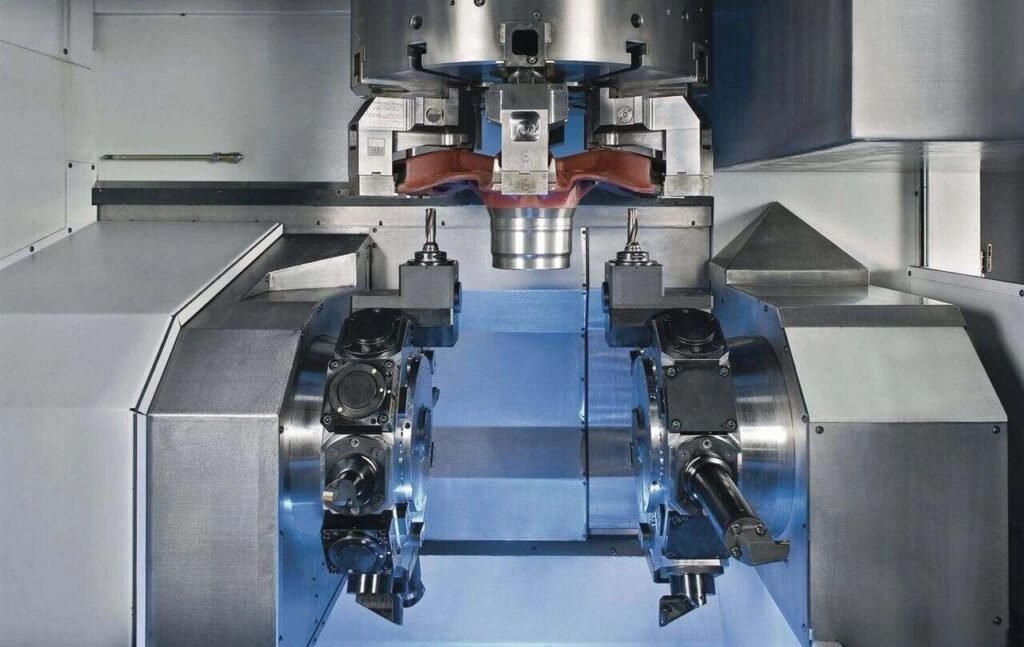
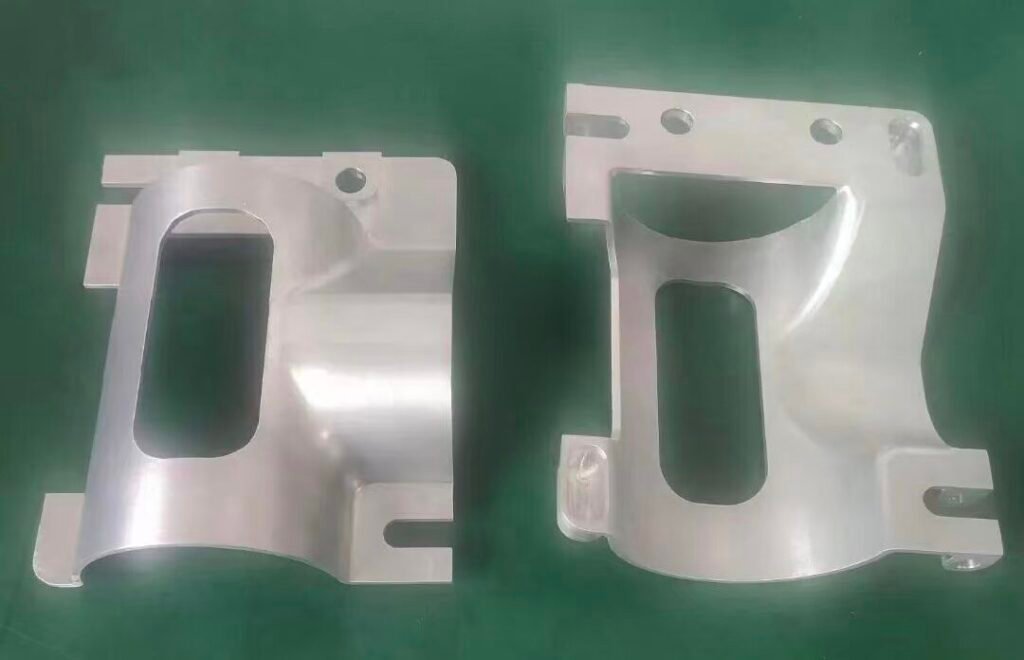
2. Mastering Complex Geometries: Multi-axis linkage technology (exemplified by five-axis machining centers) allows cutting tools to approach the workpiece from almost any angle. This enables the easy machining of complex curved surfaces, irregular structures, deep cavities, and narrow slots—shapes that are difficult or impossible to achieve with traditional methods. It is widely used in fields such as impeller blade machining and precision mold manufacturing.
3. A Model of Efficiency and Automation: Once a program is validated, the system can operate continuously—24 hours a day, 7 days a week—significantly reducing the need for manual intervention.
4. Wide Range of Material Applications: From aluminum alloys, stainless steel, and titanium alloys to superalloys, engineering plastics, and ceramic composites, advanced “high-speed cutting technology” and specialized tooling solutions enable the efficient, high-quality machining of various “difficult-to-machine materials.”
III. Core Application Areas of CNC Precision Machining
Medical Devices: “Artificial joints (titanium alloy),” “surgical robot components,” “dental implants,” and precision surgical instruments. These are critical to health and life, requiring the machining of “biocompatible materials” and “zero-defect” quality.
Semiconductors & Electronics: “Wafer manufacturing equipment parts,” “precision components for lithography machines,” high-end connectors, and heat dissipation modules (involving “micro-hole machining”) provide solid support for the “domestic chip production” supply chain.
New Energy Vehicles: “Motor housings,” “battery module structural parts,” “electronic control system heat sinks,” and “lightweight chassis components.” These directly facilitate the transition to electrification and performance enhancement.
Precision Molds & Injection Molding: “High-gloss molds” and “mirror-finish molds” are essential for producing consumer electronics casings and optical lenses, requiring “Ra 0.1 ultra-smooth surfaces” and ultra-high dimensional accuracy.
High-end Industrial Equipment: “Precision gears,” “hydraulic valve blocks,” “high-precision spindles,” and “robotic joint components.” These form the foundation for reliable “domestic substitution of high-end equipment.”
IV. Key Technological Trends Driving the Future
Multi-axis Integration & Intelligence: “Five-axis simultaneous machining” technology is becoming increasingly widespread, while “turn-mill machining centers” enable the completion of all processes in a single setup.
Efficiency and quality are further enhanced through the integration of “AI-driven process optimization” and “adaptive control.”
“In-process Inspection” & “Closed-loop Manufacturing”: Real-time “dimensional measurement” and “tool wear monitoring” occur during machining; data feedback automatically adjusts the program to achieve “zero-waste production.”
Continuous breakthroughs in “high-speed cutting” technology and “automated flexible production lines” meet the demand for high-speed, high-efficiency, and highly flexible (“flexible manufacturing”) production of small-batch, high-variety, and customized products.
“Digital Twins” and “Virtual Commissioning”: Simulating and validating the entire machining process in a virtual environment to optimize programs, reduce actual commissioning time and costs, and accelerate time-to-market.
“Green Manufacturing”: Optimizing cutting parameters and cooling methods (such as Minimal Quantity Lubrication/MQL) to lower energy consumption and reduce waste fluid emissions.
An Indispensable Cornerstone of Precision Manufacturing
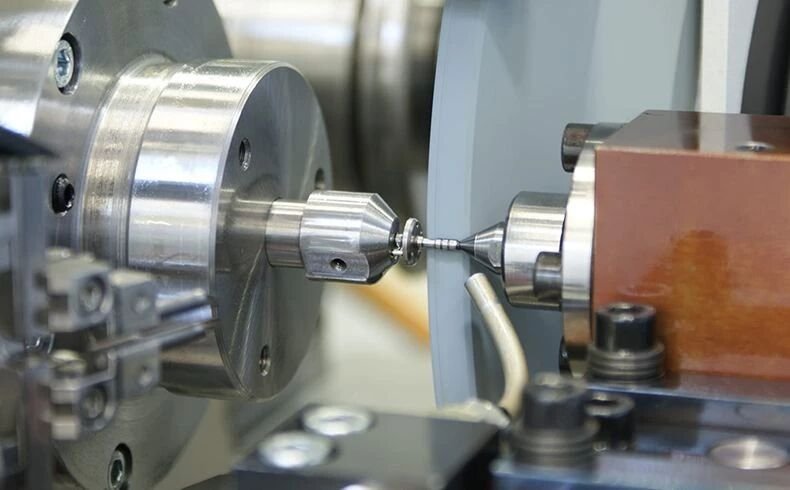
CNC precision machining has long transcended the status of a mere “machining method”; it has become a key indicator of a company’s high-end manufacturing capabilities and the level of autonomy and control within its industrial supply chain. Whether pursuing the vast horizons of “intelligent manufacturing” or solidifying the foundation of “industrial mother machines,” success relies on the continuous advancement and widespread application of CNC precision machining technology.
It is not only the core means of transforming creative concepts into precision-engineered physical products but also a powerful engine driving modern industry toward a future defined by higher precision, greater efficiency, and increased intelligence. Mastering this “micron-level art” is akin to holding the golden key that unlocks the door to high-end manufacturing.