Classification of Machine Tool Guideways—Steel-Inlaid Guideways

Chinese Factories for the Manufacture of Metal Parts Samples

IMG 0556

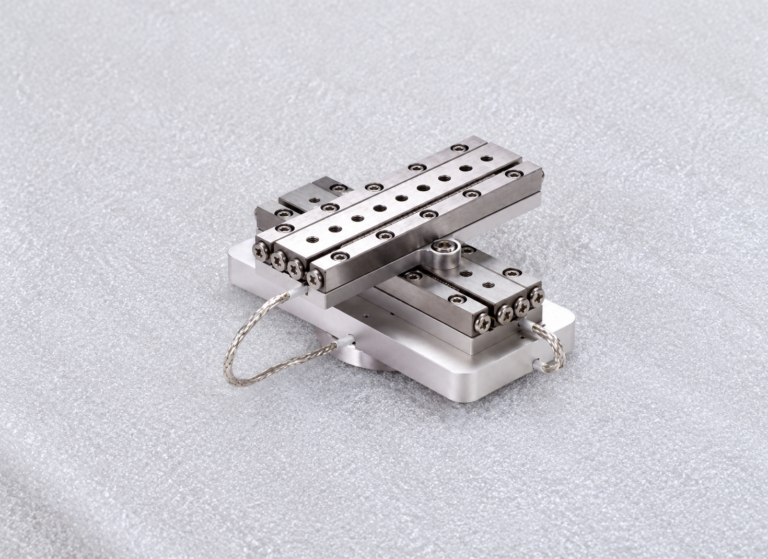
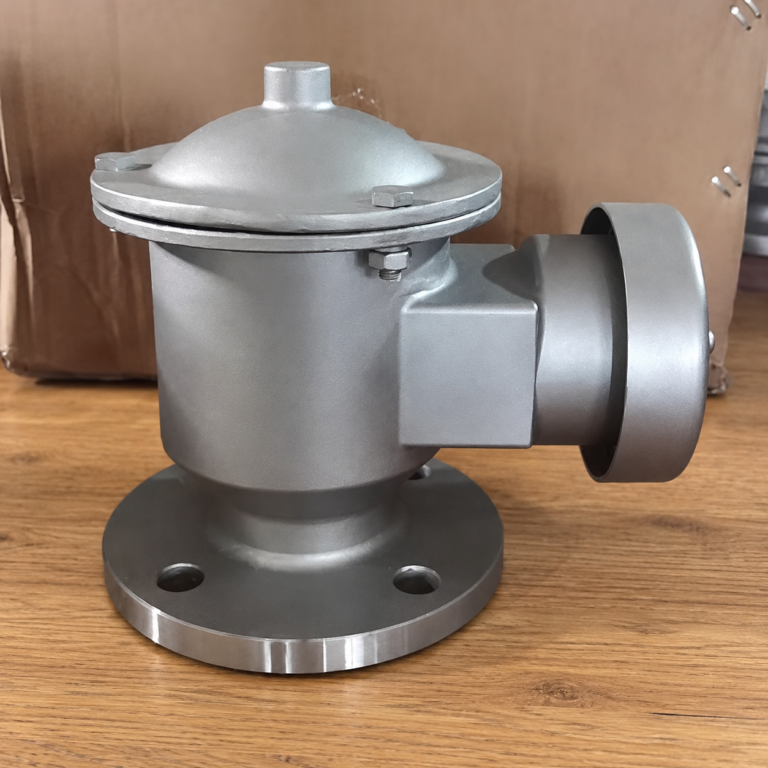
The most commonly used type of guideway on machine tools is the steel-inlaid guideway, which has a long history of use. Steel-inlaid guideways are fixed components of the guideway system and have a rectangular cross-section. They can be mounted horizontally on the machine tool bed or cast as a single piece with the bed; these are referred to as steel-inlaid or integral types, respectively. Steel-insert guideways are made of steel that has been hardened and ground. With a hardness of 60 Rockwell or higher, they are secured to the machine tool bed or the lapped mating surface of the column using screws or adhesive (epoxy resin) to ensure optimal flatness. This design is convenient and simple to maintain and replace, making it very popular among maintenance technicians.

微信图片 20260727080954 9 1441

Related Articles

  • The Top 5 Chinese Factories for Manufacturing High-Quality Metal Parts

    Methods for Deburring Metal Parts in CNC Machining 1. Manual Deburring This is a more traditional and widely used method that employs files (including manual and pneumatic files), sandpaper, belt sanders, and grinding heads as auxiliary tools. Disadvantages: Labor costs are relatively high, efficiency is not very high, and it is difficult to remove burrs…

  • CNC Machined Aluminum Parts in China

    Considerations for Preventing Aluminum Deformation During CNC Machining Aluminum is a popular material choice for CNC machined parts due to its light weight, high strength-to-weight ratio, corrosion resistance, and excellent thermal and electrical conductivity. However, aluminum has a low melting point and a high coefficient of thermal expansion, making it prone to twisting and deformation…

  • CNC machining of aluminum housings

    Precision aluminum alloy parts and products are highly popular due to their light weight and exquisite appearance, and they are finding increasingly widespread application in both industrial and consumer sectors. Consequently, superior manufacturing processes for aluminum alloy products lead to greater popularity, higher market demand, and increased profitability. CNC machining stands out as one of…

  • Full Process for Custom Non-Standard Parts

    4 Material Preparation and Pre-processingPrepare the raw materials required for part machining, including metals, plastics, etc.Upon arrival at the facility, raw materials require pre-processing: 8 Post-Processing OperationsSurface and material property treatments are matched to drawing specifications to ensure optimal functionality and aesthetic quality:*Rust and Corrosion Protection: Stainless steel pickling, passivation*Aesthetic Finishing: Polishing, brushing, sandblasting*Hardening Treatments:…

  • Solutions for Challenges in Machining Intersecting Holes

    First, optimize the machining sequence. Prioritize small-diameter or deep holes before machining the larger intersecting holes. This approach allows the subsequent machining of the larger hole to remove most of the burrs formed at the intersection point of the smaller hole. Properly sequence drilling and reaming/boring operations: Employ “Drill-Enlarge-Ream” or “Drill-Bore” processes, leaving sufficient finishing…

  • Analysis of Challenges in Machining Intersecting Holes

    The first challenge is tool interference and vibration. Challenge: When machining the second hole where it intersects with the first, the side of the tool loses partial support as it enters the existing hole cavity. This results in uneven radial loading, causing vibration and tool deflection, which leads to out-of-round holes and positional deviation. Impact…