CNC Milling vs CNC Turning: How to Choose the Right Process
CNC Milling vs CNC Turning is a common comparison when selecting the right machining process for custom precision parts. Although both processes use computer-controlled cutting tools, they differ significantly in how the workpiece and cutting tool move.
Choosing the right process depends mainly on the part geometry, required features, tolerances, material, production quantity, and cost. This guide explains the key differences between CNC milling and CNC turning and helps engineers and buyers select the most suitable process for their parts.
What Is CNC Milling?
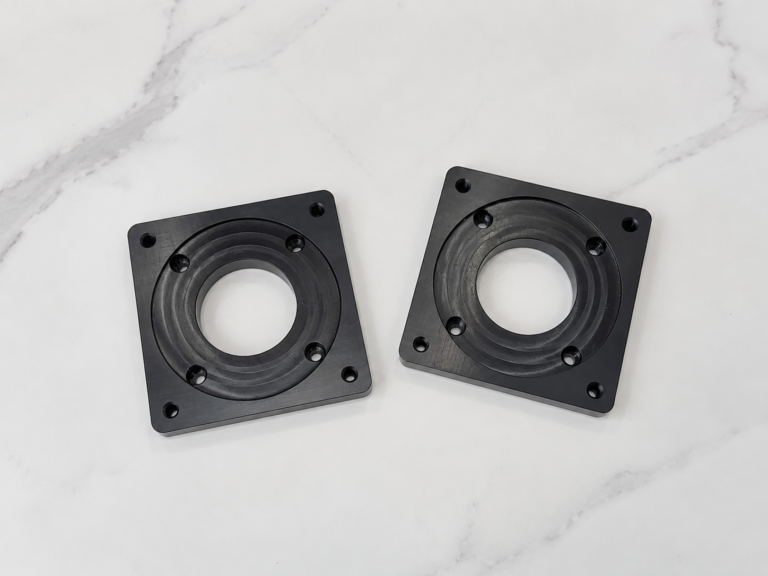
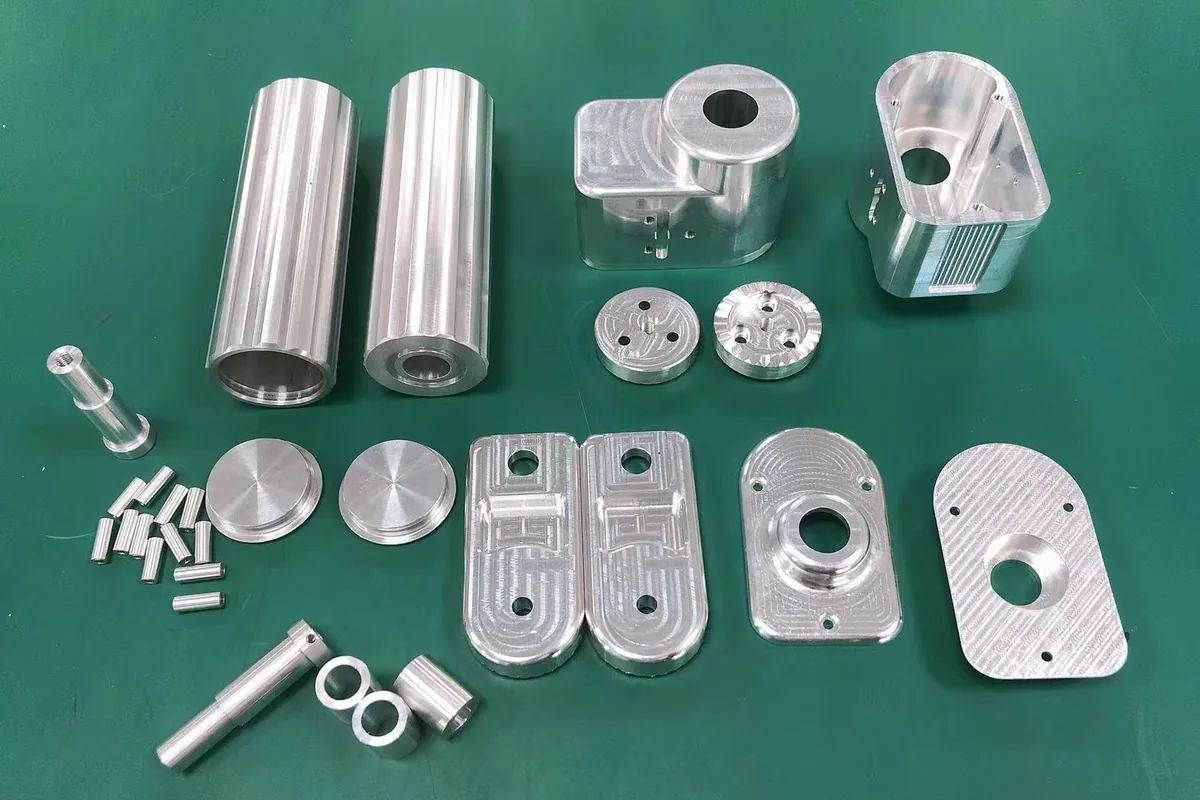
CNC milling is a subtractive manufacturing process in which a rotating cutting tool removes material from a stationary or moving workpiece. The machine can cut along multiple axes to create flat surfaces, slots, pockets, holes, contours, and complex three-dimensional features.
CNC milling is commonly used for parts with non-cylindrical shapes, including housings, brackets, plates, covers, frames, and components with multiple machined faces.
What Is CNC Turning?
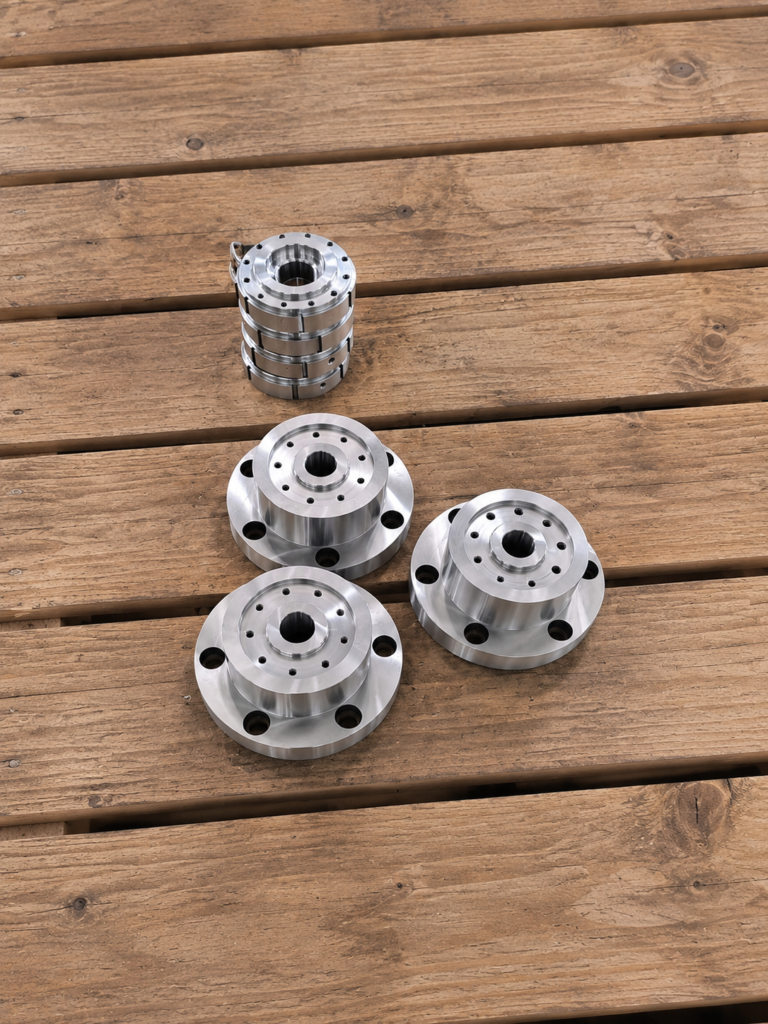
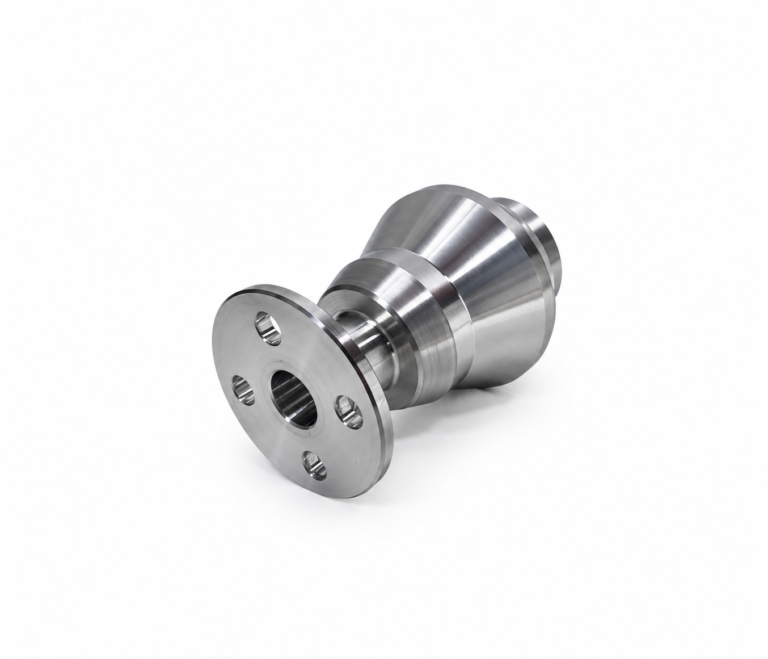
CNC turning is a subtractive machining process in which the workpiece rotates while a stationary cutting tool removes material. This process is highly efficient for producing cylindrical, round, and symmetrical components.
CNC turning is commonly used for shafts, pins, bushings, sleeves, threaded parts, collars, flanges, and other components with an axis of rotation.
Key Differences Between CNC Milling and CNC Turning
The main difference between CNC milling and CNC turning is the relative movement of the cutting tool and workpiece. The following comparison summarizes the key characteristics of each process.
| Comparison | CNC Milling | CNC Turning |
|---|---|---|
| Main movement | Cutting tool rotates | Workpiece rotates |
| Typical part shape | Prismatic or irregular | Cylindrical or round |
| Common features | Pockets, slots, flat surfaces, contours | Diameters, grooves, threads, tapers |
| Typical parts | Housings, brackets, plates, frames | Shafts, pins, bushings, flanges |
| Number of axes | Commonly 3, 4, or 5 axes | Commonly 2 axes, with live-tool options |
| Production efficiency | Efficient for complex multi-face parts | Highly efficient for rotational parts |
| Material utilization | Depends on stock shape and geometry | Efficient with round bar stock |
When Should You Choose CNC Milling?
CNC milling is generally the better choice when a part has flat surfaces, pockets, slots, complex contours, multiple holes, or features located on several faces.
Choose CNC milling when:
- The part has a non-cylindrical or irregular shape.
- Multiple surfaces need to be machined.
- The design includes pockets, slots, cavities, or complex contours.
- The part requires 3-axis, 4-axis, or 5-axis machining.
- The workpiece is a plate, block, housing, bracket, or frame.
When Should You Choose CNC Turning?
CNC turning is usually the more efficient and economical option when the main geometry of the part is cylindrical and can be produced from round bar stock.
Choose CNC turning when:
- The part is cylindrical, round, or rotationally symmetrical.
- The design includes shafts, pins, bushings, sleeves, or flanges.
- External or internal threads are required.
- High production efficiency is important.
- The part can be manufactured mainly by rotating the workpiece.
Can CNC Milling and CNC Turning Be Used Together?
Yes. Many custom parts require both CNC turning and CNC milling. A cylindrical workpiece may first be turned to produce the main diameter, bore, groove, or thread, and then transferred to a milling machine to create flats, slots, cross holes, pockets, or other non-rotational features.
Some CNC turning centers also include live tooling and additional axes, allowing turning and milling operations to be completed in a single setup. This can reduce handling, improve positional accuracy, and shorten production time for suitable parts.
Conclusion
CNC milling is generally suitable for parts with flat surfaces, pockets, slots, and features on multiple faces, while CNC turning is usually more efficient for cylindrical and rotational components.
For some parts, combining milling and turning can provide the best balance of accuracy, production efficiency, and cost. The final process should be selected based on part geometry, tolerances, material, quantity, and secondary operations.
Need help choosing the right machining process for your part?
Send your drawings to iPrecision CNC for a manufacturability review and quotation.