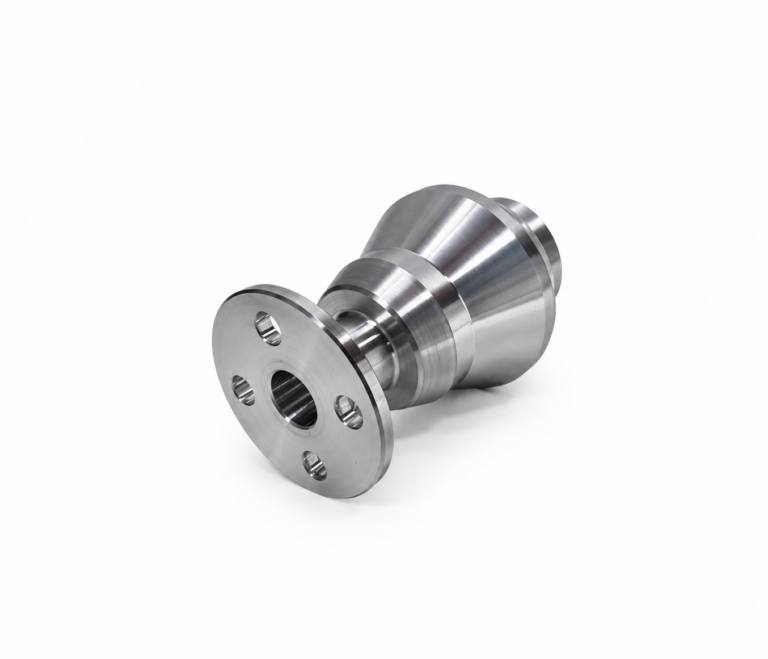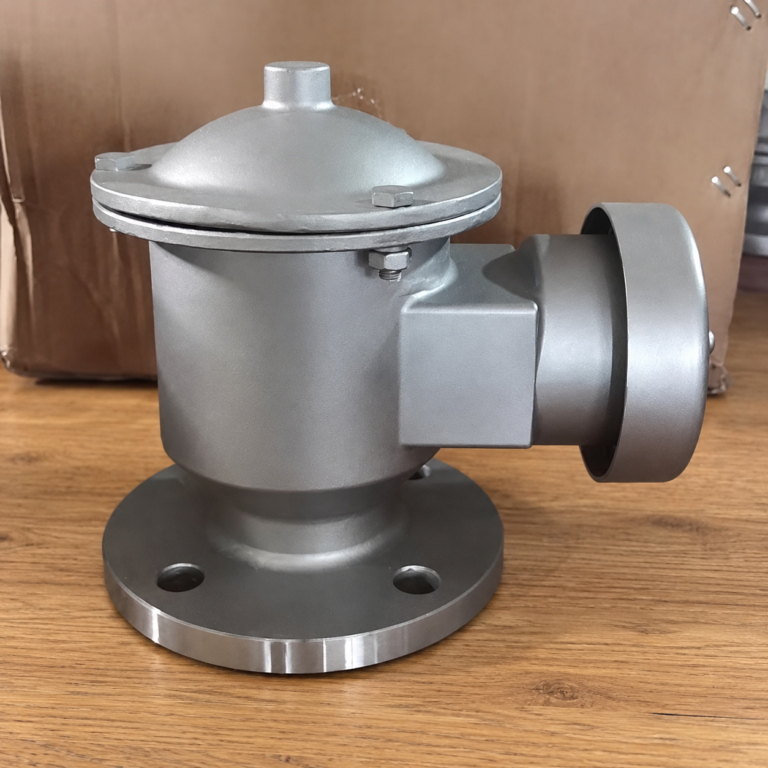
CNC Milling Services for Automotive Part Prototypes
Why CNC Machining is Used in the Automotive Industry
To remain competitive in today’s market, automotive manufacturers must rapidly redesign vehicle models.
Maintaining material integrity while meeting the strict tolerances required by manufacturers for automotive parts is a challenging task.
Consequently, CNC machining has become a dominant force in the automotive industry.
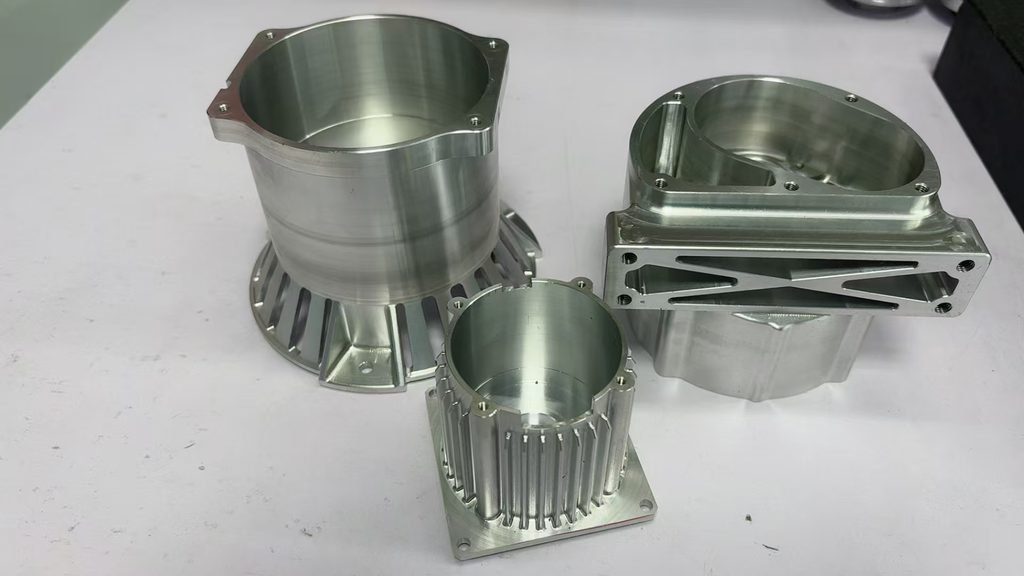
Applications of CNC in the Automotive Industry
1: Engine Blocks
The engine is the most complex and critical component of the vehicle’s propulsion system.
Due to this complexity and the variety of materials involved, CNC machining is an excellent method for manufacturing this component.
While programming CNC machines is a demanding and time-consuming task requiring a high level of skill, once set up, the machine can produce numerous engine blocks with consistent precision and tolerance without further manual intervention.
Many parts associated with the engine block—such as cylinder heads, intake manifolds, and components surrounding the cylinders and block—are also typically produced using CNC machines.
2: Automotive Lighting
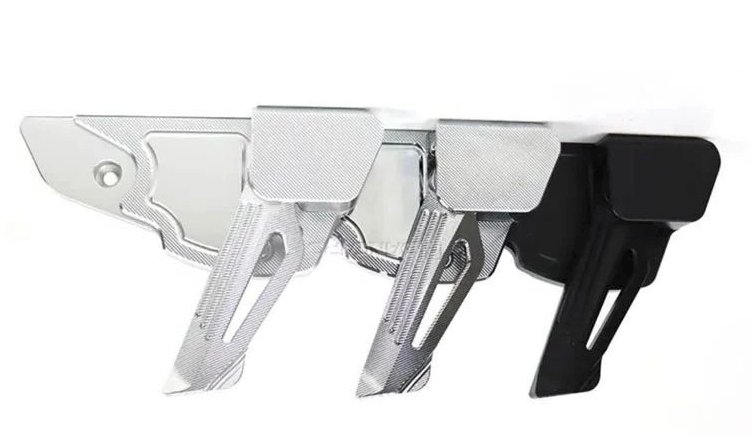
CNC machines facilitate the manufacture of various components required for vehicle lighting systems.
Reflectors made from PMMA and acrylic glass, for instance, require high precision and tight tolerances. Therefore, CNC machining is an optimal choice for the mass production of these reflectors.
3: Starter Motors
Starter motors, which enable internal combustion engines to operate, feature complex designs and require manufacturing processes that ensure extremely high accuracy, precision, and tight tolerances.
CNC machining is an ideal solution for meeting these requirements, enabling manufacturers to produce parts with the necessary precision, accuracy, and tolerance. It also allows for the optimization of critical automotive components according to design specifications.
4: Drive Shafts
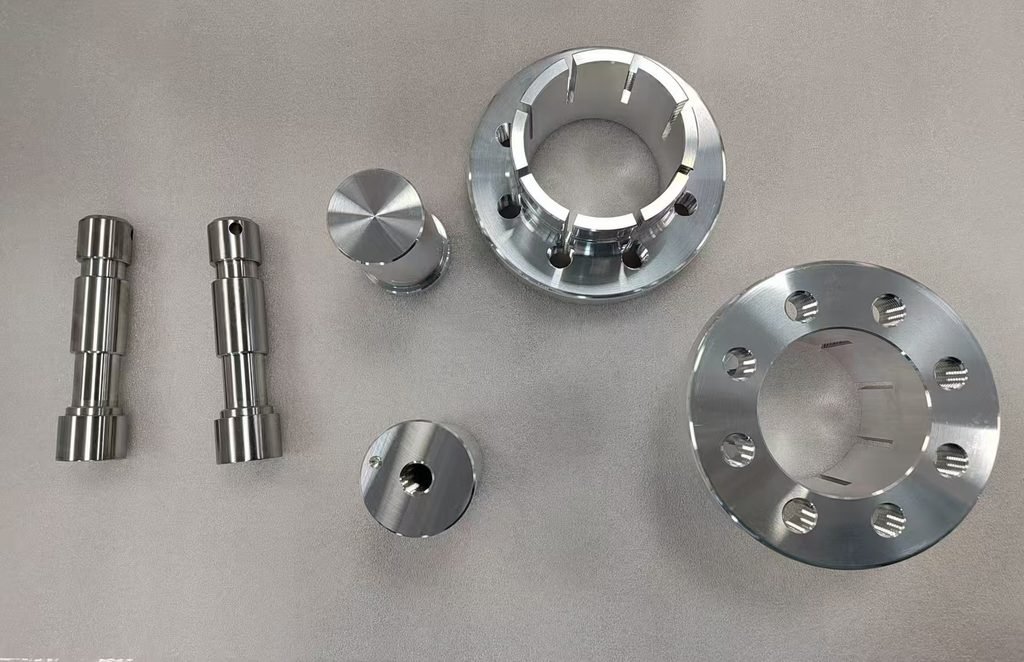
The half-shafts of the drive axle connect to the wheels via constant-velocity (CV) joints; as these critical components ensure smooth wheel operation, they require high precision and accuracy.
CNC machining is highly effective for producing components within the drive axle assembly, such as hypoid gears and bevel gears.
5: Transmissions
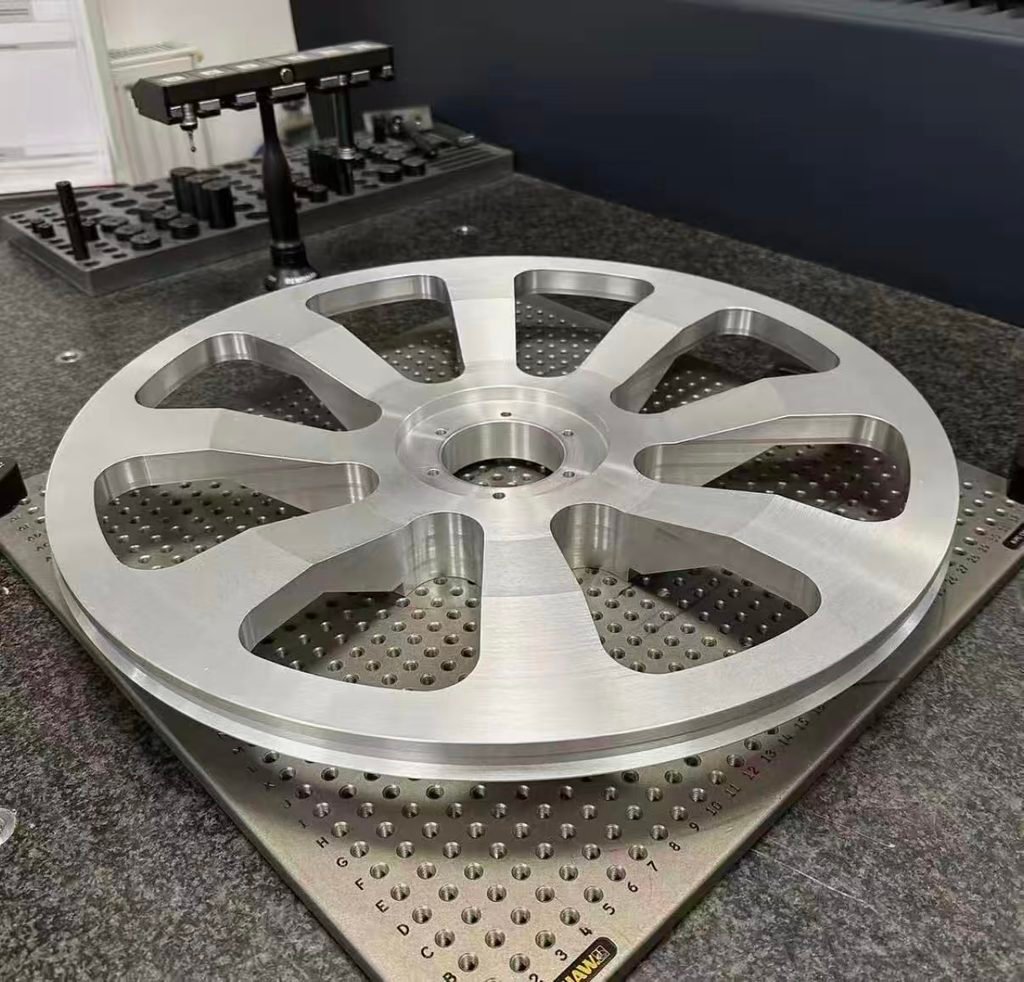
Transmission designs are complex and require extremely tight tolerances to fit within a compact space.
During manufacturing, even minor deviations in tolerance can lead to misalignment, gear wear, and gear failure.
Most automotive manufacturers are minimizing their reliance on traditional gear manufacturing processes—such as hobbing—in favor of CNC machining.
CNC machining eliminates the need for additional post-processing steps and produces high-quality gears with superior accuracy, precision, and tight tolerances.
6: Interior and Roof Panels
Most automakers use polymers and plastics to reduce the amount of steel required for interior components and roof panels.
These panels are lightweight yet twice as thick as their steel counterparts.
CNC machining is used to manufacture these panels with high precision and excellent surface finishes.
Dashboard frames, speedometer housings, and fuel gauge casings are primarily produced from polypropylene (PP) blocks using CNC machines.
This ensures that cutouts and mounting points align perfectly, eliminating the need for additional fastening mechanisms.
7: Automotive Wheels and Other Accessories
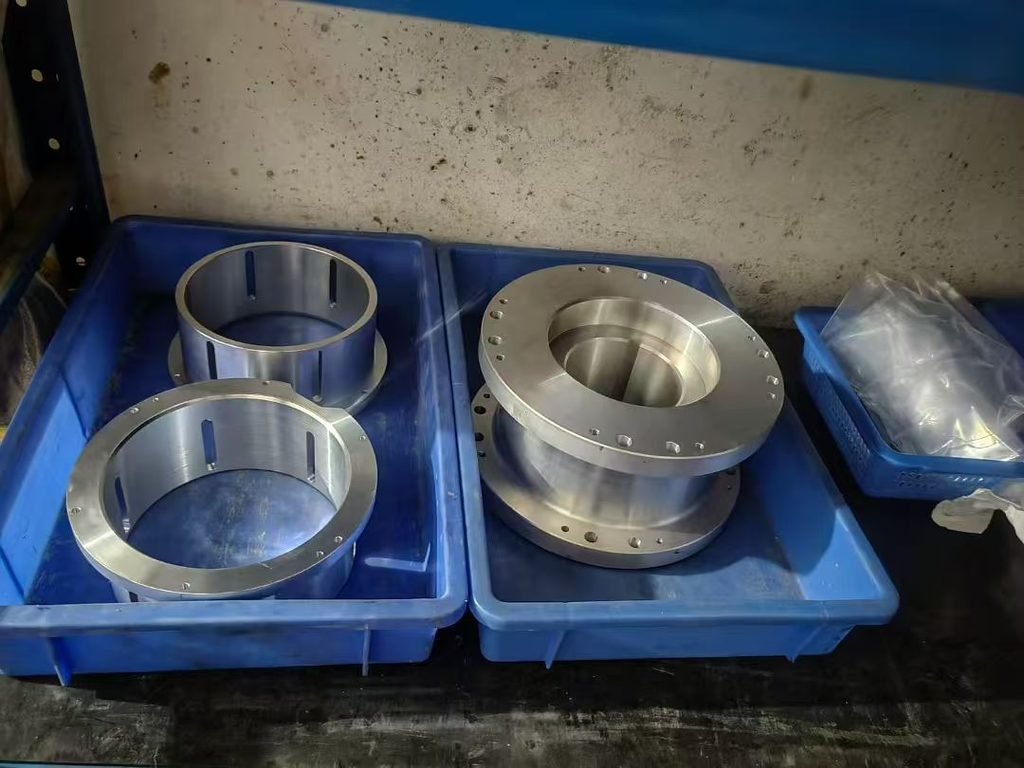
CNC machining enables the production of various other automotive components, such as suspension parts, exhaust systems, carburetor housings, fluid system parts, bushings, retainers, rotors, and brake components. It also facilitates the production of custom parts for specific vehicles by allowing for rapid design modifications via CAD software.
Advantages of CNC Machining in the Automotive Industry
Advantage 1: Efficiency
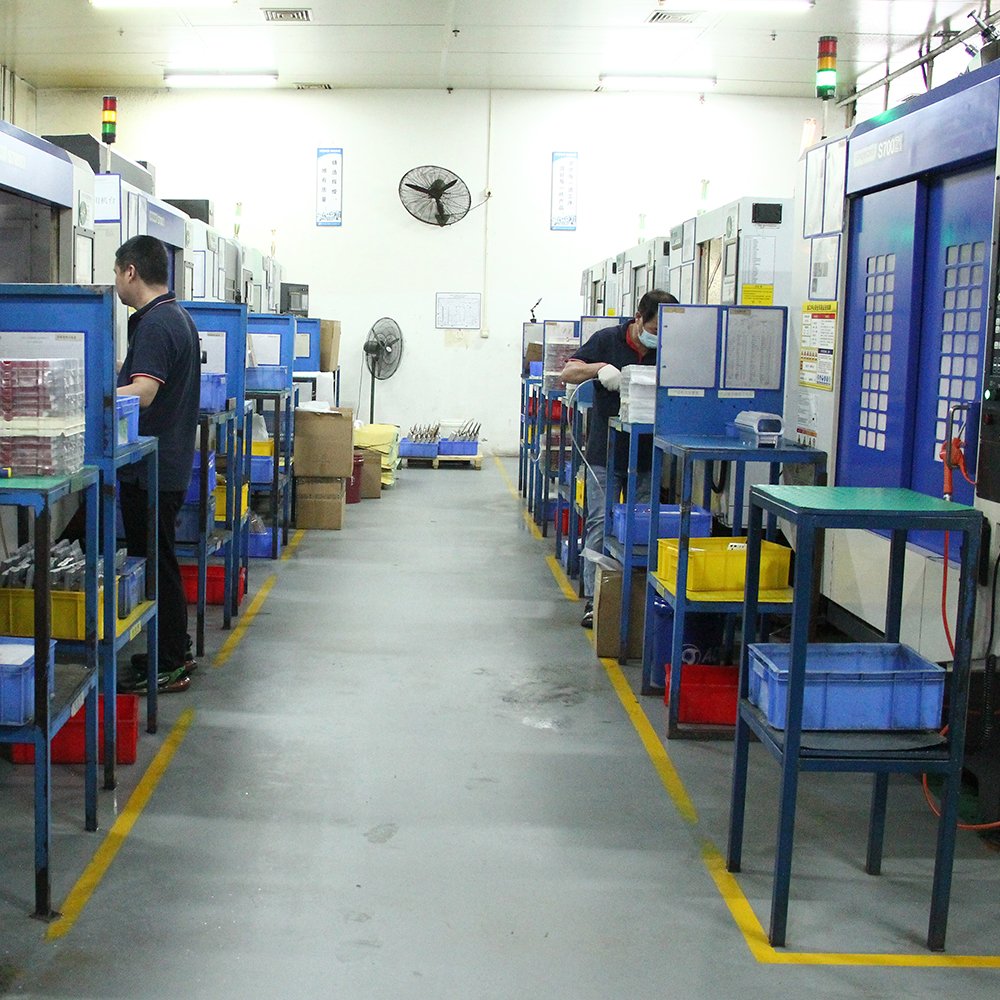
CNC machining operations are executed rapidly with minimal manual intervention, as the process relies on computer-generated instructions.
Manufacturers experience significant productivity gains with this method, particularly because the programmed instructions can be repeated indefinitely.
Advantage 2: Automation
Automation is a key benefit of CNC machining, significantly reducing production times compared to traditional methods.
The manufacturing workflow is streamlined through automation; for instance, robotic arms can assist in removing finished parts from the machine.
Advantage 3: Mass Production
CNC machines can rapidly repeat operations over extended periods with consistent precision and zero deviation. Using this computer-controlled machinery allows for the repeated production of parts without compromising consistency. Automakers rely heavily on this machining process for the mass production of individual components.
Because it requires less manual intervention, CNC machining is more cost-effective for high-volume production. This is one of the key advantages of CNC machines in the automotive industry.
Advantage 4: Accuracy and Precision
The computer-controlled and automated nature of CNC machining eliminates errors and enables tolerances as tight as ±0.001.
The automotive industry demands such tight tolerances because the failure of any critical vehicle component can have serious consequences for the end user.
CNC machines are capable of producing complex automotive parts with high precision, accuracy, and strict tolerances.