CNC Machining Supplier Offering Expedited Delivery
Core Capabilities for Expedited CNC Part Delivery
Dongguan Precision Hardware Products has specialized in precision CNC machining for over a decade, consistently handling R&D orders for sectors such as aerospace, medical technology, robotics, and drones. To address the delivery timelines that matter most to clients, we offer clear, actionable standards: standard prototypes can be shipped within 3–5 days, while urgent R&D orders can be completed and delivered in as little as 24 to 48 hours.

This rapid delivery capability does not rely on squeezing small orders into mass production schedules; instead, we have established a flexible, rapid-response production system that operates entirely independently of our high-volume lines, turning short-cycle, high-precision prototyping into a standardized service.
I. The Root Cause of Scheduling Difficulties and High Costs for Small-Batch Orders Lies in Traditional Factory Production Logic

Most general machining shops prioritize high-volume orders; nearly 65% of manufacturers set a minimum order quantity (MOQ) of 50 units. Consequently, orders for prototypes or small batches of fewer than 50 units are either indefinitely delayed or rejected outright.
The reason is pragmatic: the time required for programming, tool changes, and custom fixture setup is essentially fixed. For mass production runs of thousands of units, these upfront costs are easily amortized; however, for orders of only a few or a few dozen units, the setup cost allocated to each piece skyrockets. With profit margins razor-thin, factories are naturally reluctant to prioritize such orders.
Success in precision non-standard part machining is determined not by the number of machines, but by scheduling flexibility. Tianxuan Precision has established a dedicated prototyping line staffed by a specialized team of process engineers who do not participate in mass production. Orders ranging from 1 to 50 units follow a dedicated production rhythm that does not conflict with mass production schedules, thereby resolving the issue of scheduling delays for small orders at the source.
II. Rapid and stable delivery relies on four essential, practical conditions

While many factories promise quick turnaround times, actual production is often plagued by delays during setup, job changes, and inspection. We consistently meet delivery deadlines by employing a mature, comprehensive process control system that proactively eliminates time-consuming bottlenecks at every stage.
1. Comprehensive upfront process planning cuts initial lead times by more than half
In the complete machining workflow for a part, preliminary tasks—such as evaluating drawings and processes, simulating toolpaths, and designing work-holding solutions—account for over 60% of the total prototyping time. Many factories plan their approach only after receiving the drawings, resulting in significant time wasted on trial-and-error.
PRS completes cost estimation and process analysis within one hour of receiving customer drawings. We use CAM software to simulate cutting paths in advance, preventing machining interference. Tools and programs are pre-set and loaded, eliminating the need for last-minute adjustments while the machine is idle; this drastically reduces preparation time and prevents delivery delays caused by rework.
2. Parallel machining of multiple parts breaks the inefficiency of single-part processing
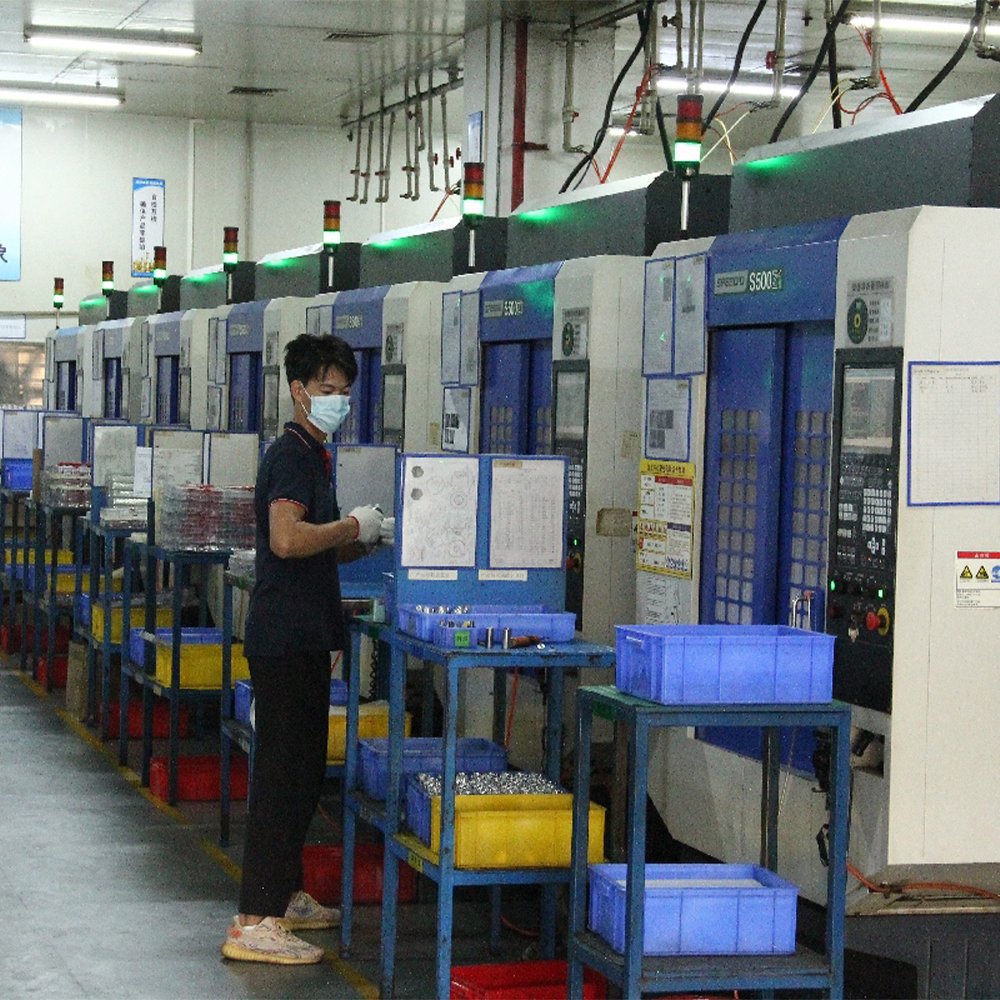
Conventional methods typically process only one workpiece at a time, with frequent stops for material changes dragging down spindle utilization. Leveraging 5-axis machining centers and an intelligent backend scheduling system, we can simultaneously clamp multiple precision parts of varying specifications on a single machine. The system automatically optimizes the machining sequence, minimizing equipment idle time.
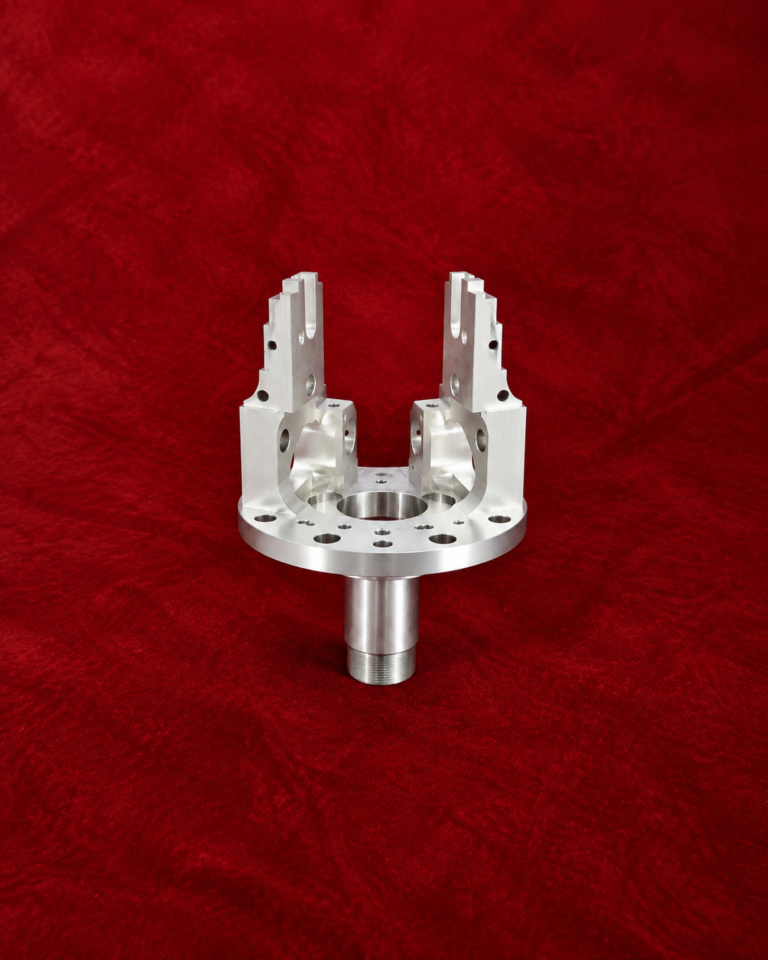
For a recent batch of complex aluminum alloy prototypes, this parallel machining approach allowed us to go from raw material intake to final inspection in just 24 hours. Finished part tolerances were consistently maintained at ±0.005 mm, achieving a balance of high precision and efficiency.
3. Standardized rapid work-holding cuts job-changeover time by 40%
Traditional process switching requires recalibration, tool setting, and fixture adjustments—tasks that can easily consume hours for a single changeover. We utilize standardized fixtures and quick-change components, eliminating the need for recalibration between jobs. This cuts process-switching time by 40%, ensuring that changeovers between different sample batches do not result in significant downtime.

4. Synchronized machining and inspection ensure quality checks don’t delay delivery
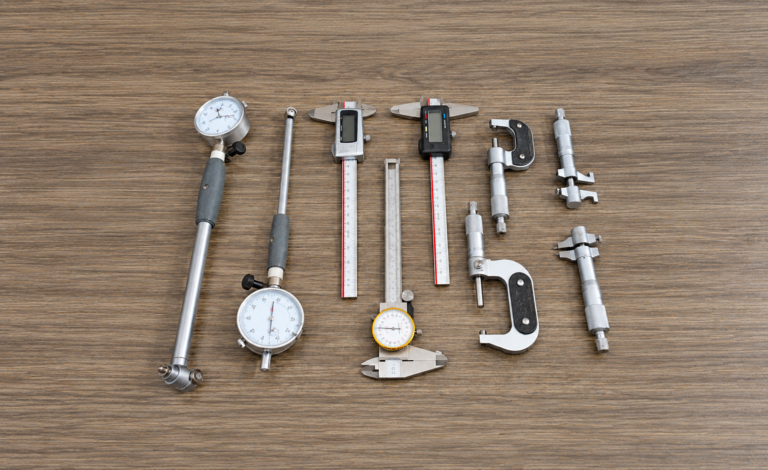
Outsourced precision parts often suffer from a mismatch between fast machining and slow inspection; completed parts frequently face queues for CMM (Coordinate Measuring Machine) inspection, extending the overall delivery cycle.
Each PRS machining unit is equipped with a wireless probe that monitors dimensions in real-time and dynamically compensates for machining deviations during the cutting process. Upon completion, parts are immediately transferred to a German-made Zeiss CMM for comprehensive, single-pass dimensional verification and the simultaneous generation of a full inspection report. This seamless integration of machining and inspection ensures that shipments are never delayed by the quality control process.